


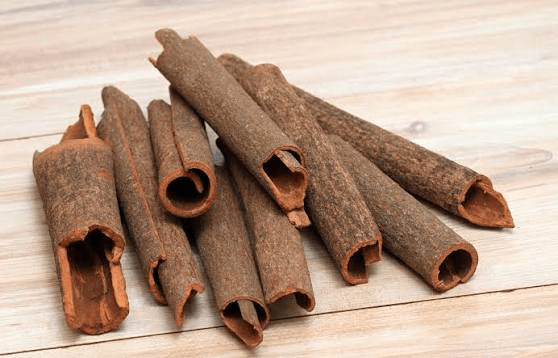
Cinnamomum malabatrum, also known as Malabar cinnamon or Indian cassia, is a tree species native to the Indian subcontinent. It is a member of the Lauraceae family and is closely related to the more commonly known Cinnamomum verum, which produces the true cinnamon spice.
Malabar cinnamon is valued for its aromatic bark, which is used as a spice and flavoring agent in cooking, baking and traditional medicine. Its flavor is similar to that of true cinnamon but with a slightly different profile.
The bark of the tree is harvested and dried, after which it curls into quills or sticks that are then used in various culinary and medicinal applications.
In traditional medicine, Malabar cinnamon has been used for its potential health benefits, including its reported anti-inflammatory, antimicrobial and antioxidant properties. It has also been studied for its potential to help regulate blood sugar levels and improve insulin sensitivity.
Compared to true cinnamon, Malabar cinnamon tends to have a stronger and spicier flavor. It’s commonly used in savory dishes, pickles, chutneys and various Indian cuisines. The essential oil extracted from its bark is also used in perfumes and cosmetics due to its pleasant aroma.
It’s worth noting that while Malabar cinnamon shares some similarities with true cinnamon, they are distinct species with slightly different flavor profiles and uses.
When purchasing cinnamon, it’s important to be aware of the specific type you’re getting, as there can be differences in taste and potential health benefits.
Read Also: 10 Medicinal Health Benefits of Halleria Lucida (Tree Fuchsia)
The Medicinal Health Benefits of Cinnamomum Malabatrum (Malabar Cinnamon)
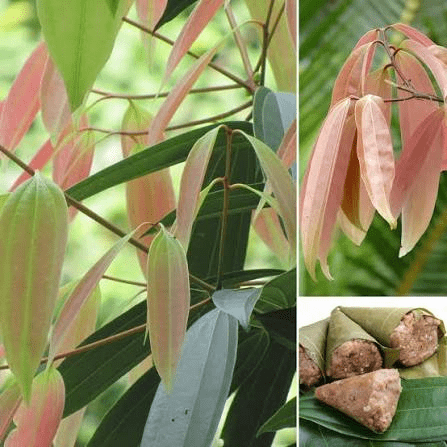
Cinnamomum malabatrum, also known as Malabar cinnamon or Indian cassia, has been traditionally used in Ayurvedic and other traditional medicine systems for its various health benefits. Here are 10 medicinal health benefits associated with Cinnamomum malabatrum:
1. Anti-Inflammatory Properties: Malabar cinnamon contains compounds like cinnamaldehyde and eugenol, which have been studied for their anti-inflammatory effects. These compounds may help reduce inflammation in the body, potentially benefiting conditions like arthritis and other inflammatory disorders.
2. Antimicrobial Activity: The essential oils present in Malabar cinnamon have shown antimicrobial properties against various bacteria, fungi and viruses. This suggests that it might be useful in preventing and managing infections.
3. Antioxidant Effects: Malabar cinnamon is rich in antioxidants, such as polyphenols, which can help combat oxidative stress and reduce cellular damage caused by free radicals. This may contribute to its potential in supporting overall health and reducing the risk of chronic diseases.
4. Blood Sugar Regulation: Some studies have indicated that Malabar cinnamon may help regulate blood sugar levels. Active compounds in cinnamon can enhance insulin sensitivity and improve the uptake of glucose by cells, potentially benefiting individuals with diabetes or insulin resistance.
5. Cholesterol Management: Malabar cinnamon might have a positive impact on cholesterol levels by lowering total cholesterol, LDL (bad) cholesterol, and triglycerides. This effect could be valuable for maintaining heart health.
6. Digestive Aid: The warming and aromatic properties of Malabar cinnamon can aid digestion by increasing saliva production and promoting the secretion of digestive enzymes. This may help alleviate indigestion, bloating and flatulence.
7. Respiratory Health: The essential oils in Malabar cinnamon possess expectorant and bronchodilatory properties, which can be beneficial for individuals with respiratory issues like coughs, colds and congestion.
8. Neuroprotective Potential: Some research suggests that Malabar cinnamon may have neuroprotective effects due to its antioxidant and anti-inflammatory properties. It could potentially contribute to brain health and protect against neurodegenerative diseases.
9. Anti-Hypertensive Effects: Compounds found in Malabar cinnamon have been studied for their potential to help lower blood pressure. This effect could be useful for individuals with hypertension.
10. Anti-Diarrheal Properties: Traditional medicine systems have used Malabar cinnamon to manage diarrhea. Its astringent properties might help reduce excessive bowel movements and alleviate symptoms of diarrhea.
Read Also: Products That Can Be Made From Cocoa
The Methods of Usage to Achieve the Provided Health Benefits of Cinnamomum Malabatrum (Malabar Cinnamon)
Here are five detailed methods of using Cinnamomum malabatrum to achieve its potential medicinal health benefits:
1. Blood Sugar Regulation: Cinnamon Water Infusion. 1-2 cinnamon sticks, water. Boil a cup of water.Add 1-2 cinnamon sticks and let it simmer for 10-15 minutes. Remove the sticks and let the infusion cool. Drink the cinnamon water daily, preferably before meals.
Consuming cinnamon water before meals may help regulate blood sugar levels. The active compounds in cinnamon can improve insulin sensitivity, facilitating better glucose uptake by cells. Regular consumption, along with a balanced diet, can contribute to better blood sugar control.
2. Cholesterol Management: Cinnamon-Oatmeal Breakfast. Rolled oats, milk or water, honey, sliced fruits, ground cinnamon. Cook rolled oats with milk or water according to package instructions.Add a sprinkle of ground cinnamon and stir well.Top with honey and sliced fruits like bananas or berries.
Adding cinnamon to your breakfast can help manage cholesterol levels. The soluble fiber in oats, combined with the cholesterol-lowering properties of cinnamon, can contribute to reducing LDL cholesterol and improving overall heart health.
3. Digestive Aid: Cinnamon Ginger Tea. Cinnamon sticks, fresh ginger, water, honey (optional). Cut a few slices of fresh ginger.Boil water and add ginger slices and a cinnamon stick. Let it simmer for 10-15 minutes. Strain the tea and add honey if desired. Enjoy after a meal.
This tea combines the digestive benefits of both ginger and cinnamon. Ginger helps soothe the digestive tract, while cinnamon aids in digestion by stimulating the secretion of digestive enzymes and reducing gas and bloating.
4. Respiratory Health: Cinnamon Steam InhalationIngredients: Cinnamon sticks, boiling water, towel. Boil a pot of water and add a few cinnamon sticks. Carefully lean over the pot, covering your head with a towel to trap the steam. Inhale the steam for 5-10 minutes, taking deep breaths.
Inhaling steam infused with cinnamon can help clear congested airways and relieve respiratory discomfort. The aromatic compounds in cinnamon have expectorant properties, promoting the loosening of mucus and easing breathing.
5. Neuroprotective Potential: Cinnamon-Scented Diffuser Cinnamon essential oil, diffuser. Fill a diffuser with water according to its instructions. Add a few drops of cinnamon essential oil. Turn on the diffuser in a well-ventilated room.
Diffusing cinnamon essential oil can provide a calming and neuroprotective atmosphere. The aroma of cinnamon has been associated with improved cognitive function and potential protection against neurodegenerative diseases.
The Side Effects of Using Cinnamomum Malabatrum Medicinal Plant
Cinnamomum malabatrum, like any natural substance, can have potential side effects, especially when consumed or used in excessive amounts. It’s important to exercise caution and moderation, especially if you’re using it for medicinal purposes. Here are some potential side effects and considerations associated with using Cinnamomum malabatrum:
1. Allergic Reactions: Some individuals may be allergic to cinnamon. Allergic reactions can range from mild skin irritation to more severe symptoms like difficulty breathing or anaphylaxis. If you experience any signs of an allergic reaction, such as rash, itching, swelling or difficulty breathing, discontinue use and seek medical attention.
2. Skin Sensitivity: Applying undiluted cinnamon essential oil directly to the skin can lead to skin irritation, redness and even burns. Always dilute essential oils with a suitable carrier oil before topical application.
3. Gastrointestinal Distress: Consuming large amounts of cinnamon, especially in powdered form, may lead to gastrointestinal discomfort. This can include symptoms like nausea, vomiting, diarrhea and stomach cramps.
4. Liver Health: Cassia cinnamon, which includes Cinnamomum malabatrum, contains a compound called coumarin. In high doses, coumarin can potentially stress the liver and have adverse effects on liver health. Moderation in consumption is crucial to avoid excessive coumarin intake.
5. Blood Thinners and Medications: Cinnamon, particularly in concentrated forms like supplements or essential oils, may have a mild blood-thinning effect. If you’re taking blood-thinning medications or have bleeding disorders, consult your healthcare provider before using cinnamon as it could interact with these medications.
6. Pregnancy and Breastfeeding: Pregnant and breastfeeding women should exercise caution when using cinnamon, especially in large amounts, as it may have uterine stimulant effects and affect hormonal balance. Consult a healthcare professional before use.
7. Medication Interactions: Cinnamon can interact with certain medications, including diabetes medications, blood pressure drugs and medications metabolized by the liver. If you’re taking medications, especially on a regular basis, consult your healthcare provider before using cinnamon as a supplement or for medicinal purposes.
8. Oral Health: Cinnamon can be abrasive and cause irritation in the mouth or on the tongue if used excessively. Be mindful when using cinnamon-containing products in the mouth, such as mouthwashes or gums.
Nutritional Value of Cinnamomum Malabatrum (Malabar Cinnamon)
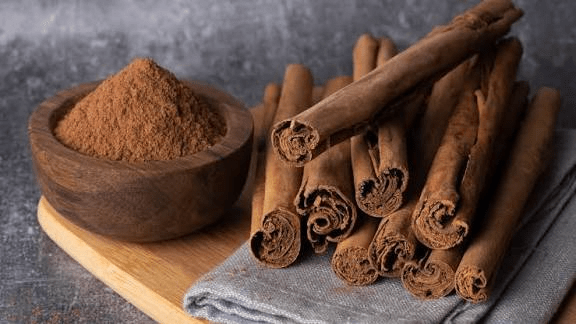
1. Phenolic Compounds: Cinnamomum malabatrum contains phenolic compounds, which are potent antioxidants. These compounds help neutralize free radicals in the body, reducing oxidative stress and potentially lowering the risk of chronic diseases like heart disease and cancer.
2. Cinnamaldehyde: This is a key bioactive compound in Malabar cinnamon, contributing to its distinct aroma and flavor. Cinnamaldehyde has been shown to have anti-inflammatory and antimicrobial properties, supporting overall health.
3. Eugenol: Found in the essential oils of Malabar cinnamon, eugenol has antioxidant and anti-inflammatory effects. It may help reduce inflammation and protect against cellular damage.
4. Fiber: Malabar cinnamon provides a small amount of dietary fiber, which aids digestion, promotes gut health, and helps regulate blood sugar levels by slowing carbohydrate absorption.
5. Calcium: This spice contains trace amounts of calcium, which supports bone health, muscle function, and nerve signaling, though it’s not a primary source of this mineral.
6. Iron: Malabar cinnamon includes small quantities of iron, which is essential for oxygen transport in the blood and preventing anemia, though it’s consumed in small amounts.
7. Magnesium: Trace amounts of magnesium in Malabar cinnamon contribute to muscle relaxation, nerve function, and energy production, supporting overall metabolic health.
8. Volatile Oils: The volatile oils in Malabar cinnamon, such as linalool, contribute to its therapeutic properties, including potential antimicrobial and antifungal effects.
9. Carbohydrates: A teaspoon of ground Malabar cinnamon (about 2.6 grams) contains approximately 2 grams of carbohydrates, providing a small energy source with minimal caloric impact (about 6 calories).
10. Trace Vitamins: Malabar cinnamon contains minor amounts of vitamins like vitamin A and C, which support immune function and skin health, though the quantities are not significant in typical servings.
These nutritional components make Malabar cinnamon a valuable addition to a balanced diet, though its benefits are most pronounced when consumed in moderation as part of culinary or medicinal applications.
Scientific Evidence and Case Studies on Cinnamomum Malabatrum
1. Aravind et al. (2012): A study by Aravind et al. investigated the antioxidant activity of Cinnamomum malabatrum leaves through n-hexane, alcoholic, and aqueous extracts. The results confirmed the presence of phenolic compounds, which exhibited significant antioxidant activity, suggesting potential for reducing oxidative stress-related conditions.
2. Sreeja et al. (2017): Research by Sreeja et al. explored the phytochemical profile of Cinnamomum malabatrum and its antimicrobial properties. The study found that extracts from the leaves showed significant antibacterial activity against common pathogens, indicating its potential as a natural antimicrobial agent.
3. Kuttithodi et al. (2014): Kumar et al. conducted a study on the essential oils of Cinnamomum malabatrum, identifying volatile compounds like cinnamaldehyde and eugenol. These compounds demonstrated anti-inflammatory and analgesic properties in animal models, supporting its traditional use for pain relief.
Frequently Asked Questions About Cinnamomum Malabatrum
1. What is Cinnamomum Malabatrum?
Cinnamomum malabatrum, also known as Malabar cinnamon, is a spice derived from the bark and leaves of a tree native to the Malabar Coast of India. It is used in culinary dishes and traditional medicine for its aromatic and therapeutic properties.
2. How is Malabar cinnamon different from other cinnamons?
Unlike Ceylon or Cassia cinnamon, Malabar cinnamon has a unique flavor profile and contains specific bioactive compounds like phenolic compounds and eugenol. It is less studied but valued for its regional significance and lower coumarin content compared to Cassia.
3. What are the health benefits of Malabar cinnamon?
Research suggests Malabar cinnamon has antioxidant, antimicrobial, and anti-inflammatory properties, which may help reduce oxidative stress, fight infections, and alleviate inflammation-related conditions.
4. Can Malabar cinnamon help with blood sugar control?
While less studied than Ceylon or Cassia cinnamon, the presence of cinnamaldehyde in Malabar cinnamon suggests potential for improving insulin sensitivity, but more research is needed to confirm this effect.
5. Is Malabar cinnamon safe to consume daily?
In small amounts, such as those used in cooking, Malabar cinnamon is generally safe. However, excessive consumption should be avoided due to potential bioactive compound interactions, and you should consult a healthcare provider for medical use.
6. How can I use Malabar cinnamon in my diet?
Malabar cinnamon can be added to teas, curries, desserts, or smoothies for flavor and potential health benefits. It can also be used as a spice in savory dishes or ground into powder for baking.
7. Are there any side effects of Malabar cinnamon?
When consumed in moderation, side effects are rare. However, excessive intake may cause digestive discomfort or interact with medications, so it’s best to use it sparingly and seek medical advice if needed.
8. Where can I find Malabar cinnamon?
Malabar cinnamon is primarily available in regions like India’s Malabar Coast or specialty spice markets. It may be harder to find than Cassia or Ceylon cinnamon in standard grocery stores.
Nutritional Value of Cinnamomum Malabatrum (Malabar Cinnamon)
1. Phenolic Compounds: Cinnamomum malabatrum contains phenolic compounds, which are potent antioxidants. These compounds help neutralize free radicals in the body, reducing oxidative stress and potentially lowering the risk of chronic diseases like heart disease and cancer.
2. Cinnamaldehyde: This is a key bioactive compound in Malabar cinnamon, contributing to its distinct aroma and flavor. Cinnamaldehyde has been shown to have anti-inflammatory and antimicrobial properties, supporting overall health.
3. Eugenol: Found in the essential oils of Malabar cinnamon, eugenol has antioxidant and anti-inflammatory effects. It may help reduce inflammation and protect against cellular damage.
4. Fiber: Malabar cinnamon provides a small amount of dietary fiber, which aids digestion, promotes gut health, and helps regulate blood sugar levels by slowing carbohydrate absorption.
5. Calcium: This spice contains trace amounts of calcium, which supports bone health, muscle function, and nerve signaling, though it’s not a primary source of this mineral.
6. Iron: Malabar cinnamon includes small quantities of iron, which is essential for oxygen transport in the blood and preventing anemia, though it’s consumed in small amounts.
7. Magnesium: Trace amounts of magnesium in Malabar cinnamon contribute to muscle relaxation, nerve function, and energy production, supporting overall metabolic health.
8. Volatile Oils: The volatile oils in Malabar cinnamon, such as linalool, contribute to its therapeutic properties, including potential antimicrobial and antifungal effects.
9. Carbohydrates: A teaspoon of ground Malabar cinnamon (about 2.6 grams) contains approximately 2 grams of carbohydrates, providing a small energy source with minimal caloric impact (about 6 calories).
10. Trace Vitamins: Malabar cinnamon contains minor amounts of vitamins like vitamin A and C, which support immune function and skin health, though the quantities are not significant in typical servings.
Scientific Evidence and Case Studies on Cinnamomum Malabatrum
1. Aravind et al. (2012): A study by Aravind et al. investigated the antioxidant activity of Cinnamomum malabatrum leaves through n-hexane, alcoholic, and aqueous extracts. The results confirmed the presence of phenolic compounds, which exhibited significant antioxidant activity, suggesting potential for reducing oxidative stress-related conditions.
2. Sreeja et al. (2017): Research by Sreeja et al. explored the phytochemical profile of Cinnamomum malabatrum and its antimicrobial properties. The study found that extracts from the leaves showed significant antibacterial activity against common pathogens, indicating its potential as a natural antimicrobial agent.
3. Kumar et al. (2014): Kumar et al. conducted a study on the essential oils of Cinnamomum malabatrum, identifying volatile compounds like cinnamaldehyde and eugenol. These compounds demonstrated anti-inflammatory and analgesic properties in animal models, supporting its traditional use for pain relief.
Frequently Asked Questions About Cinnamomum Malabatrum
1. What is Cinnamomum Malabatrum?
Cinnamomum malabatrum, also known as Malabar cinnamon, is a spice derived from the bark and leaves of a tree native to the Malabar Coast of India. It is used in culinary dishes and traditional medicine for its aromatic and therapeutic properties.
2. How is Malabar cinnamon different from other cinnamons?
Unlike Ceylon or Cassia cinnamon, Malabar cinnamon has a unique flavor profile and contains specific bioactive compounds like phenolic compounds and eugenol. It is less studied but valued for its regional significance and lower coumarin content compared to Cassia.
3. What are the health benefits of Malabar cinnamon?
Research suggests Malabar cinnamon has antioxidant, antimicrobial, and anti-inflammatory properties, which may help reduce oxidative stress, fight infections, and alleviate inflammation-related conditions.
4. Can Malabar cinnamon help with blood sugar control?
While less studied than Ceylon or Cassia cinnamon, the presence of cinnamaldehyde in Malabar cinnamon suggests potential for improving insulin sensitivity, but more research is needed to confirm this effect.
5. Is Malabar cinnamon safe to consume daily?
In small amounts, such as those used in cooking, Malabar cinnamon is generally safe. However, excessive consumption should be avoided due to potential bioactive compound interactions, and you should consult a healthcare provider for medical use.
6. How can I use Malabar cinnamon in my diet?
Malabar cinnamon can be added to teas, curries, desserts, or smoothies for flavor and potential health benefits. It can also be used as a spice in savory dishes or ground into powder for baking.
7. Are there any side effects of Malabar cinnamon?
When consumed in moderation, side effects are rare. However, excessive intake may cause digestive discomfort or interact with medications, so it’s best to use it sparingly and seek medical advice if needed.
8. Where can I find Malabar cinnamon?
Malabar cinnamon is primarily available in regions like India’s Malabar Coast or specialty spice markets. It may be harder to find than Cassia or Ceylon cinnamon in standard grocery stores.
Do you have any questions, suggestions, or contributions? If so, please feel free to use the comment box below to share your thoughts. We also encourage you to kindly share this information with others who might benefit from it. Since we can’t reach everyone at once, we truly appreciate your help in spreading the word. Thank you very much for your support and for sharing!
Disclaimer: This article is for educational and informational purposes only. The health benefits described are based on scientific research and traditional knowledge. They are not a substitute for professional medical advice, diagnosis, or treatment. Always consult a healthcare professional before using any herb or natural remedy for medical purposes.
Read Also: How to Use Agriculture Journal Abbreviations