


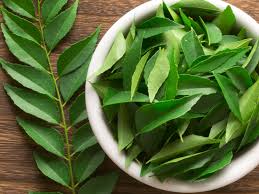
Curry leaves (Murraya koenigii) sometimes referred to as kadi Patta or Meetha neem in Hindi, are widely utilized in cuisine. These leaves with a bitter taste not only give meals fragrant flavors but also improve the meal’s health advantages.
Curry leaves are known as Krishnanimba in Ayurveda, after the god of protection Lord Krishna. Curry leaves have been employed in traditional medicine for the treatment and prevention of a variety of illnesses due to their potent nutritional content, which includes protein, fiber, calcium, phosphorus, iron, multivitamins, and flavonoids.
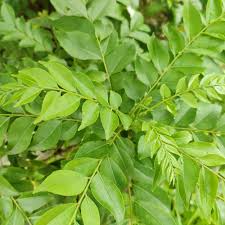
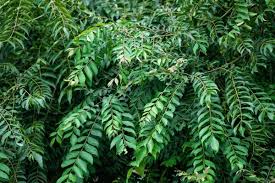
Curry leaves range in size from 2-4 centimeters long to 1-2 centimeters in width, and are long, slender, oval-shaped, and pointy. Each branch of the shiny, dark-green leaves can support up to twenty closely packed leaves.
The leaves are arranged pinnately along a stem. Curry leaves have been likened to citrus, asafoetida, anise, and lemongrass due to their powerful aroma and flavor. Curry leaves have a mild, somewhat spicy bite and nutty scent when cooked.
Read Also: 7 Health Benefits of Cumin Seeds (Cuminucum Cyminum)
10 Health Benefits of Curry Leaves (Murraya koenigii)
Carbohydrates, energy, fiber, phosphorus, magnesium, copper, and minerals are some of the components found in curry leaves.
Antioxidants, amino acids, flavonoids, and vitamins, including nicotinic acid, are also found. Additionally, it is rich in calcium, iron, and vitamins A, B, C, and B2.
1. For Diabetes
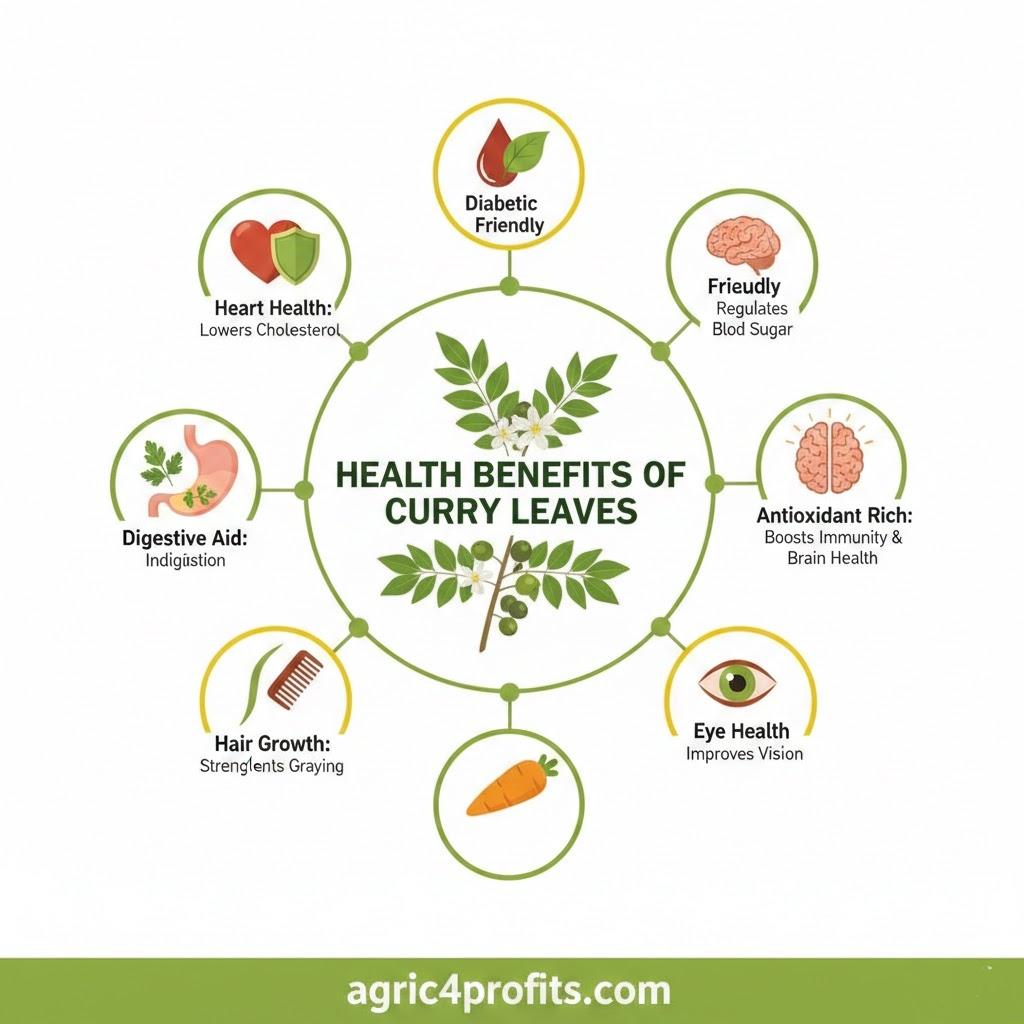
Controlling blood glucose levels is a great benefit of curry leaves. In order to manage diabetes and its effects, its ingestion is therefore beneficial.
Among the minerals present in them are copper, iron, and zinc. The glycaemic control of persons is improved by these minerals.
Due to the fiber content of curry leaves, digestion is slowed and blood sugar levels are kept from rising. Additionally, by improving insulin effectiveness, they help those who have diabetes.
2. Improves Liver Health
When combined with antioxidant-rich vitamins A and C, curry leaves can help prevent liver damage brought on by excessive alcohol consumption. The organ is then shielded and given energy, which enables it to function better.
It possesses anti-hepatotoxic properties, which means it can defend the liver from damage. Curry leaves protect the liver from oxidative stress and harmful pollutants because they are rich in antioxidants, especially kaempferol. Additionally, it helps shield the liver from bacterial infections or attacks by free radicals.
3. Effective in Treatment of Morning Sickness
The consumption of curry leaf tea might lessen nausea and morning sickness. For pregnant women, especially in the first trimester, a curry leaf tea is beneficial.
Morning sickness symptoms can be relieved naturally by using curry leaves. Boil them, then remove the leaves and chug the water.
4. Stress Reduction
Despite our best efforts, most of us find it difficult to avoid stress in our busy lives nowadays. Health issues due to stress can be very dangerous.
By calming your body and mind, curry leaves can help you manage stress; the scent also reduces stress-related symptoms.
The body is protected by curry leaves’ strong antioxidant content, which also reduces oxidative stress and scavenges free radicals. Free radicals and antioxidants in the body are not balanced, which is the problem.
5. Improves Eyesight
Vitamin A, which is considered to be helpful for eyesight, is abundant in curry leaves. Vitamin A contains chemical compounds called carotenoids that shield the cornea and surface of the eye. A lack of vitamin A can lead to night blindness.
In the past, people would directly apply curry leaf juice to their eyes. This might not be the greatest plan if sufficient monitoring is not provided. Curry leaves, however, should be a part of your diet. Regular drinking could aid in delaying the onset of cataracts.
Read Also: 6 Health Benefits of Devil’s Claw (Harpagophytum)
6. Wound Healing Benefits
Curry leaves provide antioxidants called carbazole alkaloids that help with healing. The alkaloids help to heal wounds and encourage hair growth where it has been lost. Boils, first-degree burns, and inflamed skin are all treated similarly by curry leaves.
7. Greatly Benefits The “Uterus”
Curry leaves are safe to eat when expecting. Certain dosages of curry leave lower the risk of preterm birth and anemia. Additionally, it offers a healthy environment for the development of embryos and aids in the removal of uterine infections.
Additionally, include enough fiber and vitamins to help keep cholesterol levels stable. Its qualities could also lessen the likelihood of developing an acute fatty liver, which can happen during pregnancy.
8. Ideal For Your Diet
Its distinctive flavor and aroma are frequently described as having soft citrus notes and a trace of nuttiness. These leaves can be included in a variety of Indian cuisines while cooking. They are frequently sautéed in butter or oil to concentrate their nutrition.
Curry leaves are however garnished with them. Curry Patta is most frequently used in meat recipes to enhance the rich flavor. In the spice area of any store, you can get them as dried or fresh leaves.
9. High On Fiber
If you include radish in your daily salad diet, naturally without going overboard, it will also give your body plenty of fiber and roughage, which will improve digestion. It also controls bile production, protects the liver and gall bladder, and is very beneficial for water management.
10. Improves Immunity
Naturally, without going overboard, including radish in your daily salad diet will also provide your body with a lot of fiber and roughage, which will help digestion. Additionally, it regulates bile production, safeguards the liver and gall bladder, and is highly effective at managing water.
Its distinctive flavor and aroma are frequently described as having soft citrus notes and a trace of nuttiness. These leaves can be included in a variety of Indian cuisines while cooking. They are frequently sautéed in butter or oil to concentrate their nutrition.
Curry leaves are however garnished with them. Curry Patta is most frequently used in meat recipes to enhance the rich flavor. In the spice area of any store, you can get them as dried or fresh leaves.
Nutritional value of Curry Leaves (Murraya koenigii)
1. Calcium: Exceptionally high content (around 830 mg per 100 g fresh/dried equivalents), supporting bone density, dental health, and muscle function.
This makes curry leaves a standout plant source for preventing osteoporosis and aiding skeletal strength.
2. Iron: Rich supply aiding hemoglobin formation and oxygen transport, helping combat anemia.
It supports energy levels and prevents fatigue-related issues.
3. Beta-carotene (provitamin A): Abundant (up to 7560 µg or high IU levels), converting to vitamin A for vision, immune support, and skin health.
This contributes to eye protection and antioxidant defense.
4. Vitamin C: Present as an antioxidant boosting collagen synthesis and immunity.
It enhances iron absorption and fights oxidative stress.
5. Phosphorus: Notable amounts (around 57 mg per 100 g), working with calcium for bone/teeth formation and energy metabolism.
It bolsters overall mineral balance.
6. Magnesium: Key levels (around 44 mg per 100 g) for nerve function, muscle relaxation, and metabolic processes.
This aids in reducing cramps and supporting heart rhythm.
7. Potassium: Helps regulate fluid balance, blood pressure, and nerve signals.
It contributes to cardiovascular and electrolyte health.
8. Dietary fiber: Good source promoting digestion, satiety, and gut regularity.
Fiber supports weight management and cholesterol control.
9. Protein: Moderate content aiding muscle repair and immune function.
It adds to the leaves’ role as a nutrient-dense herb.
10. B-complex vitamins (e.g., thiamin, niacin, riboflavin): Support energy production, enzyme activity, and nervous system health.
These enhance metabolic efficiency and reduce deficiency risks.
Curry leaves are low-calorie yet nutrient-dense, prized more for micronutrients, antioxidants, and phytochemicals than macronutrients, making them an excellent functional addition to diets especially in South Asian cuisine.
Scientific Evidence and Case Studies on Curry Leaves (Murraya koenigii)
1. Vinutha et al. (various, referenced in reviews ~2000s): Hypoglycemic and antihyperglycemic activity in diabetic rat models.
Feeding curry leaf-supplemented diets reduced blood glucose in alloxan- and STZ-induced diabetic rats.
2. Khan et al. (1996): Anti-oxidant effects in rats fed high-fat diets.
Curry leaves modulated lipid peroxidation and hepatic functions toward normal levels.
3. Vinutha et al. (2007, related): Glycemic and lipidemic effects in experimental animals.
Extracts lowered cholesterol and glucose via mechanisms like insulin sensitivity improvement.
4. Noolu et al. (2016): Cytotoxicity and proteasome inhibition in breast cancer cells.
Alkaloid extracts induced cell death in MCF-7 and MDA-MB-231 lines via proteasome disruption.
5. Ismail et al. (2016): Alkaloid extract cytotoxicity in breast cancer cells.
Compounds like mahanimbine showed proteasome inhibition and apoptosis induction.
6. Mitra et al. (2012): Protective effect of aqueous extract against cadmium-induced oxidative stress in rat heart.
Extract reduced oxidative damage and supported cardiac antioxidant status.
7. Handral et al. (various, ~2010s): Antitumor activity in models.
Extracts inhibited growth in cancer cell lines, linked to alkaloids and polyphenols.
8. Kesari et al. (2007): Studies on glycemic/lipid effects.
Leaf powder improved profiles in diabetic models, suggesting antidiabetic potential.
Research highlights strong preclinical evidence for antidiabetic (glucose/cholesterol reduction), antioxidant (oxidative stress protection), anticancer (apoptosis/proteasome inhibition in breast cancer models), and anti-inflammatory effects from alkaloids, polyphenols, and essential oils, with promising but limited human data calling for more clinical trials.
Summary of Curry Leaves (Murraya koenigii)
| Aspect | Details |
|---|---|
| Plant Description | Small evergreen tree/shrub in Rutaceae family, aromatic pinnate leaves, white flowers, black berries; native to India/Southeast Asia. |
| Key Compounds | Carbazole alkaloids (mahanimbine, girinimbine), flavonoids, polyphenols, essential oils (linalool, alpha-pinene), beta-carotene, vitamins (A, C, B), minerals (calcium, iron, phosphorus, magnesium). |
| Traditional Uses | Ayurvedic remedy for diabetes, digestion, hair growth, anemia, wound healing, hypertension; culinary tempering in South Indian dishes (curries, chutneys). |
| Health Benefits Listed | Diabetes management, hair health/growth, digestion aid, antioxidant protection, cholesterol/blood pressure control, anemia prevention, eye/skin health, anti-inflammatory, anticancer potential, weight support. |
| Scientific Backing | Strong preclinical for antidiabetic, antioxidant, anticancer, gastroprotective effects; some human/animal support for glucose/lipid control, but more clinical needed. |
| Precautions | Possible allergies, GI upset in excess; consult doctor for diabetes meds or pregnancy; not a substitute for treatment. |
Frequently Asked Questions About Curry Leaves (Murraya koenigii)
1. What are curry leaves mainly used for?
Primarily as a flavoring spice in cooking (e.g., tadka/tempering in dals, curries) and traditionally for managing diabetes, digestion, hair health, and anemia.
2. Are curry leaves the same as curry powder?
No, curry leaves are fresh/dried leaves from the Murraya koenigii tree; curry powder is a spice blend that may include them but typically doesn’t.
3. Can curry leaves help control blood sugar?
Yes, traditional use and animal studies show hypoglycemic effects; some evidence suggests improved insulin sensitivity and reduced glucose levels.
4. Do curry leaves promote hair growth?
Traditionally yes, often boiled in oil for scalp application; antioxidants and nutrients may support follicle health, though evidence is mostly anecdotal.
5. How should curry leaves be consumed?
Fresh/dried in cooking (temper in oil for dishes), as tea (boiled), powder in chutneys, or oil infusions; start small to avoid digestive issues.
6. What are the main active compounds?
Carbazole alkaloids (e.g., mahanimbine), flavonoids, polyphenols, essential oils, beta-carotene, and high minerals like calcium/iron.
7. Are curry leaves good for cholesterol?
Yes, studies in models show cholesterol-lowering and lipid profile improvement, potentially aiding heart health.
8. Can curry leaves prevent anemia?
High iron content supports red blood cell production; combined with vitamin C, it enhances absorption.
9. Are there side effects of curry leaves?
Generally safe in food amounts; excess may cause stomach upset, allergies, or interact with diabetes medications.
10. How do curry leaves differ from other herbs?
Unique carbazole alkaloids set them apart for antidiabetic/anticancer potential, unlike common herbs; aromatic flavor is distinct in South Asian cuisine.
Do you have any questions, suggestions, or contributions? If so, please feel free to use the comment box below to share your thoughts. We also encourage you to kindly share this information with others who might benefit from it. Since we can’t reach everyone at once, we truly appreciate your help in spreading the word. Thank you very much for your support and for sharing!
Disclaimer: This article is for educational and informational purposes only. The health benefits described are based on scientific research and traditional knowledge. They ayre not a substitute for professional medical advice, diagnosis, or treatment. Always consult a healthcare professional before using any herb or natural remedy for medical purposes.
Read Also: 11 Health Benefits of Coriander (Coriandrum sativum L.)
Read Also: How to Make an Avocado Tree Bear Fruit