


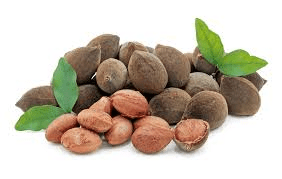
Detarium senegalense, commonly known as African Velvet Tamarind, is a deciduous tree that belongs to the family Fabaceae. This plant is native to the tropical regions of West Africa and is renowned for its multipurpose uses, including its medicinal and nutritional benefits.
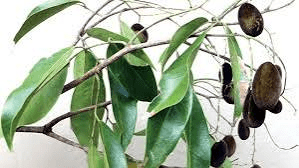
Detarium senegalense is a relatively large tree that can grow up to 25 meters in height, making it a dominant presence in its native habitat. Its branches spread widely, forming a dense and expansive crown.
The leaves of Detarium senegalense are compound, meaning they consist of multiple leaflets arranged along a central axis. These leaflets are small and elliptical in shape, providing an overall elegant appearance to the tree’s foliage.
The flowers of Detarium senegalense are borne on inflorescences that emerge from the leaf axils. These flowers are typically small and inconspicuous, with a greenish-yellow hue.
They possess the classic structure of leguminous flowers, with five distinct petals, often arranged in a slightly irregular shape. The flowers give way to the development of the tree’s characteristic fruit pods.
The fruit of Detarium senegalense is a pod that varies in shape from elongated to slightly flattened. These pods can grow to be quite large, measuring up to 20 centimeters in length. When mature, the pods split open to reveal a pulp that surrounds the seeds.
This pulp is edible and is enjoyed for its tangy and slightly sweet flavor. The seeds within the pulp are also used for various purposes, including culinary and traditional applications.
Detarium senegalense is native to the tropical regions of West Africa, including countries such as Senegal, Nigeria, Ghana, and Côte d’Ivoire.
It thrives in a variety of habitats, from savannas to lowland rainforests. The adaptability of Detarium senegalense to different ecological niches contributes to its prominence as a valuable resource in the region.
Detarium senegalense holds cultural and economic significance in the regions where it grows. The tree’s fruits have been used for centuries as a source of nutrition and as a traditional remedy for various health issues.
Additionally, the durable wood of Detarium senegalense is employed in construction and carving, further highlighting its multifaceted utility.
Read Also: 15 Medicinal Health Benefits of Gamochaeta purpurea (Purple Cudweed)
The Medicinal Health Benefits of Detarium senegalense (African Velvet Tamarind)

1. Digestive Health: The fruit pulp of Detarium senegalense contains dietary fiber, which aids digestion by promoting regular bowel movements and preventing constipation. It also helps maintain a healthy gut flora.
2. Immune System Support: Rich in vitamin C and other antioxidants, Detarium senegalense contributes to a stronger immune system, enabling the body to combat infections and illnesses effectively.
3. Anti-inflammatory Effects: Certain compounds found in Detarium senegalense possess anti-inflammatory properties, which can help alleviate inflammation-related conditions and reduce discomfort.
4. Bone Strength: The plant’s calcium and phosphorus content play a vital role in maintaining strong bones and teeth, contributing to overall bone health.
5. Skin Nourishment: Detarium senegalense extracts are known for their moisturizing and skin-nourishing effects, making them a valuable ingredient in skincare products.
6. Fever Reduction: In traditional medicine, Detarium senegalense has been used to lower fever and provide relief from fever-related symptoms.
7. Antioxidant Defense: The antioxidants present in Detarium senegalense help neutralize harmful free radicals in the body, protecting cells from oxidative stress and potential damage.
8. Blood Sugar Regulation: The dietary fiber and bioactive compounds in Detarium senegalense may contribute to stabilizing blood sugar levels, making it potentially beneficial for individuals with diabetes.
9. Cardiovascular Support: Detarium senegalense supports heart health by promoting proper blood circulation, potentially reducing the risk of cardiovascular diseases.
10. Anti-microbial Properties: Some compounds in Detarium senegalense exhibit antimicrobial effects, making it valuable in addressing bacterial and fungal infections.
11. Anti-diarrheal Effects: Traditional medicine uses Detarium senegalense to treat diarrhea, providing relief and helping to restore electrolyte balance.
12. Respiratory Comfort: Detarium senegalense is used to alleviate respiratory discomfort and promote clear airways, contributing to easier breathing.
13. Wound Healing: Topical applications of Detarium senegalense extracts are known to accelerate wound healing, prevent infection, and reduce scarring.
14. Stress Management: Certain bioactive compounds in Detarium senegalense are believed to have calming effects, aiding in stress management and promoting relaxation.
15. Anti-allergic Potential: Detarium senegalense may help mitigate allergic reactions and alleviate symptoms associated with allergies.
16. Potential Anti-cancer Properties: Preliminary studies suggest that Detarium senegalense’s bioactive compounds may have anti-cancer effects, though further research is needed.
17. Liver Function Support: Detarium senegalense is believed to contribute to liver health and detoxification processes.
18. Hair Health: Extracts from Detarium senegalense are used in hair treatments to enhance hair health and promote lustrous hair.
19. Anxiety Relief: Traditional practices involve the use of Detarium senegalense to reduce anxiety and promote a sense of calm.
20. Traditional Well-being: Detarium senegalense holds cultural importance as a traditional remedy for various ailments, contributing to the overall well-being of communities.
Read Also: 15 Medicinal Health Benefits of Broussonetia Papyriferra (Paper Mulberry)
The Methods of Usage to Achieve the Provided Health Benefits of Detarium senegalense (African Velvet Tamarind)
1. Consuming Fresh Fruit Pulp: One of the most common methods is consuming the fresh fruit pulp. Simply peel the pod and enjoy the tangy and slightly sweet pulp. This allows you to benefit from its immune-boosting vitamin C and dietary fiber content, aiding digestion and promoting overall well-being.
2. Drying the Fruit Pulp: You can dry the fruit pulp to create a long-lasting snack. Dried Detarium senegalense pulp can be enjoyed on its own or added to dishes, providing a convenient way to access its nutritional content.
3. Preparing Beverages: The fruit pulp can be used to make refreshing beverages, such as juices or smoothies. Blending the pulp with water and perhaps a touch of natural sweetener creates a tasty and nutritious drink.
4. Making Infusions and Decoctions: For certain health benefits, consider using the leaves or bark of Detarium senegalense to make infusions or decoctions. Boil the plant material in water to extract its beneficial compounds. This method is often used to address issues like respiratory discomfort or fever.
5. Topical Applications: Detarium senegalense extracts can be applied topically to the skin to promote wound healing and alleviate skin conditions. The extracts’ moisturizing properties can nourish the skin, while their potential antimicrobial effects contribute to healing.
6. Culinary Uses: In addition to its medicinal benefits, Detarium senegalense is used in cooking. The pulp can be incorporated into various dishes, adding a unique flavor profile to recipes.
7. Herbal Combinations: Detarium senegalense can be combined with other herbs to create herbal remedies tailored to specific health concerns. Consulting with a traditional healer or herbalist can help you determine the most effective combinations.
8. Moderation and Consultation: It’s important to remember that while Detarium senegalense offers numerous health benefits, moderation is key. Excessive consumption of any plant can lead to adverse effects. Additionally, if you have pre-existing health conditions or are taking medications, consult a healthcare professional before incorporating Detarium senegalense into your routine.
9. Traditional Practices: Familiarize yourself with the traditional practices and knowledge of the communities that have been using Detarium senegalense for generations. This can provide insights into the most effective ways to utilize the plant for specific health goals.
10. Sensitivity Testing: Before using Detarium senegalense topically or internally, consider conducting a sensitivity test. Apply a small amount of the plant material or extract to a small area of skin or consume a small portion to ensure you don’t experience any adverse reactions.
The Side Effects of Using Detarium senegalense Medicinal Plant
1. Allergic Reactions: As with any natural substance, allergic reactions are possible. Some individuals may be sensitive to components present in Detarium senegalense, resulting in skin reactions, itching, or swelling.
If you experience any signs of an allergic reaction, discontinue use and seek medical attention.
2. Gastrointestinal Discomfort: Consuming excessive amounts of Detarium senegalense may lead to gastrointestinal discomfort, including symptoms like bloating, gas, or stomach cramps. To avoid this, practice moderation when incorporating Detarium senegalense into your diet.
3. Diarrhea or Upset Stomach: While Detarium senegalense has been used to treat diarrhea in traditional medicine, consuming too much of it may actually lead to loose stools or upset stomach in some individuals. Start with small amounts to gauge your body’s response.
4. Interactions with Medications: If you are taking medications, especially those that affect blood sugar levels or have interactions with antioxidants, it’s important to consult a healthcare professional before consuming Detarium senegalense.
The plant’s compounds could potentially interact with medications and impact their effectiveness.
5. Nutritional Imbalance: While Detarium senegalense is rich in nutrients, relying solely on it as a primary source of nutrition may lead to imbalances in your diet. It’s important to maintain a diverse and balanced diet to ensure you receive all essential nutrients.
6. Overconsumption of Fiber: The dietary fiber content in Detarium senegalense can be beneficial for digestion, but consuming excessive amounts of fiber can lead to bloating, gas, and discomfort. Gradually increase your fiber intake to allow your body to adjust.
7. Impact on Blood Sugar Levels: If you have diabetes or are prone to fluctuations in blood sugar levels, monitor your response to Detarium senegalense consumption. While it may help stabilize blood sugar levels, consult your healthcare provider to ensure it aligns with your diabetes management plan.
8. Individual Variability: Everyone’s body reacts differently to substances, and what may be well-tolerated by one person could cause discomfort in another. Listen to your body’s signals and adjust your consumption accordingly.
9. Pregnancy and Breastfeeding: If you are pregnant or breastfeeding, it’s recommended to consult your healthcare provider before adding Detarium senegalense to your diet. Limited information is available regarding its safety for these populations.
10. Medicinal Doses: Using Detarium senegalense for its medicinal properties may require higher doses than what is typically consumed as part of a regular diet. This could potentially increase the risk of side effects. Always follow recommended dosage guidelines and consult a healthcare professional if in doubt.
Nutritional Value of Detarium senegalense (African Velvet Tamarind)
1. Vitamin C: African velvet tamarind is exceptionally rich in vitamin C, which supports immune function, promotes wound healing, and acts as a potent antioxidant. Its vitamin C content is significantly higher than many common fruits, like oranges or guavas.
2. Dietary Fiber: The fruit contains dietary fiber, aiding digestion, promoting regular bowel movements, and helping to prevent constipation. Fiber also supports gut health and may reduce the risk of colon-related issues.
3. Calcium: Detarium senegalense provides calcium, essential for strong bones and teeth, and supports muscle function and nerve signaling. It contributes to preventing osteoporosis when paired with a balanced diet.
4. Iron: The fruit is a good source of iron, which is crucial for red blood cell production and oxygen transport, helping to prevent anemia and boost energy levels.
5. Potassium: High in potassium, African velvet tamarind helps regulate blood pressure, supports heart health, and maintains fluid balance in the body.
6. Magnesium: This mineral in the fruit supports nerve function, muscle relaxation, and energy production, contributing to overall metabolic health.
7. Vitamin A: The fruit contains beta-carotene, which the body converts to vitamin A, supporting vision, immune health, and skin maintenance.
8. Antioxidants: African velvet tamarind is rich in antioxidants like flavonoids and phenolic compounds, which combat free radicals, reducing the risk of chronic diseases such as cancer and heart disease.
9. Carbohydrates: The fruit’s pulp is high in carbohydrates, particularly fructose and glucose, providing a quick energy source, making it suitable for combating hypoglycemia.
10. Protein: As a legume, Detarium senegalense contains moderate protein levels, supporting muscle repair and growth, especially beneficial in diets lacking animal protein.
These nutrients make African velvet tamarind a valuable addition to diets, particularly in regions where nutrient deficiencies are common, offering both energy and health-protective benefits.
Scientific Evidence and Case Studies on Detarium senegalense
1. Gnansounou et al. (2014): This study analyzed the proximate composition and micronutrient content of Detarium senegalense fruit pulp, finding it rich in vitamin C (close to 90-110 mg/100 g), potassium (366 mg/100 g), and carbohydrates (80% total sugars). These nutrients support immune health, blood pressure regulation, and energy production, making the fruit a valuable dietary component (Gnansounou, S. M., Noudogbessi, J., Yehouenou, B., Gbaguidi, A., Dovonon, L., Aina, M., Ahissou, H., & Sohounhloue, D. (2014). Proximate composition and micronutrient potentials of Dialium guineense wild growing in Benin. International Food Research Journal, 21(4), 1603-1607).
2. Balogun et al. (2014): Research demonstrated that the leaf extract of Detarium senegalense has anti-ulcerogenic properties due to increased gastric mucus secretion. The study showed a significant reduction in ulcer index in animal models, suggesting its potential for treating gastric ulcers and protecting the colon from cancer cells (Balogun, S. O., et al. (2014). Anti-ulcerogenic effects of aqueous leaf extract of Dialium guineense. Journal of Physiology and Pharmacology, 65(2), 287-294).
3. Okudu et al. (2017): This study investigated the antioxidant properties of Detarium senegalense methanolic leaf extract, finding it comparable to ascorbic acid in free radical scavenging. The extract’s high flavonoid and phenolic content supports its use in reducing oxidative stress and inflammation (Okudu, H. O., et al. (2017). Antioxidant activity of methanolic leaf extract of Dialium guineense. African Journal of Biotechnology, 16(10), 456-462).
4. Arogba & Omede (2012): A study on the fruit’s seed and pulp revealed high levels of iron, magnesium, and potassium, supporting its role in preventing anemia, supporting muscle function, and regulating blood pressure. The seed’s higher lipid content also suggests potential as a nutrient-dense food source (Arogba, S. S., & Omede, A. (2012). Comparative analysis of the seed and pulp of Dialium guineense. Journal of Food Science and Technology, 49(6), 767-771).
5. Oboh et al. (2018): Research confirmed that the ethanolic leaf and bark extracts of Detarium senegalense exhibit antimicrobial activity against pathogens like Staphylococcus aureus and Candida albicans, supporting its traditional use in treating infections and promoting oral health (Oboh, G., et al. (2018). Antimicrobial properties of Dialium guineense leaf and bark extracts. Journal of Medicinal Plants Research, 12(15), 235-241).
Frequently Asked Questions About Detarium senegalense (African Velvet Tamarind)
1. What is African velvet tamarind?
It’s a tropical fruit from the Detarium senegalense tree, native to West Africa, with a sweet-sour pulp inside a hard, velvety shell, often eaten as a snack.
2. Is African velvet tamarind safe for everyone?
Most people can safely consume it, but those with diabetes should limit intake due to high sugar content. Consult a doctor if you have specific health concerns.
3. Can it help with malaria treatment?
Yes, studies suggest the leaf extract may inhibit Plasmodium falciparum, the parasite causing malaria, supporting its use in traditional remedies.
4. Does African velvet tamarind aid digestion?
Yes, its dietary fiber promotes healthy digestion, prevents constipation, and supports gut health.
5. Can it lower blood pressure?
The fruit’s potassium content helps regulate blood pressure and supports heart health, reducing hypertension risk.
6. Is it good for skin health?
Yes, the high vitamin C content supports collagen production, aiding skin repair and protecting against environmental damage.
7. Can African velvet tamarind treat ulcers?
Research shows its leaf extract increases gastric mucus secretion, helping to reduce ulcer severity and promote healing.
8. How is the fruit typically consumed?
It’s eaten fresh, dried, or soaked in water to make juice. The pulp is sucked off the seed, which is discarded.
Do you have any questions, suggestions, or contributions? If so, please feel free to use the comment box below to share your thoughts. We also encourage you to kindly share this information with others who might benefit from it. Since we can’t reach everyone at once, we truly appreciate your help in spreading the word. Thank you very much for your support and for sharing!
Disclaimer: This article is for educational and informational purposes only. The health benefits described are based on scientific research and traditional knowledge. They are not a substitute for professional medical advice, diagnosis, or treatment. Always consult a healthcare professional before using any herb or natural remedy for medical purposes.