


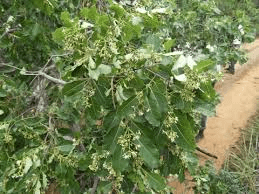
Diplorhynchus condylocarpon is commonly known as the Disk Bush or Wheel Bush. These names are derived from the distinctive flattened, disc-like fruits (condylocarps) that the plant produces.
Diplorhynchus condylocarpon is a plant species characterized by distinct botanical features. It is a woody shrub or small tree that belongs to the botanical family Fabaceae, subfamily Caesalpinioideae. This species is native to certain regions of Africa, particularly Sudan and Ethiopia.
The leaves of Diplorhynchus condylocarpon are compound, alternate, and pinnately divided. Each leaf consists of several leaflets arranged in a feather-like manner along the central axis. The leaflets are elliptical to lanceolate in shape, with a glossy green color, and they exhibit an alternate arrangement along the rachis.
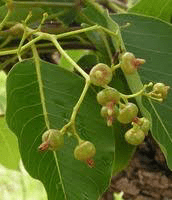
The flowers of Diplorhynchus condylocarpon are borne in racemes, which are elongated clusters of flowers that emerge from the leaf axils. The flowers are usually vibrant in colour, ranging from shades of yellow to orange.
Each flower has five petals, which are often asymmetrical and have unique shapes that contribute to the plant’s visual appeal.
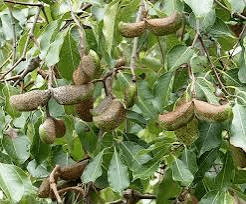
One of the distinguishing features of Diplorhynchus condylocarpon is its unique fruit structure. The fruits are distinctive and are known for their flattened, disc-like appearance.
These disc-shaped fruits are often referred to as condylocarps. The condylocarps have a woody texture and contain seeds within them.
Diplorhynchus condylocarpon typically grows in arid or semi-arid regions with well-drained soils. It is often found in open woodlands, savannas, and scrublands. The plant is adapted to withstand dry conditions and is well-suited to environments with limited water availability.
This plant species can play a role in its ecosystem by providing habitat and food sources for various organisms.
Additionally, its unique fruit structure and colourful flowers might contribute to pollination interactions with specific pollinators, which could include insects or birds.
Read Also: 20 Medicinal Health Benefits of Alafia landolphioides (Alafia)
The Medicinal Health Benefits of Diplorhynchus condylocarpon (Disk Bush)
1. Digestive Aid: Diplorhynchus condylocarpon has been used to alleviate digestive discomforts such as bloating, indigestion, and mild stomach upset. Its soothing properties can promote smoother digestion.
2. Anti-Inflammatory Properties: The plant’s anti-inflammatory compounds may help reduce inflammation-related issues, making it a potential natural remedy for conditions like arthritis or minor joint discomfort.
3. Immune System Support: Regular consumption of Diplorhynchus condylocarpon might bolster the immune system, assisting the body in its defense against common infections and illnesses.
4. Respiratory Relief: For those struggling with respiratory issues like coughs or congestion, this plant could provide relief due to its reported respiratory-supporting properties.
5. Antioxidant Protection: Rich in antioxidants, Diplorhynchus condylocarpon aids in neutralizing harmful free radicals, potentially reducing the risk of cellular damage and promoting overall health.
6. Cardiovascular Health: Compounds found in this plant might have a positive impact on cardiovascular health by supporting healthy circulation and heart function.
7. Stress Reduction: Diplorhynchus condylocarpon’s mild relaxing effects may offer relief from stress and anxiety, contributing to a sense of calm and well-being.
8. Skin Health: Topical application of Diplorhynchus condylocarpon extracts could promote healthy skin and provide relief from minor skin irritations.
9. Blood Sugar Regulation: Some studies suggest that this plant might play a role in helping to regulate blood sugar levels, making it potentially beneficial for those managing diabetes.
10. Joint Comfort: Its anti-inflammatory nature could extend to supporting joint health, offering comfort to individuals dealing with joint-related concerns.
11. Fever Management: Diplorhynchus condylocarpon has been traditionally used to help manage mild fevers by promoting sweating and aiding the body’s natural cooling mechanisms.
12. Wound Healing: External application of Diplorhynchus condylocarpon preparations may aid in wound healing, thanks to its reported antibacterial and anti-inflammatory properties.
13. Digestive Harmony: Regular usage could help regulate digestion, promoting a balanced and comfortable digestive system.
14. Mood Enhancement: Certain compounds present in the plant might have mood-enhancing effects, contributing to emotional well-being.
15. Kidney Support: In some traditional practices, Diplorhynchus condylocarpon has been used as a kidney tonic, potentially supporting kidney health.
16. Anti-parasitic Properties: The plant’s properties may aid in combating certain parasites, contributing to overall wellness.
17. Anti-allergic Potential: It might provide relief from mild allergic reactions and sensitivities due to its reported anti-allergic effects.
18. Liver Function Support: Diplorhynchus condylocarpon could support liver function and assist in detoxification processes within the body.
19. Bone Health: Certain components may contribute to maintaining strong and healthy bones, promoting skeletal well-being.
20. Antimicrobial Abilities: Its antimicrobial properties could assist in fending off various pathogens, contributing to overall health.
Read Also: 13 Medicinal Health Benefits of Basil (Ocimum Basillicum)
The Methods of Usage to Achieve the Provided Health Benefits of Diplorhynchus condylocarpon (Disk Bush)
1. Herbal Infusion: Creating a herbal infusion from dried Diplorhynchus condylocarpon leaves is a classic way to enjoy its benefits. To make an infusion, boil water and let it cool slightly.
Place a tablespoon of dried Diplorhynchus condylocarpon leaves in a cup. Pour the hot water over the leaves and cover the cup. Let the leaves steep for about 10-15 minutes. Strain and enjoy the soothing herbal tea.
2. Topical Application: For skin-related issues or wound healing, you can prepare a topical application using Diplorhynchus condylocarpon extracts. Crush fresh or dried leaves to extract the plant’s juice.
Apply the juice directly to the affected area. Gently massage or cover the area with a clean cloth. Repeat as needed for relief and healing.
3. Powdered Form: Drying and grinding Diplorhynchus condylocarpon leaves into a fine powder allows for versatile consumption. Grind dried leaves to create a fine powder using a mortar and pestle or a grinder.
Add a small amount of the powdered herb to your favorite dishes, smoothies, or beverages. This method enables you to incorporate the plant’s benefits into your daily diet.
4. Tinctures: Alcohol-based tinctures provide a concentrated form of Diplorhynchus condylocarpon’s beneficial compounds. To prepare, fill a glass jar with dried Diplorhynchus condylocarpon leaves. Pour alcohol (such as vodka or rum) over the leaves to cover them completely.
Seal the jar and let it sit for several weeks in a cool, dark place. Shake the jar daily to aid in the extraction process. Strain the liquid and store it in a dropper bottle. Dilute a few drops of the tincture in water and consume as directed.
5. Steam Inhalation: For respiratory relief, steam inhalation can be effective. Here’s how to perform steam inhalation using Diplorhynchus condylocarpon. Boil water in a pot and transfer it to a bowl.
Add a handful of fresh or dried Diplorhynchus condylocarpon leaves to the hot water. Lean over the bowl, covering your head with a towel to create a tent. Inhale the steam for 5-10 minutes, allowing the plant’s beneficial compounds to reach your respiratory system.
The Side Effects of Using Diplorhynchus condylocarpon Medicinal Plant
1. Allergic Reactions: Just like with any natural substance, allergic reactions can occur. If you have a known allergy to plants in the same family as Diplorhynchus condylocarpon or experience symptoms like itching, rash, hives, or swelling after use, discontinue its use immediately and seek medical attention.
2. Digestive Upset: Consuming excessive amounts of Diplorhynchus condylocarpon could lead to digestive discomfort, including nausea, stomach cramps, or diarrhea. It’s advisable to use this plant in moderation and monitor your body’s response.
3. Interaction with Medications: If you are taking prescription medications, Diplorhynchus condylocarpon could potentially interact with them, affecting their efficacy or causing unwanted effects.
Consult your healthcare provider before using this plant, especially if you are on medications for chronic conditions.
4. Photosensitivity: Some plants, including Diplorhynchus condylocarpon, might increase sensitivity to sunlight. If you notice increased sunburn or skin irritation after using products containing this plant, take precautions when exposed to sunlight.
5. Not Suitable for Certain Groups: Pregnant and breastfeeding individuals, as well as those with underlying health conditions such as liver or kidney problems, should exercise caution when using Diplorhynchus condylocarpon. Consult a healthcare professional before incorporating it into your routine.
6. Interaction with Other Herbs: Combining Diplorhynchus condylocarpon with other herbs or supplements could lead to unpredictable interactions. If you are using multiple herbal remedies, consult a healthcare provider to ensure their compatibility.
7. Lack of Standardization: The quality and potency of herbal preparations can vary widely. Be cautious when purchasing or preparing Diplorhynchus condylocarpon products and ensure they are from reputable sources.
8. Overconsumption: Using excessive amounts of Diplorhynchus condylocarpon may lead to unintended effects or overdose. Follow recommended dosages and guidelines provided by healthcare professionals or reputable sources.
Nutritional Value of Diplorhynchus condylocarpon (Disk Bush)
1. Polyphenols: The leaves, stem bark, and roots of Diplorhynchus condylocarpon are rich in polyphenols, which are bioactive compounds known for their antioxidant properties. These help neutralize free radicals, potentially reducing oxidative stress in the body.
2. Flavonoids: The plant contains high levels of flavonoids, particularly in the leaves (129.402 mg QE/g), followed by roots and stem bark. Flavonoids contribute to anti-inflammatory and antioxidant effects, supporting overall health.
3. Alkaloids: Preliminary phytochemical screening has identified alkaloids in the plant. These compounds may have pharmacological effects, such as antimicrobial properties, though their nutritional role is minimal.
4. Tannins: Tannins are present in Diplorhynchus condylocarpon and may aid in digestion by binding to proteins and reducing oxidative damage in the gut, though excessive consumption can interfere with nutrient absorption.
5. Saponins: The plant contains saponins, which have potential cholesterol-lowering effects and may support immune function, but their nutritional benefits are limited due to possible toxicity in high doses.
6. Terpenoids: Terpenoids, found in the plant’s extracts, contribute to its antimicrobial and anti-inflammatory properties, which may indirectly support health by combating infections.
7. Glycosides: Glycosides are present in Diplorhynchus condylocarpon and may have cardiovascular benefits, though their specific nutritional impact is not well-studied in this plant.
8. Phenolic Compounds: The total phenolic content is highest in the leaves, followed by roots and stem bark. These compounds are linked to antioxidant activity, which may protect cells from damage.
9. Trace Minerals: The plant contains trace amounts of minerals like zinc, iron, and manganese, though levels of toxic metals like cadmium and chromium may exceed safe limits, posing risks if consumed excessively.
10. Carbohydrates: The plant’s roots and stem may contain small amounts of carbohydrates, providing a minor energy source, though not significant enough for dietary reliance.
Scientific Evidence and Case Studies on Diplorhynchus condylocarpon (Disk Bush)
1. Antioxidant Activity: Mwitwa et al. (2023) conducted a phytochemical screening of Diplorhynchus condylocarpon using UHPLC-MS/MS, finding high polyphenolic and flavonoid content in leaf extracts (129.402 mg QE/g). The leaf extract showed strong DPPH radical scavenging activity (IC50 of 19.973 µg/mL), supporting its use in treating oxidative stress-related disorders like diabetes and chronic wounds. (Mwitwa, J., et al., 2023, UHPLC-MS/MS phytochemical screening, polyphenolic content and antioxidant potential of Diplorhynchus condylocarpon, Scientific Reports).
2. Metal Content and Health Risks: Mwitwa et al. (2024) analyzed metal concentrations in Diplorhynchus condylocarpon using ICP-OES. Cadmium and chromium levels in roots, bark, and leaves exceeded WHO/FAO safety limits (0.3 mg/kg for Cd, 25.0 mg/kg for Cr), indicating potential health risks from excessive consumption, despite low daily intake estimates for most metals. (Mwitwa, J., et al., 2024, Determination of metals in Diplorhynchus condylocarpon (Müll.Arg.) Pichon using ICP OES and health risk assessment, Toxicological & Environmental Chemistry).
These studies highlight the antioxidant potential of Diplorhynchus condylocarpon, particularly in its leaves, which may aid in managing oxidative stress-related conditions. However, the presence of toxic metals like cadmium and chromium raises concerns about its safety for regular consumption, limiting its practical use in herbal medicine.
Frequently Asked Questions About Diplorhynchus condylocarpon (Disk Bush)
1. What is Diplorhynchus condylocarpon used for?
It is used in Zambian traditional medicine to treat conditions like diabetes, chronic wounds, and diarrhea, primarily due to its antioxidant properties.
2. Is Diplorhynchus condylocarpon safe to consume?
While it has medicinal benefits, high levels of toxic metals like cadmium and chromium in the plant pose health risks if consumed excessively.
3. What are the main nutritional components of Diplorhynchus condylocarpon?
It contains polyphenols, flavonoids, alkaloids, tannins, and saponins, which contribute to its antioxidant and anti-inflammatory effects.
4. How is Diplorhynchus condylocarpon prepared for medicinal use?
The leaves, stem bark, or roots are typically macerated or boiled to extract bioactive compounds, but preparation must be done carefully to minimize toxicity.
5. Can Diplorhynchus condylocarpon help with diabetes?
Studies suggest its antioxidant properties may help manage oxidative stress related to diabetes, but more research is needed for clinical use.
6. Are there risks associated with Diplorhynchus condylocarpon?
Yes, excessive consumption may lead to exposure to toxic metals like cadmium, chromium, and aluminum, which can harm health.
7. Where is Diplorhynchus condylocarpon found?
It grows in regions from Congo to Tanzania and northern Namibia, primarily in seasonally dry tropical biomes.
8. Can Diplorhynchus condylocarpon be grown at home?
It can be grown in suitable climates, but its cultivation is uncommon due to its toxicity and specific environmental needs.
Do you have any questions, suggestions, or contributions? If so, please feel free to use the comment box below to share your thoughts. We also encourage you to kindly share this information with others who might benefit from it. Since we can’t reach everyone at once, we truly appreciate your help in spreading the word. Thank you very much for your support and for sharing!
Disclaimer: This article is for educational and informational purposes only. The health benefits described are based on scientific research and traditional knowledge. They are not a substitute for professional medical advice, diagnosis, or treatment. Always consult a healthcare professional before using any herb or natural remedy for medical purposes.
Read Also: Collective Farming: The Key to Sustainable Food Systems