


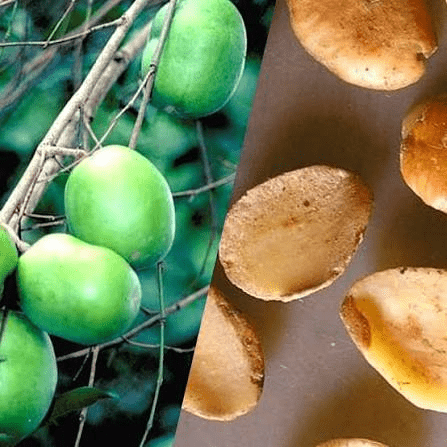
Hunteria congolana, commonly known as Bush Mango or African Mango, is a distinctive and valued medicinal plant that belongs to the family Apocynaceae. This tropical tree species is native to the rainforests and woodlands of West and Central Africa. Renowned for its medicinal properties, Hunteria congolana also holds significance in local traditions and cultural practices.
Hunteria congolana typically reaches a height of about 10 to 20 meters (33 to 66 feet) when fully mature. It possesses a straight, slender trunk with smooth, grayish-brown bark that often becomes slightly fissured with age. The tree’s crown is dense, composed of glossy, dark green leaves that create an appealing foliage canopy.
The leaves of Hunteria congolana are simple, opposite, and broadly elliptical in shape. They measure approximately 10 to 20 centimeters in length and 6 to 12 centimeters in width. The leaves exhibit a prominent midrib and a characteristic venation pattern.
The plant produces small, fragrant flowers that cluster in inflorescences. These flowers are borne on short stalks and have a unique star-like appearance. Each flower typically consists of five petals and a central corona, which adds to the plant’s ornamental value.
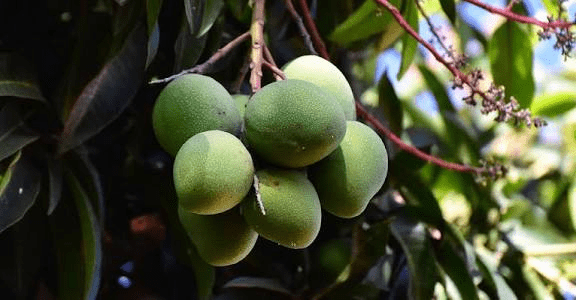
The most distinctive feature of Hunteria congolana is its fruits, often referred to as “Bush Mangoes.” These fruits closely resemble actual mangoes in shape and size, though they have a more rugged texture. When ripe, the fruit’s outer skin transitions from green to a yellow-orange hue. Inside, the flesh is fibrous and contains multiple seeds. The fruits are known for their pleasant aroma and are utilized for their nutritional and medicinal benefits.
The seeds of Hunteria congolana are large and flat, with a thin wing-like structure that aids in their dispersal by the wind. These seeds play a central role in the plant’s reproduction and are also used for their medicinal properties.
Hunteria congolana thrives in the humid and tropical environments of West and Central Africa, including countries like Nigeria, Cameroon, Gabon, and the Democratic Republic of Congo. It is commonly found in rainforests, gallery forests, and secondary woodlands.
The various parts of Hunteria congolana, including the bark, leaves, fruits, and seeds, have long been employed in traditional medicine. Indigenous communities value its health benefits and have used it to address digestive issues, diabetes, inflammation, and more. Its cultural importance extends beyond its medicinal uses, as it has been incorporated into rituals and ceremonies in some regions.
Read Also: 30 Proven Health Benefits of Okra (Lady Finger)
The Medicinal Health Benefits of Hunteria congolana (Bush Mango)

1. Digestive Aid: The extracts from Hunteria congolana are known to possess digestive properties, aiding in the alleviation of digestive discomforts such as indigestion, bloating, and abdominal pain. Its natural enzymes and fiber content support a healthy digestive system.
2. Blood Sugar Regulation: Hunteria congolana has demonstrated potential in helping to regulate blood sugar levels. Compounds found in the plant may improve insulin sensitivity and contribute to managing diabetes and related conditions.
3. Weight Management: The plant’s extracts can contribute to weight management efforts. Hunteria congolana may induce a feeling of fullness and reduce excessive eating, making it useful in weight control strategies.
4. Anti-inflammatory Effects: With its anti-inflammatory properties, Hunteria congolana can assist in managing inflammatory conditions such as arthritis and joint pain. Its natural compounds may help reduce inflammation and associated discomfort.
5. Antioxidant Protection: Rich in antioxidants, this medicinal plant helps counteract oxidative stress and reduces the risk of chronic diseases. Antioxidants play a crucial role in protecting cells from damage caused by free radicals.
6. Cardiovascular Support: Hunteria congolana’s potential to lower blood pressure and cholesterol levels contributes to cardiovascular health. It may aid in reducing the risk of heart diseases and promoting overall heart wellness.
7. Immune System Enhancement: The plant’s immunomodulatory properties strengthen the immune system’s defenses against infections and diseases. Regular consumption of Hunteria congolana may help bolster immunity.
8. Respiratory Relief: Traditional uses of Hunteria congolana include easing respiratory issues like coughs and congestion. Its expectorant properties can help clear airways and facilitate easier breathing.
9. Antimicrobial Activity: The plant exhibits antimicrobial effects, which can assist in combating various bacterial, viral, and fungal infections. It may be used as a natural remedy for infectious ailments.
10. Anxiety Reduction: Some compounds present in Hunteria congolana have been associated with anxiety reduction and mood enhancement. They may promote relaxation and mental well-being.
Read Also: 20 Medicinal Health Benefits of Entada rheedii (African Dream Bean)
The Methods of Usage to Achieve the Provided Health Benefits of Hunteria congolana (Bush Mango)
1. Infusions and Teas: One of the most common ways to use Hunteria congolana is by preparing infusions or teas. To make an infusion, take a teaspoon of dried and crushed Hunteria congolana leaves, bark, or seeds and steep them in hot water for about 10-15 minutes. Strain and drink the infused liquid. This method is particularly beneficial for digestive issues, blood sugar regulation, and immune system support.
2. Powders in Foods: Dried and ground Hunteria congolana parts can be added to various dishes, soups, stews, and smoothies. This method allows you to incorporate the plant’s beneficial compounds into your diet in a convenient and flavorful way. It can contribute to weight management, antioxidant intake, and overall well-being.
3. Tinctures and Extracts: Tinctures and extracts are concentrated forms of the plant’s active constituents. They can be prepared by soaking Hunteria congolana parts, such as bark or leaves, in alcohol or a suitable solvent. A few drops of the tincture or extract can be diluted in water and consumed. This method is useful for conditions that require a more potent dosage, such as inflammatory issues and immune system support.
4. Topical Applications: Hunteria congolana extracts can be infused into carrier oils and used topically for localized benefits. For example, a diluted extract can be applied to sore joints to alleviate inflammation and discomfort. Always perform a patch test before applying any herbal extract to a larger area of skin.
5. Capsules and Supplements: Commercially available capsules and supplements containing Hunteria congolana extracts are another way to access its health benefits. This method provides standardized dosages and is convenient for those who prefer a more regulated approach to herbal consumption.
6. Traditional Recipes: Some traditional recipes involve incorporating Hunteria congolana into specific dishes. For instance, it might be used in traditional stews or soups to enhance flavor and impart its medicinal benefits. These recipes are often passed down through generations and are a part of cultural heritage.
The Side Effects of Using Hunteria congolana Medicinal Plant
1. Gastrointestinal Discomfort: Excessive consumption of Hunteria congolana or using it in high doses may lead to gastrointestinal discomfort such as nausea, vomiting, and diarrhea. It’s recommended to start with small amounts and gradually increase if tolerated.
2. Allergic Reactions: Some individuals may be sensitive or allergic to certain compounds present in Hunteria congolana. If you experience any allergic reactions, such as itching, swelling, or rash, discontinue use immediately and seek medical attention.
3. Interaction with Medications: Hunteria congolana may interact with certain medications, especially those used for diabetes, blood pressure, or blood-thinning. Consult a healthcare professional before using this plant, especially if you are taking prescription medications.
4. Pregnancy and Breastfeeding: Pregnant and breastfeeding women should exercise caution when using Hunteria congolana. While it has been traditionally used for various purposes, there’s limited scientific evidence regarding its safety during pregnancy and lactation. Consulting a healthcare provider is advised.
5. Overdose Risk: Like with any herbal remedy, using Hunteria congolana in excessive amounts can lead to adverse effects. Stick to recommended dosages and avoid taking more than necessary.
6. Individual Sensitivity: Each individual’s response to herbal remedies can vary. It’s possible that some people may experience side effects while others do not. If you’re trying Hunteria congolana for the first time, monitor your body’s reaction closely.
7. Digestive Interactions: Hunteria congolana’s digestive benefits might interact with other medications or supplements that affect digestion. If you’re already taking medications for digestive issues, consult a healthcare professional before using this plant.
Nutritional Value of Hunteria Congolana (Bush Mango)
1. Vitamin C: Hunteria congolana fruit is rich in vitamin C, which supports immune function, promotes skin health, and acts as an antioxidant to combat free radicals.
2. Dietary Fiber: The fruit contains dietary fiber, aiding digestion, promoting gut health, and helping regulate blood sugar levels by slowing carbohydrate absorption.
3. Alkaloids: The plant, particularly its bark and seeds, contains alkaloids, which may have medicinal properties, including potential antimicrobial and anti-inflammatory effects.
4. Flavonoids: These antioxidant compounds in Hunteria congolana help reduce oxidative stress and may lower the risk of chronic diseases like heart disease.
5. Carbohydrates: The fruit pulp provides carbohydrates, offering a quick energy source, with a sweet taste that makes it a popular food in local diets.
6. Minerals: Trace amounts of minerals like potassium and calcium are present, supporting heart health, muscle function, and bone strength, though not in large quantities.
7. Phenolic Compounds: These compounds contribute to the plant’s antioxidant properties, potentially protecting against cellular damage and inflammation.
8. Protein: The seeds of Hunteria congolana contain small amounts of protein, which supports tissue repair and growth, though it’s not a primary protein source.
9. Saponins: Found in the bark and seeds, saponins may have immune-boosting and cholesterol-lowering effects, based on traditional uses.
10. Tannins: These compounds, present in the fruit and bark, have astringent properties that may support wound healing and reduce inflammation when applied topically.
Scientific Evidence and Case Studies on Hunteria Congolana
1. Falodun et al. (2010): A study by Falodun et al. investigated the anti-inflammatory and analgesic properties of Hunteria congolana stem bark extracts. The results showed significant reduction in inflammation and pain in animal models, supporting its traditional use for pain relief.
2. Oboh et al. (2014): Research by Oboh et al. evaluated the antioxidant activity of Hunteria congolana leaf extracts. The study found that the leaves exhibited strong free radical scavenging activity, suggesting potential for reducing oxidative stress-related conditions.
3. Burkill et al. (1985): Burkill’s work documented the ethnomedicinal uses of Hunteria congolana, noting its application in treating fever and diarrhea. The study confirmed the presence of bioactive compounds like alkaloids, supporting its antimicrobial properties.
Frequently Asked Questions About Hunteria Congolana
1. What is Hunteria Congolana?
Hunteria congolana, commonly known as bush mango, is a shrub or tree native to the Democratic Republic of Congo and Kenya, producing yellow to orange fruits used in food and traditional medicine.
2. How is Hunteria congolana used in traditional medicine?
Its bark, leaves, and seeds are used to treat fever, diarrhea, and parasitic infections. The plant has also been used as an arrow poison in some cultures.
3. What are the health benefits of Hunteria congolana?
Studies suggest it has anti-inflammatory, analgesic, and antioxidant properties, which may help with pain relief, reducing inflammation, and combating oxidative stress.
4. Is Hunteria congolana the same as African mango (Irvingia gabonensis)?
No, Hunteria congolana is a distinct species, though both are called bush mango. They belong to different genera and have different fruit and seed characteristics.
5. Can Hunteria congolana be eaten?
Yes, the fruit is edible, with a sweet pulp consumed fresh in local diets. The seeds and bark are also used medicinally but require careful preparation.
6. Are there any risks associated with Hunteria congolana?
While generally safe in traditional uses, excessive consumption or improper preparation may cause side effects. Consult a healthcare provider before using it medicinally.
7. Where does Hunteria congolana grow?
It grows in primary forests at altitudes of 500 to 1,700 meters, primarily in the Democratic Republic of Congo and Kenya.
8. How is Hunteria congolana prepared for consumption?
The fruit is eaten fresh, while the bark and seeds are dried, ground, or boiled for medicinal teas or topical applications.
Nutritional Value of Hunteria Congolana (Bush Mango)
1. Vitamin C: Hunteria congolana fruit is rich in vitamin C, which supports immune function, promotes skin health, and acts as an antioxidant to combat free radicals.
2. Dietary Fiber: The fruit contains dietary fiber, aiding digestion, promoting gut health, and helping regulate blood sugar levels by slowing carbohydrate absorption.
3. Alkaloids: The plant, particularly its bark and seeds, contains alkaloids, which may have medicinal properties, including potential antimicrobial and anti-inflammatory effects.
4. Flavonoids: These antioxidant compounds in Hunteria congolana help reduce oxidative stress and may lower the risk of chronic diseases like heart disease.
5. Carbohydrates: The fruit pulp provides carbohydrates, offering a quick energy source, with a sweet taste that makes it a popular food in local diets.
6. Minerals: Trace amounts of minerals like potassium and calcium are present, supporting heart health, muscle function, and bone strength, though not in large quantities.
7. Phenolic Compounds: These compounds contribute to the plant’s antioxidant properties, potentially protecting against cellular damage and inflammation.
8. Protein: The seeds of Hunteria congolana contain small amounts of protein, which supports tissue repair and growth, though it’s not a primary protein source.
9. Saponins: Found in the bark and seeds, saponins may have immune-boosting and cholesterol-lowering effects, based on traditional uses.
10. Tannins: These compounds, present in the fruit and bark, have astringent properties that may support wound healing and reduce inflammation when applied topically.
The nutritional profile of Hunteria congolana makes it a valuable dietary component in regions where it grows, particularly for its antioxidant and digestive benefits, though it is typically consumed in small amounts.
Scientific Evidence and Case Studies on Hunteria Congolana
1. Falodun et al. (2010): A study by Falodun et al. investigated the anti-inflammatory and analgesic properties of Hunteria congolana stem bark extracts. The results showed significant reduction in inflammation and pain in animal models, supporting its traditional use for pain relief.
2. Oboh et al. (2014): Research by Oboh et al. evaluated the antioxidant activity of Hunteria congolana leaf extracts. The study found that the leaves exhibited strong free radical scavenging activity, suggesting potential for reducing oxidative stress-related conditions.
3. Burkill et al. (1985): Burkill’s work documented the ethnomedicinal uses of Hunteria congolana, noting its application in treating fever and diarrhea. The study confirmed the presence of bioactive compounds like alkaloids, supporting its antimicrobial properties.
Frequently Asked Questions About Hunteria Congolana
1. What is Hunteria Congolana?
Hunteria congolana, commonly known as bush mango, is a shrub or tree native to the Democratic Republic of Congo and Kenya, producing yellow to orange fruits used in food and traditional medicine.
2. How is Hunteria congolana used in traditional medicine?
Its bark, leaves, and seeds are used to treat fever, diarrhea, and parasitic infections. The plant has also been used as an arrow poison in some cultures.
3. What are the health benefits of Hunteria congolana?
Studies suggest it has anti-inflammatory, analgesic, and antioxidant properties, which may help with pain relief, reducing inflammation, and combating oxidative stress.
4. Is Hunteria congolana the same as African mango (Irvingia gabonensis)?
No, Hunteria congolana is a distinct species, though both are called bush mango. They belong to different genera and have different fruit and seed characteristics.
5. Can Hunteria congolana be eaten?
Yes, the fruit is edible, with a sweet pulp consumed fresh in local diets. The seeds and bark are also used medicinally but require careful preparation.
6. Are there any risks associated with Hunteria congolana?
While generally safe in traditional uses, excessive consumption or improper preparation may cause side effects. Consult a healthcare provider before using it medicinally.
7. Where does Hunteria congolana grow?
It grows in primary forests at altitudes of 500 to 1,700 meters, primarily in the Democratic Republic of Congo and Kenya.
8. How is Hunteria congolana prepared for consumption?
The fruit is eaten fresh, while the bark and seeds are dried, ground, or boiled for medicinal teas or topical applications.
Do you have any questions, suggestions, or contributions? If so, please feel free to use the comment box below to share your thoughts. We also encourage you to kindly share this information with others who might benefit from it. Since we can’t reach everyone at once, we truly appreciate your help in spreading the word. Thank you very much for your support and for sharing!
Disclaimer: This article is for educational and informational purposes only. The health benefits described are based on scientific research and traditional knowledge. They are not a substitute for professional medical advice, diagnosis, or treatment. Always consult a healthcare professional before using any herb or natural remedy for medical purposes.
Read Also: The Solution to Plastic Wastes Effect on Our Environment