


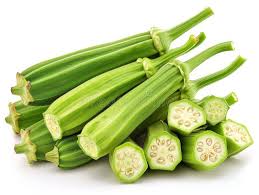
Lady finger, also known as okra, is a versatile vegetable enjoyed in cuisines worldwide for its unique texture, mild taste, and health-promoting properties. Known scientifically as Abelmoschus esculentus, lady finger belongs to the mallow family, and it thrives in tropical and subtropical regions where it’s cultivated as a staple.
Its popularity extends from Africa to Asia, the Middle East, and the Americas. What truly sets lady finger apart is its nutritional value, as it’s packed with vitamins, minerals, and fiber that contribute to numerous health benefits. In addition, its culinary adaptability makes it a prized vegetable that easily finds its place in both traditional and modern recipes.
Lady finger contains several key vitamins, notably vitamins C, K, and A. Vitamin C acts as a potent antioxidant that supports immune function, promoting a stronger defense against infections and inflammation. Vitamin K plays a crucial role in blood clotting, which is essential for wound healing, while also contributing to bone health.
Meanwhile, vitamin A supports vision and skin health, while also acting as an immune booster. Lady finger also provides a good source of folate, which is particularly important for pregnant women as it aids in fetal development.
Additionally, its mineral content includes calcium, magnesium, potassium, and iron, all essential for bodily functions like bone density, muscle function, and blood health. A key feature of lady finger’s nutritional profile is its high fiber content, with both soluble and insoluble types.
This fiber is invaluable in supporting digestive health, as it promotes regular bowel movements and may help alleviate digestive issues like constipation. The vegetable’s fiber content also helps stabilize blood sugar levels, a benefit particularly relevant for those managing diabetes.
By slowing the absorption of sugar, lady finger can help prevent spikes and dips in blood glucose, making it a beneficial addition to a diabetic-friendly diet. Additionally, its fiber contributes to satiety, helping people feel fuller for longer, which can assist in weight management.
As a low-calorie food that is rich in nutrients, lady finger provides an excellent option for those seeking a nutrient-dense yet weight-conscious diet. Beyond its nutritional benefits, lady finger is prized for its unique mucilaginous, or slightly slimy, texture, which plays a distinctive role in culinary applications.
This mucilage thickens soups and stews, a feature that is highly valued in cuisines across Africa and the Southern United States, where dishes like gumbo incorporate okra for both flavor and texture.
When prepared properly, lady finger’s mucilage can also act as a natural thickener in other dishes, eliminating the need for additional thickeners. For those who are less fond of its mucilage, specific cooking methods such as roasting, grilling, or frying can reduce its sliminess, allowing lady finger to fit more seamlessly into a variety of recipes.
Lady finger’s versatility extends beyond its ability to thicken dishes. It can be prepared in countless ways—boiled, steamed, sautéed, roasted, or even eaten raw when young and tender. Each preparation method brings out different aspects of its flavor and texture, catering to diverse culinary preferences.
For instance, frying lady finger gives it a crispy texture, enhancing its flavor profile and making it a popular snack or side dish. On the other hand, when used raw, lady finger adds a refreshing crunch to salads, pairing well with fresh tomatoes, cucumbers, and herbs.
Beyond traditional recipes, lady finger has gained popularity in modern culinary innovations. Given its impressive nutrient profile and low-calorie content, it has become a preferred vegetable for health-conscious consumers and culinary enthusiasts alike.
Smoothies, stir-fries, and even baked goods have incorporated lady finger in creative ways, allowing people to enjoy its benefits in unique forms. Its mild taste ensures it complements various flavors, from spicy and tangy to mild and creamy, making it a versatile addition to countless dishes.
Lady finger’s nutritional profile and culinary appeal have made it a popular vegetable, but its uses extend beyond the kitchen. In traditional medicine, lady finger has long been valued for its potential medicinal properties. The seeds, for example, are rich in antioxidants, which may provide anti-inflammatory benefits.
Studies have suggested that the antioxidants found in lady finger could contribute to reduced risk of chronic diseases, including heart disease. Its high vitamin C content further enhances its antioxidant properties, helping to protect cells from damage caused by free radicals.
Additionally, lady finger’s fiber content has been linked to improved cholesterol levels, which may support heart health by reducing the risk of hypertension and atherosclerosis. Lady finger also finds its place in traditional herbal remedies for digestive issues.
Its high mucilage content, while often debated for its texture, may help soothe the digestive tract and provide relief for conditions like gastritis or irritable bowel syndrome. This mucilage can act as a gentle coating for the stomach lining, reducing discomfort and inflammation.
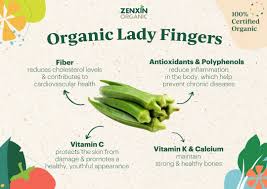
Moreover, lady finger’s low glycemic index makes it a valuable addition to diets focused on managing blood sugar levels, particularly for individuals with insulin sensitivity or diabetes. The vegetable’s fiber slows down sugar absorption, which can help prevent sudden spikes in blood glucose, offering a natural method to support blood sugar control.
The plant’s versatility, nutritional benefits, and medicinal uses make lady finger a valuable crop for both small-scale farmers and commercial agriculture. Its ability to thrive in warm climates and resist certain pests has made it an ideal crop in regions where food security and sustainable agriculture are key concerns.
Furthermore, lady finger’s adaptability allows it to be grown alongside other crops in intercropping systems, promoting biodiversity and enhancing soil health. Its relatively low demand for fertilizers and pesticides also contributes to its sustainability, making it an eco-friendly choice in agriculture.
Lady finger has gained increasing recognition as a sustainable, nutrient-rich crop with both traditional and modern appeal. Whether consumed as part of a traditional stew, blended into smoothies, or used in alternative medicine, lady finger offers a wealth of benefits that make it deserving of its place in the global diet.
Its nutrient-dense profile supports essential functions in the body, from digestion and immunity to heart health and blood sugar regulation. Meanwhile, its unique culinary properties allow it to adapt to a wide range of dishes and cuisines, making it accessible and enjoyable to people worldwide.
Read Also: The Origin and Significance of Ogbono Seed
Nutritional Profile and Health Benefits of Lady Finger
1. Supports Digestive Health: Lady finger is packed with dietary fiber, which plays a crucial role in maintaining a healthy digestive system. Fiber promotes regular bowel movements and helps prevent constipation. The vegetable’s high mucilage content also provides a soothing effect on the stomach lining, potentially offering relief for digestive issues like gastritis.
2. Helps Manage Blood Sugar Levels: This vegetable has a low glycemic index, meaning it releases glucose slowly into the bloodstream, which can prevent sudden spikes in blood sugar levels. This is especially beneficial for people with diabetes or those managing insulin sensitivity.
3. Boosts Immune System: Rich in vitamin C and antioxidants, this vegetable helps strengthen the immune system. Vitamin C supports white blood cell function, helping the body fight off infections and maintain resilience against diseases.
4. Enhances Skin Health: The antioxidants, vitamins, and minerals in lady finger contribute significantly to skin health. Vitamin C, in particular, is essential for collagen production, which keeps skin firm, smooth, and youthful.
5. Promotes Heart Health: Lady finger is beneficial for heart health due to its fiber content, which helps reduce cholesterol levels. Additionally, the potassium helps regulate blood pressure.
6. Aids in Weight Management: Low in calories and high in fiber, this vegetable is an ideal addition to weight management diets. The fiber provides a feeling of fullness, which can reduce overeating.
7. Supports Bone Health: Lady finger contains essential minerals such as calcium and magnesium, which are crucial for maintaining bone density and overall bone health.
8. Improves Vision: The vitamin A and beta-carotene content play a significant role in eye health, helping prevent age-related macular degeneration and reducing the risk of cataracts.
9. Contributes to Fetal Development: Lady finger is a great source of folate, essential for pregnant women to prevent neural tube defects in developing babies.
10. Reduces Inflammation: Due to its antioxidant properties, this vegetable may help reduce inflammation in the body, lowering the risk of chronic conditions.
11. Protects Liver Health: Nutrients in lady finger support liver function, aiding in detoxification.
12. Enhances Cognitive Function: Vitamins and minerals, including B vitamins, support brain health and cognitive function.
13. Reduces Risk of Anemia: Contains iron essential for red blood cell production, best absorbed with its vitamin C.
14. Promotes Healthy Hair: Vitamin C, A, and folate nourish the scalp and promote hair growth.
15. Reduces Risk of Cancer: Antioxidants like vitamin C and beta-carotene may help lower cancer risk by neutralizing free radicals.
Read Also: How to Build a Mushroom Growing House
Culinary Uses of Lady Finger: Recipes and Preparation Tips
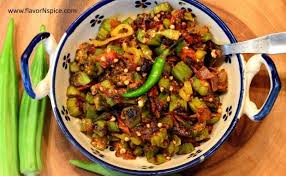
Lady Finger in Traditional Dishes
In Indian cuisine (bhindi), it’s used in bhindi masala, sautéed with spices. In the Southern US, it’s key in gumbo for thickening. In West Africa (e.g., Nigeria), it’s in okra soup for a thick, nourishing broth.
Tips for Reducing Sliminess
Cook with acidic ingredients (tomatoes, lemon), dry thoroughly before cooking, or use high-heat methods like frying or roasting.
Popular Lady Finger Recipes and Preparation Tips
1. Crispy Fried Lady Finger: Slice thinly, coat lightly, shallow fry until golden and crispy.
2. Roasted Lady Finger: Toss in oil and spices, roast at 400°F for 20-25 minutes.
3. Lady Finger and Tomato Curry: Sauté with onions, tomatoes, and spices for a flavorful dish.
4. Mediterranean Lady Finger with Olive Oil: Sauté with garlic and herbs, finish with lemon.
5. Pickled Lady Finger: Blanch, pickle in vinegar and spices for a tangy snack.
Innovative Ways to Use Lady Finger
Add to stir-fries, pasta, frittatas, salads (blanched), or as low-carb noodle substitute.
Healthful Tips When Cooking with Lady Finger
Steam or lightly sauté to preserve nutrients; avoid excessive oil for low-calorie benefits.
Growing Lady Finger (Okra)
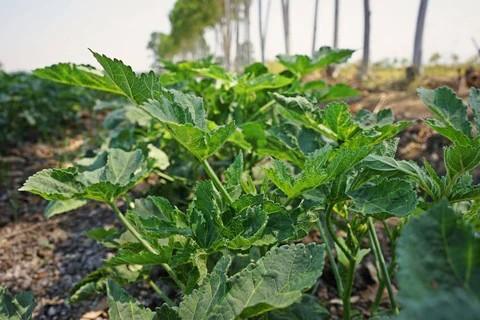
Lady finger thrives in warm climates, resists some pests, suits intercropping, and requires low inputs, making it sustainable for farmers.
Summary of Health Benefits and Culinary Uses of Lady Finger (Okra)
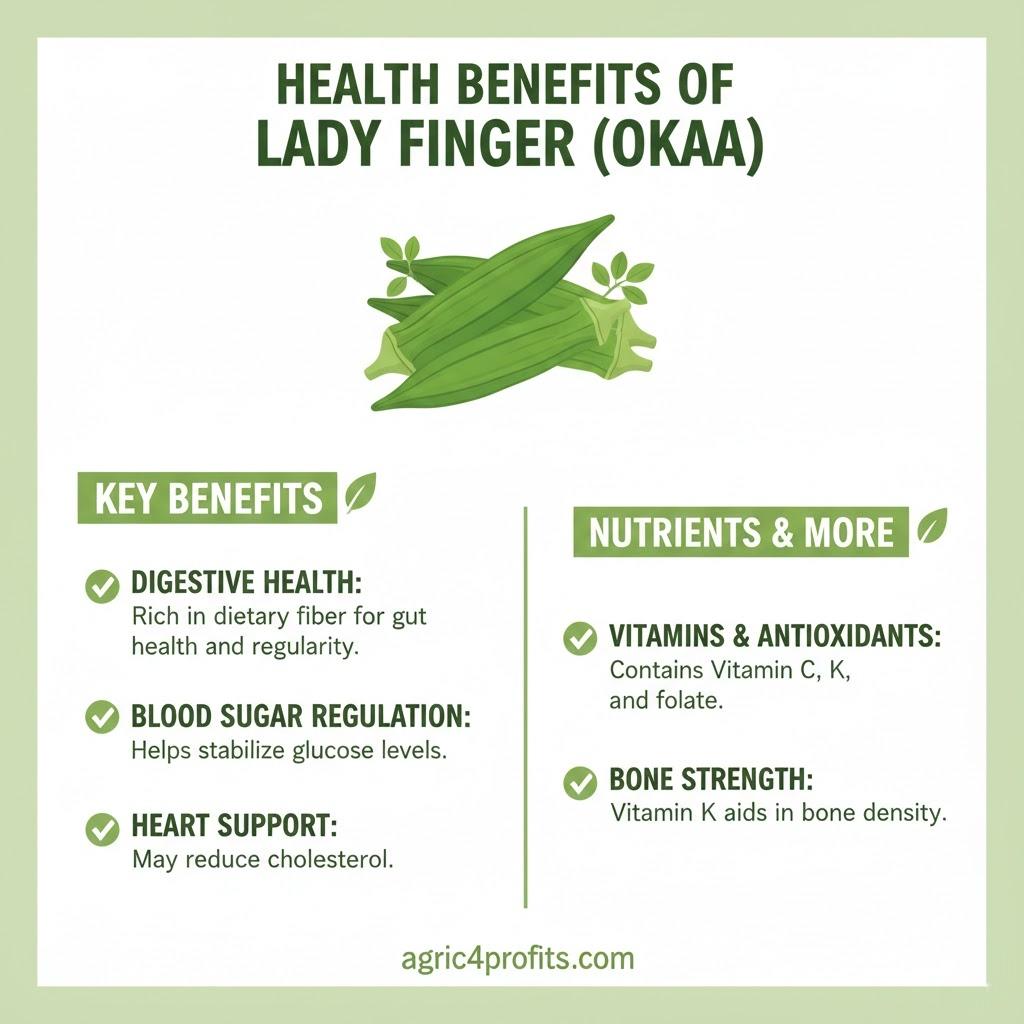
| Section | Key Points |
|---|---|
| Introduction & Overview | Lady finger (okra, bhindi) is a tropical vegetable rich in vitamins (A, C, K), folate, minerals (calcium, magnesium, potassium, iron), and high soluble/insoluble fiber; offers digestive aid, blood sugar control, low calories for weight management; mucilaginous texture thickens dishes. |
| Nutritional & Health Benefits | Supports digestion (fiber + mucilage), blood sugar stability (low GI), immunity (vitamin C/antioxidants), skin/bone/heart/eye health, weight management, fetal development (folate), reduces inflammation/anemia/cancer risk, liver/cognitive/hair protection. |
| Culinary Uses & Preparation | Traditional: bhindi masala (India), gumbo (US), okra soup (Africa); reduce sliminess with acid, high heat, drying; recipes include fried/roasted, curries, pickled, stir-fries, salads; innovative: smoothies, low-carb noodles. |
| Tips & Innovations | Gentle cooking preserves nutrients; high-heat for crispiness; versatile in sweet/savory; sustainable crop with low input needs, good for intercropping and warm climates. |
Frequently Asked Questions
1. What is lady finger, and what are its other common names?
Lady finger, scientifically known as Abelmoschus esculentus, is a green pod vegetable also called okra, bhindi (in India), or gumbo vegetable in some regions.
2. What are the primary health benefits of consuming lady finger?
It supports digestive health through high fiber and mucilage, helps manage blood sugar with its low glycemic index, boosts immunity via vitamin C and antioxidants, promotes heart health by lowering cholesterol, aids weight management with low calories and satiety, and provides benefits for skin, bones, vision, and more.
3. Why does lady finger have a slimy texture, and how can I reduce it?
The sliminess comes from natural mucilage, which thickens soups naturally. Reduce it by cooking with acidic ingredients like tomatoes or lemon, drying pods thoroughly, frying/roasting at high heat, or quick sautéing.
4. Can lady finger be eaten raw, and is it safe?
Yes, young tender lady finger can be eaten raw in salads or as a snack for a crunchy texture; briefly blanching helps retain color and crispness while keeping it fresh.
5. How should I store fresh lady finger to maintain its quality?
Store unwashed in a paper bag in the refrigerator’s crisper drawer to avoid excess moisture and spoilage; use within a few days for best freshness and texture.
6. Is lady finger good for people with diabetes?
Yes, its low glycemic index and soluble fiber slow sugar absorption, helping stabilize blood sugar levels and making it a suitable addition to diabetic diets.
7. What are some popular traditional dishes featuring lady finger?
Common ones include bhindi masala (spiced Indian dry curry), gumbo (thickened Southern US stew), and okra soup (West African thickened broth served with staples like fufu).
8. Can lady finger help with weight loss or management?
Yes, being low in calories yet high in fiber, it promotes fullness, reduces overeating, and supports balanced calorie intake without adding much energy.
9. What nutrients make lady finger beneficial for pregnant women?
Its high folate content is crucial for preventing neural tube defects in the fetus, while also supporting red blood cell formation and overall prenatal health.
10. Is lady finger sustainable to grow, and who benefits from cultivating it?
Yes, it thrives in warm climates with low fertilizer/pesticide needs, resists some pests, suits intercropping for biodiversity, and supports food security for small-scale and commercial farmers in tropical/subtropical areas.
Do you have any questions, suggestions, or contributions? If so, please feel free to use the comment box below to share your thoughts. We also encourage you to kindly share this information with others who might benefit from it. Since we can’t reach everyone at once, we truly appreciate your help in spreading the word. Thank you very much for your support and for sharing!
Disclaimer: This article is for educational and informational purposes only. The health benefits described are based on scientific research and traditional knowledge. They ayre not a substitute for professional medical advice, diagnosis, or treatment. Always consult a healthcare professional before using any herb or natural remedy for medical purposes.
Read Also: 7 Reasons why Farting is Good for your Health