


Milicia excelsa, commonly known as African Teak, is a magnificent deciduous tree that belongs to the Meliaceae family. This grand tree is native to the tropical regions of Africa and is highly valued for both its timber and its medicinal properties. Let’s explore the botanical features that define this remarkable species.
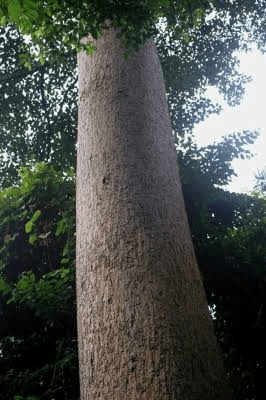
African Teak is an imposing tree that can reach towering heights of up to 50 meters (164 feet) or more. It exhibits a straight, cylindrical trunk with a relatively large girth, making it a prized species in the timber industry. The bark of the tree is usually rough and dark brown in color, with deep fissures that add to its distinctive appearance.
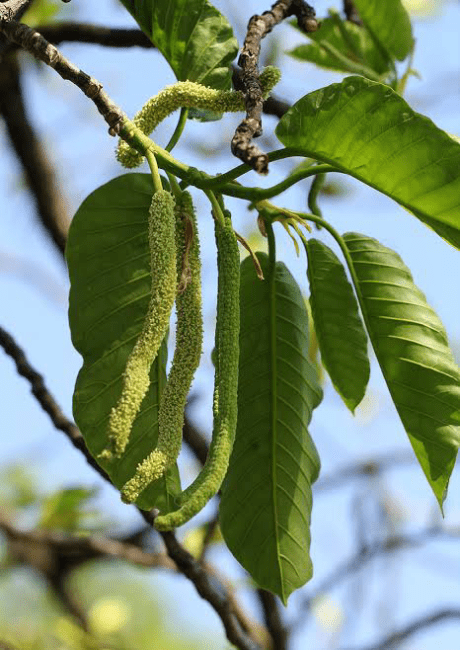
The leaves of Milicia excelsa are compound and arranged alternately along the branches. Each leaf is composed of numerous leaflets, typically ranging from 7 to 15 leaflets per compound leaf. These leaflets are elongated and lance-shaped, with a glossy green surface that adds to the tree’s aesthetic appeal.
The flowering stage of African Teak is a captivating sight. The tree produces clusters of small, fragrant flowers that are pale yellow or cream in color. These flowers are often arranged in panicles, creating an elegant display against the backdrop of the tree’s lush foliage.
After successful pollination, the flowers give way to fruit capsules. These capsules are rounded and woody, containing multiple seeds within. As they mature, the capsules split open to release the seeds, which are dispersed by various means, including wind and animals.
One of the most prized aspects of African Teak is its exceptional quality timber. The heartwood of the tree is a rich reddish-brown color, often featuring dark streaks and variations that enhance its visual appeal. The wood is known for its durability, resistance to decay, and versatility in woodworking projects.
Milicia excelsa is native to a range of African countries, including but not limited to Nigeria, Ghana, Cameroon, and Ivory Coast. It thrives in tropical rainforests and other moist, lowland areas. The tree’s ability to reach impressive heights and its valuable timber have made it an important economic and ecological asset in these regions.
Due to its extensive use in the timber industry, the African Teak tree has faced challenges in terms of sustainability. In some areas, overharvesting has led to concerns about the conservation status of this species. Efforts to promote sustainable forestry practices and raise awareness about the importance of preserving this tree are ongoing.
Read Also: A Guide to Growing and Caring for Peanut Grass (Arachis Pintoi)
The Medicinal Health Benefits of Milicia excelsa (African Teak)
1. Anti-inflammatory Power: Compounds found in African Teak possess potent anti-inflammatory properties. These natural agents can help reduce inflammation in various parts of the body, providing relief from conditions like arthritis and joint pain.
2. Digestive Comfort: The bark of African Teak has been used traditionally to alleviate digestive discomfort. It can aid in soothing indigestion, bloating, and other gastrointestinal issues, promoting a healthier digestive system.
3. Fever Management: African Teak has been utilized to reduce fever. Its natural compounds assist in lowering body temperature, providing comfort during times of feverishness.
4. Accelerated Wound Healing: The leaves and bark of this tree contain compounds that support the healing process of wounds. Applied topically, they can speed up the recovery of cuts, abrasions, and minor injuries.
5. Natural Pain Relief: African Teak has analgesic properties that can help alleviate different types of pain, including headaches, muscle aches, and joint pain, offering a natural alternative to pain management.
6. Antimicrobial Defense: Compounds present in the plant exhibit antimicrobial effects, making African Teak a valuable asset in combating infections and thwarting the growth of harmful microorganisms.
7. Respiratory Support: African Teak has a history of use in addressing respiratory issues such as coughs and bronchitis. Its natural compounds can help soothe irritation and promote clearer breathing.
8. Heart Health: This medicinal plant may contribute to cardiovascular health by supporting optimal blood circulation and helping to maintain healthy blood pressure levels.
9. Combatting Parasitic Infections: African Teak has been traditionally used as an anthelmintic, assisting in the expulsion of parasitic worms from the body.
10. Nourishing Skin Care: The bark’s natural compounds lend themselves to skin care. They can help manage skin conditions like eczema, acne, and dermatitis, contributing to healthier skin.
Read Also: A Guide to Growing and Caring for Bottlebrush Grass (Elymus Hystrix)
The Methods of Usage to Achieve the Provided Health Benefits of Milicia excelsa (African Teak)
1. Decoctions and Infusions: Decoctions and infusions are popular methods for extracting the beneficial compounds from African Teak. For digestive support and fever reduction, prepare a decoction by boiling the bark in water. For internal consumption, infusions can be made by steeping leaves or bark in hot water. These methods allow you to easily consume the plant’s healing properties.
2. Poultices for Wound Healing: To accelerate wound healing, create poultices from the crushed leaves or bark of African Teak. Apply the poultice directly to the affected area to promote faster recovery and prevent infection. The natural compounds in the plant can aid in soothing and healing various types of wounds.
3. Herbal Teas: African Teak leaves or bark can be used to make herbal teas. Simply steep the desired part of the plant in hot water for a few minutes to create a soothing and flavorful tea. Herbal teas can be consumed for their overall health benefits, such as supporting respiratory health or providing digestive relief.
4. Topical Applications: For skin conditions or localized pain, consider applying African Teak extracts topically. This can be done through creams, salves, or ointments containing the plant’s active compounds. These topical applications can provide targeted relief to specific areas of concern.
5. Tinctures and Extracts: Tinctures and extracts are concentrated forms of African Teak that preserve its medicinal properties. These can be taken orally by adding a few drops to water or other beverages. Tinctures are particularly useful when a more potent dosage is desired.
6. Herbal Baths: For overall relaxation and potential skin benefits, you can infuse African Teak leaves or bark in your bathwater. This method allows the healing compounds to be absorbed through the skin, promoting relaxation and potential relief from skin issues.
7. Inhalation: For respiratory support, you can inhale the steam from a decoction or infusion of African Teak. This can help soothe respiratory discomfort and provide relief from coughs and congestion.
8. Dietary Incorporation: In some cultures, parts of African Teak are included in traditional dishes. Consuming small amounts of the plant as part of your diet could provide mild health benefits over time.
9. Herbal Combinations: African Teak can also be used in combination with other herbs to create synergistic effects. Consulting with an herbalist or healthcare professional can help you create a customized herbal blend tailored to your specific health needs.
10. Professional Guidance: Before incorporating African Teak into your health regimen, it’s important to consult with a qualified healthcare practitioner or herbalist. They can provide personalized guidance on dosage, usage, and potential interactions with other medications.
The Side Effects of Using Milicia excelsa Medicinal Plant
1. Allergic Reactions: Individuals with known allergies to plants in the Meliaceae family, to which African Teak belongs, should exercise caution. Allergic reactions, such as skin rashes or respiratory distress, could occur upon contact or consumption.
2. Dosage and Moderation: Excessive consumption of African Teak could lead to adverse effects. It’s important to adhere to recommended dosages and usage guidelines. Consult a healthcare professional or herbalist to determine the appropriate amount for your individual needs.
3. Pregnancy and Breastfeeding: Pregnant and breastfeeding individuals should approach the use of African Teak with caution. Limited information is available regarding its safety during pregnancy and lactation. Consult a healthcare provider before using African Teak medicinally in these circumstances.
4. Drug Interactions: If you are taking medications or have underlying health conditions, be aware of potential interactions between African Teak and pharmaceutical drugs. Consult a healthcare professional to ensure that there are no adverse interactions.
5. Gastrointestinal Distress: While African Teak has been used traditionally for digestive support, excessive consumption could lead to gastrointestinal discomfort. If you experience any unusual symptoms, discontinue use and consult a healthcare provider.
6. Quality and Sourcing: Ensure that you obtain African Teak from reputable sources to ensure its quality and authenticity. Proper sourcing can help you avoid potential contaminants or adulteration.
7. Individual Variations: Each person’s response to herbal remedies can vary. What works well for one individual might not be suitable for another. Pay attention to your body’s signals and consult a healthcare professional if you have concerns.
8. Long-Term Use: While African Teak has a history of traditional use, its long-term safety has not been extensively studied. Prolonged or excessive use should be approached with caution.
9. Children and Elderly: Children and elderly individuals should use African Teak under the guidance of a healthcare professional. Dosages may need to be adjusted based on age and health status.
10. Discontinue Use if Needed: If you experience any adverse effects, such as allergic reactions, digestive discomfort, or skin issues, discontinue the use of African Teak and seek medical attention if necessary.
Nutritional Value of Milicia excelsa (African Teak)
1. Flavonoids: Milicia excelsa contains flavonoids in its aqueous extracts, particularly in the leaves and bark. These compounds have antioxidant properties that may help reduce oxidative stress and inflammation in the body.
2. Polyphenols: The plant is rich in polyphenolic compounds, especially chlorophorin, which contribute to its antioxidant and anti-inflammatory effects, supporting cellular health but not serving as a primary nutrient.
3. Tannins: Tannins are present in the bark and leaves, potentially aiding digestion by binding proteins, though excessive consumption may reduce nutrient absorption due to their astringent nature.
4. Saponins: Saponins, found in the plant’s extracts, may support immune function and cholesterol regulation, but their nutritional role is limited due to potential toxicity in high doses.
5. Alkaloids: Alkaloids are present in the bark and may have pharmacological effects, such as antibacterial properties, but they are not nutritionally significant and can be toxic.
6. Carbohydrates: The leaves and bark contain small amounts of carbohydrates, providing a minor energy source, though not significant enough for dietary reliance.
7. Proteins: Trace amounts of proteins are found in aqueous extracts of Milicia excelsa, contributing minimally to nutritional needs but not a primary protein source.
8. Glycosides: The plant contains glycosides, including excelsoside, a benzylic diglycoside in the leaves, which may have medicinal properties but no direct nutritional value.
9. Trace Minerals: The plant may contain trace minerals like zinc or iron, though specific data is lacking, and potential heavy metal contamination could pose risks if consumed.
10. Fiber: The leaves, when used for mulching or in traditional preparations, may provide dietary fiber, aiding digestion, but this is not a primary use due to toxicity concerns.
Scientific Evidence and Case Studies on Milicia excelsa
1. Anti-Diabetic Effects: Djomeni Dzeufiet et al. (2014) investigated the aqueous extract of Milicia excelsa stem bark in rats with dexamethasone-induced insulin resistance. The extract (50 and 100 mg/kg) significantly reduced blood glucose, insulin, triglycerides, total cholesterol, and ALT levels, lowering the HOMA-IR index by 57.53% and 66.64%, indicating potential for managing insulin resistance. (Djomeni Dzeufiet, P. D., et al., 2014, Preventive effect of Milicia excelsa (Moraceae) aqueous extract on dexamethasone-induced insulin resistance in rat, Research Journal of Pharmaceutical, Biological and Chemical Sciences, 5(4), 1232).
2. Anti-Inflammatory Properties: A methanol extract of Milicia excelsa stem bark demonstrated in-vivo anti-inflammatory properties, as noted in a study cited in Protabase. This supports its traditional use for treating inflammatory conditions, though specific mechanisms were not detailed. (Protabase – Plant Resources of Tropical Africa, n.d.).
3. Anti-Amoebic Activity: Two phenolic compounds, chlorophorin and iroko, isolated from Milicia excelsa, showed in-vitro anti-amoebic activity, suggesting potential for treating parasitic infections like amoebiasis, though clinical applications are untested. (Protabase – Plant Resources of Tropical Africa, n.d.).
4. Skin-Whitening Potential: Chlorophorin, a phenolic compound in Milicia excelsa, inhibits melanin biosynthesis, and its derivative, hexahydrochlorophorin, shows potential for use in skin-whitening agents and treating pigmentation disorders, as noted in a study cited in Protabase. (Protabase – Plant Resources of Tropical Africa, n.d.).
5. Polycystic Ovary Syndrome (PCOS): Bouckandou et al. (2025) found that Milicia excelsa corrected hyperandrogenism, reduced cyst formation, and improved follicle health in rats with letrozole-induced PCOS, suggesting potential for managing reproductive disorders. (Bouckandou, M., et al., 2025, Milicia excelsa (Moraceae) reversed the effects of letrozole-induced aromatase inhibition in rats with polycystic ovary syndrome, ResearchGate).
6. Excelsoside Isolation: Ouete et al. (2014) isolated excelsoside, a new benzylic diglycoside from Milicia excelsa leaves, noting its potential medicinal properties, though specific health benefits were not fully explored. (Ouete, J. L. N., et al., 2014, Excelsoside: A new benzylic diglycoside from the leaves of Milicia excelsa, Zeitschrift Fur Naturforschung Section C-A Journal of Biosciences, 69(7-8), 271-273).
Frequently Asked Questions About Milicia excelsa
1. Is Milicia excelsa safe to consume?
While used in traditional medicine, it contains alkaloids and glycosides that can be toxic. Only specific preparations, like aqueous bark extracts, are used under strict guidance.
2. What are the medicinal uses of Milicia excelsa?
The bark and leaves are used to treat diabetes, coughs, heart problems, infertility, and inflammation. Extracts have shown anti-diabetic, anti-inflammatory, and anti-amoebic effects.
3. Can Milicia excelsa be eaten as food?
No, it is not a food source due to its toxicity and primary use as timber. Its nutritional components are minimal and not suitable for dietary consumption.
4. How is Milicia excelsa used in traditional medicine?
The powdered bark, leaves, latex, and ashes are used in decoctions or infusions to treat ailments like diabetes, bronchitis, and infertility, often administered orally.
5. What are the environmental benefits of Milicia excelsa?
It acts as a carbon sink via biomineralization, prevents soil erosion, provides shade, and supports biodiversity through agroforestry.
6. Why is Milicia excelsa considered near-threatened?
Overharvesting for its valuable timber and habitat loss have reduced its population, leading to its near-threatened status on the IUCN Red List.
7. How is Milicia excelsa propagated?
It is grown from seeds, which lose viability quickly and should be sown soon after extraction. Seedlings thrive in fertile, well-drained soils with full sun.
8. Does Milicia excelsa have any toxic effects?
Yes, its latex and unprocessed parts can cause skin irritation or toxicity if ingested, and heavy metal contamination may pose additional risks.
Read Also: Feeding the World: The Importance of Sustainable Crop Farming