


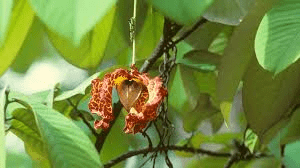
Monodora myristica, commonly known as African nutmeg or calabash nutmeg, is an evergreen tree that belongs to the Annonaceae family. Native to various regions of Africa, including West and Central Africa, this tree holds not only cultural significance but also a range of medicinal and culinary uses.
Monodora myristica typically grows to a height of about 10 to 15 meters, with a symmetrical and moderately dense crown. The bark of mature trees is often dark brown and deeply fissured, adding to its distinctive appearance.
The leaves of Monodora myristica are simple, alternate, and broadly elliptical. They can reach lengths of up to 20 centimeters and have a glossy, dark green color. The leaves are pinnately veined and emit a pleasant aroma when crushed, contributing to its aromatic nature.
The flowers of Monodora myristica are borne on short stalks arising directly from the trunk or main branches. They are large and showy, with a diameter of about 5 to 8 centimeters. The petals are typically creamy white, and the numerous stamens give the flowers a striking appearance.
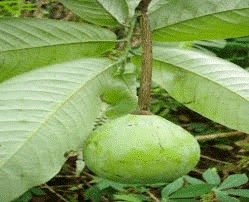
One of the most distinctive features of Monodora myristica is its fruit. The fruit is large and resembles a round or oval-shaped calabash, which is how it earned its common name “calabash nutmeg.” The fruit can measure around 10 to 15 centimeters in diameter. When mature, it splits open to reveal numerous seeds surrounded by a fleshy, aromatic pulp.
The seeds of Monodora myristica are the part of the plant with significant culinary and medicinal value. These seeds are often referred to as African nutmeg and are used as a spice and flavoring agent. The seeds have a unique shape, resembling small nutmegs, which has led to the plant’s common names.
Monodora myristica thrives in tropical and subtropical climates, favoring well-drained soils and areas with sufficient rainfall. It is commonly found in rainforests, woodlands, and savannas across its native regions.
Monodora myristica holds cultural importance in various African communities. Its seeds are used in rituals, ceremonies, and traditional practices. Additionally, the aromatic qualities of the plant make it a valuable resource for perfumes and aromatic compounds.
Due to habitat destruction and overexploitation, some populations of Monodora myristica are at risk. Sustainable harvesting and conservation efforts are crucial to ensure the survival of this valuable plant species.
Read Also: 18 Medicinal Health Benefits of Microloma (Microloma sagittatum)
The Medicinal Health Benefits of Monodora myristica (African nutmeg)

1. Digestive Aid: Monodora myristica possesses carminative properties that can help alleviate digestive discomfort, including bloating and gas. It aids in soothing the gastrointestinal tract and promoting smoother digestion.
2. Anti-inflammatory Power: The plant contains compounds with anti-inflammatory effects that can help reduce inflammation in various parts of the body, potentially offering relief from conditions like arthritis.
3. Respiratory Relief: Monodora myristica has been traditionally used to alleviate respiratory issues such as coughs, colds, and bronchitis. Its natural compounds can help soothe the respiratory passages and ease breathing.
4. Aphrodisiac Properties: In some cultures, Monodora myristica is believed to have aphrodisiac properties. It’s thought to enhance libido and improve sexual performance.
5. Analgesic Effects: This medicinal plant is also known for its analgesic properties, which can help in reducing pain, whether it’s related to headaches, muscle aches, or other discomforts.
6. Antimicrobial Action: Monodora myristica possesses compounds with antimicrobial properties, making it useful in fighting off certain bacterial and fungal infections.
7. Mental Well-being: Some traditional practices suggest that Monodora myristica might have a positive impact on mental well-being. It is believed to have mood-enhancing properties that could help reduce anxiety and stress.
8. Blood Pressure Regulation: Preliminary studies suggest that Monodora myristica might play a role in regulating blood pressure. However, more research is needed to fully understand its effects in this regard.
9. Skin Care: The plant’s essential oils and active compounds can contribute to healthy skin. It’s used in some skincare products for its potential to promote clear and radiant skin.
10. Diabetes Management: There’s some evidence to suggest that Monodora myristica could have a positive influence on blood sugar levels. It might offer support to individuals managing diabetes, but consulting a healthcare professional is crucial.
Read Also: 20 Medicinal Health Benefits of Helichrysum Petiolare (Licorice Plant)
The Methods of Usage to Achieve the Provided Health Benefits of Monodora myristica (African nutmeg)
1. Culinary Uses: One of the most common and flavorful ways to use Monodora myristica is in cooking. The seeds of the plant are grated, ground, or powdered and added to dishes to impart a distinct, aromatic flavor. African nutmeg is used to enhance the taste of stews, soups, sauces, and even baked goods. Its warm, nutty aroma can elevate the culinary experience.
2. Herbal Infusion: To enjoy Monodora myristica’s digestive and respiratory benefits, you can create an herbal infusion. Crush or grind the seeds and steep them in hot water to make a soothing tea. This infusion can help alleviate digestive discomfort and provide relief from respiratory issues like coughs and colds.
3. Topical Applications: Monodora myristica essential oil, extracted from the seeds, can be diluted with a carrier oil and applied topically. This can provide relief from localized pain, such as headaches or muscle aches. However, it’s important to perform a patch test and use essential oils with caution to avoid skin irritation.
4. Aromatic Potpourri: The aromatic seeds of Monodora myristica can be added to potpourri mixtures to release a pleasant fragrance in living spaces. The aroma is not only refreshing but might also contribute to a calming environment.
5. Traditional Remedies: In some traditional practices, Monodora myristica has been used to address various health issues. It has been used to alleviate digestive discomfort, respiratory problems, and even as an aphrodisiac. However, it’s important to note that traditional uses should be approached with caution and should ideally be guided by knowledgeable practitioners.
6. Herbal Baths: Adding Monodora myristica seeds or oil to a warm bath can create a relaxing and aromatic experience. The soothing aroma might contribute to stress relief and a sense of well-being.
7. Aromatherapy: The essential oil of Monodora myristica can be used in aromatherapy diffusers to fill the air with its calming scent. Aromatherapy using this oil might help create a serene atmosphere and promote relaxation.
8. Herbal Compress: A cloth soaked in a diluted solution of Monodora myristica essential oil and water can be used as a compress on sore muscles or areas experiencing pain. This method can offer localized relief.
9. Herbal Blends: Monodora myristica can be combined with other herbs and spices to create herbal blends with specific health benefits. For instance, it might be blended with other respiratory-supportive herbs for a soothing herbal tea.
10. Traditional Rituals: In certain cultural practices, Monodora myristica might be used for ritualistic purposes. These rituals are often deeply rooted in local traditions and beliefs.
The Side Effects of Using Monodora myristica Medicinal Plant
1. Gastrointestinal Distress: Excessive consumption of Monodora myristica, particularly the seeds, can lead to digestive discomfort. This may manifest as nausea, vomiting, diarrhea, or abdominal pain. To avoid these issues, use it in culinary amounts or as recommended by a healthcare professional.
2. Skin Irritation: The essential oil extracted from Monodora myristica seeds can be irritating to the skin when used undiluted. Always dilute essential oils with a carrier oil before applying them to the skin. Perform a patch test first to check for any adverse reactions.
3. Allergic Reactions: Some individuals may be allergic to Monodora myristica or its components. Allergic reactions can range from mild skin rashes to more severe symptoms like swelling, difficulty breathing, or anaphylaxis. If you suspect an allergy, discontinue use and seek medical attention.
4. Drug Interactions: Monodora myristica may interact with certain medications. If you are taking prescription drugs, especially those that affect blood pressure or blood sugar levels, consult a healthcare professional before using this plant for medicinal purposes. It may amplify or interfere with the effects of medications.
5. Overstimulation: In some cases, the use of Monodora myristica as an aphrodisiac or mood enhancer may lead to overstimulation, anxiety, or restlessness. It’s important to use it in moderation and be mindful of its effects on your mental and emotional state.
6. Pregnancy and Lactation: Pregnant and breastfeeding women should exercise caution when using Monodora myristica. There is limited research on its safety during these periods, so it’s advisable to consult with a healthcare provider before use.
7. Central Nervous System Effects: In high doses, the compounds in Monodora myristica can affect the central nervous system, leading to symptoms such as dizziness, confusion, or hallucinations. Such effects are more likely to occur with excessive consumption.
8. Hepatotoxicity: There have been rare reports of liver toxicity associated with the excessive consumption of Monodora myristica. If you experience symptoms like jaundice, dark urine, or abdominal pain, seek immediate medical attention.
9. Hypotension: Some individuals may experience a drop in blood pressure when using Monodora myristica, especially if consumed in large quantities. This could lead to dizziness or fainting.
10. Excessive Heat: Monodora myristica is considered “hot” in traditional medicine systems, and excessive consumption may contribute to an increase in body heat. This could lead to sensations of warmth or sweating.
Nutritional Value of Monodora myristica (African Nutmeg)
1. Crude Protein: Monodora myristica seeds contain approximately 9.4–12.09% crude protein, providing essential amino acids that support tissue repair and growth.
2. Crude Fat: With 27.67% crude fat, the seeds are a rich source of fatty acids, which contribute to energy production and cellular health.
3. Crude Fiber: The seeds have 21.9% crude fiber, aiding digestion, promoting gut health, and helping to relieve constipation.
4. Carbohydrates: Containing 30.7% nitrogen-free extract (soluble carbohydrates), the seeds provide a significant energy source for metabolic processes.
5. Ascorbic Acid (Vitamin C): With 1.6 mg/100g, this vitamin supports immune function and acts as an antioxidant to combat oxidative stress.
6. B Vitamins: The seeds contain thiamin (0.13 mg/100g), riboflavin (0.19 mg/100g), and niacin (1.12 mg/100g), which support energy metabolism and nervous system health.
7. Calcium: At 178.3–333.33 mg/100g, calcium in the seeds supports bone health and muscle function.
8. Magnesium: With 60 mg/100g, magnesium aids in muscle relaxation, nerve function, and enzymatic reactions.
9. Flavonoids: Containing 660 mg/100g, flavonoids provide antioxidant and anti-inflammatory benefits, protecting against cellular damage.
10. Terpenoids: At 1360 mg/100g, terpenoids contribute to antimicrobial and anti-inflammatory properties, supporting infection control.
Scientific Evidence and Case Studies on Monodora myristica
1. Cholesterol-Lowering Effects (Nwozo et al., 2015): Nwozo et al. conducted a study on hypercholesterolemic rats, finding that aqueous extracts of Monodora myristica (100–200 mg/kg) significantly reduced total cholesterol, LDL cholesterol, and triglycerides while increasing HDL cholesterol. The study also noted reduced lipid peroxidation and improved antioxidant levels in the liver and heart, suggesting protective effects against cardiovascular damage. Reference: Nwozo, S. O., Orojobi, B. F., & Adaramoye, O. A. (2015). African nutmeg (Monodora myristica) lowers cholesterol and modulates lipid peroxidation in experimentally induced hypercholesterolemic male Wistar rats. Journal of Medicinal Food, 14(1-2), 114–119.
2. Antioxidant Potential (Oyedapo et al., 2013): Oyedapo et al. evaluated the antioxidant effects of Monodora myristica extracts on palm oil, finding that higher concentrations (0.8–1.0 ml) significantly reduced acid value and thiobarbituric acid levels, indicating protection against oxidative rancidity. This supports its use as a natural preservative. Reference: Oyedapo, O. O. (2013). Evaluation of antioxidant potential of Monodora myristica (African nutmeg). Research Journal of Medicinal Plants, 7(1), 1–6.
3. Antimicrobial Activity (Enabulele et al., 2014): Enabulele et al. demonstrated that Monodora myristica seed extracts exhibited antimicrobial activity against pathogens like Staphylococcus aureus and Escherichia coli, with a minimum inhibitory concentration of 0.625 mg/mL for Candida albicans, validating its traditional use for infections. Reference: Enabulele, S. A., Oboh, F. O., & Uwadiae, E. O. (2014). Antimicrobial, nutritional and phytochemical properties of Monodora myristica seeds. IOSR Journal of Pharmacy and Biological Sciences, 9(4), 1–6.
Frequently Asked Questions About Monodora myristica
1. What is Monodora myristica used for in traditional medicine?
It is used to treat digestive issues, constipation, headaches, skin diseases, and postpartum hemorrhage, and as a stimulant and insect repellent.
2. Can Monodora myristica help lower cholesterol?
Yes, studies show its aqueous extracts can reduce total cholesterol, LDL, and triglycerides while increasing HDL in hypercholesterolemic rats.
3. Is Monodora myristica safe to consume?
In moderation, it is safe as a spice or in traditional remedies, but excessive use may cause digestive irritation due to its bioactive compounds.
4. How is Monodora myristica typically prepared?
Seeds are roasted, ground into powder, and used as a spice in soups, stews, or desserts, or applied externally for skin conditions.
5. Does Monodora myristica have antioxidant properties?
Yes, its flavonoids and terpenoids provide antioxidant effects, protecting against oxidative stress and rancidity in food.
6. Can Monodora myristica be used for infections?
Its antimicrobial properties make it effective against bacteria like Staphylococcus aureus and fungi like Candida albicans, as shown in studies.
7. Is Monodora myristica suitable for dietary supplements?
Its high mineral and vitamin content makes it a potential candidate for supplements, particularly for addressing micronutrient deficiencies.
8. Can Monodora myristica be grown at home?
It can be cultivated in tropical climates but requires specific conditions, like fertile loam soil, and may not fruit without natural pollinators.
Do you have any questions, suggestions, or contributions? If so, please feel free to use the comment box below to share your thoughts. We also encourage you to kindly share this information with others who might benefit from it. Since we can’t reach everyone at once, we truly appreciate your help in spreading the word. Thank you very much for your support and for sharing!
Disclaimer: This article is for educational and informational purposes only. The health benefits described are based on scientific research and traditional knowledge. They are not a substitute for professional medical advice, diagnosis, or treatment. Always consult a healthcare professional before using any herb or natural remedy for medical purposes.
Read Also: How to Establish and Grow a Waste Management Business
I found one at my farm land so I decided to give it more research before giving it business trial
That’s great to hear, and we are glad that you find our article very helpful.