


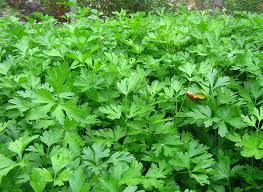
Parsley botanically known as Petroselinum crispum, is a species of Petroselinum, a plant belonging to the Apiaceae plant family. Carrots, celery, and other herbs like cumin, dill, and anise are among the other plants in the Apiaceae family.
It comes originally from the central Mediterranean region, where many local cuisines still feature it as their star ingredient. Both parsley plant and parsley essential oil have long been used in folk medicine as natural diuretics, antiseptics, and pain relievers.
Potassium, calcium, magnesium, phosphorus, and salt are among the nutrients that can be found in fresh parsley. Vitamins A, C, K, and E, thiamin, riboflavin, niacin, vitamin B6, folate, iron, and zinc are all present in significant amounts.
Additionally, volatile substances including myristicin, limonene, eugenol, and alpha-thujene can be found in abundance in it. Energy, carbs, lipids, and protein are all present in its leaves. A serving of parsley contains just 1 calorie, making it an excellent complement to your weight loss plan.
8 Health Benefits of Parsley (Petroselinum crispum)
1. Flavonoids and Antioxidants
Numerous anti-disease properties of parsley are now being explored, and they are attributed to a variety of preventive vitamins and flavonoid antioxidants that it contains. Lutein, apigenin, lycopene, beta-carotene, and alpha-carotene are some of these antioxidants.
By preventing oxidative stress, also known as free radical damage, and internal inflammation, antioxidants help slow down the aging process.
Free radical production is recognized to play a role in practically every age-related disease, including cancer, heart disease, neurological diseases, and eye disorders, therefore understanding this is crucial.
A study found that when people were given large amounts of the plant, they significantly improved in lowering oxidative stress levels compared to those who weren’t. Participants in the study were first provided with a diet devoid of antioxidant substances.
The individuals’ oxidative stress markers increased while they were on the limited diet, but when parsley was added to their meals during the second half of the study, it was discovered that it could help reverse the indications of oxidative stress because it is a high-antioxidant food.
Read Also: 6 Health Benefits of Oregano (Origanum vulgare)
2. Anticancer
Myristicin, limonene, eugenol, and alpha-thujene are distinct substances found in parsley’s volatile oil components, which are unique substances.
According to studies, these potent oil components strengthen the immune system of the body and aid in the prevention of cancer by, among other things, inhibiting the growth of tumors, reducing oxidative stress, and fending off carcinogens.
Because it prevents cell mutation, promotes apoptosis, or the death of dangerous cells, and protects DNA from damage, this herb is also referred to as a “chemoprotective” plant.
Research shows that apigenin, one of this herb’s therapeutic components, inhibits progestin-dependent production of human breast cancer cells, greatly delaying the onset of the disease and lowering the incidence and frequency of mammary tumors.
Read Also: 5 Health Benefits of St. John’s Wort (Hypericum perforatum)
3. Improves Kidney Health and Aids Digestion
Gas, constipation, bloating, indigestion, and nausea are just a few of the gastrointestinal symptoms and conditions that parsley and its essential oil are used to treat.
Due to the essential oil’s ability to enhance bile production and healthy gastric juices—both of which are crucial for correct enzyme activities involved in food and nutrient absorption – parsley aids with digestion. For relief, use diluted essential oil in the stomach area or add it to a bath.
Why is parsley beneficial for kidney health? The benefits of parsley for the kidneys may include a potential reduction in the risk of kidney stones and a contribution to pH regulation via lowering acidity.
Through increasing urine pH, dieresis, reducing urinary protein excretion, and its nephroprotective effect, parsley functions as an Antiurolithiatic medication.
4. Vitamin A
The high concentration of pro-vitamin A carotenoid and beta-carotene in parsley, two antioxidants that the body uses to improve eye health, confers benefits for the eyes.
As a person ages, these antioxidants shield the retina and cornea from harm, assisting in the prevention of eye conditions including macular degeneration and cataracts.
Additionally, vitamin A helps prevent skin cancer, fights wrinkles, and shields the skin and eyes from UV ray damage.
5. Helps To Balance Hormones In The Body
In Asia and India, parsley seeds have a long history of use as a significant spice for regulating menstruation, curing amenorrhea (loss of menstrual cycle), and reducing menstrual discomfort. It is said to aid in hormone balancing, which is crucial for fertility and reducing PMS symptoms.
Another advantage of parsley? The folate in this herb is particularly crucial for a healthy pregnancy since it prevents neural tube abnormalities that can arise from a folate shortage.
Read Also: 3 Health Benefits of Kudzu Root (Pueraria montana)
6. Strengthens Bone
Your bones may become stronger if you consume parsley. Parsley extracts may help treat issues with bone health, according to research. The herb includes calcium, ergosterol, which is a precursor to vitamin D, and vitamin C, all of which can contribute to strong bones.
According to another study, polyphenols may help treat conditions including osteoporosis and osteopetrosis. A polyphenol called apigenin, which is abundant in parsley and can hasten bone growth.
7. Heart Health
The heart-protective properties of parsley may prove to be quite beneficial. According to comparison research, parsley may lower high cholesterol levels far more effectively than carob.
Studies have also shown that parsley can aid in the treatment of heart disease and high blood pressure. It is regarded as a significant medicinal herb.
Flavone antioxidants found in abundance in parsley help lower oxidative stress and improve cardiovascular health. This herb also has significant quantities of folic acid and vitamin B, which can assist to stop arterial wall hardening.
8. Skin and Hair Care
The psychological health of those who have melasma may suffer as a result of the condition’s potential to impact their sense of self. Parsley is being used to treat epidermal melasma.
Long used as a home cure for dandruff, irritated scalp, and hair lice, this plant’s powdered seeds can be put into a paste. Additionally, it may strengthen brittle hair, encourage healthy hair development, and possibly even prevent hair loss.
This potent herb’s nutrients may boost the production of keratin and collagen, hence reducing the risk of free radical damage to the hair.
Read Also: 7 Health Benefits of Horseradish Root (Armoracia rusticana)
Scientific Evidence and Case Studies on Parsley (Petroselinum crispum)
1. Diuretic Activity: A study by Kreydiyyeh et al. investigated the mechanism underlying the diuretic effect of parsley seed extract in rats. The findings revealed that the extract significantly increased urine output by inhibiting the sodium-potassium pump (Na+-K+ pump) in the kidney, validating its traditional use as a natural diuretic for water retention.
2. Kidney Stone Prevention (Anti-urolithiatic): Research conducted by Al-Yousofy et al. evaluated the effect of parsley extract on calcium oxalate kidney stones in rats. The study demonstrated that the administration of parsley significantly reduced the number and size of calcium oxalate deposits in the urinary tract and lowered urinary calcium and protein excretion, suggesting a protective role against kidney stone formation.
3. Anti-Diabetic and Hepatoprotective Effects: An investigation by Bolkent et al. examined the effects of parsley on liver tissue in diabetic rats. The results showed that parsley treatment significantly reduced blood glucose levels and reversed the degenerative changes in liver cells (hepatocytes) caused by diabetes, attributing these effects to the herb’s potent antioxidant properties.
4. Antibacterial Properties: A study by Manderfeld et al. analyzed the antimicrobial activity of parsley essential oil against various foodborne pathogens. The data indicated that the oil, particularly its components apiol and myristicin, exhibited significant bacteriostatic activity against Staphylococcus aureus and Listeria monocytogenes, highlighting its potential as a natural preservative.
5. Gastric Protection: Research by Al-Howiriny et al. assessed the anti-ulcerogenic activity of parsley in rats with chemically induced gastric ulcers. The findings revealed that the ethanol extract of parsley significantly protected the gastric mucosa from damage and reduced the secretion of stomach acid, comparable to standard anti-ulcer medication.
Nutritional Value Of Parsley (Petroselinum crispum)
1. Vitamin K: Parsley is one of the most potent sources of Vitamin K1 (phylloquinone) by weight. This vitamin is essential for the synthesis of osteocalcin, a protein that strengthens bone density, and is critical for the blood coagulation cascade.
2. Apigenin: This flavone is found in high concentrations in parsley. Apigenin has been extensively studied for its chemopreventive properties, as it has been shown to inhibit the growth of cancer cells and reduce oxidative stress by scavenging free radicals.
3. Vitamin C: Fresh parsley contains a substantial amount of Vitamin C (ascorbic acid). This water-soluble antioxidant supports the immune system, promotes collagen production for healthy skin and joints, and enhances the absorption of non-heme iron from plant foods.
4. Myristicin: A volatile oil component found in the leaves, myristicin is known for its ability to induce the activity of glutathione S-transferase. This enzyme system helps the body detoxify oxidized molecules that can cause cellular damage and potentially lead to cancer.
5. Folate (Vitamin B9): Parsley provides a good source of folate, a B-vitamin that is vital for DNA synthesis and repair. Adequate folate intake helps regulate homocysteine levels in the blood, which is important for cardiovascular health.
6. Lutein and Zeaxanthin: These carotenoids are present in the green leaves of the plant. They act as antioxidants specifically in the retina of the eye, helping to filter harmful high-energy blue light and protecting against age-related macular degeneration.
7. Iron: Parsley is a notable plant source of iron. Iron is a crucial component of hemoglobin, which transfers oxygen from the lungs to the tissues, helping to prevent anemia and fatigue, especially when consumed with the Vitamin C naturally present in the herb.
Frequently Asked Questions About Parsley (Petroselinum crispum)
1. Is parsley good for kidney stones?
It acts as a diuretic which can flush the kidneys, but because it contains oxalates, people with calcium oxalate stones should consult a doctor before consuming large amounts.
2. Can pregnant women eat parsley?
Culinary amounts are safe, but large medicinal doses (especially the essential oil or seeds) should be avoided as they can stimulate uterine contractions and potentially cause miscarriage.
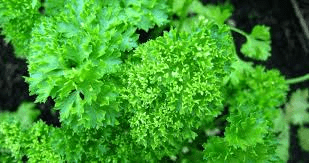
3. What is the difference between flat-leaf and curly parsley?
Flat-leaf (Italian) parsley generally has a stronger, sweeter, and more robust flavor, making it better for cooking, while curly parsley is milder and often used as a garnish.
4. Does parsley help with bad breath?
Yes, the high chlorophyll content in fresh parsley acts as a natural deodorizer and antibacterial agent, which can help neutralize bad breath.
5. Does parsley interact with blood thinners?
Yes, due to its very high Vitamin K content, consistent high consumption of parsley can interfere with the efficacy of blood-thinning medications like warfarin.
6. Is parsley root edible?
Yes, Petroselinum crispum var. tuberosum is a specific variety cultivated for its edible root, which tastes like a cross between celery and carrots and is used in soups and stews.
7. Can parsley help with bloating?
Yes, its natural diuretic properties help the body eliminate excess fluid and salt, which can reduce bloating and water retention.
8. How should I store fresh parsley?
Treat it like a bouquet of flowers: trim the stems, place them in a jar of water, cover loosely with a plastic bag, and store it in the refrigerator to keep it fresh for longer.
Do you have any questions, suggestions, or contributions? If so, please feel free to use the comment box below to share your thoughts. We also encourage you to kindly share this information with others who might benefit from it. Since we can’t reach everyone at once, we truly appreciate your help in spreading the word. Thank you very much for your support and for sharing!
Disclaimer: This article is for educational and informational purposes only. The health benefits described are based on scientific research and traditional knowledge. They ayre not a substitute for professional medical advice, diagnosis, or treatment. Always consult a healthcare professional before using any herb or natural remedy for medical purposes.