


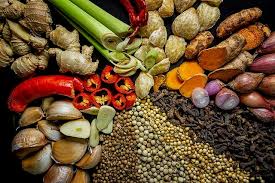
Spices contribute to the quality, nutritive value, and flavor of food. Since ancient times, they have held great medicinal value. Their antimicrobial, antiviral, antibacterial, anti-inflammatory, and other numerous properties have made them a potent source of therapeutic agents.
Phytochemical analysis reveals the presence of active constituents such as eugenol, curcumin, and carotenoids in clove, turmeric, and saffron, respectively, which explain the efficacious nature of these spices.
Phytochemicals, such as phenolic compounds, possess great antioxidant properties. Natural antioxidants contained in spices help reduce oxidative stress.
Oxidative stress, caused by a high concentration of free radicals in cells and tissues, can be induced by various negative factors, such as gamma, UV, and X-ray radiation, psycho-emotional stress, polluted food, adverse environmental conditions, intensive physical exertion, smoking, alcoholism, and drug addiction.
Chronic oxidative stress has been reported to lead to a variety of diseases, including cancer, heart-related diseases, and the acceleration of aging. In this article, the health benefits of some common and well-known spices, such as cinnamon, ginger, turmeric, garlic, black pepper, and chili pepper, will be discussed.
Read Also: Essential Fatty Acids as Agricultural Food Additives
Health Benefits of Cinnamon, Ginger, and Turmeric
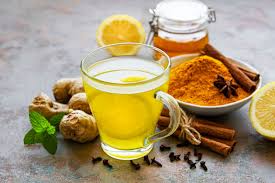
1. Health Benefits of Cinnamon
The health benefits of cinnamon include the following:
i. Antioxidant Effects: Cinnamon reduces many forms of oxidative stress, including limiting nitric oxide buildup in the blood and lipid (fat) peroxidation, which can contribute to brain disorders, cancer, heart disease, and other conditions.
ii. Anti-Inflammatory Properties: The antioxidants in cinnamon have anti-inflammatory effects, which may help lower the risk of heart disease, cancer, brain function decline, and more. Researchers have identified over seven kinds of flavonoid compounds in cinnamon, which are highly effective at fighting dangerous inflammation levels throughout the body.
iii. Pain Management: Because cinnamon lowers swelling and inflammation, it can be beneficial in pain management, with studies showing that cinnamon helps relieve muscle soreness.
iv. Heart Health Protection: Studies have shown that cinnamon reduces several of the most common risk factors for heart disease, including high cholesterol levels, high triglyceride levels, and high blood pressure. Cinnamon has also been shown to reduce high blood pressure, another risk factor for heart disease or stroke.
v. Blood Clotting and Circulation: Cinnamon is a helpful blood coagulant and prevents bleeding by aiding the body in forming blood clots. It also increases blood circulation and enhances bodily tissue’s ability to repair itself after damage, including heart tissue, which helps fight heart attacks, heart disease, and stroke.
vi. Diabetes Management: Cinnamon is known to have an anti-diabetic effect. It helps lower blood sugar levels and improves sensitivity to the hormone insulin, which is vital for maintaining balanced blood sugar levels.
2. Health Benefits of Ginger
Ginger is a popular spice high in gingerol, a substance with powerful anti-inflammatory and antioxidant properties. Gingerol is the main bioactive compound in ginger, responsible for much of its medicinal properties. The health benefits of ginger include:
i. Nausea Relief: Ginger can treat many forms of nausea, especially morning sickness. It may also relieve nausea and vomiting after surgery and in cancer patients undergoing chemotherapy.
ii. Muscle Pain Reduction: Ginger has been shown to be effective against exercise-induced muscle pain, mediated by its anti-inflammatory properties.
iii. Osteoarthritis Relief: The anti-inflammatory effects of ginger can help with osteoarthritis, a common health problem involving degeneration of the joints, leading to symptoms like joint pain and stiffness.
iv. Blood Sugar and Heart Health: Ginger may lower blood sugar and improve heart disease risk factors.
v. Improved Digestion: Ginger can help treat chronic indigestion. After eating soup, ginger reduced the time it took for the stomach to empty from 16 to 12 minutes.
vi. Menstrual Pain Relief: Ginger powder may significantly reduce menstrual pain.
vii. Cholesterol Reduction: There is evidence in both animals and humans that ginger can lead to significant reductions in LDL cholesterol and blood triglyceride levels.
viii. Cancer Prevention: Ginger contains 6-gingerol, a substance that may help prevent cancer due to its anti-cancer properties.
3. Health Benefits of Turmeric
Bioactive ingredients found in turmeric are pleiotropic in nature, meaning the same molecule can bind to a variety of enzymes and other molecular targets in the body. The health benefits of turmeric include:
i. Anti-Inflammatory Properties: Curcumin, the compound in turmeric, has potent anti-inflammatory effects. One advantage over conventional anti-inflammatory agents is that turmeric does not cause gastric side effects.
ii. Pain Relief: Curcumin’s anti-inflammatory property contributes to its painkiller effects, useful in managing postsurgical pain, burn injuries, and neuropathic pain, which is similar to a pins-and-needles sensation.
iii. Antioxidant Activity: Curcuminoids in turmeric are strong antioxidants, comparable to vitamins C and E. They function in three ways:
Reduce oxidative stress or imbalance between prooxidant and antioxidant species in the body.
Raise the level of antioxidant enzymes.
Scavenge free radical species that cause oxidative damage, thus ameliorating oxidative stress in conditions like diabetes and thalassemia.
iv. Digestive Health: Turmeric improves digestion, exerts a bactericidal effect on Helicobacter pylori infection, prevents the formation of ulcers, soothes inflammation, and protects against silent reflux.
v. Pancreatitis and Arthritis: Research shows that curcumin can prevent and treat pancreatitis and reduce the severity of various types of arthritis. However, if taken in high doses or on an empty stomach, it may trigger acid reflux in some.
vi. Bone Health: Curcumin protects bone tissue, prevents bone loss, and aids in the healing of bone fractures.
Read Also: Considerations in Constructing a Poultry House
Health Benefits of Black Pepper, Garlic, and Chili Pepper
1. Health Benefits of Black Pepper
Black pepper contains 5 to 9% piperine, its major active constituent, along with alkamides, piptigrine, wisanine, and dipiperamide. The health benefits of black pepper include:
i. Antioxidant Effects: Piperine has been demonstrated in in vitro studies to protect against oxidative damage by inhibiting or quenching free radicals and reactive oxygen species.
ii. Anti-Inflammatory and Analgesic Effects: Piperine exhibits remarkable anti-inflammatory and analgesic activities, confirmed in rat models and in relieving pain in an arthritis animal model.
iii. Antiallergic Effects: Piperine may inhibit histamine release and eosinophil infiltration, suppressing allergic airway inflammation and airway hyperresponsiveness in asthma, an inflammatory disease caused by irregular immune responses in the airway mucosa.
iv. Digestive Aid: Black pepper may accelerate the overall digestive process by enhancing the activity of digestive enzymes, increasing gastric acid and bile acid secretion, and reducing food transit time.
v. Cardiovascular Health: Piperine has been shown to inhibit lipid droplet accumulation in mouse macrophages converted to foam cells in an animal study, suggesting it may help slow the progression of fatty deposits in the arterial wall. Piperine also reduces plasma lipid and lipoprotein levels.
vi. Weight Management: Piperine may enhance energy expenditure or thermogenesis through the sympathetic nervous system by increasing catecholamine levels and activating adrenal sympathetic nerves in animal studies.
2. Health Benefits of Garlic
Many of the biological effects of garlic are attributed to allicin, ajoene, and other organosulfur constituents. The health benefits of garlic include:
i. Anti-Inflammatory Activity: Garlic and its sulfur-containing compounds exert anti-inflammatory properties. In a clinical trial, daily supplementation with a 1000 mg garlic tablet for 12 weeks significantly improved stiffness, pain, and physical function in overweight or obese women.
ii. Cardiovascular Health and Endothelial Function: Garlic promotes cardiovascular health by reducing fatty streak formation in blood vessels, atherosclerotic plaque size, inhibiting LDL-C oxidation, suppressing inflammatory cell adhesion to endothelial cells, and improving impaired endothelial function, slowing the development of atherosclerosis.
iii. Blood Cholesterol Reduction: Animal and human cell line studies have demonstrated that garlic may reduce blood lipid levels.
iv. Blood Pressure Reduction: The antihypertensive effects of garlic and its constituents are well-documented in vitro and in vivo. Garlic-derived organic polysulfides are converted by red blood cells into hydrogen sulfide gas, which promotes vasorelaxation.
v. Antithrombotic and Anticoagulant Properties: Garlic extract has been shown to inhibit platelet aggregation (stickiness) in both in vitro and in vivo human studies.
vi. Hypoglycemic Activity: Garlic has blood glucose-lowering properties in diabetic rats. In a human trial, treatment with a time-released garlic product (Allicor) resulted in better metabolic control by lowering fasting blood glucose and triglyceride levels.
vii. Brain Health: Experimental evidence shows that some garlic-derived products have a protective effect against ischemic brain injury, improving learning and memory retention.
viii. Immunomodulatory Activity: In vitro and in vivo (animal) studies have found that garlic and its constituents enhance immune function by stimulating lymphocyte proliferation.
3. Health Benefits of Chili Pepper
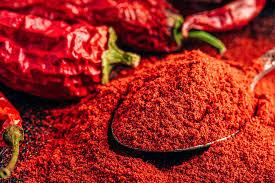
Red pepper contains 0.2–2% capsaicinoids, responsible for its pungency. Capsaicin, an alkaloid, accounts for about 50–70% of the total capsaicinoids, and dihydrocapsaicin for 20–25%, providing the fieriest notes from mid-palate to throat.
Red pepper also contains nonpungent compounds called capsinoids (e.g., capsiate and dihydrocapsiate). The health benefits of chili pepper include:
i. Cardiovascular Health: The antioxidant and antiplatelet properties of capsaicin, along with its role in regulating energy metabolism, contribute to its beneficial effects on the cardiovascular system.
ii. Blood Glucose Control: Human trials found that 5 g or more of chili pepper (Capsicum frutescens) was associated with a decrease in blood glucose levels and maintenance of healthy insulin levels.
iii. Thermogenesis, Satiety, and Weight Management: Short-term consumption of red pepper may assist in body weight management by increasing satiety and fullness, reducing energy and fat intake, increasing body heat production (thermogenesis), raising the body’s metabolic rate, preventing fat cells from growing into mature cells, and increasing fat burn-off (fat oxidation).
iv. Gut Health: Capsaicin is a gastroprotective agent in peptic ulcer disease, inhibiting acid secretion and stimulating alkali and mucus secretions (particularly gastric mucosal blood flow), which help prevent and heal ulcers. The antimicrobial activity of chili pepper, highlighted by inhibitory effects against Helicobacter pylori and other bacteria and fungi, has a beneficial effect on gut microbiota in humans. Gut microbiota is implicated as a novel and important metabolic factor affecting the health of the host, with its abundance, composition, and metabolites related to the risk of obesity, diabetes, liver cirrhosis, and cardiovascular disease.
Spices, herbs, and condiments such as cinnamon, ginger, turmeric, black pepper, garlic, and chili pepper offer significant health benefits due to their antimicrobial, antiviral, antibacterial, anti-inflammatory, and antioxidant properties.
These natural products contain active constituents like eugenol, curcumin, piperine, allicin, and capsaicin, which contribute to their therapeutic potential. From reducing oxidative stress and inflammation to supporting cardiovascular health, digestion, and weight management, these spices play a vital role in promoting overall well-being.
Their integration into diets and agricultural practices highlights their importance in both culinary and medicinal applications, making them valuable assets in health and nutrition.
Do you have any questions, suggestions, or contributions? If so, please feel free to use the comment box below to share your thoughts. We also encourage you to kindly share this information with others who might benefit from it. Since we can’t reach everyone at once, we truly appreciate your help in spreading the word. Thank you so much for your support and for sharing!