


Stinging nettle, also known as Urtica Dioica, dates back to Ancient Greece. It is a perennial flowering plant. Despite having origins in the colder parts of Europe and Asia, it is now widespread throughout the world.
From June through September, the plant blooms and typically reaches a height of two to four feet. It has heart-shaped leaves, blooms in yellow or pink, and thrives on soil that is high in nitrogen.
Stinging nettle is most well-known for the stinging reaction that happens when the skin comes into touch with the tiny stinging hairs (also known as trichomes) found on its leaves and stems, but it also has several advantageous health properties when processed and used medicinally.
Stinging nettles are frequently depicted in folklore from various cultures and religions. The myth often suggests that you should endure a sting quietly or without rubbing or scratching the painful spot.
Nettles was employed as a diuretic and a laxative in ancient Greece by the physicians Galen and Dioscorides. It was used as a diuretic and to cure and naturally lessen joint discomfort in medieval Europe. People used to think that ripping it out by the roots and yelling the name of the sick person would also reduce a fever.
Read Also: 6 Health Benefits of Horny Goat Weed (Epimedium)
Since the Neolithic era, stinging nettle has been used to produce textiles like cloth and paper. It’s a fantastic alternative, sustainable fiber with fibers that resemble hemp and flax. The hollow nature of the fiber acts as natural insulation.
In both World Wars, the German army employed nettle to make its uniforms, first in World War I and then in World War II.
Urtication, or beating the skin with stinging nettles to increase blood flow, was another method of using stinging nettles to treat specific ailments.
Have you ever unintentionally brushed up against a seemingly unharmful plant while walking past it and experienced a mild stinging or prickling pain? Most likely, you have… and it’s possible that you came into contact with a plant that produces stinging nettles.
Stinging nettle is a useful perennial that treats a number of conditions, despite the fact that you may like to hate the plant for your momentary agony.
Making stinging nettle tea from the leaves, a typical natural allergy cure is perhaps its most well-known use. It has also been demonstrated to improve urinary, skin, and bone health.
So how did this plant, which at first glance seems to be something to avoid, end up becoming a go-to for therapeutic purposes? Let’s investigate.
Read Also: 3 Health Benefits of Kudzu Root (Pueraria Montana)
5 Health Benefits of Stinging Nettle (Urtica Dioica)
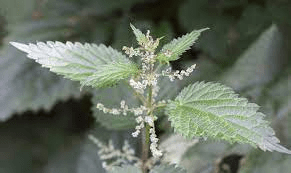
Vitamins A, C, and K as well as B vitamins can be found in stinging nettle roots and leaves. Terpenoids, carotenoids, fatty acids, vital amino acids, chlorophyll, and minerals are abundant in the leaves. They also contain significant amounts of polyphenols, which are antioxidants.
A cup of blanched nettle leaves has 37.4 calories, 6.6 grams of carbs, and 2.4 grams of protein, according to the USDA.
1. Helps Reduce BPH and Urinary Problems
The enlarged prostate gland’s pressure on the urethra is what causes BPH symptoms. Increased urination desires, inadequate bladder emptying, painful urination, post-urination dribbling, and decreased urine flow are all symptoms of BPH.
Stinging nettle may be just as successful in treating this condition as finasteride, the drug often used to treat BPH, according to testosterone-induced BPH research on rats.
Although several clinical studies suggest that stinging nettle includes compounds that influence the hormones that cause BPH, doctors are still unsure of why it relieves some of these symptoms. It also has an immediate impact on prostate cells when administered.
Prostate cancer cell spread has also been demonstrated to be slowed or stopped by stinging nettle root extract. Usually, it is used with other herbs and saw palmetto. The plant’s root is mostly used to treat urinary problems, such as lower urinary tract infections.
The successful general diuretic stinging nettle also aids with urine flow. Additionally, it is utilized in homemade bladder infection cures.
2. Soothes Osteoarthritis Pain
Joint discomfort, usually in the hands, knees, hips, and spine, is a common symptom of arthritis. Nettle helps people use fewer nonsteroidal anti-inflammatory medicines (NSAIDs), which is beneficial for their overall health. This is a great match because using NSAIDs for a long time might have a multitude of negative side effects.
Additionally, research indicates that topically putting nettle leaves on painful areas helps reduce arthritic symptoms and joint discomfort. Nettle aids in bringing about the relief when taken orally.
Another study in the Journal of Rheumatology demonstrates the anti-inflammatory properties of stinging nettles against other autoimmune illnesses like rheumatoid arthritis.
Read Also: 7 Health Benefits of Horseradish Root (Armoracia rusticana)
3. May Help In Reducing Hay Fever
The unpleasant reactions associated with allergies are produced by histamine in the body. Sneezing, itching and other unpleasant symptoms are brought on by allergies.
If used as soon as the first signs of hay fever arise, the anti-inflammatory properties of stinging nettle have an impact on several crucial receptors and enzymes in allergic reactions.
Although it may seem counterproductive to use histamine in the treatment of allergies, histamines have historically been used to treat extremely severe allergic reactions.
There is also proof that severe reactions are characterized by low plasma histamine levels rather than high levels.
In a 98-person, randomized, double-blind research, stinging nettle use for allergy relief was evaluated as higher than placebos, according to a different international study from the National College of Naturopathic Medicine.
4. Aids Treatment Of Eczema
Eczema patients may experience a dry, itchy rash that lasts for a very long period. Stinging nettle can be a natural treatment for eczema due to its antihistamine and anti-inflammatory properties. Nettle can be taken internally to treat eczema and combined with a lotion to relieve itching by sufferers.
5. Helps Relief Respiratory Issues
Asthma, hay fever, and other seasonal allergies are just a few of the respiratory problems that stinging nettle has been linked to as a supplementary medicine. Additionally, specific stinging nettle extract mixtures can dramatically lessen allergic responses.
Read Also: 8 Amazing Health Benefits of Galangal (Alpinia galanga)
Scientific Evidence and Case Studies on Stinging Nettle (Urtica dioica)
1. Benign Prostatic Hyperplasia (BPH): A randomized, double-blind, placebo-controlled clinical trial conducted by Safarinejad et al. assessed the efficacy of stinging nettle root extract in men with symptomatic BPH. The study found that the group receiving the extract showed significant improvement in International Prostate Symptom Score (IPSS) and peak urinary flow rate compared to the placebo group, confirming its effectiveness in managing urinary tract symptoms associated with an enlarged prostate.
2. Osteoarthritis and Joint Pain: Research by Randall et al. investigated the analgesic effects of stinging nettle leaf applied topically to painful joints in patients with osteoarthritis of the thumb or index finger. The randomized controlled trial demonstrated that the active application of nettle leaf provided significantly greater pain relief and reduction in disability compared to the placebo leaf, likely due to the counter-irritant effect and inhibition of inflammatory cytokines.
3. Allergic Rhinitis (Hay Fever): A double-blind, randomized study by Mittman et al. evaluated the use of freeze-dried nettle extract for treating allergic rhinitis. The results indicated that participants rated the nettle preparation higher than the placebo for global effectiveness in relieving symptoms such as sneezing and congestion, suggesting it may act as a natural antihistamine by inhibiting the inflammatory pathway.
4. Type 2 Diabetes Management: A clinical study by Kianbakht et al. examined the effects of stinging nettle leaf extract on blood glucose levels in patients with advanced type 2 diabetes. The findings revealed that after three months of treatment, the patients showed a significant decrease in fasting blood glucose, HbA1c levels, and 2-hour postprandial glucose compared to the control group, highlighting its hypoglycemic potential.
5. Antimicrobial Activity: Research by Modarresi-Chahardehi et al. analyzed the antimicrobial properties of extracts from stinging nettle leaves and stems. The study showed that ethyl acetate extracts exhibited strong antibacterial activity against Gram-positive and Gram-negative bacteria, including Staphylococcus aureus, supporting its traditional use in treating infections and promoting wound healing.
Nutritional Value Of Stinging Nettle (Urtica dioica)
1. Vitamin K: Stinging nettle is an exceptionally rich source of Vitamin K1 (phylloquinone). This essential nutrient is critical for blood clotting and plays a vital role in bone health by regulating calcium deposition in the bone matrix.
2. Iron: The plant provides a significant amount of non-heme iron. This makes it a valuable dietary addition for preventing anemia and combating fatigue, especially when consumed with Vitamin C-rich foods that enhance iron absorption.
3. Formic Acid: Found in the trichomes (stinging hairs) of the plant, formic acid is one of the compounds responsible for the “sting.” When processed or cooked, it breaks down, but in topical applications, it acts as a rubefacient that stimulates blood flow to relieve joint pain.
4. Neurotransmitters (Histamine and Serotonin): The stinging hairs contain histamine, serotonin, and acetylcholine. While these cause irritation upon contact with skin, internally they play roles in gut motility and, in the case of serotonin, mood regulation, though dietary intake affects the body differently than endogenous production.
5. Beta-Carotene (Pro-Vitamin A): Nettle leaves are high in carotenoids like beta-carotene. The body converts this into Vitamin A, which is essential for maintaining healthy vision, immune function, and skin health.
6. Quercetin: A potent flavonoid and antioxidant found in nettle. Quercetin inhibits the release of histamines from mast cells, contributing to the herb’s ability to alleviate allergy symptoms and reduce systemic inflammation.
7. Calcium: It is a robust plant-based source of calcium. This mineral is fundamental for skeletal strength, muscle contraction, and nerve transmission, making nettle infusions a popular “bone-building” tonic.
Frequently Asked Questions About Stinging Nettle (Urtica dioica)
1. Why does stinging nettle sting? The plant is covered in tiny, hollow hairs (trichomes) that act like hypodermic needles, injecting chemicals like formic acid and histamine when touched.
2. How do you remove the sting before eating it? Cooking (steaming or boiling) or drying the leaves completely neutralizes the stinging chemicals, making the plant safe to eat.
3. Is stinging nettle good for hair loss? Yes, nettle root extract is often used in hair products because it may block DHT (dihydrotestosterone), a hormone linked to hair loss.
4. Can I eat stinging nettle raw? It is not recommended to eat it raw unless it has been vigorously blended (like in a smoothie) to crush the stingers, otherwise, it will sting the mouth and throat.
5. Is stinging nettle safe during pregnancy? It is generally advised to avoid medicinal amounts or root extracts during pregnancy as it can stimulate uterine contractions, though some midwives permit the leaf tea in later stages.
6. What is the difference between nettle leaf and nettle root? The leaf is typically used for allergies and joint pain, while the root is primarily used for prostate health (BPH).
7. How do I treat a sting from the plant? Washing the area with soap and water to remove the chemicals and applying a paste of baking soda or a dock leaf (often found nearby) can help soothe the pain.
8. Does stinging nettle tea contain caffeine? No, stinging nettle tea is naturally caffeine-free.
9. Can stinging nettle help with water retention? Yes, it is a natural diuretic that helps the body flush out excess salt and water through urine.
Do you have any questions, suggestions, or contributions? If so, please feel free to use the comment box below to share your thoughts. We also encourage you to kindly share this information with others who might benefit from it. Since we can’t reach everyone at once, we truly appreciate your help in spreading the word. Thank you very much for your support and for sharing!
Disclaimer: This article is for educational and informational purposes only. The health benefits described are based on scientific research and traditional knowledge. They ayre not a substitute for professional medical advice, diagnosis, or treatment. Always consult a healthcare professional before using any herb or natural remedy for medical purposes.