


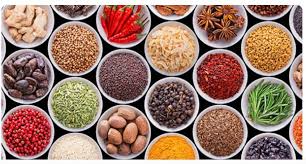
Underutilized or neglected crops are labels often applied to plant species that are indigenous, rather than non-native or adapted introductions, and often form a complex part of the culture and diets of the people who grow them.
These crops were used as traditional foods for centuries but became increasingly neglected when more productive crops became available in farming systems. Nigeria is blessed with many indigenous herbs and spices whose application is mostly confined within the country.
These spices have not been exploited for international trade. Despite their neglect, these herbs and spices have great culinary and medicinal benefits. Efforts must be geared towards promoting the utilization and cultivation of these spices, especially at the commercial level. Some of these underutilized spices include negro pepper, black pepper, alligator pepper, African nutmeg, and African basil, to mention but a few.
Read Also: Complete Practical Guide on Pepper Farming
Medicinal and Culinary Benefits of Negro Pepper (Xylopia aethiopica)
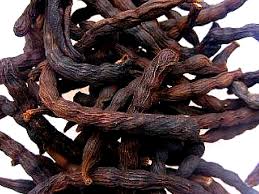
Negro pepper (Xylopia aethiopica), known as uda in Igbo and kimba in Hausa, comes from the tropical West African rainforest tree, but its seeds and leaves are widely used in all parts of Nigeria and indeed all over the world as spice and medicine. The spice is aromatic, has an intense flavor, and is slightly bitter.
The seeds are embedded in pods. In some foods and soups, the pods are opened, and the sticky black seeds are removed and discarded because of their bitterness. In others, the pods and seeds are toasted over open fire and then crushed. The health benefits of negro pepper are as follows:
In Eastern Nigeria, where it appears to be more used than elsewhere in Nigeria, it is the culinary herb of choice for nursing mothers. Negro pepper (NP) is used for cooking pepper soups, nsala soup for lactating mothers, as well as several other dishes.
In Northern Nigeria, where it is called kimba, it is ground and used in seasoning meat and a variety of other dishes. Some of the health benefits include:
- Promotes Weight Loss: Regular use of NP seeds as a spice can help promote weight loss by boosting metabolism and reducing appetite.
- Bronchitis Treatment: NP seed is a potent natural solution that can be used to tackle the respiratory disease, bronchitis.
- Asthma Relief and Other Respiratory Diseases: NP seeds are packed full of anti-inflammatory compounds that can be effective in preventing asthmatic triggers and relieving asthma attacks. A couple of research studies have shown that uda seed contains chemical compounds that help relieve other respiratory system diseases like common cold and bacterial pneumonia, just to name a few.
- Helps Fight Rheumatism: Rheumatism or rheumatic disorders is a general term used for any disease condition that causes chronic pain and inflammation in the muscles, joints, and connective tissue. Due to the anti-inflammatory properties of NP seeds, it helps fight against rheumatism and associated pain.
- Can Help Take Care of Menstrual Problems: NP seed has long been associated with the treatment of menstrual issues. In some places, uda has been traditionally used in treating amenorrhea and improving menstrual blood flow.
- Great for Treating Skin Issues: NP seeds have long been used traditionally to treat skin conditions such as itches, boils, pimples, and so on.
- Helps in Lactation: Crushed NP seed is used by some lactating mothers to increase milk production and flow.
- Has Anti-Inflammatory Properties: NP seed is rich in anti-inflammatory properties, which can help fight unwanted inflammation in the body.
Medicinal and Culinary Benefits of Black Pepper (Piper guineense)
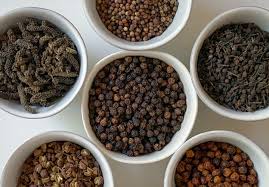
Black pepper (Piper guineense), known as uziza in Igbo and iyere in Yoruba, contains phytochemicals including alkaloids, flavonoids, saponins, tannins, terpenes, resins, steroids, and essential oils such as dillapiol, elemicin, myristicine, safrole, and cardiac glycosides.
Black pepper (BP) has a rich content of antioxidants like piperine and other phytochemicals (flavonoids), which are responsible for its many health benefits. The health benefits of this amazing plant include:
- Relieves Cold and Cough: BP has been used in ancient African medicine to treat cold and cough symptoms. Piperine, the essential oil in uziza, helps relieve congestion and clear out thick mucus. Furthermore, uziza is rich in essential nutrients that help strengthen immunity and protect the body from infectious diseases.
- Fights Infection: The fruits and leaves of BP have long been used to treat microbial infections in African traditional medicine. Traditional healers use fresh leaves or dried fruits to make an alcohol infusion that is given to treat bacterial, fungal, and parasitic infections. One study found that the fruit and leaf extract of P. guineense showed antimicrobial and antifungal activity against several human pathogens. Another animal study found that extracts of P. guineense cleared about 60% of malaria-causing parasites from the blood.
- Prevents Cancer: Piperine, the active ingredient in P. guineense, has been found to inhibit the proliferation and growth of cancer cells in several studies. One study found that piperine present in BP may prevent and treat breast cancer. However, more human research is needed.
- Controls Blood Sugar Level: A high blood sugar level is a common symptom of diabetes. Traditional medicine experts believe that eating uziza soup regularly could help treat high blood sugar levels in people with diabetes.
- Has Anti-Inflammatory Properties: Inflammation is often an underlying factor in most health conditions like diabetes, arthritis, heart disease, and cancer. One 2018 study found that hexane extracts of P. guineense showed potent anti-inflammatory properties in animal models. Meanwhile, in traditional medicine, a poultice prepared from dried fruits of BP is applied externally to reduce arthritic pain.
- Promotes Weight Loss: Adding BP to the diet may help boost metabolism and promote weight loss. Also, drinking uziza tea before meals promotes satiety and reduces overeating.
- Promotes Uterine Contraction After Childbirth: Uziza (Piper guineense) is added to soups and given to women after childbirth. It is believed to reduce or shrink the uterus, cleanse the uterus, and promote milk supply.
Medicinal and Culinary Benefits of Alligator Pepper (Aframomum melegueta)
Aframomum melegueta (alligator pepper or Grains of Paradise) is a spice with a similar composition to ginger, belonging to the same Zingiberaceae family. It is used in Nigeria, West Africa. Generally, in Nigeria, the seed of alligator pepper (AP) is used in different formulations for nutrition and food purposes.
The tiny seeds are extracted from its pods and then ground and added to soups and stews. This is meant to produce a special tasty flavor, peppery taste, and fruity undertone to the soups.
Studies have shown that seeds contain important phytochemicals, namely alkaloids, glycosides, tannins, flavonoids, sterols, triterpenes, and oils, some of which are responsible for its pesticidal and antimicrobial properties. AP has traditionally been used to treat these health challenges:
- Used to Treat Arthritis
- For Boils and Pimples
- Has Anti-Inflammatory Properties
- Antimicrobial Properties Used to Treat Dental Problems
Medicinal and Culinary Benefits of Tetrapleura tetraptera (Aidan Tree)
The Aidan tree (Tetrapleura tetraptera), a deciduous perennial native to West Africa, has many uses. It is referred to as apapa in Ijaw, while the Binis call it ighimiaka. The fruit of the Aidan tree has its unique flavor and aroma that spices up white soup (afia afere in Efik or ofe nsala in Igbo).
In Ibibio land, it is used in spicing nearly all foods. The Igbo tribe in Nigeria uses it mainly for cooking pottage. Ijaw people use it to prepare pepper soups and other dishes. The plant is used as a spice, a medicine, and as a dietary supplement rich in vitamins. The health benefits include:
- It is used as a post-parturition and lactation aid.
- It may be used for the management and treatment of arthritis and other inflammatory-related ailments.
- It may help reduce blood sugar and blood pressure.
- It could be used to control epilepsy.
Medicinal and Culinary Benefits of African Basil (Ocimum gratissimum)
African basil (Ocimum gratissimum) is a very important culinary herb widely used all over the world. As an awesome multi-purpose plant, used fresh or dried, African basil is commonly cultivated for dietary and medicinal uses. Due to its peculiar and pungent aroma, African basil is known all over Nigeria as scent leaf. Its use as meat seasoning in contemporary Nigeria is almost without equal among Nigerian culinary herbs.
Others put the leaves in salads. It tastes great in stews. For its taste and strong aroma, the Ijaw from the south-southern part of Nigeria use the leaves in sauces, soups, and meat.
It is used in the famed ekpang nkwukwo soup of the Efik and Ibibio people. It has also been an Igbo plant for ages and tastes great with ofe akwu, ukwa, and other Igbo delicacies. It is called effirin in Yoruba and nchawu in Igbo.
The plant serves as a mosquito repellent and is used for the traditional treatment of fever, tooth, and gum disorders. The pulped foliage is believed to have antiseptic properties.
Phytochemical constituents include tannins, flavonoids, terpenoids, saponins, and alkaloids. It has been reported to have anti-inflammatory, antibacterial, antifungal, anti-carcinogenic, and antioxidant properties.
Read Also: Pincushion Flowers (Scabiosa Spp): Complete Growing and Care Guide
Medicinal and Culinary Benefits of Amaranth Globe (Gongronema latifolium)
Gongronema latifolium is referred to as utazi and madumaro by the Igbo and Yoruba tribes of Nigeria, respectively. This plant has been used in the eastern part of Nigeria, particularly Igboland, over the ages but has now become a regular feature in Nigerian delicacies across the country. The leaves serve as edible vegetables for soups.
It is used for the bitter taste it imparts to soups and stews. Its peculiar bitter taste is believed to be its unique antidote for the treatment of some stomach-related ailments and the management of other diseases like diabetes and high blood pressure.
The leaves are used as a bitter tonic to treat loss of appetite and for the management of diabetes. An infusion of the aerial parts is taken to treat cough, intestinal worms, dysentery, dyspepsia, and malaria.
The plant is similarly used in the treatment of hypertension, muscular pains, arthritis, joint inflammation, and control of cholesterol. Gongronema latifolium possesses antihepatotoxicity effects against liver damage induced by paracetamol, anti-ulcer, analgesic, and antipyretic properties.
Medicinal and Culinary Benefits of African Nutmeg (Monodora myristica)
Monodora myristica has the common names of African nutmeg and calabash nutmeg, and in Nigeria, it is called “ehuru” in Igbo, “abolakoshe” in Yoruba, and “ebenoyoba” in Benin. In addition, the bark, seeds, and leaves are used in treating various ailments in African traditional medicine. However, the most economically important part is the seeds, which are embedded in the white, sweet-smelling pulp of the subspherical fruit.
The seeds have nutritive and calorific values that make them necessary in diets. The kernel obtained from the seed has an aromatic fragrance, which makes it suitable as a spicing agent in both African and continental cuisines in Nigeria. In eastern countries, the kernel is used as a drug more than as a condiment.
Monodora myristica has a bitter, pungent taste and is therefore used for bronchitis and to improve appetite. Following roasting and grinding, the seeds are rubbed on the skin for skin diseases, thus suggesting that the seeds of the M. myristica plant could be germicidal or antiseptic.
When ground to powder, the seed may be taken as a stimulant to relieve constipation and to control passive uterine hemorrhage in women immediately after childbirth. It also has diuretic properties and is used for mild fever and as an antiseptic. Monodora myristica produces a favorable lipid profile and ameliorates antioxidant levels.
Do you have any questions, suggestions, or contributions? If so, please feel free to use the comment box below to share your thoughts. We also encourage you to kindly share this information with others who might benefit from it. Since we can’t reach everyone at once, we truly appreciate your help in spreading the word. Thank you so much for your support and for sharing!