


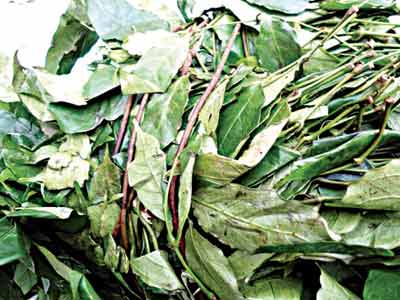
Utazi leaf, scientifically known as Gongronema latifolium, is a climbing shrub native to West Africa, particularly popular in Nigerian cuisine and traditional medicine. Known for its distinctive bitter taste, utazi (also called arokeke or bush buck) is commonly used to flavor soups, stews, and sauces while providing significant nutritional and therapeutic value through its rich content of vitamins, minerals, fiber, and bioactive compounds like flavonoids, alkaloids, saponins, and phenols.
Introduction to Utazi Leaf
Utazi leaf (Gongronema latifolium) is a versatile perennial plant valued in African traditional practices for enhancing digestion, managing chronic conditions, and boosting overall health. Its bitter flavor complements many dishes, but its true strength lies in the array of nutrients and phytochemicals that support antioxidant, anti-inflammatory, antimicrobial, and antidiabetic effects.
Read Also: The Health Benefits of Using Accent Seasoning on your Cooking
Nutritional Profile of Utazi Leaf

1. Rich in Nutrients: Provides vitamins A (vision and immunity), C (antioxidant and immune support), E (cellular protection), and minerals like calcium (bone health), iron (oxygen transport), magnesium (muscle function), and potassium (blood pressure regulation).
2. High Fiber Content: Abundant dietary fiber promotes regular bowel movements, prevents constipation, and supports gut health.
3. Low in Calories: Ideal for nutrient-dense, low-calorie additions to meals, aiding weight management.
4. Phytochemicals Presence: Contains flavonoids, alkaloids, saponins, tannins, and phenols contributing to medicinal properties.
5. Nutritional Versatility: Enhances flavor and nutrition in soups, stews, and other dishes.
Antioxidant Properties of Utazi Leaf
1. Free Radical Scavenging: Neutralizes harmful free radicals, reducing oxidative stress and cellular damage.
2. Disease Prevention: May lower risks of chronic conditions like heart disease, diabetes, and cancer by combating inflammation and oxidative stress.
3. Boosting Immune Function: Enhances the body’s defense against infections and illnesses.
4. Skin Health Support: Promotes collagen production and reduces aging signs like wrinkles.
5. Overall Well-Being: Maintains balance between free radicals and antioxidants for sustained health.
Anti-Inflammatory Effects of Utazi Leaf
1. Reducing Inflammation: Potent compounds alleviate symptoms of inflammatory conditions.
2. Pain Relief: Provides relief from arthritis, muscle aches, and other pain-related issues.
3. Support for Respiratory Health: Reduces airway inflammation in conditions like asthma and bronchitis.
4. Immune System Modulation: Balances immune responses to prevent overactivity.
5. Healing Support: Accelerates wound and injury recovery by minimizing inflammation.
Role of Utazi Leaf in Digestive Health
1. Digestive Aid: Stimulates enzymes, improves appetite, and enhances nutrient absorption.
2. Anti-Diarrheal Effects: Regulates bowel movements to manage diarrhea.
3. Promoting Healthy Gut Flora: Fiber nourishes beneficial bacteria for microbiome balance.
4. Relief from Bloating: Reduces gas and indigestion discomfort.
5. Nutrient Absorption: Optimizes uptake of essential nutrients from food.
Utazi Leaf and Blood Sugar Regulation
1. Potential Blood Sugar Control: Enhances insulin sensitivity and glucose metabolism.
2. Glycemic Index Impact: Lowers post-meal spikes for better control.
3. Antioxidant Benefits: Reduces oxidative stress linked to insulin resistance.
4. Traditional Use: Historically employed for diabetes management.
5. Role in Diet: Supports metabolic health and reduces diabetes complications.
Benefits of Utazi Leaf for Liver Health
1. Liver Detoxification: Aids in cleansing toxins.
2. Hepatoprotective Effects: Protects cells from damage.
3. Improving Liver Function: Promotes bile production for digestion and fat metabolism.
4. Managing Fatty Liver Disease: Reduces inflammation and supports fat processing.
5. Support for Liver Repair: Aids regeneration after damage.
Utazi Leaf’s Contribution to Heart Health
1. Cholesterol Management: Lowers LDL while raising HDL.
2. Anti-Inflammatory Properties: Reduces cardiovascular inflammation.
3. Blood Pressure Regulation: Supports healthy flow and vasodilation.
4. Antioxidant Protection: Shields the heart from oxidative damage.
5. Overall Heart Health: Lowers risks of attacks and strokes.
Immune System Support from Utazi Leaf
1. Strengthening Immune Response: Vitamins and antioxidants boost resistance.
2. Anti-inflammatory Benefits: Modulates to prevent autoimmune issues.
3. Antimicrobial Activity: Combats bacteria and viruses.
4. Supporting Respiratory Health: Fights infections.
5. Traditional Medicine: Enhances overall immunity.
Antimicrobial Properties of Utazi Leaf

1. Broad-Spectrum Activity: Inhibits bacteria, fungi, and viruses.
2. Phytochemical Compounds: Disrupts pathogen functions via flavonoids and alkaloids.
3. Traditional Use in Infection Treatment: Supports healing of wounds and infections.
4. Potential in Modern Medicine: Explored for new agents.
5. Synergistic Effects: Enhances with other herbs.
Effects of Utazi Leaf on Weight Management
1. Appetite Suppression: Bitter taste reduces cravings.
2. Metabolism Boosting: Increases fat oxidation.
3. Blood Sugar Regulation: Prevents insulin spikes and fat storage.
4. Digestive Health Improvement: Enhances nutrient use.
5. Traditional Practices: Incorporated in weight control diets.
Read Also: 10 Health Benefits of Using Grains of Paradise on your Cooking
Scientific Evidence and Case Studies on Utazi Leaf (Gongronema latifolium)
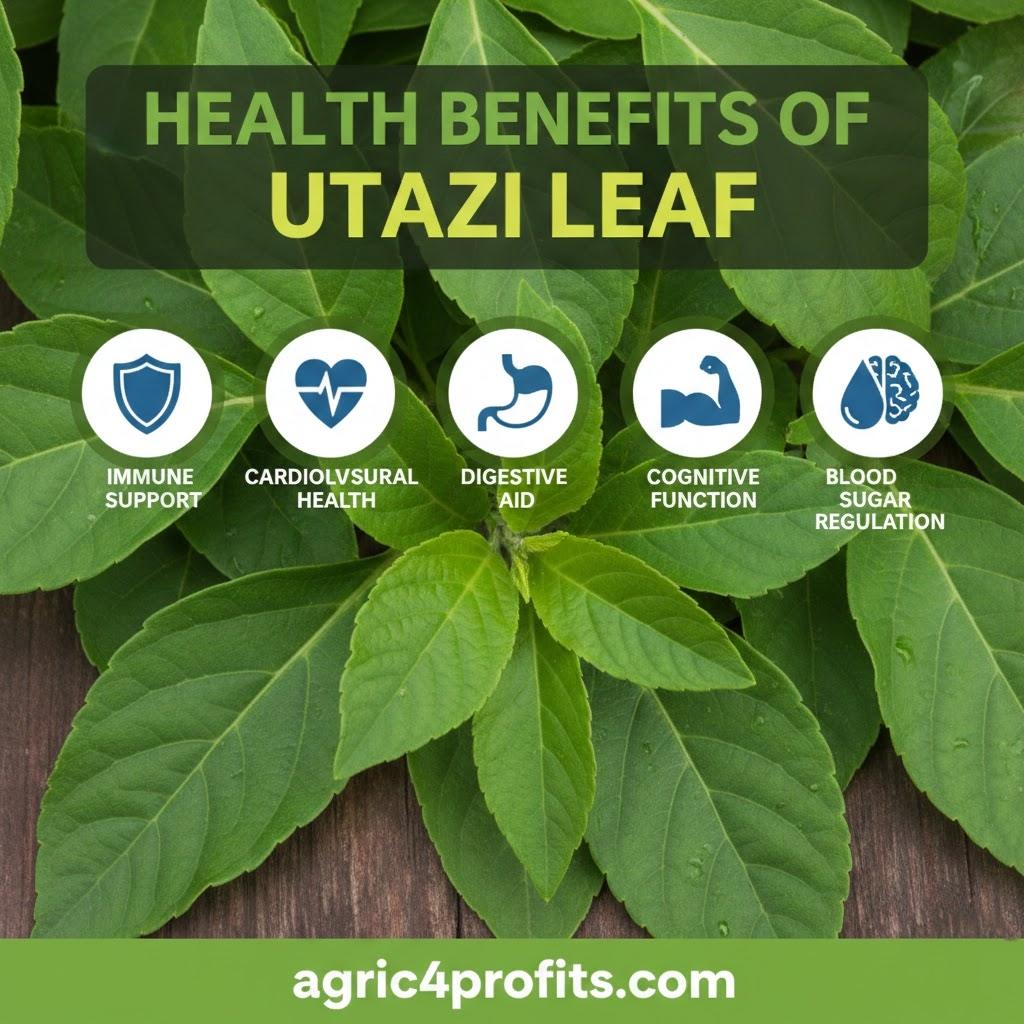
1. Antidiabetic effects: Leaf extract modulates hyperglycemia, improves insulin sensitivity, reduces blood glucose, and inhibits redox imbalance/inflammation in diabetic models, comparable to standard treatments.
2. Hypoglycemic and hypolipidemic activity: Consumption significantly lowers plasma glucose, cholesterol, triglycerides, and LDL in human subjects, beneficial for diabetes and cardiovascular management.
3. Anti-inflammatory and cardioprotective properties: Protects against myocardial injury by downregulating oxidative stress, inflammatory biomarkers, and cardiac injury markers.
4. Antioxidant and antimicrobial effects: Exhibits free radical scavenging, protects against oxidative damage, and shows activity against bacteria like S. enteritidis, P. aeruginosa, and others.
5. Hepatoprotective and digestive support: Supports liver function, detoxification, and gut health through phytochemicals.
Summary of Utazi Leaf
| Aspect | Key Details |
|---|---|
| Plant Description | Gongronema latifolium (utazi), climbing shrub, bitter leaves, West African native |
| Nutritional Highlights | Vitamins (A, C, E), minerals (Ca, Fe, Mg, K), high fiber, low calories, phytochemicals |
| Main Health Benefits | Antioxidant, anti-inflammatory, antidiabetic, antimicrobial, digestive aid, heart/liver support |
| Traditional Uses | Soups/stews flavoring, remedies for diabetes, hypertension, infections, digestion |
| Preparation | Fresh/dried in meals, teas/infusions, juices |
| Scientific Backing | Studies confirm glucose lowering, lipid reduction, inflammation inhibition |
| Precautions | Consult professionals for therapeutic use; moderate intake due to bitterness |
Frequently Asked Questions
1. What is utazi leaf?
Utazi leaf (Gongronema latifolium) is a bitter-tasting West African vegetable used in cooking and traditional medicine for its nutrient-rich and therapeutic properties.
2. What are the main health benefits of utazi leaf?
It supports digestion, reduces inflammation, provides antioxidants, regulates blood sugar, aids weight management, boosts immunity, and promotes heart and liver health.
3. How does utazi leaf help with diabetes?
It enhances insulin sensitivity, lowers blood glucose, and reduces oxidative stress/inflammation, as shown in studies on diabetic models and human subjects.
4. Can utazi leaf aid weight loss?
Its fiber promotes fullness, bitter taste suppresses appetite, and it supports metabolism and blood sugar stability for better weight control.
5. Is utazi leaf good for digestion?
Yes, it stimulates enzymes, relieves bloating/constipation/diarrhea, and supports gut flora through high fiber.
6. Does utazi leaf have antimicrobial effects?
It inhibits various bacteria, fungi, and viruses due to phytochemicals, useful as complementary support for infections.
7. How can I use utazi leaf?
Add fresh or dried leaves to soups, stews, salads, or brew as tea; start with small amounts to adjust to bitterness.
8. Are there benefits for heart health?
It may lower bad cholesterol, regulate blood pressure, reduce inflammation, and protect against oxidative damage.
9. Is utazi leaf safe for everyone?
Generally safe in food amounts, but consult a healthcare provider if using therapeutically, especially with medications or conditions.
10. Can utazi leaf support liver health?
Its detoxifying and antioxidant properties protect liver cells, promote function, and aid in managing fatty liver issues.
Do you have any questions, suggestions, or contributions? If so, please feel free to use the comment box below to share your thoughts. We also encourage you to kindly share this information with others who might benefit from it. Since we can’t reach everyone at once, we truly appreciate your help in spreading the word. Thank you very much for your support and for sharing!
Disclaimer: This article is for educational and informational purposes only. The health benefits described are based on scientific research and traditional knowledge. They ayre not a substitute for professional medical advice, diagnosis, or treatment. Always consult a healthcare professional before using any herb or natural remedy for medical purposes.
Read Also: Cheap Car Insurance (Auto Insurance) Complete Guide