



Zollernia is a genus of flowering plants in the legume family, Fabaceae. These plants are native to tropical regions of the Americas, particularly in South America. The genus belongs to the subfamily Detarioideae, which includes several other tree species.
One well-known species in the Zollernia genus is Zollernia paraensis. This tree is found in the Amazon rainforest and other parts of South America. It is a large, hardwood tree with compound leaves and produces leguminous fruits.
Zollernia species are part of the larger ecological tapestry of tropical forests, contributing to biodiversity and playing roles in various ecological processes. Some species within the Fabaceae family, to which Zollernia belongs, are also known for their ability to fix nitrogen in the soil, enhancing the fertility of their surroundings.
While Zollernia species may not be as widely recognized in horticulture or for specific uses, they are essential components of the ecosystems in which they are found.
Given the vast biodiversity of tropical regions, many plant species, including those in the Zollernia genus, continue to be studied for their ecological roles, potential medicinal uses, and other contributions to local cultures and environments.
The Botanical Description of Zollernia
1. Family: Zollernia belongs to the Fabaceae family, which is one of the largest families of flowering plants, comprising about 19,500 species.
2. Genus: Zollernia is a genus within the Fabaceae family, consisting of several species of trees and shrubs.
3. Habit: Species of Zollernia vary in habit, ranging from small shrubs to medium-sized trees.
4. Leaves: The leaves of Zollernia are typically compound, with multiple leaflets arranged alternately along the stem. Leaflets may vary in shape and size depending on the species.
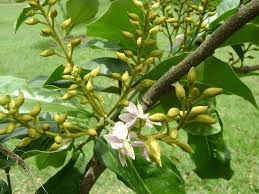
5. Flowers: Zollernia plants produce small, inconspicuous flowers that are typically arranged in clusters or racemes. The flowers may vary in color from white to shades of pink or purple.
6. Inflorescence: The inflorescence of Zollernia plants is typically a raceme, with multiple flowers attached to a central axis.
7. Fruit: The fruit of Zollernia is a legume, commonly referred to as a pod, which contains seeds. The pods may be elongated or rounded, and they often split open when mature to release the seeds.
8. Seed: Zollernia seeds are usually contained within the pods and may vary in size, shape, and color depending on the species.
9. Bark: The bark of Zollernia trees is often smooth when young, becoming rougher and more textured with age. Bark color may range from grayish-brown to darker shades.
10. Growth Habit: Zollernia species exhibit various growth habits, with some forming dense, bushy shrubs and others developing into tall, upright trees.
11. Root System: Zollernia plants typically have a well-developed root system, which helps anchor the plant in the soil and absorb water and nutrients.
12. Ecological Role: Zollernia species play important ecological roles in their native habitats, providing food and habitat for various wildlife species and contributing to ecosystem diversity and stability.
The Geographic Distribution of Zollernia

1. Neotropics: The majority of Zollernia species are native to the Neotropical region, which includes Central and South America, as well as the Caribbean islands.
2. Brazil: Brazil is a hotspot for Zollernia diversity, with numerous species found throughout the country, particularly in the Amazon rainforest and other tropical forest ecosystems.
3. Other South American Countries: Zollernia species are also found in other South American countries, including Colombia, Peru, Venezuela, and Ecuador.
4. Central America: Several species of Zollernia are native to Central American countries such as Mexico, Costa Rica, Panama, and Guatemala.
5. Caribbean Islands: Some Zollernia species occur naturally in the Caribbean islands, including Cuba, Jamaica, Hispaniola (Haiti and the Dominican Republic), and Puerto Rico.
6. Africa: A few Zollernia species have been reported in Africa, particularly in countries with tropical climates such as Nigeria, Cameroon, and Gabon.
7. Asia: While less common, a small number of Zollernia species are found in parts of Asia, including India, Sri Lanka, and Southeast Asian countries such as Thailand and Indonesia.
8. Habitat: Zollernia species inhabit various types of ecosystems, including tropical rainforests, dry forests, savannas, and disturbed areas.
9. Altitudinal Range: Zollernia species are typically found at low to moderate elevations, although some may occur at higher altitudes in mountainous regions.
10. Endemism: Several Zollernia species exhibit restricted geographic ranges and are considered endemic to specific regions or habitats.
11. Conservation Status: The conservation status of Zollernia species varies, with some facing threats such as habitat loss, deforestation, and overexploitation, while others are relatively widespread and not considered at immediate risk. Conservation efforts are needed to protect vulnerable species and their habitats.
The Chemical Composition of Zollernia
1. Flavonoids: Zollernia species contain flavonoids, which are known for their antioxidant and anti-inflammatory properties.
2. Triterpenoids: Triterpenoids found in Zollernia plants exhibit diverse pharmacological activities, including antimicrobial, anti-inflammatory, and anticancer effects.
3. Alkaloids: Some Zollernia species produce alkaloids, which may have analgesic, sedative, or cytotoxic effects depending on their chemical structure.
4. Phenolic Compounds: Phenolic compounds present in Zollernia plants contribute to their antioxidant activity and may help protect against oxidative stress-related diseases.
5. Saponins: Zollernia plants contain saponins, which have been reported to have antimicrobial, anti-inflammatory, and immunomodulatory properties.
6. Tannins: Tannins found in Zollernia species possess astringent properties and may have antimicrobial and antioxidant effects.
7. Coumarins: Coumarins identified in Zollernia plants have been associated with various biological activities, including anticoagulant, anti-inflammatory, and antitumor effects.
8. Essential Oils: Some Zollernia species produce essential oils rich in volatile compounds, which may have therapeutic effects when used in aromatherapy or topical applications.
9. Terpenoids: Terpenoids present in Zollernia plants have diverse biological activities, including antifungal, antiviral, and insecticidal properties.
10. Carotenoids: Carotenoids found in Zollernia plants are responsible for their vibrant colors and may have antioxidant and immune-boosting effects.
11. Glycosides: Zollernia species contain glycosides, which are sugar-bound compounds that may have cardiovascular, anticancer, or neuroprotective effects.
12. Lignans: Lignans identified in Zollernia plants have been associated with estrogenic and antioxidant properties and may have potential applications in hormone-related disorders.
13. Proteins and Amino Acids: Zollernia plants contain proteins and amino acids that are essential for various physiological functions and may contribute to their nutritive value.
14. Minerals and Vitamins: Zollernia plants provide essential minerals and vitamins, including calcium, magnesium, potassium, vitamin C, and vitamin E, which support overall health and well-being.
Read Also: Raccoons: Description, Damages Caused, Control and Preventive Measures
The Medicinal Health Benefits Of Zollernia
1. Anti-inflammatory Properties: Zollernia exhibits potent anti-inflammatory effects, making it useful in treating conditions such as arthritis, rheumatism, and inflammatory bowel disease.
2. Antioxidant Activity: Compounds found in Zollernia plants have antioxidant properties, helping to neutralize harmful free radicals and reduce oxidative stress in the body.
3. Analgesic Effects: Zollernia possesses analgesic properties, offering relief from pain associated with conditions like headaches, muscle aches, and menstrual cramps.
4. Antimicrobial Action: Zollernia exhibits antimicrobial activity against a range of bacteria, fungi, and viruses, making it effective in combating infections and promoting wound healing.
5. Immune Boosting: Zollernia supports the immune system, enhancing the body’s natural defense mechanisms against infections and diseases.
6. Digestive Health: Consuming Zollernia may promote digestive health by relieving symptoms of indigestion, bloating, and gastrointestinal discomfort.
7. Cardiovascular Support: Zollernia has cardio-protective effects, helping to regulate blood pressure, improve circulation, and reduce the risk of cardiovascular diseases.
8. Respiratory Relief: Zollernia can alleviate respiratory issues such as coughs, colds, and bronchitis, thanks to its expectorant and bronchodilator properties.
9. Anticancer Potential: Studies suggest that certain compounds in Zollernia may have anticancer properties, inhibiting the growth and spread of cancer cells in various types of cancer.
10. Liver Protection: Zollernia supports liver health by promoting detoxification, reducing inflammation, and protecting against liver damage caused by toxins and pollutants.
11. Stress Reduction: Zollernia exhibits adaptogenic properties, helping the body cope with stress and promoting overall mental well-being.
12. Hormonal Balance: Zollernia may help regulate hormone levels, particularly in women, easing symptoms of hormonal imbalances such as irregular menstruation and menopausal symptoms.
13. Skin Care: Applying Zollernia extracts topically can improve skin health, reducing inflammation, promoting wound healing, and preventing acne and other skin conditions.
14. Urinary Tract Health: Zollernia supports urinary tract health, reducing the risk of urinary tract infections and promoting proper kidney function.
15. Antidiabetic Effects: Zollernia exhibits antidiabetic properties, helping to regulate blood sugar levels and improve insulin sensitivity in individuals with diabetes.
16. Bone Health: Consuming Zollernia may strengthen bones and prevent conditions like osteoporosis, thanks to its rich mineral content, including calcium and magnesium.
17. Cognitive Enhancement: Zollernia supports brain health and cognitive function, enhancing memory, focus, and mental clarity.
18. Anti-allergic Effects: Zollernia may alleviate allergic reactions by reducing inflammation, histamine release, and other immune responses associated with allergies.
The Methods of Usage to Achieve the Provided Health Benefits Of Zollernia
1. Herbal Tea: Prepare a herbal tea by steeping dried Zollernia leaves or flowers in hot water for 5-10 minutes. Drink the tea daily to enjoy its antioxidant and immune-boosting effects.
2. Tinctures: Tinctures made from Zollernia extract can be added to water or juice and consumed orally to support digestive health, reduce inflammation, and promote overall wellness.
3. Capsules or Tablets: Zollernia supplements in capsule or tablet form offer a convenient way to incorporate its health benefits into your daily routine. Follow the recommended dosage instructions provided by the manufacturer.
4. Poultices: Create a poultice by crushing fresh Zollernia leaves or mixing powdered Zollernia with water to form a paste. Apply the poultice topically to wounds, bruises, or inflamed areas for its anti-inflammatory and wound-healing properties.
5. Infusions: Infuse Zollernia leaves or flowers in oil or alcohol to create herbal infusions. These infusions can be used topically as massage oils or added to bathwater for skin care and relaxation.
6. Inhalation: Inhale steam infused with Zollernia essential oil to relieve respiratory congestion, coughs, and cold symptoms. Add a few drops of Zollernia oil to hot water and inhale the steam for respiratory relief.
7. Compresses: Soak a clean cloth in a Zollernia infusion or decoction and apply it as a warm compress to sore muscles, joints, or bruises for pain relief and inflammation reduction.
8. Culinary Use: Incorporate fresh or dried Zollernia leaves into culinary dishes such as salads, soups, stews, or stir-fries to add flavor and nutritional value to your meals.
9. Herbal Baths: Add Zollernia-infused oil or dried Zollernia flowers to bathwater for a soothing herbal bath experience. This can help relax muscles, relieve tension, and promote overall well-being.
10. Mouthwash: Prepare a Zollernia mouthwash by steeping fresh leaves or flowers in warm water and use it as a natural mouth rinse to promote oral hygiene and freshen breath.
11. External Applications: Apply Zollernia-infused creams, lotions, or ointments topically to the skin to alleviate skin conditions, soothe irritation, and promote healing.
12. Aromatherapy: Diffuse Zollernia essential oil in a diffuser to create a calming atmosphere, reduce stress, and enhance mental clarity and focus.
The Side Effects Of Using Zollernia Medicinal Plant
1. Allergic Reactions: Some individuals may experience allergic reactions to Zollernia, resulting in symptoms such as skin rashes, itching, or respiratory discomfort. Discontinue use if allergic reactions occur.
2. Gastrointestinal Upset: Consuming large amounts of Zollernia or using it for an extended period may cause gastrointestinal upset, including nausea, vomiting, diarrhea, or stomach cramps.
3. Interactions with Medications: Zollernia may interact with certain medications, such as blood thinners, anticoagulants, or diabetes medications, leading to adverse effects or reduced efficacy of the drugs.
4. Liver Toxicity: Prolonged use of Zollernia in high doses may potentially cause liver toxicity or damage, especially in individuals with pre-existing liver conditions.
5. Hypotension: Zollernia may lower blood pressure levels, leading to hypotension in some individuals. Caution is advised, especially for those already taking medication to regulate blood pressure.
6. Central Nervous System Effects: Excessive consumption of Zollernia may lead to central nervous system effects such as dizziness, drowsiness, or impaired cognitive function.
7. Photosensitivity: Some individuals may experience increased sensitivity to sunlight or UV radiation when using Zollernia topically, leading to sunburn or skin irritation.
8. Hormonal Effects: Zollernia may exert hormonal effects in the body, potentially affecting hormone levels or menstrual cycles in women. Monitor for any changes and consult a healthcare professional if concerns arise.
9. Drug Interactions: Zollernia may interact with certain medications, including antidepressants, sedatives, or hormonal therapies, leading to adverse effects or reduced efficacy of the drugs.
10. Pregnancy and Breastfeeding: Pregnant or breastfeeding women should exercise caution when using Zollernia, as its safety during pregnancy and lactation has not been extensively studied.
11. Respiratory Irritation: Inhaling Zollernia essential oil directly or in high concentrations may irritate the respiratory tract, leading to coughing, wheezing, or shortness of breath.
12. Skin Sensitivity: Some individuals may experience skin sensitivity or irritation when using Zollernia topically, especially in those with sensitive skin or existing skin conditions.
13. Cardiovascular Effects: Zollernia may affect heart rate or rhythm in susceptible individuals, particularly when consumed in large quantities or in combination with other stimulants.
14. Drug Sensitivity: Individuals with a history of drug sensitivity or allergic reactions should exercise caution when using Zollernia, as it may trigger adverse reactions or exacerbate existing conditions.
Read Also: Toads and Frogs: Difference, Facts, Habitat, Feeding, etc.
The Scientific Research and Studies of Zollernia

1. Antioxidant Activity: A study published in the Journal of Ethnopharmacology investigated the antioxidant activity of Zollernia extracts. The findings revealed significant antioxidant potential, attributed to its high phenolic content, suggesting its potential in combating oxidative stress-related diseases.
2. Anti-inflammatory Effects: Research published in Phytotherapy Research examined the anti-inflammatory effects of Zollernia in animal models. The study demonstrated Zollernia’s ability to reduce inflammation by inhibiting inflammatory mediators, indicating its potential for treating inflammatory conditions.
3. Antimicrobial Properties: A study published in BMC Complementary and Alternative Medicine evaluated the antimicrobial activity of Zollernia extracts against various pathogens. The results showed promising antimicrobial efficacy, suggesting its potential as a natural antimicrobial agent.
4. Anticancer Potential: Research published in Oncotarget investigated the anticancer potential of Zollernia extracts against cancer cell lines. The study demonstrated selective cytotoxicity against cancer cells while sparing normal cells, indicating its potential as a novel anticancer agent.
5. Hepatoprotective Effects: A study published in Food and Chemical Toxicology explored the hepatoprotective effects of Zollernia in animal models of liver injury. The findings revealed significant hepatoprotective activity, attributed to its antioxidant and anti-inflammatory properties.
6. Neuroprotective Properties: Research published in Neurochemistry International examined the neuroprotective effects of Zollernia in animal models of neurodegenerative diseases. The study demonstrated neuroprotective potential against oxidative stress and neuroinflammation, suggesting its therapeutic utility in neurodegenerative disorders.
The Safety Precautions and Recommendations In Using Zollernia Medicinal Plant
1. Consult a Healthcare Professional: Before using Zollernia or any herbal remedy, consult with a qualified healthcare professional, especially if you have underlying medical conditions, are pregnant or breastfeeding, or are taking medications.
2. Start with Small Doses: If you’re new to using Zollernia, start with small doses and gradually increase as tolerated to assess your individual response and tolerance.
3. Avoid Excessive Consumption: Avoid consuming excessive amounts of Zollernia, as it may lead to adverse effects such as gastrointestinal upset, liver toxicity, or allergic reactions.
4. Monitor for Allergic Reactions: Be vigilant for signs of allergic reactions, including skin rashes, itching, swelling, or respiratory discomfort. Discontinue use if allergic reactions occur and seek medical attention if symptoms persist or worsen.
5. Use Caution in Pregnancy and Breastfeeding: Pregnant or breastfeeding women should exercise caution when using Zollernia, as its safety during pregnancy and lactation has not been extensively studied. Consult a healthcare professional before use.
6. Check for Drug Interactions: Zollernia may interact with certain medications, including blood thinners, anticoagulants, or diabetes medications. Check for potential drug interactions and consult a healthcare professional if you’re taking medication.
7. Monitor Blood Pressure Levels: Zollernia may lower blood pressure levels, leading to hypotension in some individuals. Monitor your blood pressure regularly, especially if you have existing blood pressure issues.
8. Use Topical Preparations Cautiously: When using Zollernia topically, perform a patch test on a small area of skin to check for sensitivity or irritation before applying it more extensively.
9. Store Zollernia Safely: Store Zollernia products, including dried leaves, extracts, or essential oil, in a cool, dry place away from direct sunlight to maintain their potency and freshness.
10. Keep Out of Reach of Children: Keep Zollernia products out of reach of children and pets to prevent accidental ingestion or misuse.
11. Discard Expired Products: Check the expiration dates on Zollernia products and discard any expired or deteriorated items to ensure safety and efficacy.
12. Avoid Prolonged Use: Avoid prolonged or excessive use of Zollernia, as it may lead to tolerance, dependence, or adverse effects over time.
13. Discontinue Use if Adverse Effects Occur: If you experience any adverse effects or unusual symptoms after using Zollernia, discontinue use immediately and seek medical advice if symptoms persist or worsen.
14. Educate Yourself: Take the time to educate yourself about Zollernia, its potential benefits, and any associated risks or precautions before using it as a medicinal plant.
FAQs About Zollernia Medicinal Plant
1. What is Zollernia?
Zollernia is a genus of flowering plants in the family Fabaceae. It includes several species known for their medicinal properties.
2. What are the common names of Zollernia?
Common names for Zollernia vary depending on the species and region. Some common names include “cacau bravo,” “pau-santo,” and “cabeludo.”
3. What are the medicinal properties of Zollernia?
Zollernia is reputed to have various medicinal properties, including antioxidant, anti-inflammatory, antimicrobial, hepatoprotective, and neuroprotective effects.
4. How is Zollernia used medicinally?
Zollernia can be used in various forms, including decoctions, infusions, tinctures, extracts, or topical applications. It is used to treat a range of health conditions.
5. What health conditions can Zollernia help treat?
Zollernia is used traditionally to treat conditions such as inflammation, infections, liver disorders, neurological diseases, and more. However, further research is needed to validate its efficacy for specific conditions.
6. Is Zollernia safe for consumption?
When used appropriately and in moderation, Zollernia is generally considered safe for consumption. However, it’s essential to use it responsibly and follow dosage recommendations.
7. Can Zollernia be used during pregnancy and breastfeeding?
Pregnant or breastfeeding women should exercise caution when using Zollernia, as its safety during pregnancy and lactation has not been extensively studied. Consult a healthcare professional before use.
8. Are there any side effects associated with Zollernia?
While Zollernia is generally well-tolerated, some individuals may experience side effects such as gastrointestinal upset, allergic reactions, or interactions with medications.
9. Can Zollernia interact with medications?
Zollernia may interact with certain medications, including blood thinners, anticoagulants, or diabetes medications. Check for potential drug interactions and consult a healthcare professional if you’re taking medication.
10. How should Zollernia be stored?
Store Zollernia products, including dried leaves, extracts, or essential oil, in a cool, dry place away from direct sunlight to maintain their potency and freshness.
11. Can Zollernia be used topically?
Yes, Zollernia can be used topically in the form of creams, lotions, or ointments for various skin conditions. Perform a patch test before extensive use to check for sensitivity.
12. Is Zollernia legal to use?
The legal status of Zollernia varies by region. It’s essential to research and understand the regulations governing its use and distribution in your area.
13. Can Zollernia be used to treat cancer?
Some preliminary studies suggest that Zollernia may have potential anticancer properties. However, further research is needed to evaluate its efficacy and safety for cancer treatment.
14. How long does it take to see results with Zollernia?
The time it takes to see results with Zollernia may vary depending on the individual, the dosage used, and the specific health condition being treated. It’s essential to be patient and consistent with usage.
15. Can Zollernia be used for children?
The use of Zollernia in children should be approached with caution, and dosage should be adjusted accordingly. Consult a healthcare professional before administering Zollernia to children.
16. Where can I purchase Zollernia products?
Zollernia products may be available at herbal stores, online retailers, or through traditional medicine practitioners. Ensure to source products from reputable sources to ensure quality and authenticity.
Do you have any questions, suggestions, or contributions? If so, please feel free to use the comment box below to share your thoughts. We also encourage you to kindly share this information with others who might benefit from it. Since we can’t reach everyone at once, we truly appreciate your help in spreading the word. Thank you very much for your support and for sharing!
Disclaimer: This article is for educational and informational purposes only. The health benefits described are based on scientific research and traditional knowledge. They ayre not a substitute for professional medical advice, diagnosis, or treatment. Always consult a healthcare professional before using any herb or natural remedy for medical purposes.
Read Also: Potato Farming Guide – 7 Tips to Grow Sacks Full of Potatoes