


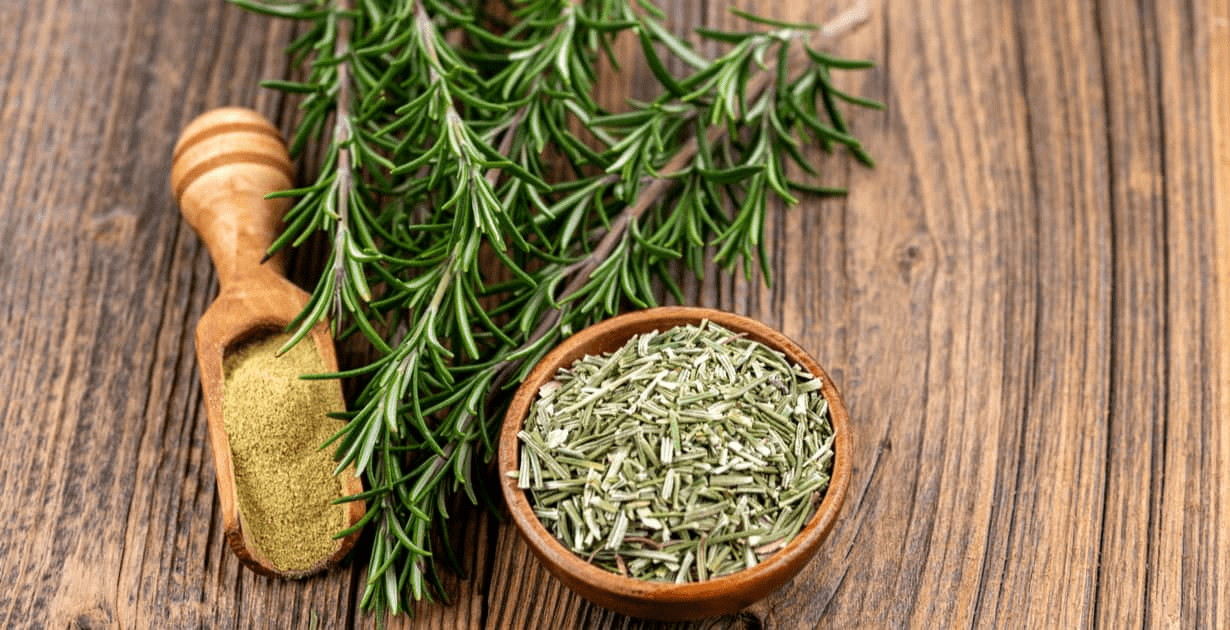
Rosemary (Rosmarinus officinalis) is a member of the mint family, which also contains the herbs lavender, basil, myrtle, and sage. To flavor a variety of foods, its leaves are frequently utilized, either fresh or dried.
The leaves and flowering tops of the rosemary plant are used to make the essential oil. Rosemary oil has a woodsy, evergreen-like aroma that is often characterized as energizing and cleansing.
The significant antioxidant activity of rosemary’s primary chemical components, including carnosol, carnosic acid, ursolic acid, rosmarinic acid, and caffeic acid, has been linked to the majority of the herb’s positive health effects.
Rosemary has a long history of use dating back hundreds of years and was regarded as sacred by the ancient Greeks, Romans, Egyptians, and Hebrews.
One of the more intriguing historical use for rosemary is that it was reportedly worn by brides and grooms in the medieval ages as a bridal love charm. When used during funerals, rosemary is seen as a gesture of honor and remember all across the world in regions like Australia and Europe.
Read Also: 5 Amazing Health Benefits of Saffron
Rosemary is much more than just an aromatic herb that goes well with roast lamb and potatoes. It’s actually one of the world’s strongest plants and essential oils!
With an antioxidant ORAC value of 11,070, rosemary is just as effective in fighting free radicals as goji berries. Since ancient times, this woodland evergreen from the Mediterranean region has been used in traditional medicine to treat digestive issues, stimulate the immune system, relieve aches and pains, and improve memory.
As I’m about to reveal, scientific studies have found an expanding number of uses and advantages for rosemary essential oil, with some of the most recent ones even suggesting that it may have excellent anti-cancer properties on a variety of cancer types!
The U.S. Food and Drug Administration considers rosemary to be generally safe when used in typical culinary proportions or as a permitted food ingredient.
Although these reactions are uncommon, when consumed in large quantities, especially as an essential oil or extract, they may have some unwanted effects. These include nausea, vomiting, spasms, and changes in blood pressure.
The FDA has designated rosemary essential oil as generally recognized as safe for use as a food additive. Although rosemary extracts have been used in the food industry for more than 20 years as a flavor and preservative, in rare instances, some people may react allergicallyRea to rosemary.
Rosemary should be avoided in situations where it may interfere with certain medications since it can change blood pressure, clotting times, and urine. If you take these medications, consult your doctor before including significant amounts of rosemary or its essential oil in your diet.
Read Also: 4 Health Benefits of Mullein (Verbascum thapsus)
6 Health Benefits of Rosemary (Rosmarinus officinalis)
1. Antioxidants
Consuming rosemary can aid in the battle against oxidative stress and strengthen the immune system because of the abundance of antioxidants and bioactive compounds such as phenolic diterpenes; carnosol, and caffeoyl derivatives it contains. Additionally, it is believed to support good circulation and fight against inflammation, which can cause pain.
The antioxidant properties of rosemary can also benefit skin health by preventing the free radical damage that causes aging symptoms.
2. Enhances Alertness
The aroma of rosemary is regarded as a cognitive stimulant and can help you feel more alert and concentrated, just like the aromas of some other plants in the mint family.
According to certain research, chemicals in rosemary and rosemary oil have neuroprotective properties and the power to enhance memory and cognitive function by halting the breakdown of acetylcholine, a brain neurotransmitter that supports focus and memory retention.
In addition, rosemary’s stimulating and uplifting scent has been connected to better moods, less drowsiness, and lower stress levels, in part because it has the capacity to lessen the release of the stress hormone cortisol. For this reason, some candles, cleaning products, aromatherapy oils, etc. contain rosemary.
3. Stimulates Hair Growth
Since it can combat dandruff and skin irritation that causes dryness, rosemary most frequently in the form of rosemary oil is featured in several hair care products designed to help encourage hair growth and a healthy scalp. Additionally, it might lessen testosterone’s effects on hair follicles, which can cause balding and/or thinning hair as well as hair loss.
Read Also: 6 Health Benefits of Passion Flower (Passiflora)
4. Antimicrobial
There are substances in rosemary that can aid in preventing the spread of some hazardous bacteria, particularly those that cause illnesses. In rare situations, rosemary extracts are also employed as food preservatives since they can inhibit the growth of bacteria.
In addition to acting as a natural insect repellent, the scent of rosemary may help prevent some insect bites, such as those from ticks and other insects that can transfer diseases and viruses.
5. Boosts Liver Health
Rosemary is a traditional remedy for gastrointestinal issues, but it’s also an excellent liver cleanser and toner. It’s a plant whose choleretic and hepatoprotective properties are well known. If you’re not impressed, allow me to explain these two characteristics.
First off, being called choleretic refers to a drug, in this case, rosemary, that causes the liver to secrete more bile. The term hepatoprotective refers to a substance’s capacity to shield the liver from harm.
Animal studies show that olive and rosemary leaf extracts protect the liver in individuals with chemically induced liver cirrhosis. In particular, the liver tissue and function alterations brought on by cirrhosis were able to be inhibited by the rosemary extract.
6. Anticancer
In addition to having a high antioxidant content, rosemary also has anti-inflammatory and anti-cancer capabilities. Carnosol is one of the primary active ingredients in rosemary.
Carnosol has been investigated for anti-cancer potential in prostate, breast, skin, leukemia, and colon cancer with promising findings, a recent article claimed. Additionally, carnosol is well tolerated when given to animals and appears to have a selective toxicity towards cancer cells vs non-tumorigenic cells.
In contrast to chemotherapy’s nuclear-bomb strategy, which destroys everything in its path, carnosol behaves like a military sniper who only kills his enemy target and does not harm nearby cells.
Read Also: 8 Health Benefits of Olive Leaf (Olea Europaea)
Scientific Evidence and Case Studies on Rosemary (Rosmarinus officinalis)
1. Androgenetic Alopecia (Hair Loss): A randomized comparative trial by Panahi et al. investigated the efficacy of rosemary oil versus minoxidil 2% for the treatment of androgenetic alopecia. The study found that after six months, both groups experienced a significant increase in hair count, but the group using rosemary oil reported significantly less scalp itching compared to the minoxidil group.
2. Cognitive Performance and Mood: Research conducted by Moss et al. examined the effects of the aroma of rosemary essential oil on cognition and mood in healthy adults. The results demonstrated that participants exposed to the rosemary aroma performed significantly better on memory tasks and possessed higher alertness scores compared to the control group.
3. Opioid Withdrawal Symptoms: A clinical study by Solhi et al. evaluated the effects of rosemary aerial parts on the withdrawal symptoms in patients with a history of opium abuse. The findings indicated that the administration of dried rosemary leaves significantly alleviated withdrawal symptoms, such as bone pain, perspiration, and insomnia, compared to the placebo group.
4. Primary Dysmenorrhea: A randomized, double-blind clinical trial by Tahoonian-Ghadim et al. assessed the effect of rosemary capsules on menstrual bleeding and primary dysmenorrhea. The study revealed that the rosemary extract significantly reduced both the duration of menstrual bleeding and the severity of pain compared to the placebo, suggesting it as a safe alternative to NSAIDs.
5. Antibacterial Activity: An investigation by Bozin et al. analyzed the antimicrobial and antioxidant properties of rosemary essential oil and extract. The data showed that the oil exhibited strong antibacterial activity against Escherichia coli, Salmonella typhi, and S. enteritidis, attributing this effect to the high concentration of 1,8-cineole and camphor.
Nutritional Value Of Rosemary (Rosmarinus officinalis)
1. Rosmarinic Acid:
This is a caffeic acid ester and the primary active polyphenol in rosemary. It acts as a potent antioxidant and anti-inflammatory agent, widely studied for its ability to suppress allergic responses and protect cells from oxidative stress.
2. Carnosic Acid: A phenolic diterpene found abundantly in the leaves. Carnosic acid can cross the blood-brain barrier and has been shown to induce the production of nerve growth factor (NGF), making it a key compound for neuroprotection and memory enhancement.
3. 1,8-Cineole (Eucalyptol): This monoterpene ether is responsible for rosemary’s camphorous, refreshing aroma. It acts as a bronchodilator and mucolytic agent, helping to open airways and reduce inflammation in the respiratory tract.
4. Carnosol: A derivative of carnosic acid, carnosol possesses significant anti-cancer properties. Studies suggest it inhibits the growth of prostate, breast, and skin cancer cells by inducing apoptosis and reducing inflammation.
5. Ursolic Acid: Found in the waxy cuticles of the leaves, ursolic acid is a triterpenoid. It is known for its ability to promote muscle growth, reduce body fat, and support skin elasticity by rebuilding collagen bundles.
6. Iron: Rosemary is a surprisingly rich plant source of iron. Including fresh or dried rosemary in the diet can contribute to maintaining healthy hemoglobin levels and preventing fatigue associated with iron deficiency.
7. Calcium: The herb provides a good amount of calcium, which is essential for bone health, nerve transmission, and muscle function.
Frequently Asked Questions About Rosemary (Rosmarinus officinalis)
1. Can rosemary oil really regrow hair?
Yes, studies have shown it can be as effective as 2% minoxidil in stimulating hair follicles and increasing hair count when applied to the scalp consistently for at least 6 months.
2. Is rosemary safe during pregnancy?
Culinary amounts used in cooking are safe, but large medicinal doses or the use of essential oil are generally discouraged as they may stimulate the uterus or affect the fetus.
3. Does rosemary raise blood pressure?
Rosemary is considered a stimulating herb and may slightly raise blood pressure, so individuals with uncontrolled hypertension should use it with caution.
4. Can I drink rosemary essential oil?
No, essential oils are highly concentrated and can be toxic if ingested; it is safer to consume the herb as a tea or a culinary spice.
5. Does rosemary help with memory?
Yes, simply inhaling the aroma of rosemary has been clinically proven to improve memory retention, speed of recall, and alertness.
6. What is rosemary extract used for in food?
“Rosemary extract” is often listed on food labels as a natural preservative because its powerful antioxidants (carnosic acid) prevent fats and oils from going rancid.
7. Can I eat raw rosemary leaves?
Yes, but they are very tough and pine-like, so they are usually finely chopped or cooked to soften the texture and release the flavor.
8. Does rosemary repel bugs?
Yes, the strong scent of rosemary (specifically the camphor and cineole) is known to repel mosquitoes and garden pests.
Do you have any questions, suggestions, or contributions? If so, please feel free to use the comment box below to share your thoughts. We also encourage you to kindly share this information with others who might benefit from it. Since we can’t reach everyone at once, we truly appreciate your help in spreading the word. Thank you very much for your support and for sharing!
Disclaimer: This article is for educational and informational purposes only. The health benefits described are based on scientific research and traditional knowledge. They ayre not a substitute for professional medical advice, diagnosis, or treatment. Always consult a healthcare professional before using any herb or natural remedy for medical purposes.
Read Also: How to Grow Tomatoes in Containers