


Olive branches hold symbolic and historical significance in various cultures and contexts, often representing peace, reconciliation, and prosperity. Here’s a detailed description of olive branches: Olive branches have a deep-rooted association with peace and reconciliation. This symbolism dates back to ancient times when they were used to signify the end of conflicts and the desire for peaceful resolutions.
In ancient Greece, olive branches were presented to winners of athletic competitions during the Olympic Games. The olive tree itself was considered sacred, and the branches were seen as a mark of honor and peace. Olive branches come from the olive tree (Olea europaea), an evergreen tree native to the Mediterranean region. The branches typically have narrow, silver-green leaves and small, oblong fruits known as olives. The leaves and branches are known for their distinctive appearance and are widely recognized.
In Christianity, the olive branch is often associated with the story of Noah’s Ark, where a dove carrying an olive branch returns to the ark, symbolizing the end of the flood and the advent of peace. Similarly, in other religions and cultures, the olive branch is seen as a symbol of peace and goodwill.
The image of an olive branch is universally recognized as a symbol of peace and is often used in various forms of art, literature, and modern communication to represent peaceful intentions, diplomacy, and the desire for harmony among individuals, communities, and nations.
Olive trees and their branches also hold environmental significance due to their ability to withstand challenging conditions and thrive in arid regions. They symbolize resilience, adaptability, and sustainability, further adding to their symbolic importance.
Beyond symbolism, olive branches have practical uses. Olives and olive oil derived from the fruit are essential ingredients in Mediterranean cuisine and are known for their health benefits. Olive wood from the tree and its branches is used for various crafts and woodworking.
The olive branch is a potent symbol with deep-rooted meanings of peace, reconciliation, and prosperity, bridging historical, cultural, and religious contexts. Its representation goes beyond its botanical attributes, making it a powerful emblem of hope and harmony in an often turbulent world.
Nutritional Value Of Olive Branches
1. Rich in Polyphenols: Olive branches are packed with oleuropein, hydroxytyrosol, and tyrosol, powerful antioxidants that protect cells from oxidative stress and support long-term health.
2. Contains Flavonoids: Flavonoids like apigenin and luteolin enhance immune response, strengthen capillaries, and protect brain cells from oxidative damage.
3. Source of Essential Minerals: Olive branches provide calcium, magnesium, potassium, and iron, which help maintain healthy bones, nerve function, and muscle balance.
4. High in Triterpenes: Oleanolic and ursolic acids contribute anti-inflammatory and cholesterol-lowering benefits, supporting cardiovascular and metabolic health.
5. Contains Vitamin E Precursors: Vitamin E-like compounds in olive branches help nourish skin, protect from UV damage, and reduce signs of aging.
6. Detoxifying Properties: The phytochemicals in olive branches support liver detoxification by promoting bile flow and aiding toxin elimination.
7. Immune-Boosting Phytochemicals: Oleuropein and phenolic acids strengthen the immune system, helping the body resist infections and recover faster from illnesses.
The Economic Importance and Uses of Olive Branches
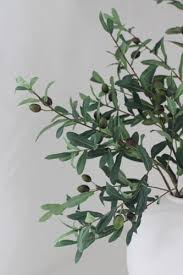
Olive branches have various economic importance and uses that extend beyond their symbolic significance.
Here are some of the key economic uses and benefits:
1. Olive Oil Production: Olive branches are a vital component in the production of olive oil. The wood from the branches is often used to fuel the olive oil extraction process. Additionally, olive leaves and twigs contain valuable compounds that are being explored for their potential in olive leaf extract, which has health benefits and applications in the pharmaceutical and supplement industries.
2. Fuel and Energy: Olive wood from branches is used as a source of fuel for cooking and heating in many Mediterranean countries. The wood is known for producing high heat and a pleasant aroma, making it desirable for heating and cooking purposes.
3. Livestock Feed: Olive branches and leaves can be utilized as fodder for livestock. They provide nutrition and fiber to animals, contributing to the livestock industry. This use helps in reducing feed costs for farmers.
4. Craftsmanship and Art: Olive branches and wood are used in various crafts and artistic endeavors. The wood is carved and crafted to create a range of items such as utensils, bowls, ornaments, and decorative items. This contributes to local art and craft industries.
5. Soil Erosion Prevention and Landscaping: Olive branches and prunings can be used in landscaping and to prevent soil erosion. By strategically placing branches and leaves, erosion can be minimized, and the soil quality can be improved in agricultural fields.
6. Fertilizer and Soil Improvement: Olive leaves and prunings can be composted or used as mulch, providing organic matter and nutrients to the soil. This enhances soil fertility and structure, improving agricultural productivity.
7. Herbal and Medicinal Uses: Olive leaves are known for their potential health benefits and medicinal properties. Extracts from olive leaves are used in traditional medicine and are being studied for their antimicrobial, anti-inflammatory, and antioxidant properties.
Read Also: Olive Ovary: Economic Importance, Uses, and By-Products
8. Animal Bedding: Olive branches can be used as bedding for animals, especially in farming operations. The branches offer a natural and readily available bedding material that can be used to create a comfortable and clean environment for livestock.
9. Tourism and Aesthetics: Olive groves and trees, including their branches, contribute to the aesthetics of landscapes and attract tourists. Olive tree tours, olive oil tastings, and related tourism activities generate revenue and support local economies.
10. Sustainable Farming Practices: Utilizing olive branches and prunings in various ways promotes sustainability in farming. It minimizes waste and maximizes the use of resources within the olive production industry.
The Products and By-products That Can Be Derived From Olive Branches
Olive branches, typically pruned during the olive tree cultivation process, can be utilized to produce various products and by-products.
Here’s a list and explanation of these products and by-products:
1. Wood Chips and Mulch: The smaller branches can be chipped or shredded to create wood chips and mulch, which are commonly used for landscaping and gardening purposes. They help retain moisture, suppress weeds, and improve soil quality.
2. Biofuel: Olive branches can be processed to create biomass or biofuel pellets. These can be used for heating or generating electricity, providing a renewable and eco-friendly energy source.
Read Also: Olive Roots: Economic Importance, Uses, and By-Products
3. Animal Bedding: Chopped or shredded olive branches can be repurposed as bedding for livestock or pets, providing a comfortable and absorbent material for animals.
4. Compost: Olive branches, along with other organic matter, can be composted to create nutrient-rich compost that can be used to enrich soil for gardening and agriculture.
5. Essential Oils and Aromatics: Distillation of olive branches can yield essential oils with potential uses in aromatherapy, perfumery, or for their natural fragrance in various products.
6. Herbal Teas and Infusions: Olive leaves, including branches, can be dried and used to make herbal teas or infusions. Olive leaf tea is believed to have potential health benefits.
7. Decorative Wreaths and Crafts: Olive branches can be dried and used to create decorative wreaths and various crafts for interior and exterior decoration.
8. Natural Dyes: Olive branches can be used to extract natural dyes, which can be utilized in textile and fabric dyeing.
9. Wildlife Habitats and Garden Structures: Intertwined olive branches can be used to create wildlife habitats, birdhouses, or garden structures like trellises.
10. Paper and Pulp: Olive branches can be pulped to produce paper, cardboard, or other cellulose-based products.
11. Educational and Artistic Purposes: Olive branches can be preserved, dried, and utilized for educational displays, botanical art, or as teaching aids in schools and botanical gardens.\
12. Medicinal Extracts: Certain compounds from olive branches can be extracted and utilized for their potential medicinal properties in traditional or alternative medicine.
Frequently Asked Questions About Olive Branches
1. What are Olive Branches used for?
They are used in traditional medicine and modern herbal remedies for heart health, immunity, and detoxification through teas, extracts, and capsules.
2. What makes Olive Branches medicinally valuable?
Their high content of polyphenols, oleuropein, and flavonoids provides antioxidant, anti-inflammatory, and antimicrobial benefits.
3. Can Olive Branch extracts help lower blood pressure?
Yes. Studies confirm that olive branch extracts relax blood vessels and enhance circulation, leading to naturally lower blood pressure.
4. How do Olive Branches support the immune system?
They contain bioactive compounds that fight bacteria and viruses while enhancing the body’s natural defense mechanisms.
5. Are Olive Branches beneficial for heart health?
Yes, they improve cholesterol balance, prevent plaque formation, and reduce oxidative stress in arteries.
6. Can Olive Branch tea be safely consumed?
Yes, it is caffeine-free and can be safely enjoyed daily for detoxification and immune support.
7. Do Olive Branches help regulate blood sugar?
Yes, they enhance insulin sensitivity and help maintain stable blood sugar levels.
8. Are there any side effects of Olive Branch products?
They are generally safe but may lower blood pressure too much in sensitive individuals if overused.
9. Can pregnant or breastfeeding women use Olive Branch tea or extract?
It’s best to consult a doctor before use, as safety data is limited.
10. How are Olive Branches used medicinally?
They are steeped as tea, made into extracts, or included in supplements for cardiovascular and immune health.
11. Can Olive Branches be used externally?
Yes, they are used in skincare to soothe inflammation and protect against oxidative stress.
12. What is the difference between Olive Leaves and Olive Branches?
Olive branches contain both leaves and stems, offering a broader range of beneficial compounds than leaves alone.
13. How often can Olive Branch tea be consumed?
It can be taken once or twice daily as a health tonic.
14. क्या जैतून की शाखाओं में विषहरण करने वाले प्रभाव होते हैं?
हाँ, वे लीवर के कार्य को समर्थन करते हैं और विष निष्कासन को बढ़ावा देते हैं।
क्या आपके कोई प्रश्न, सुझाव या योगदान हैं? यदि हां, तो कृपया अपनी राय साझा करने के लिए नीचे दिए गए टिप्पणी बॉक्स का उपयोग करने के लिए स्वतंत्र महसूस करें। हम आपको इस जानकारी को दूसरों के साथ साझा करने के लिए भी प्रोत्साहित करते हैं जो इससे लाभान्वित हो सकते हैं। चूंकि हम एक ही बार में सभी तक नहीं पहुंच सकते हैं, इसलिए हम इस बात को फैलाने में आपकी मदद की वास्तव में सराहना करते हैं। आपके समर्थन और साझा करने के लिए आपका बहुत-बहुत धन्यवाद!
अस्वीकरण: यह लेख केवल शैक्षिक और सूचनात्मक उद्देश्यों के लिए है। वर्णित स्वास्थ्य लाभ वैज्ञानिक अनुसंधान और पारंपरिक ज्ञान पर आधारित हैं। वे पेशेवर चिकित्सा सलाह, निदान या उपचार का विकल्प नहीं हैं। चिकित्सा उद्देश्यों के लिए किसी भी जड़ी बूटी या प्राकृतिक उपचार का उपयोग करने से पहले हमेशा एक स्वास्थ्य सेवा पेशेवर से परामर्श करें।
यह भी पढ़ें: ग्लास रीसाइक्लिंग प्रक्रिया – चरण दर चरण गाइड