


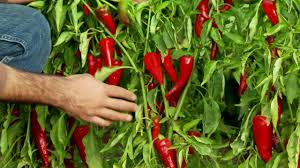
Hot pepper production offers a profitable opportunity for farmers, with fewer pest and disease issues compared to crops like tomatoes. By implementing Integrated Pest Management (IPM) and effective harvesting techniques, growers can maximize yields and profitability. This article provides comprehensive guidance on managing pests, diseases, and post-harvest practices for hot pepper cultivation.
Successful hot pepper farming requires understanding the agro-ecology and adopting sustainable practices. Regular monitoring, good record-keeping, and adherence to IPM principles are essential for a thriving crop, whether for home gardens or commercial ventures.
Read Also: Economic Importance, Uses, and By-Products of Mushroom Gills
Integrated Pest Management (IPM)
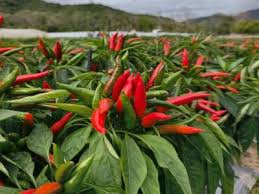
Integrated Pest Management (IPM) combines chemical, biological, and cultural practices to suppress pest and disease populations effectively. This approach fosters a crop-friendly environment, enhancing production while minimizing chemical overuse. Farmers can achieve sustainable pest control by understanding their agro-ecology and applying IPM strategies consistently.
IPM reduces reliance on chemical pesticides, promoting environmentally-safe methods. By integrating various control measures, farmers can maintain healthy crops and increase yields. The Farmer Field School plays a vital role in teaching these practices through hands-on learning and agro-ecosystem analysis.
A. IPM Guidelines
1. Assess the Problem: Choose the appropriate control method after evaluating the pest or disease issue.
2. Prioritize Non-Chemical Methods: Use cultural and biological controls before resorting to chemical options.
3. Alternate Chemicals: Rotate chemicals in spray programs to prevent resistance buildup.
4. Protect Natural Enemies: Select chemicals that do not harm beneficial organisms.
5. Use Safe Pesticides: Opt for environmentally-safe pesticides to minimize ecological impact.
B. Farmer Field School
The Farmer Field School educates farmers on IPM through Agro Eco System Analysis and Participatory Learning. These programs help farmers monitor crops and identify pest and disease issues. By understanding their environment, farmers make informed decisions to improve crop health.
Simple practices like regular crop monitoring are emphasized in these schools. Farmers learn to detect problems early and apply appropriate solutions. Contact the Extension Division to establish a Farmer Field School in your area for hands-on training.
C. Benefits of IPM
IPM enhances crop resilience by promoting a balanced agro-ecosystem. It reduces chemical dependency, lowering production costs and environmental impact. Farmers adopting IPM often see improved yields and profitability due to healthier crops.
Pest Control in Hot Pepper
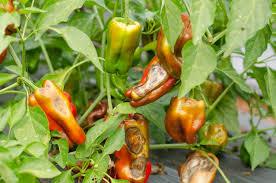
Hot peppers face significant pest challenges, particularly from mites and thrips. These pests thrive in specific conditions and can severely impact yields if not managed properly. Understanding their symptoms and control measures is crucial for successful cultivation.
Effective pest management involves a combination of cultural, biological, and chemical controls. Regular monitoring and early intervention are key to preventing infestations. Below are detailed strategies for managing two major pests: mites and thrips.
A. Mites
Mites are tiny, eight-legged pests prevalent in dry periods and shaded areas. They shelter on leaf undersides, scraping young plant surfaces. This causes significant damage to leaves, flowers, and fruits, reducing crop quality and yield.
Symptoms of Mite Damage:
1. Brown Spots: Rough, brittle spots on leaves, flowers, and fruits.
2. Leaf Curl: Younger leaves curl, wilt, and drop downwards.
3. Narrow Leaves: Leaf blades become narrow, affecting plant growth.
4. Flower and Fruit Drop: Leads to low yields and small fruits.
Control Measures:
1. Cultural: Remove infested plant parts and apply magnesium sulphate foliar fertilizer. Avoid overhead shade and use proper plant spacing. Employ overhead irrigation to deter mites.
2. Biological: Use safe insecticides to preserve predatory mites, natural enemies of pest mites.
3. Chemical: Alternate environmentally-safe miticides and spray weekly during high infestations.
B. Thrips
Thrips are small, yellowish-green insects that thrive in dry seasons. Barely visible, they live on leaf undersides, causing scarring and deformities. Their damage can stunt plants and reduce fruit quality, impacting overall production.
Symptoms of Thrips Damage:
1. Scarring: Visible on fruits, stems, and leaves.
2. Flower Drop: Leads to reduced fruit set.
3. Deformed Fruits: Fruits develop abnormally, affecting marketability.
4. Stunted Growth: Plants fail to reach full size.
Control Measures:
1. Cultural: Use mulch to disrupt thrips’ life cycle and overhead irrigation to dislodge them.
2. Biological: Preserve natural enemies like pirate bugs with safe insecticides.
3. Chemical: Apply Insect Growth Regulators (IGRs) for high populations, alternating with adult-targeting pesticides.
Disease Management
Hot peppers are susceptible to diseases like Phytophthora Root Rot, Bacterial Leaf Spot, and Anthracnose. These diseases, spread by soil, water, or infected residues, can devastate crops if not controlled. Proper management ensures healthy plants and sustained yields.
Effective disease control involves improving field conditions, practicing crop rotation, and using targeted fungicides. Below are strategies for managing three common hot pepper diseases, focusing on symptoms and control measures.
A. Phytophthora Root Rot
This soil-borne fungus spreads in poorly drained soils, causing rapid plant decline. It thrives in wet conditions, affecting roots and overall plant health. Early detection is critical to limit its spread.
Symptoms:
1. Sudden Drooping: Entire plant wilts abruptly.
2. Darkened Leaves: Lower leaves darken and die.
3. Heavy Leaf Drop: Small fruits remain as leaves fall.
4. Rotted Roots: Roots turn blackened and decayed.
Control Measures:
1. Improve Drainage: Ensure proper soil drainage to prevent waterlogging.
2. Remove Diseased Plants: Uproot and destroy affected plants.
3. Apply Fungicide: Use soil fungicides in the root zone.
B. Bacterial Leaf Spot
Spread by infected residues, seeds, and rain splash, this bacterial disease affects leaves, stems, and fruits. It starts on lower leaves and progresses upward, causing significant leaf loss.
Symptoms:
1. Brown Spots: Small, irregular, water-soaked spots on plant parts.
2. Upward Spread: Spots move from lower to upper leaves.
3. Leaf Drop: Heavily infected leaves fall off.
Control Measures:
1. Field Sanitation: Clear infected residues, especially during flowering.
2. Crop Rotation: Rotate crops to break disease cycles.
3. Mulching: Use mulch to prevent rain splash.
4. Copper Fungicides: Spray copper-based fungicides to control spread.
C. Anthracnose
This fungal disease, common in rainy seasons, affects peppers at various growth stages and post-harvest. It causes sunken, water-soaked spots, reducing fruit quality and marketability.
Symptoms:
1. Sunken Spots: Slightly rounded spots on peppers, stems, and leaves.
2. Water-Soaked Centers: Spots develop brown-black, water-soaked centers.
Control Measures:
1. Healthy Seeds: Use seeds from disease-free plants.
2. Remove Diseased Parts: Clear affected plant material.
3. Crop Rotation: Rotate crops to prevent recurrence.
4. Fungicide Application: Spray contact fungicides weekly during rainy seasons.
Read Also: Pincushion Flowers (Scabiosa Spp): Complete Growing and Care Guide
Harvesting and Post-Harvest Practices
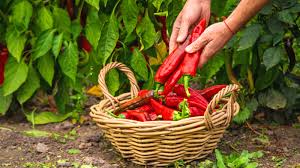
Proper harvesting and post-harvest practices are essential for maintaining hot pepper quality and profitability. Timing, handling, and storage techniques significantly impact market readiness. Adopting best practices ensures peppers meet market standards and maximize returns.
Hot peppers are harvested over a 5-month period, with careful attention to timing and handling. Grading, sorting, and storage practices further enhance product quality, ensuring profitability for commercial growers.
A. Harvesting Techniques
Harvesting at the right stage and time ensures high-quality peppers. Proper techniques prevent damage and maintain market appeal. Follow these guidelines for optimal results.
Harvesting Guidelines:
1. Harvest Stage: Pick at full green or early color change for fresh markets.
2. Timing: Harvest in early morning or late evening, avoiding rain.
3. Frequency: Pick twice weekly at peak production.
4. Handling: Use plastic crates, keep stems intact, and avoid overfilling.
5. Sun Protection: Cover crates with light-colored, waterproof material.
B. Grading and Sorting
Grading ensures peppers meet market-specific standards, such as for export or processing. Proper sorting removes substandard produce, enhancing overall quality.
Grading Practices:
1. Remove Damaged Peppers: Discard diseased or damaged fruits.
2. Market-Specific Sorting: Grade according to export, wholesale, or processing needs.
3. Keep Dry: Ensure peppers remain dry during post-harvest handling.
C. Storage and Yield
Proper storage and yield estimation are critical for commercial success. Peppers should be shipped promptly or stored correctly to maintain freshness.
Storage and Yield Guidelines:
1. Storage: Ship within 24 hours or store in a cool place.
2. Yield Estimates: Expect 22,500–30,000 pounds per acre, or 750 crates at 30 pounds each.
3. Per Tree Yield: Average 10 pounds per tree.
Crop Lifecycle and Profitability
Hot peppers, as perennials, can produce for years, but profitability declines after six months due to smaller fruits. Commercial growers typically limit production to 6–9 months unless market conditions justify longer cycles. Cutting back plants can stimulate new growth, but yields are lower than new seedlings.
Hot pepper production offers significant financial returns. With proper management, farmers can achieve high yields and profits, making it a rewarding venture for both small and large-scale operations.
A. Crop Lifecycle
Hot peppers produce optimally for 6–9 months. After this period, fruit size and profitability decrease, making replanting with new seedlings more economical for commercial production.
B. Enterprise Guide
Profitability Metrics:
1. Harvest Period: 15–20 weeks.
2. Spacing: 3 feet x 5 feet (2,700 plants per acre).
3. Average Harvest: 10 pounds per tree, totaling 27,000 pounds per acre.
4. Financials: At $3.00 per pound (January 2006), gross sales reach $81,000 per acre, with net profit around $60,000 after $21,000 in costs.
C. Tips for Success
1. Regular Monitoring: Use IPM for pest and disease control.
2. Record-Keeping: Track expenses and yields for better management.
3. Training: Contact the Farmers Training Centre at 646-1966 or 642-0167 for support.
Frequently Asked Questions
1. What is Integrated Pest Management (IPM)?
IPM combines chemical, biological, and cultural practices to control pests and diseases sustainably, reducing chemical use and promoting a healthy crop environment.
2. How can I join a Farmer Field School?
Contact the Extension Division to organize a Farmer Field School in your area, where you can learn IPM practices through hands-on training.
3. What are the main pests affecting hot peppers?
Mites and thrips are the primary pests, causing leaf curl, fruit scarring, and reduced yields, especially in dry seasons.
4. How can I control Phytophthora Root Rot?
Improve soil drainage, remove diseased plants, and apply soil fungicides to the root zone to manage this soil-borne fungus.
5. When should I harvest hot peppers?
Harvest at the full green stage or early color change, preferably in the early morning or late evening, twice weekly during peak production.
6. How much profit can I expect from hot pepper farming?
With proper management, an acre can yield 27,000 pounds, generating approximately $60,000 in net profit at $3.00 per pound.
7. What are the best storage practices for hot peppers?
Ship within 24 hours of harvest or store in a cool place to maintain freshness and quality.
Do you have any questions, suggestions, or contributions? If so, please feel free to use the comment box below to share your thoughts. We also encourage you to kindly share this information with others who might benefit from it. Since we can’t reach everyone at once, we truly appreciate your help in spreading the word. Thank you so much for your support and for sharing!