


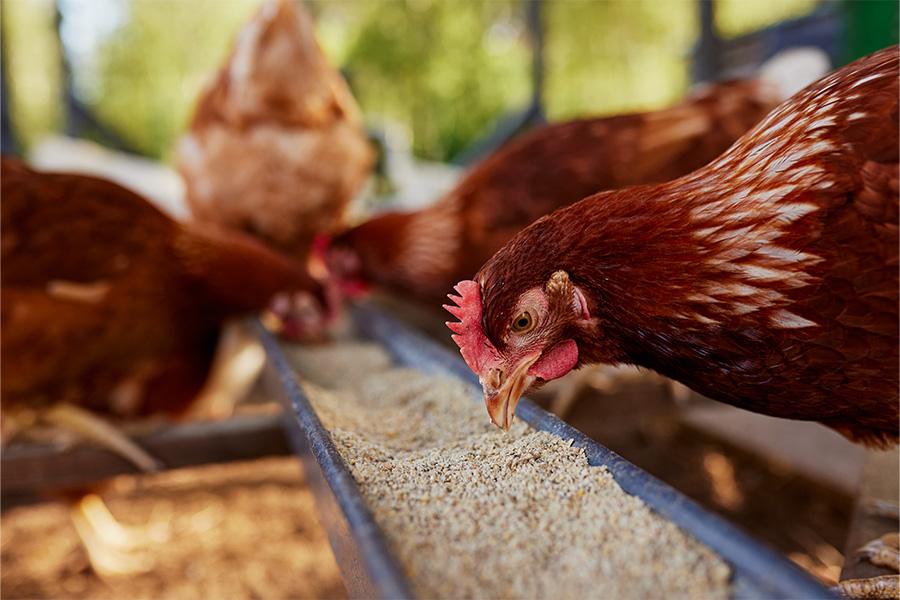
Feeding is the biggest single expense in poultry farming. It takes up between 60% and 70% of the total cost of raising a bird. To put that in practical terms, raising a pullet from day old to point of lay costs around N750 per bird in Nigeria. Between N450 and N525 of that amount goes to feed alone.
Many farmers try to cut costs by restricting feed or buying cheap rations. This almost always backfires. Birds that do not get enough nutrition grow slowly, produce fewer eggs, and get sick more often. The money you save on feed gets wiped out by losses from disease and poor production.
Feed management is not just about what you feed. It is also about when you feed and how much you feed. Do not starve your birds, even for an hour. Depriving birds of feed, even briefly, weakens their immune system and makes them vulnerable to disease. Feed your birds ad libitum, meaning always available and as required.
This guide covers the main feeding options for poultry, from commercial feeds to home-mixed rations. You will learn what goes into balanced feed and how to decide between buying ready-made feed and mixing your own.
Read Also: How long you can store your poultry feeds for your birds
1. Poultry Feeding Options
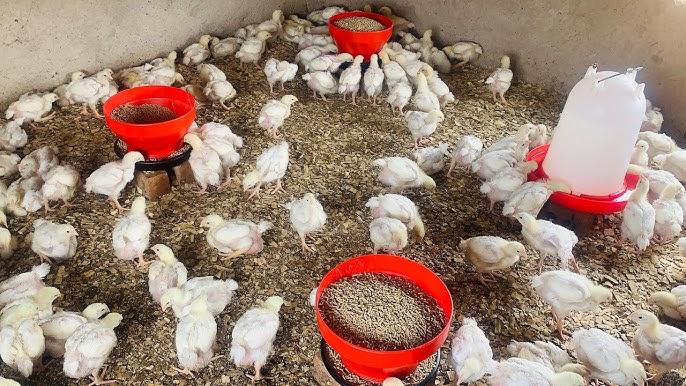
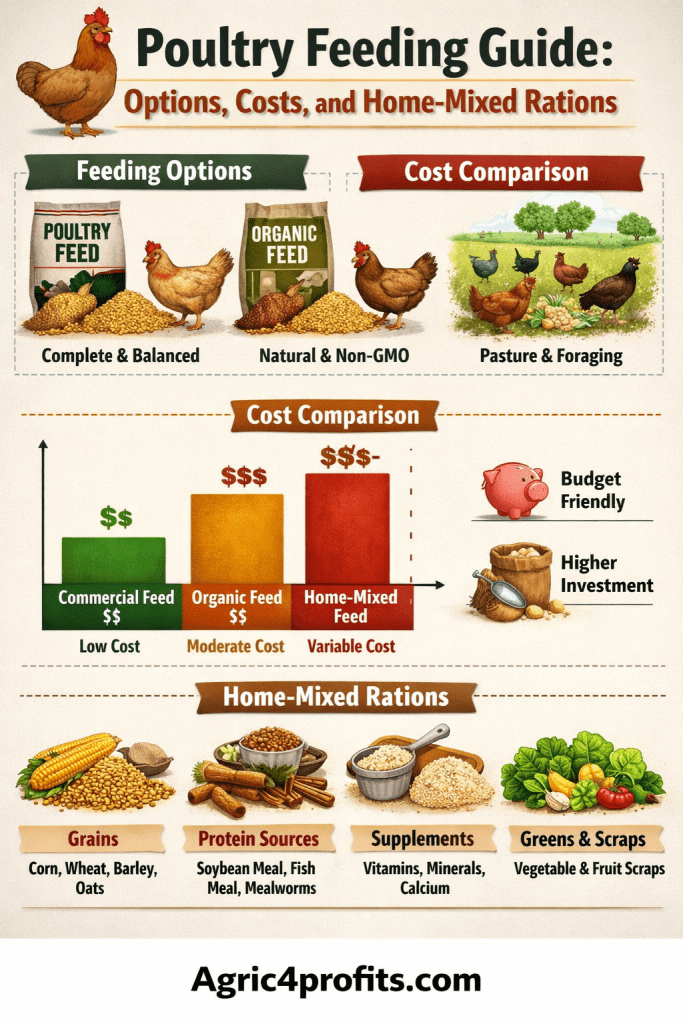
The most convenient way to feed chickens is with a balanced pelleted ration. This applies whether the birds are kept indoors or allowed to range outside. Most commercial rations are built around corn for energy, soybean meal for protein, and vitamin and mineral supplements.
Commercial feeds often include antibiotics and arsenicals to support health and growth, coccidiostats to control coccidiosis, and sometimes mold inhibitors. If you prefer feeds without these additives, check the label carefully. Unmedicated options are available.
A. Why Pelleted Feed Works
Chickens are nibblers. They make frequent trips to the feed trough for small amounts at a time, which uses energy. Pelleted feed reduces the energy a bird spends eating, meaning more of what it consumes goes toward growth and production rather than the act of feeding itself.
That said, some farmers who raise pasture-based or free-range birds prefer non-pelleted feed because the extra physical effort of eating a fibrous diet encourages more movement, which they believe improves meat quality.
B. Grit and Water
If your birds are eating a fibrous diet, grit such as oyster shells should be provided to help the gizzard grind coarse feed. Birds kept outdoors often pick up small stones naturally. Indoor or confined birds need grit supplied to them.
Clean water is non-negotiable. Levels of total dissolved solids above 3,000 ppm in the water can interfere with bird health and production. Always ensure water is clean, fresh, and freely available.
C. Protein Requirements by Stage
Feed rations change as birds grow. Starter diets are high in protein because young birds need it for rapid muscle, feather, and organ development. As birds age, protein requirements decrease and energy needs increase.
The standard protein levels by stage are:
i. Starter diet: 24% protein
ii. Grower diet: 20% protein
iii. Finisher diet: 18% protein
iv. Layer diet: 16% protein
Special rations are available for broilers, pullets, layers, and breeders. Whole grains can also be offered as scratch grains to supplement the main diet.
2. Home-Mixed Poultry Feed Rations
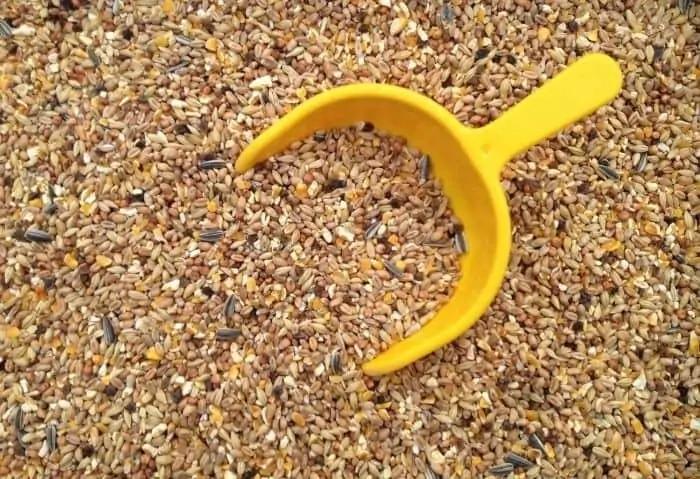
Some farmers choose to mix their own feed rations to control what goes into the diet, reduce costs, or ensure only natural ingredients are used. This is a practical option when done correctly.
Read Also: Poultry Bagged Feeds Vs Formulated Feeds
A. Energy Concentrates
The energy base of most home-mixed rations comes from grains and milling by-products. Common options include:
i. Corn: The most popular energy grain in poultry feed
ii. Oats: Good for adding fiber to the diet
iii. Wheat: High energy content, widely available
iv. Barley: Works well in cooler climates
v. Sorghum: Drought-resistant alternative to corn
vi. Rice bran: By-product with decent energy value
vii. Wheat bran: Adds bulk and some nutrients
viii. Dried bakery waste: Can reduce feed costs when available
Grains should make up about 60 to 70% of the total ration. Yellow corn is preferred because it contains carotene, a precursor to vitamin A. White corn lacks this nutrient and requires vitamin A supplementation.
B. Protein Concentrates
Protein sources are critical for growth and egg production. Common options include soybean meal (44 to 48% protein), oilseed meals, cottonseed meal (41% protein), fish meal, meat and bone meal, and grain legumes like field peas and cowpeas.
Soybean meal is the standard because of its balanced amino acid profile and availability. Full-fat soybeans contain more energy because they retain the oil. But soybeans must be heat-treated before feeding to destroy trypsin inhibitor, which blocks protein digestion.
C. Processing Soybeans
If you use whole soybeans, they must be roasted or extruded before feeding. The heat treatment destroys enzymes that interfere with protein digestion. Raw soybeans cause poor growth and wasted feed.
Full-fat soybeans have high oil content, which makes them prone to rancidity in hot weather. Do not store them for long periods in warm climates. Use them quickly or stick with soybean meal instead.
D. Vitamins and Minerals
Commercial premixes provide vitamins and minerals in precise amounts. But if you want to use natural sources, several options exist.
For vitamins: alfalfa and leafy plants, fish oil, yeast, sunlight for outdoor birds, and sprouted grains provide most needs.
For minerals, trace mineralized salt is typically added to the diet. Other sources include fish meal, kelp, and meat and bone meal. Birds with access to pasture need fewer added vitamins and minerals.
E. Balancing Home-Mixed Rations
Ration balancing is critical. An unbalanced diet causes nutritional diseases that reduce performance and increase mortality. The right nutrient levels depend on the breed, age, and purpose of the birds.
If you are mixing large volumes, consider working with a local feed mill that can mill, mix, and even pellet the feed for you. Feed mills also have access to a wider range of ingredients and staff with nutritional expertise who can help formulate a diet suited to your flock.
Summary on Poultry Feeding Guide: Options, Costs, and Home-Mixed Rations
| Topic | Key Points |
|---|---|
| Feed Cost | Accounts for 60 to 70% of total production cost per bird |
| Feeding Method | Feed ad libitum at all times, never starve birds even briefly |
| Commercial Feed | Balanced pelleted ration with corn, soybean meal, vitamins, and minerals, may include antibiotics and coccidiostats |
| Pelleted vs Unpelleted | Pelleted feed reduces energy used in eating, fibrous diet with exercise preferred by some pasture farmers |
| Grit | Needed for birds on fibrous diets, outdoor birds pick up stones naturally |
| Water Quality | Total dissolved solids must stay below 3,000 ppm for healthy production |
| Protein by Stage | Starter 24%, grower 20%, finisher 18%, layer 16% |
| Home-Mixed Energy Sources | Corn, oats, wheat, barley, sorghum, and milling by-products make up 60-70% of ration |
| Home-Mixed Protein Sources | Soybean meal, oilseed meals, cottonseed meal, fish meal, meat and bone meal, grain legumes |
| Soybean Processing | Must be heat-treated before use, full-fat soybeans are high in energy but must not be stored long in hot weather |
| Natural Vitamins | Fish oil, yeast, alfalfa, sunlight, and sprouted grains reduce need for synthetic premix |
| Minerals | Trace mineralized salt, fish meal, kelp, and meat and bone meal are good sources |
| Ration Balancing | Critical for preventing nutritional disease, depends on breed, age, and production type |
Frequently Asked Questions About Poultry Feeding Options and Home-Mixed Rations
1. How much of my poultry production budget should go to feed?
Feed typically accounts for 60% to 70% of the total cost of raising a bird. Plan your budget around this figure. In Nigeria, for example, feeding a pullet from day old to point of lay costs roughly between N450 and N525 per bird out of a total of around N750. Scale this by your flock size to estimate your total feed budget.
2. Can I ever restrict feed to save costs?
No. Restricting feed, even for a short period, weakens the immune system of your birds and increases the risk of disease and mortality. Always feed ad libitum, meaning feed should be available at all times. The losses from disease or poor growth caused by feed restriction will always cost more than the feed you tried to save.
3. What is the difference between pelleted and mash feed?
Pelleted feed is compressed into small pellets that are easy for birds to pick up and eat quickly. Mash is a loose, ground mixture. Pelleted feed reduces the energy birds spend eating and minimizes waste. Mash is sometimes preferred for younger birds or in natural farming systems where more physical activity during feeding is desired.
4. Do all chickens need grit?
Chickens eating fibrous or coarse feed need grit to help the gizzard grind food properly. Birds kept outdoors often pick up small stones naturally. Confined or indoor birds need grit provided to them separately. Birds eating only commercial pelleted feed generally do not need additional grit.
5. What water quality is safe for poultry?
Total dissolved solids in the water should not exceed 3,000 ppm. Above this level, water quality starts to interfere with bird health and production. Always provide clean, fresh water and check water sources regularly, especially on farms using borehole or surface water.
6. Why do soybeans need to be heat-treated before feeding to chickens?
Raw soybeans contain a trypsin inhibitor that blocks protein digestion in birds. Feeding raw soybeans without heat treatment leads to poor growth and nutrient deficiency. Heat treatment through roasting or extrusion deactivates this inhibitor and makes the protein in the soybean fully available to the bird.
7. What natural sources can replace synthetic vitamin premix in home-mixed feed?
Several natural sources can reduce dependence on synthetic premix. Alfalfa and leafy plants provide multiple vitamins. Fish oil is a good source of vitamins A and D. Yeast provides B vitamins. Sunlight helps ranging birds produce vitamin D naturally. Sprouted grains are useful when range access is not available and provide carotene and other nutrients.
8. What minerals do chickens need and where do they come from?
Chickens need a range of minerals including calcium, phosphorus, sodium, and trace elements. Trace mineralized salt covers most trace mineral needs. Calcium and phosphorus come from bone meal, meat and bone meal, and oyster shell. Fish meal and kelp provide additional minerals. Birds on pasture get supplementary minerals from plants and insects naturally.
9. Is it worth mixing my own poultry feed at home?
It depends on your scale and access to ingredients. On-farm mixing gives you control over quality and can reduce costs if you source raw materials well. However, getting the balance right is critical. An incorrectly balanced ration causes nutritional disease that will cost more than any saving on feed. Always verify your formula with a qualified nutritionist or send finished feed samples for laboratory testing.
10. When should I change the feed ration as my birds grow?
Change rations at each major production stage. Use starter feed at 24% protein for young birds in the first few weeks. Move to grower feed at 20% protein as they develop. Switch to finisher feed at 18% protein in the final growth stage for meat birds. For layers, use layer feed at 16% protein from 18 weeks of age onwards. Each stage has different nutritional needs and feeding the wrong ration at the wrong time affects performance and profitability.
Read Also: Complete List of Iron Rich Foods you Should Know About