


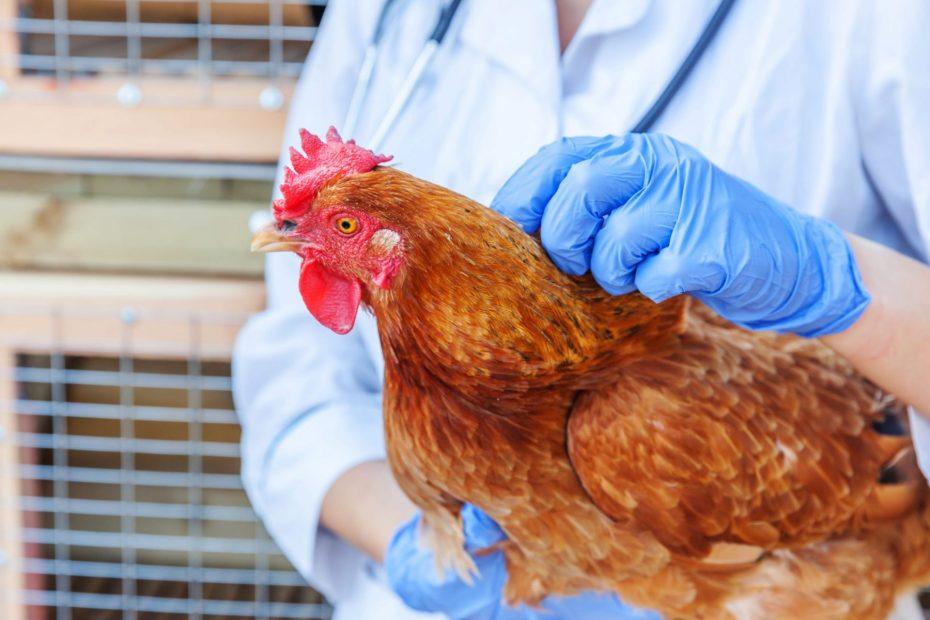
Knowing how to identify poultry sick birds and cure them is one of the most important skills any poultry farmer can have. Sickness is simply an abnormality. The moment you start seeing unusual changes in your birds, disease should come to mind. These changes often include loss of appetite, slow or sluggish movement, change in the color of their droppings, sneezing, coughing, and in the worst cases, sudden death. Any one of these signs should put you on alert.
Not all poultry diseases can be treated with drugs. Bacterial and fungal diseases can be managed with antibiotics and antifungal medications respectively. But viral diseases are a different story. Most of them cannot be cured once a bird is infected. The best approach for viral diseases is prevention through vaccination.
For treatable diseases, the best strategy is still prevention. Give your birds quality feed and clean water, keep their environment hygienic, and follow the guidance of a qualified poultry consultant. If disease still shows up, call an expert right away. For untreatable viral diseases, strict vaccination schedules, good feeding, and proper hygiene are your best tools. An expert can also help reduce mortality if there is an outbreak.
Read Also: How to Control and Prevent Disease Outbreak on your Poultry Farms
14 Major Poultry Diseases, Symptoms, Prevention and Treatments
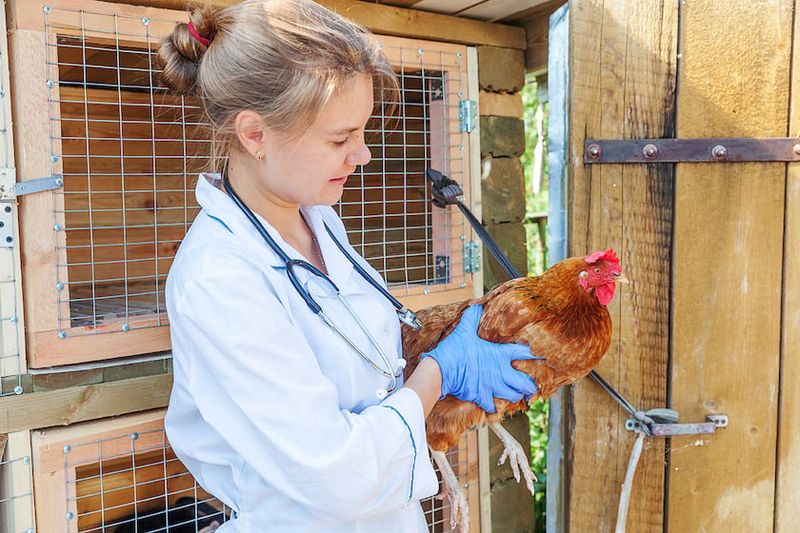
Here are the major chicken diseases you need to know, with their symptoms and how to prevent or treat them.
1. Newcastle Disease
i. Cause: Newcastle disease is a contagious viral infection that causes respiratory and nervous system problems in chickens and other birds. Wild birds can carry and spread the virus. You can also pass it on through your clothes, shoes, and equipment if you have touched an infected bird.
ii. Symptoms: Birds develop breathing problems, nasal discharge, and cloudy eyes. They stop laying. Their legs and wings become paralyzed and their necks may twist.
iii. Prevention and Treatment: Older birds often recover and do not remain carriers. Most young chicks, however, will not survive the disease. Vaccination is the main line of defense.
2. Fowl Pox
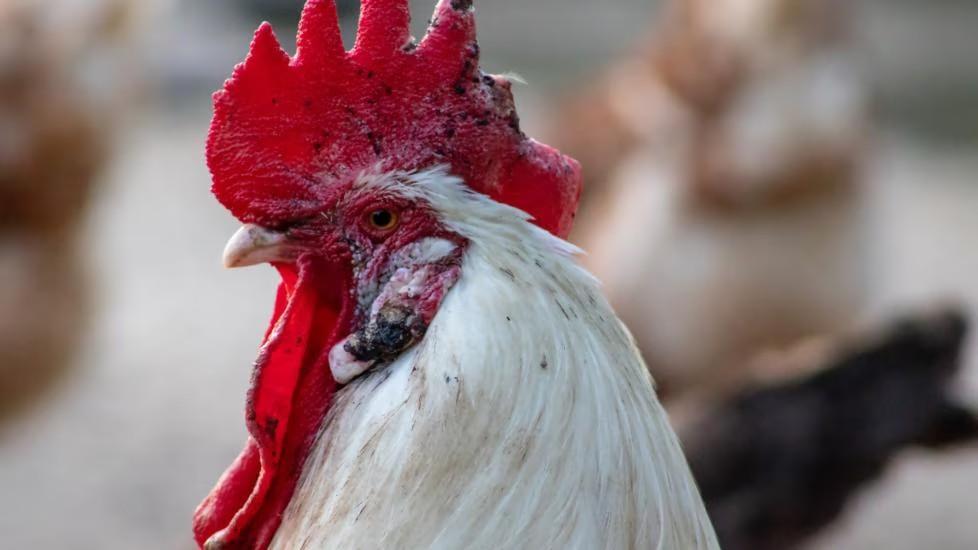
i. Cause: Fowl pox is caused by the Avipox virus. It spreads from infected birds to healthy ones through wounds and can also travel through the air to nearby poultry houses.
ii. Symptoms: White spots appear on the skin. Scabby sores develop on the comb and white ulcers form inside the mouth or trachea. Egg production also drops.
iii. Prevention and Treatment: Provide soft food and keep birds in a warm, dry space to help them recover. With good care, many birds can survive. A vaccine is available to protect healthy birds. Without vaccination, the disease can spread through contact with infected birds, mosquitoes, and even the air.
3. Quail Disease
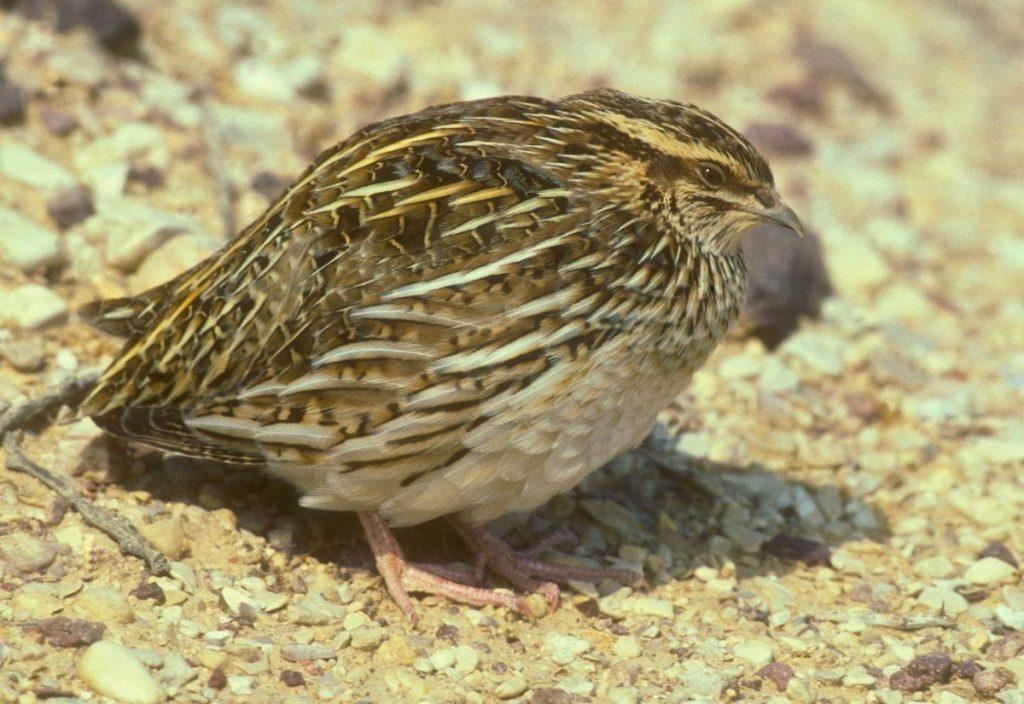
i. Cause: Quail disease is caused by Clostridium colinum, a spore-forming bacterium. It spreads through the droppings of sick or carrier birds. The organism is highly resistant to disinfectants and can survive in different environmental conditions.
ii. Symptoms: Birds with the acute form may die suddenly while still looking healthy. More chronic cases show listlessness, ruffled feathers, whitish watery diarrhea, and a hunched posture. Infected birds usually die in a very weak and wasted state.
iii. Prevention and Treatment: Seek professional advice if you suspect infection. Bacitracin and penicillin are the most effective treatment options. Bacitracin can be added to feed at up to 200 grams per ton, or mixed into water at one teaspoon per gallon to control an outbreak within two weeks. If bacitracin is not effective, penicillin can be used instead. Raising birds on wire is also a useful preventive measure.
4. Botulism
i. Cause: Botulism comes from ingesting a toxin produced by Clostridium botulinum bacteria. All domestic and most wild birds are vulnerable. If your birds have this disease, it likely means dead meat was left near their food or water and contaminated it.
ii. Symptoms: Birds develop progressive tremors that lead to full body paralysis, including breathing muscles. Their feathers become easy to pull out and death can occur within hours.
iii. Prevention and Treatment: An antitoxin is available from a vet. If caught early, mix 1 teaspoon of Epsom salts with 30ml of warm water and administer by dropper once daily. Keeping the environment clean and removing dead carcasses quickly will prevent the disease from occurring.
5. Fowl Cholera
i. Cause: Fowl cholera is caused by the bacterium Pasteurella multocida. Birds can contract it from wild animals or from food and water contaminated with this bacteria.
ii. Symptoms: Birds develop greenish or yellowish diarrhea and visible joint pain. They also struggle to breathe and their head or wattle may darken.
iii. Prevention and Treatment: There is no real cure. Birds that survive will remain carriers for life. It is usually better to put them down and destroy the carcass to stop the spread. A vaccine is available to protect healthy birds.
6. Infectious Bronchitis
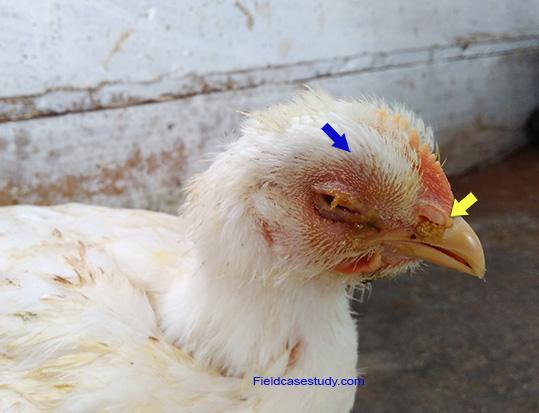
i. Cause: Infectious bronchitis is caused by the avian infectious bronchitis virus (IBV).
ii. Symptoms: Birds start sneezing, snoring, and coughing. Discharge begins to flow from their nose and eyes. Egg laying also stops.
iii. Prevention and Treatment: A vaccine is available and is the best form of protection. If you choose not to vaccinate, quarantine birds immediately once symptoms appear. This is a viral disease that spreads fast through the air. To treat affected birds, provide a warm, dry space for recovery. Warm herbal tea and fresh herbs in their feed may also help.
Read Also: How Often to Wash Poultry Feeding Equipments
7. Infectious Coryza
i. Cause: The disease is caused by the bacterium Hemophilus gallinarum. Outbreaks often follow the introduction of infected or carrier birds into a healthy flock. Contaminated water and surfaces can also spread it.
ii. Symptoms: The head swells up. Eyes swell shut and combs swell too. Discharge flows from the eyes and nose. Laying stops and moisture may appear under the wings.
iii. Prevention and Treatment: There is no vaccine for this disease. Infected birds should be killed and the carcass buried or burnt. If left alive, they will remain carriers for life and continue to put the rest of the flock at risk. Keeping birds away from unknown chickens and maintaining clean housing and water will help prevent it.
8. Marek’s Disease
i. Cause: Marek’s disease is caused by a virus in the Herpes virus group. Birds contract it by breathing in particles from the shed skin and feathers of infected birds. It spreads very easily.
ii. Symptoms: Mostly seen in birds under 20 weeks old. Tumors grow inside or outside the body. The iris turns grey and birds stop responding to light. Paralysis follows.
iii. Prevention and Treatment: If a chick gets this disease it must be put down. A bird that survives will remain a carrier for life. A vaccine given to day-old chicks can prevent the disease.
9. Thrush
i. Cause: Thrush is a fungal disease caused by the yeast Candida albicans. Birds can get it from mouldy feed, contaminated water, or dirty surfaces.
ii. Symptoms: A white oozy substance appears inside the crop. The bird looks lethargic, has a crusty vent area, and ruffled feathers.
iii. Prevention and Treatment: There is no vaccine, but it can be treated with antifungal medicine available from a vet. Remove any mouldy food and clean water containers thoroughly.
10. Bumblefoot
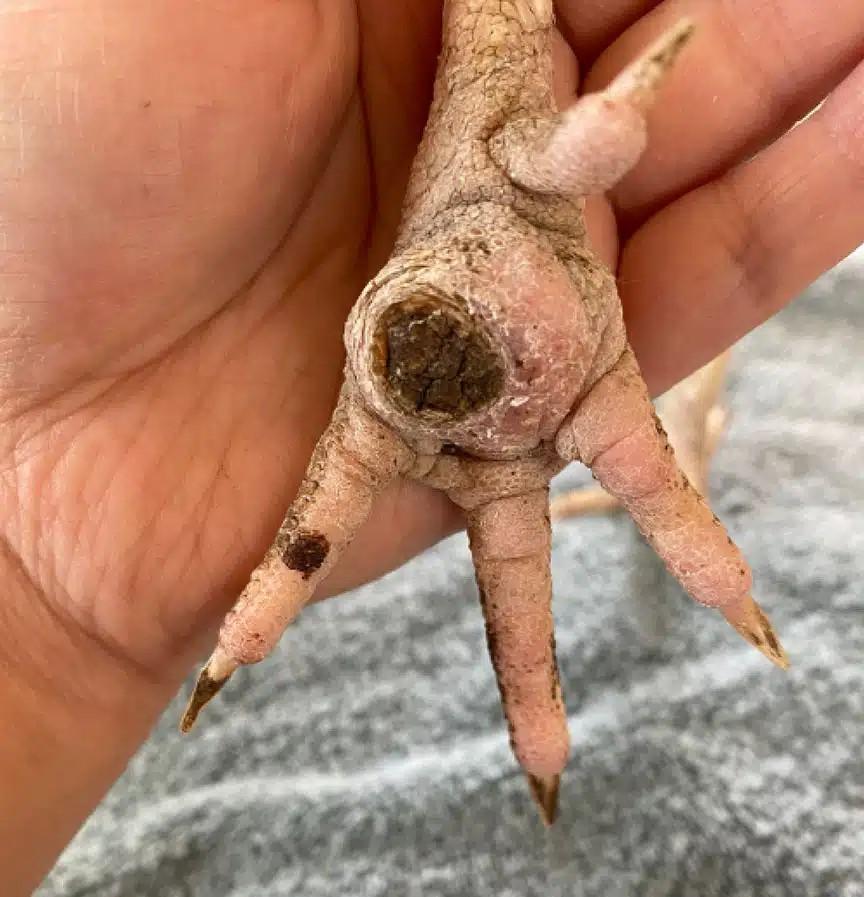
i. Cause: Bumblefoot happens when a wound on the chicken’s foot becomes infected. Birds can cut their feet while digging, scratching in mulch, or through various other activities.
ii. Symptoms: The infected wound causes the leg to swell.
iii. Prevention and Treatment: There is not much you can do to fully prevent it beyond monitoring your birds’ feet regularly. If you spot a cut, wash and disinfect it immediately to prevent infection from setting in.
11. Air Sac Disease
i. Cause: Air sac disease is caused by an organism called Mycoplasma gallisepticum.
ii. Symptoms: The disease starts with poor egg production and a weak bird. As it progresses, coughing, sneezing, breathing difficulties, swollen joints, and death may follow.
iii. Prevention and Treatment: A vaccine is available. Antibiotics from a vet can also treat it. Since it spreads from bird to bird, early detection is important so it can be managed quickly.
12. Mushy Chick
i. Cause: Mushy chick is a bacterial infection caused by improper closure of the navel. It is usually linked to faulty incubation, poor hatchery hygiene, or chilling and overheating soon after hatching.
ii. Symptoms: Newly hatched chicks have an enlarged, inflamed, blue-tinted midsection. The chick gives off an unpleasant smell, appears drowsy, and is physically weak.
iii. Prevention and Treatment: There is no vaccine, but antibiotics may sometimes work. The disease spreads from chick to chick or through contaminated surfaces. Keeping the brooder clean and separating sick chicks from healthy ones is the best approach.
Read Also: How to Prevent the effect of Excess Cold and Excess Heat in a Poultry House
13. Pullorum
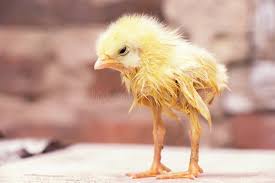
i. Cause: Pullorum is caused by the bacterium Salmonella pullorum. It is mainly transmitted through eggs but can also spread through contaminated surfaces and carrier birds.
ii. Symptoms: In chicks, there is no activity, white paste on their backsides, and breathing difficulty. Some chicks die without showing any signs. In older birds, sneezing, coughing, and reduced egg production are common.
iii. Prevention and Treatment: There is no vaccine. All infected birds should be put down and their carcasses burnt or buried to stop the disease from spreading to other animals.
14. Avian Influenza
i. Cause: Also known as bird flu, avian influenza is a well-known viral disease. While it sounds alarming, understanding the symptoms helps you respond quickly and effectively if your birds are exposed.
ii. Symptoms: Birds develop respiratory trouble and stop laying. Diarrhea occurs and the face may swell. Their comb and wattle can turn blue or become discolored. Dark red spots may appear on the legs and combs.
iii. Prevention and Treatment: There is no vaccine and infected birds will remain carriers for life. Wild animals can also spread the disease from bird to bird. Once your birds are infected, they must be put down and the carcasses burnt or buried. Sanitize all areas the birds were in before introducing a new flock. This disease can also make humans sick, so handle the situation with care.
Summary on How to Identify Poultry Sick Birds and Cure Them

| Disease | Cause | Key Symptoms | Treatment/Prevention |
|---|---|---|---|
| Newcastle Disease | Viral | Breathing problems, twisted neck, paralysis | Vaccination; older birds recover |
| Fowl Pox | Avipox virus | White spots, scabby sores, stop laying | Soft food, warm space, vaccination |
| Quail Disease | Bacterial (Clostridium colinum) | Diarrhea, ruffled feathers, sudden death | Bacitracin or penicillin; raise on wire |
| Botulism | Bacterial toxin | Tremors, full body paralysis | Antitoxin from vet; clean environment |
| Fowl Cholera | Pasteurella multocida | Diarrhea, joint pain, dark wattle | Vaccination; no cure once infected |
| Infectious Bronchitis | Viral (IBV) | Sneezing, coughing, nasal discharge | Vaccination; warm recovery space |
| Infectious Coryza | Hemophilus gallinarum | Swollen head, eyes swell shut | No vaccine; cull infected birds |
| Marek’s Disease | Herpes virus | Tumors, grey iris, paralysis | Vaccination at day-old; cull infected |
| Thrush | Fungal (Candida albicans) | White ooze in crop, ruffled feathers | Antifungal from vet; clean feed/water |
| Bumblefoot | Infected foot wound | Swollen leg | Clean and disinfect wounds early |
| Air Sac Disease | Mycoplasma gallisepticum | Coughing, breathing problems, swollen joints | Vaccine or antibiotics from vet |
| Mushy Chick | Bacterial (navel infection) | Swollen midsection, bad smell, weakness | Antibiotics; separate sick chicks |
| Pullorum | Salmonella pullorum | White paste on backside, breathing difficulty | No vaccine; cull and destroy carcass |
| Avian Influenza | Viral (bird flu) | Respiratory issues, blue comb, dark spots | No vaccine; cull, sanitize, and restock |
Frequently Asked Questions About How to Identify Poultry Sick Birds and Cure Them
1. What are the first signs of sickness in poultry birds?
The first signs include loss of appetite, slow movement, change in droppings color, sneezing, coughing, and in serious cases, sudden death. Watch your birds daily so you can spot changes early.
2. Can all poultry diseases be treated with drugs?
No. Bacterial and fungal diseases can be treated with antibiotics and antifungal drugs. Viral diseases, however, cannot be cured. Prevention through vaccination is the best approach for viral infections.
3. What is the most contagious poultry disease?
Avian Influenza and Newcastle Disease are among the most contagious. Both spread quickly through direct contact, contaminated surfaces, and even through the air.
4. How can I prevent disease outbreaks on my poultry farm?
Keep the farm clean, provide quality feed and water, follow a strict vaccination schedule, limit access by visitors and wild animals, and consult a poultry expert regularly.
5. Which poultry diseases have no vaccine?
Infectious Coryza, Pullorum, Mushy Chick, and Avian Influenza currently have no available vaccines. For these diseases, strict hygiene and early culling of infected birds are the main control measures.
6. Is bird flu dangerous to humans?
Yes. Avian Influenza (bird flu) can make humans sick. If you suspect your birds have contracted bird flu, handle them with caution, cull infected birds, and sanitize all areas thoroughly before introducing a new flock.
7. What should I do if I notice sudden death in my flock?
Isolate the remaining birds immediately and call a poultry veterinarian or consultant. Do not move birds or equipment between pens until you know the cause of death.
8. Can poultry diseases spread from wild birds to farm birds?
Yes. Wild birds can carry and transmit diseases like Newcastle Disease and Avian Influenza to farm birds. Securing your farm with proper fencing and netting helps reduce this risk.
9. What is the role of vaccination in poultry disease management?
Vaccination is the most effective tool for preventing viral diseases in poultry. It protects the flock before exposure to disease. Work with a vet to set up the right vaccination schedule for your birds.
10. When should I call a veterinarian for my poultry?
Call a vet as soon as you notice unusual signs like sudden deaths, mass coughing, swollen heads, or birds that stop eating and laying. Early intervention can save the rest of your flock.
Do you have any questions, suggestions, or contributions? If so, please feel free to use the comment box below to share your thoughts. We also encourage you to kindly share this information with others who might benefit from it. Since we can’t reach everyone at once, we truly appreciate your help in spreading the word. Thank you very much for your support and for sharing!