


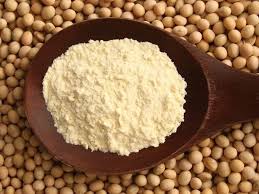
Soya beans, also known as soybeans, are a versatile legume packed with essential nutrients. They are rich in protein, making them an excellent choice for vegetarians and vegans seeking plant-based protein sources.
Soya beans are not only high in protein but also contain healthy fats, fiber, vitamins, and minerals, contributing to a balanced diet. One popular way to utilize soya beans is by turning them into soya bean powder, a convenient ingredient that can enhance various dishes.
Making soya bean powder at home is a simple and cost-effective process. It allows you to control the quality of the beans used and ensures that no additives or preservatives are included. Soya bean powder can be used in numerous recipes, including smoothies, baked goods, soups, sauces, and as a protein supplement.
By incorporating soya bean powder into your meals, you can boost the nutritional value of your dishes while adding a nutty flavor.
The process of making soya bean powder involves a few key steps: selecting high-quality soya beans, soaking them, cooking, drying, and finally grinding them into a fine powder.
Each step is crucial to ensure that the final product is not only nutritious but also flavorful. You can experiment with different methods of drying and grinding to achieve the desired texture and consistency for your powder.
One of the advantages of making soya bean powder at home is that you can adjust the texture to your liking. Some may prefer a coarser powder for added texture in recipes, while others might want a fine powder for smoothies or baking.
Additionally, homemade soya bean powder is free from any added sugars, artificial flavors, or preservatives, making it a healthier option than store-bought varieties.
In recent years, the popularity of plant-based diets has surged, leading to an increased interest in products made from soya beans. Soya bean powder has gained recognition as a versatile ingredient that can be incorporated into many dietary plans. It is particularly beneficial for those looking to increase their protein intake without relying on animal products.
Furthermore, soya beans are also an excellent source of isoflavones, compounds that may provide health benefits, including improved heart health and reduced menopausal symptoms.
Making soya bean powder at home is not only a straightforward process, but it also promotes sustainability. By preparing this powder in your kitchen, you reduce packaging waste associated with store-bought products and support a more sustainable lifestyle. Additionally, you can source soya beans from local farmers or suppliers, further reducing your carbon footprint.
In conclusion, creating soya bean powder at home is an accessible and rewarding endeavor. It offers numerous health benefits, versatility in cooking, and promotes a sustainable lifestyle.
Benefits of Soya Beans Powder
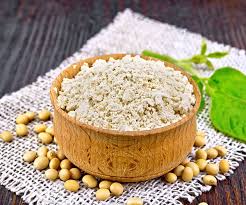
1. High Protein Content: Soya beans powder is an excellent source of plant-based protein, making it ideal for vegetarians and those looking to increase their protein intake.
2. Rich in Essential Amino Acids: It contains all nine essential amino acids, which are crucial for muscle repair and growth.
3. Heart Health Benefits: The isoflavones in soya beans powder may help lower cholesterol levels and reduce the risk of heart disease.
4. Blood Sugar Control: Soya beans powder has a low glycemic index, which can aid in managing blood sugar levels and improving insulin sensitivity.
5. Nutrient Density: It is packed with vitamins and minerals, including calcium, iron, magnesium, and B vitamins, supporting overall health.
6. Antioxidant Properties: Soya beans powder contains antioxidants that can help combat oxidative stress and inflammation in the body.
7. Weight Management: The protein and fiber content in soya beans powder can promote satiety, helping with weight management.
Choosing Quality Soya Beans
1. Organic Certification: Look for organic soya beans, which are free from pesticides and chemicals, ensuring higher quality and safety.
2. Whole Beans vs. Powder: Choose whole soya beans for better nutritional value; ensure they are fresh and properly stored.
3. Color and Appearance: Quality soya beans should be uniform in color, free from blemishes, and have a firm texture.
4. Reputable Brands: Purchase from trusted brands or suppliers known for their quality control and ethical sourcing practices.
5. Check for Certification: Look for certifications like Non-GMO Project Verified or USDA Organic, indicating higher standards of quality.
Preparation: Cleaning and Soaking
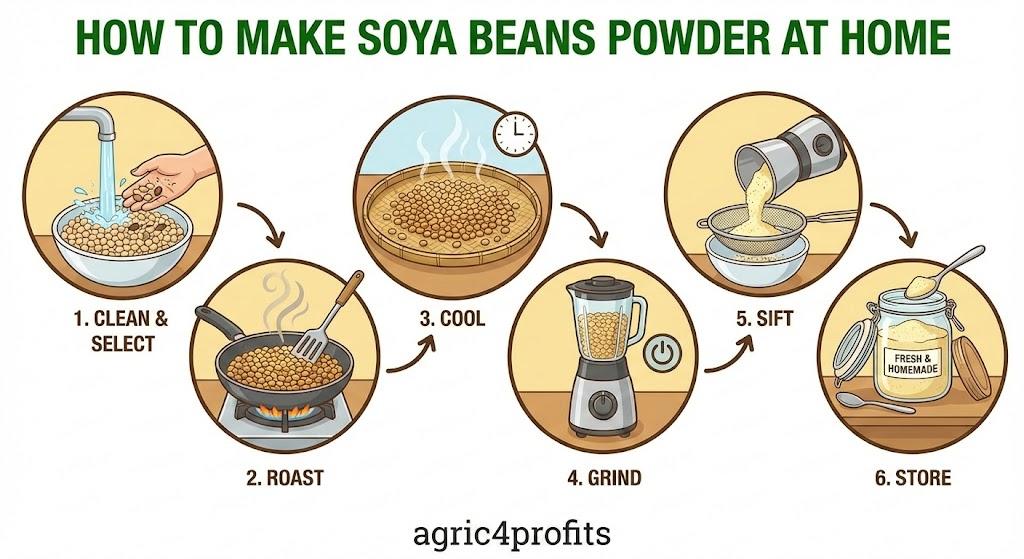
1. Cleaning: Rinse the soya beans under running water to remove any dirt, dust, or impurities. Use a fine mesh strainer to ensure all particles are washed away.
2. Soaking: Soak the cleaned beans in water for 8-12 hours or overnight. This process softens the beans, making them easier to cook and enhancing digestibility.
3. Rinse Again: After soaking, drain and rinse the beans once more to remove any remaining debris or anti-nutritional factors.
4. Check for Doneness: Before cooking, check the beans for firmness; they should be plump and soft to the touch.
Drying Soya Beans
1. Sun Drying: Spread soaked soya beans on a clean surface under direct sunlight, turning them occasionally to ensure even drying. This method may take several hours to a couple of days, depending on weather conditions.
2. Dehydrator: Use a food dehydrator set to the appropriate temperature for soya beans (typically around 130°F or 54°C) for more controlled and efficient drying.
3. Oven Drying: Preheat your oven to a low temperature (around 150°F or 65°C), spread the beans on a baking sheet, and dry them until completely moisture-free, checking frequently.
4. Storage: Once dried, store soya beans in airtight containers in a cool, dark place to maintain freshness and prevent spoilage.
5. Grinding: For making soya beans powder, grind the dried beans in a high-speed blender or food processor until you achieve a fine powder.
Roasting Soya Beans
1. Purpose: Roasting enhances the flavor of soya beans, giving them a nutty taste while also improving their texture for various culinary uses.
2. Preheating: Preheat your oven to 350°F (175°C) or use a dry skillet over medium heat for stovetop roasting.
3. Spreading Beans: Spread the cleaned and dried soya beans in a single layer on a baking sheet or in a skillet.
4. Roasting Time: Roast in the oven for 20-30 minutes, stirring occasionally, or on the stovetop for about 10-15 minutes, until they are golden brown.
5. Cooling: Allow the roasted soya beans to cool before using them in recipes or grinding them into powder.
Grinding Techniques for Soya Beans
1. Choosing Equipment: Use a high-speed blender, food processor, or coffee grinder specifically designed for grinding dry ingredients.
2. Batch Size: Grind in small batches for better consistency; avoid overloading the machine to ensure even grinding.
3. Grinding Time: Process the beans until they reach a fine powder consistency, stopping to check periodically to avoid overheating the machine.
4. Sifting: For a finer texture, sift the ground powder through a fine mesh sieve to remove larger particles, re-grinding as necessary.
5. Cleanup: Clean the grinding equipment immediately after use to prevent the powder from sticking and ensure longevity.
Storing Soya Beans Powder
1. Airtight Containers: Store the soya beans powder in airtight containers to prevent moisture absorption and maintain freshness.
2. Cool, Dark Place: Keep the containers in a cool, dark place away from direct sunlight and heat sources to prolong shelf life.
3. Refrigeration: For extended shelf life, consider refrigerating or freezing the powder, ensuring it’s well-sealed to avoid moisture and odor absorption.
4. Labeling: Label containers with the date of grinding to keep track of freshness; use within 6-12 months for optimal quality.
5. Checking Freshness: Periodically check for off odors or changes in texture, which may indicate spoilage, and discard if necessary.
Read Also: 10 Medicinal Health Benefits of Artichoke (Cynara scolymus)
Using Soya Beans Powder in Recipes
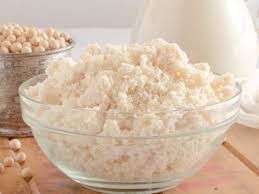
1. Smoothies and Shakes: Add soya beans powder to smoothies and shakes for an extra protein boost; combine with fruits, yogurt, or nut milk for added flavor.
2. Baking: Substitute a portion of flour in baking recipes (like bread, muffins, or pancakes) with soya beans powder for enhanced nutrition and moisture.
3. Soups and Sauces: Stir in soya beans powder into soups, stews, or sauces to thicken and enrich their nutritional profile.
4. Energy Bars and Snacks: Incorporate soya beans powder into homemade energy bars or snacks, combining it with nuts, seeds, and dried fruits.
5. Savory Dishes: Use soya beans powder as a coating for meats or vegetables, or mix it into patties and burgers for added texture and protein.
Nutritional Value of Soya Beans Powder
1. Protein Content: Soya beans powder is rich in protein, containing about 36-40% protein, making it an excellent plant-based protein source for vegetarians and vegans.
2. Fiber: It is high in dietary fiber, aiding digestion and promoting satiety, which can help in weight management.
3. Healthy Fats: Soya beans powder contains polyunsaturated and monounsaturated fats, including omega-3 and omega-6 fatty acids, which are beneficial for heart health.
4. Vitamins: It is a good source of vitamins such as B vitamins (including B1, B2, and folate), which are essential for energy metabolism and brain health.
5. Minerals: Soya beans powder provides important minerals like iron, calcium, magnesium, and potassium, contributing to bone health and muscle function.
Tips for Homemade Soya Beans Powder
1. Selecting Beans: Choose high-quality, organic soya beans for the best flavor and nutritional content, avoiding any that are discolored or damaged.
2. Cleaning: Thoroughly rinse the beans to remove dirt and impurities before soaking or cooking.
3. Soaking: Soak the beans in water for at least 8 hours or overnight to soften them and reduce cooking time, which also helps improve digestibility.
4. Cooking: Cook the soaked beans until they are tender; boiling or steaming works well. Avoid overcooking, which can lead to mushiness.
5. Drying: Spread the cooked beans on a baking sheet and dry them in the oven at a low temperature (around 150°F or 65°C) until completely dry, which can take several hours.
Do you have any questions, suggestions, or contributions? If so, please feel free to use the comment box below to share your thoughts. We also encourage you to kindly share this information with others who might benefit from it. Thank you so much for your support and for sharing!
Summary of How to Make Soya Beans Powder at Home
| Aspect | Key Points |
|---|---|
| Introduction | Soya beans (soybeans) are nutrient-rich legumes high in protein, fats, fiber, vitamins, minerals, and isoflavones; homemade powder is additive-free and versatile. |
| Benefits of Soya Beans Powder | High complete protein, essential amino acids, heart health (lowers cholesterol), blood sugar control, nutrient-dense (Ca, Fe, Mg, B vitamins), antioxidants, weight management. |
| Choosing Quality Beans | Opt for organic, Non-GMO certified, uniform color, firm texture, from reputable sources. |
| Preparation Steps | Clean and rinse beans, soak 8-12 hours/overnight, rinse again. |
| Drying Methods | Sun drying, food dehydrator (~130°F), oven drying (~150°F); store dried beans airtight. |
| Roasting | Optional step at 350°F for 20-30 min or stovetop 10-15 min for nutty flavor; cool before grinding. |
| Grinding Techniques | Use high-speed blender/food processor/coffee grinder in small batches; sift for finer texture. |
| Storage | Airtight containers in cool/dark place; refrigerate/freeze for longer shelf life (6-12 months). |
| Uses in Recipes | Smoothies/shakes, baking (flour substitute), soups/sauces thickener, energy bars, savory coatings/patties. |
| Nutritional Highlights | ~36-40% protein, high fiber, healthy fats (omega-3/6), B vitamins, iron, calcium, magnesium, potassium. |
| Tips | Select quality organic beans, thorough cleaning/soaking, avoid overcooking, low-temp drying. |
Frequently Asked Questions
1. Why make soya beans powder at home?
Homemade soya beans powder is free from additives, preservatives, and artificial flavors, allows control over quality, is cost-effective, and supports sustainability by reducing packaging waste.
2. What are the main health benefits of soya beans powder?
It provides high-quality complete plant protein, supports heart health via isoflavones and cholesterol reduction, helps manage blood sugar, offers antioxidants, aids digestion with fiber, and promotes satiety for weight control.
3. How do I choose good quality soya beans?
Select organic or Non-GMO certified beans that are uniform in color, free from blemishes or damage, firm in texture, and sourced from reputable suppliers.
4. Is soaking the beans necessary?
Yes, soaking for 8-12 hours or overnight softens the beans, improves digestibility, reduces cooking time, and helps remove some anti-nutritional factors.
5. Should I roast the beans before grinding?
Roasting is optional but recommended as it enhances nutty flavor and improves texture. Roast at 350°F for 20-30 minutes or on stovetop until golden brown, then cool completely.
6. What equipment is best for grinding soya beans into powder?
A high-speed blender, food processor, or dedicated coffee/spice grinder works well. Grind in small batches and sift for a finer, smoother powder.
7. How should I store homemade soya beans powder?
Store in airtight containers in a cool, dark place. For longer shelf life (up to 6-12 months), refrigerate or freeze it, and always check for off odors or spoilage.
8. How can I use soya beans powder in everyday cooking?
Add it to smoothies for protein, substitute part of flour in baking, thicken soups/sauces, mix into energy bars, or use as a coating for savory dishes and patties.
9. Is soya beans powder suitable for vegetarians and vegans?
Yes, it is an excellent complete plant-based protein source containing all nine essential amino acids, ideal for vegetarian and vegan diets.
10. Can homemade soya beans powder help with weight management?
Yes, its high protein and fiber content promotes fullness and satiety, helping control appetite and support healthy weight management when part of a balanced diet.
Do you have any questions, suggestions, or contributions? If so, please feel free to use the comment box below to share your thoughts. We also encourage you to kindly share this information with others who might benefit from it. Since we can’t reach everyone at once, we truly appreciate your help in spreading the word. Thank you very much for your support and for sharing!
Disclaimer: This article is for educational and informational purposes only. The health benefits described are based on scientific research and traditional knowledge. They ayre not a substitute for professional medical advice, diagnosis, or treatment. Always consult a healthcare professional before using any herb or natural remedy for medical purposes.