


Brooding chicks is one of the most important stages in poultry farming. Get it right, and you set your birds up for healthy growth and good performance. Get it wrong, and you’ll deal with poor weight gain, bad feed conversion, higher death rates, and lower profits.
The goal is simple: give your chicks a comfortable, healthy environment from day one. That means managing temperature, air quality, humidity, and light properly. These four things make or break your brooding results.
Baby chicks grow fast. Between weeks two and three, you’ll notice visible changes almost every day. That’s why staying on top of their care during this period matters so much. Keep the brooder clean and warm, provide a good starter-grower feed, and make sure fresh water is always available.
One tip that many farmers overlook: listen to your chicks. Happy, healthy chicks move freely around the brooder and make soft, gentle cheeping sounds. If you hear loud, shrill, or rapid cheeping, something is wrong and you need to find out what quickly.
This guide covers everything you need to know about managing day-old chicks through to week six.
1. Heat Management During Brooding
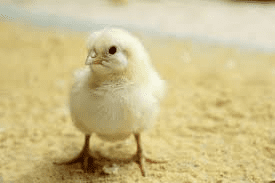
Heat is the most critical factor in brooding. Chicks cannot regulate their own body temperature in the early weeks, so you have to do it for them.
Supply heat consistently from week one through week six. Start at 95°F during the first week, then reduce the temperature by 5°F each week until you reach a minimum of 70°F at week six. If you use a radiant heater, adjust its height as the birds grow.
A. Brooder Guard Removal
Remove the brooder guard when most chicks can fly over it. During cold seasons, this is usually around day ten. In hot weather, you can remove it after two weeks.
B. Signs of Temperature Problems
i. Excessive heat: Chicks become sluggish and lose their appetite when it is too hot. Use a thermometer to monitor and maintain the right temperature at all times.
ii. Excessive cold: Chicks crowd under the heat source, cry loudly, and become prone to illness when it is too cold.
iii. Normal temperature: Chicks are lively, evenly spread around the brooder, eating and drinking normally.
2. Lighting for Baby Chicks
After the first week, cut back lighting to 10 to 12 hours per day. Use one 25-watt bulb for every 100 square feet of floor space. Too much light can stress the birds, while too little can slow their activity and feeding. Keep it balanced.
3. Caring for Baby Chicks
A. Keeping the Brooder Clean
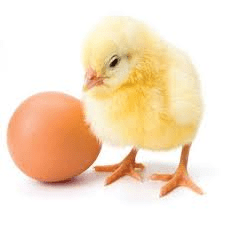
Remove any dirt or foreign material from feeders and waterers every day. Wash waterers with soap and water once a week. Use pine shavings as bedding and replace wet or soiled litter daily. A dirty brooder spreads disease fast.
B. Listening to Your Chicks
Soft cheeping means all is well. A shrill or rapid cheep is a distress signal. Check immediately for heat problems, wet litter, hunger, or thirst.
C. Moving Feeders and Waterers
Once the brooder guard is removed, move feeders and waterers farther from the heat source. This gives the chicks more space and keeps the equipment cleaner. Raise them gradually until they sit at the birds’ back height.
D. Removing Training Feeders
Remove training feeders once the chicks are familiar with the regular feeders. Make sure starter-grower feed and clean water are always available. Reduce the feed level slightly each week to cut waste, but never let feeders drop below half full.
Read Also: Nutritional Deficiency and How it affects Poultry Birds
4. Management of Chicks in the Brooder
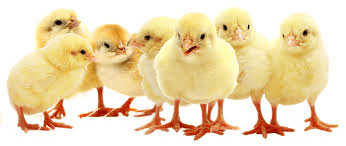
Here are the key practices to follow during brooding:
i. Temperature control: Adjust heat daily as needed. If using an oil lamp or stove, check for faults before use. Keep chicks away from hot lamp parts.
ii. Dry environment: Avoid dampness in the poultry house. A deep litter system helps keep things dry and manageable.
iii. Discourage litter eating: Scatter mash over egg case flats when chicks are first brought out of their boxes.
iv. Balanced feed: Provide a standard, balanced feed mash at all times.
v. Ventilation: Keep fresh air flowing into the brooder without creating cold drafts.
vi. Clean water: Offer clean, fresh water at least twice daily.
vii. Green feed: From week three, you can add chopped green grass to boost Vitamin A intake.
viii. Daily cleaning: Clean the brooder and feed hoppers every day.
ix. Vaccination: Follow a regular vaccination schedule. Do not skip or delay doses.
x. Avoid overcrowding: Too many chicks in a small space slows growth and raises mortality. Give them enough room to move freely.
xi. Weather protection: Place the brooder where rain and cold wind cannot get in.
xii. Daily inspection: Check the birds and their droppings every day for any signs of illness or abnormality.
xiii. Vet contact: Keep a vet’s number handy for emergencies.
xiv. Pre-placement check: Before moving chicks into the brooder, confirm that temperature, fittings, feed, and water are all set and working properly.
Summary on How to Manage Baby Chicks from Day Old to Week 6

| Topic | Key Points |
|---|---|
| Brooding Goal | Provide a comfortable, healthy environment for growing chicks |
| Temperature Week 1 | 95°F |
| Temperature Reduction | Drop by 5°F each week until 70°F at week 6 |
| Lighting | 10 to 12 hours per day after week 1; one 25W bulb per 100 sq ft |
| Brooder Guard Removal | Day 10 (cold season); after 2 weeks (hot season) |
| Signs of Overheating | Sluggish chicks, loss of appetite |
| Signs of Cold Stress | Crowding under heat, loud crying |
| Signs of Normal Temp | Lively, evenly spread, eating and drinking |
| Bedding | Pine shavings; replace wet/soiled litter daily |
| Waterer Cleaning | Wash with soap and water once weekly |
| Feed | Balanced starter-grower mash; always available |
| Green Feed | Add chopped grass from week 3 for Vitamin A |
| Vaccination | Follow a regular scheduled program |
| Overcrowding | Avoid; causes slow growth and high mortality |
Frequently Asked Questions About How to Manage Baby Chicks from Day Old to Week 6
1. What temperature should a brooder be for day-old chicks?
The brooder should be at 95°F during the first week. Reduce it by 5°F each week after that until you reach 70°F at week six.
2. How do I know if my chicks are too cold or too hot?
Cold chicks crowd together under the heat source and cheep loudly. Hot chicks spread far from the heat, act sluggish, and stop eating. Normal chicks move freely and make soft sounds.
3. How many hours of light do baby chicks need?
After the first week, 10 to 12 hours of light per day is enough. Use a 25-watt bulb for every 100 square feet of floor space.
4. When should I remove the brooder guard?
Remove it around day ten when chicks can find the heat source on their own. In cold seasons it may stay a bit longer. In hot weather, two weeks is usually fine.
5. What bedding is best for baby chicks?
Pine shavings work well. They absorb moisture and are easy to manage. Replace wet or dirty litter every day to keep the brooder clean and dry.
6. How often should I clean the waterers?
Remove debris daily and wash waterers with soap and water once a week. Always provide clean, fresh water at least twice a day.
7. Can I give baby chicks green feed?
Yes, from week three you can offer chopped green grass. It provides Vitamin A and adds variety to their diet.
8. How much space do baby chicks need in the brooder?
Overcrowding slows growth and raises death rates. Give each chick enough space to move, eat, and drink without fighting for room. Consult your vet or supplier for exact space recommendations based on breed and flock size.
9. When should I start a vaccination program for my chicks?
Start from day one if your program requires it. Follow the schedule recommended by your vet or hatchery and never skip doses.
10. What should I do if a chick seems sick or abnormal?
Separate it from the rest of the flock immediately to prevent disease spread. Inspect its droppings and behavior, then contact your vet for proper diagnosis and treatment.
Do you have any questions, suggestions, or contributions? If so, please feel free to use the comment box below to share your thoughts. We also encourage you to kindly share this information with others who might benefit from it. Since we can’t reach everyone at once, we truly appreciate your help in spreading the word. Thank you very much for your support and for sharing!
Read Also: Comprehensive Guide on How to start Cockerel Farming Business