


Bruising blueberries can happen easily if we’re not careful with these delicate little fruits. Blueberries, with their vibrant color and sweet taste, are a popular choice for snacks, desserts, and even breakfast. However, they require gentle handling to avoid bruising, which can affect both their appearance and texture.
When we say bruising, we mean those little dark spots that appear on the blueberry’s skin. These spots happen when the tiny cells inside the fruit get damaged. It’s like when we get a little bump and see a bruise on our skin – blueberries can bruise too!
Now, you might wonder, why does it matter if blueberries get bruised? Well, the thing is, bruising can make the blueberries look less appealing. Imagine serving a bowl of blueberries, and instead of seeing a bunch of plump, perfect berries, there are some with dark marks. It’s not as nice, is it?
But it’s not just about looks – bruising can also affect the texture and taste of blueberries. When those tiny cells inside get hurt, the blueberry might not be as juicy or as sweet. Nobody wants a blueberry that doesn’t burst with flavor when you bite into it!
So, how can we prevent bruising? It’s simple – handle blueberries with care. When picking them, be gentle. When washing them, don’t rub too hard. And when storing them, make sure they’re not squished together. Think of blueberries like you would fragile treasures – treat them gently, and they’ll reward you with their deliciousness.
Bruising blueberries is something we want to avoid. By handling these little berries with care, we can ensure they stay as beautiful, juicy, and tasty as possible. So next time you enjoy a handful of blueberries, remember to be gentle – those tiny fruits deserve it!
Read Also: Aubrieta Flowers – All You Need to Know About
How to Pick Blueberries without Bruising them
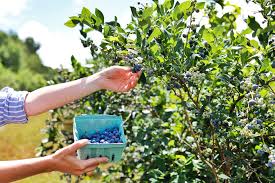
Picking blueberries without bruising them is a simple process that involves being gentle and mindful of the delicate nature of these berries. Here’s a step-by-step guide:
1. Look for Ripe Berries: Choose blueberries that are fully ripe. Ripe blueberries are plump, firm, and have a deep color. Avoid picking berries that are still red or green as they may not be as sweet or flavorful.
2. Use a Gentle Touch: When reaching for a blueberry, use a soft and delicate touch. Avoid squeezing or pinching the berries, as this can lead to bruising. Instead, use your fingertips to gently roll the berry off the stem.
3. Inspect Carefully: Examine each blueberry before picking it. If you notice any signs of damage or soft spots, it’s best to leave those berries behind. Only choose berries that are in good condition.
4. Pick in Small Batches: Instead of grabbing a handful at once, pick blueberries in small batches. This allows you to control the pressure you apply and reduces the likelihood of berries at the bottom getting squished.
5. Hold the Container Properly: If you’re using a container to collect the berries, hold it at the bottom rather than at the top. This way, the weight of the berries won’t cause unnecessary pressure on the ones at the bottom.
6. Be Mindful of Surroundings: Watch where you place your hands while picking. Avoid leaning or putting pressure on the bushes, as this can damage both the berries and the plant.
7. Store Properly: After picking, store the blueberries in a shallow container to prevent them from getting squished. Keep them refrigerated to maintain freshness.
8. Handle with Care: When transporting blueberries home or to your kitchen, handle the container with care. Avoid vigorous shaking or movement that could cause the berries to collide and bruise.
Read Also: Azalea Flowers (Rhododendron spp): All You Need to Know About
What Causes Bruising?

Bruising in blueberries, as well as in many fruits, occurs when the tiny cells within the fruit’s skin get damaged. Several factors contribute to the bruising of blueberries:
1. Pressure: Applying too much pressure when handling or picking blueberries can cause the fragile cells to rupture. Squeezing or pressing on the berries can lead to visible bruises.
2. Impact: Dropping or roughly handling blueberries can result in bruising. Even a small impact can damage the cells and cause the characteristic dark spots on the fruit.
3. Overcrowding: Storing or transporting blueberries in a crowded container can lead to berries pressing against each other. This constant contact can cause bruising over time.
4. Rough Washing: Washing blueberries vigorously or using high water pressure can damage the delicate skin. It’s essential to wash them gently to avoid bruising.
5. Underripe Berries: Picking blueberries before they are fully ripe may make them more susceptible to bruising. Ripe berries are generally firmer and better able to withstand handling.
6. Varietal Sensitivity: Different blueberry varieties may have varying levels of susceptibility to bruising. Some may be more delicate than others, and the level of care needed when handling them can vary.
Understanding these factors and taking measures to handle blueberries with care can help minimize bruising, ensuring you enjoy their flavor and appearance to the fullest.
Disadvantages of Bruised Blueberries
Bruised blueberries come with several disadvantages that can affect both their appearance and taste. Here are some drawbacks of consuming bruised blueberries:
1. Reduced Aesthetic Appeal: Bruising causes dark spots on the skin of blueberries, making them visually less appealing. This can be unappetizing, especially when serving blueberries as part of a dish or dessert.
2. Altered Texture: The damaged cells in bruised blueberries can lead to changes in texture. Bruised berries may be softer or mushier than their undamaged counterparts, affecting the overall eating experience.
3. Diminished Flavor: Bruising can impact the flavor of blueberries. The damaged cells may result in a loss of juiciness and sweetness, making bruised berries less flavorful compared to fresh, undamaged ones.
4. Shortened Shelf Life: Bruised blueberries are more prone to spoilage. The damaged areas provide entry points for bacteria and molds, reducing the shelf life of the berries and potentially leading to faster deterioration.
5. Waste: When a significant portion of blueberries is bruised, it may lead to increased waste. Consumers may discard bruised berries, contributing to food waste.
6. Potential Health Concerns: While not a direct health risk, bruised blueberries might be more susceptible to microbial contamination. Consuming berries with visible damage increases the likelihood of ingesting harmful bacteria or molds.
7. Economic Impact: For growers and distributors, bruised blueberries can result in economic losses. Berries that are visibly bruised may not meet market standards, leading to lower prices or rejection by consumers.
To fully enjoy the benefits of blueberries, it’s advisable to handle and store them carefully to minimize bruising and ensure a longer shelf life with optimal flavor and texture.
What Can I do with Bruised Blueberries?
While bruised blueberries may not be as visually appealing, they can still be used in various ways rather than being discarded. Here are some creative ways to make the most of bruised blueberries:
1. Blend into Smoothies: Bruised blueberries can be blended into delicious smoothies. The damaged appearance won’t affect the taste, and you can combine them with other fruits and yogurt for a refreshing drink.
2. Make Sauces and Compotes: Cook bruised blueberries down with a bit of sugar to create a flavorful sauce or compote. This can be used as a topping for pancakes, waffles, ice cream, or even as a spread for toast.
3. Bake into Muffins or Pancakes: Incorporate bruised blueberries into muffin or pancake batter. The baking process can transform them into a tasty treat, and the bruises may not be as noticeable in the final product.
4. Create Homemade Jam: Turn bruised blueberries into homemade jam or jelly. The cooking process helps break down the berries, and the result can be a delicious spread for toast or desserts.
5. Infuse Water or Beverages: Use bruised blueberries to infuse water, tea, or other beverages. The flavor will infuse into the liquid, and you can strain out any remaining bits before serving.
6. Freeze for Later: If you can’t use bruised blueberries immediately, freeze them for later use. They can be added to smoothies or used in baking without the visual impact of bruises.
7. Mix into Yogurt or Oatmeal: Incorporate bruised blueberries into yogurt or oatmeal. The soft texture may blend well with these breakfast staples, and the bruises may be less noticeable.
8. Create Homemade Popsicles: Make fruity popsicles by blending bruised blueberries with other fruits and freezing the mixture in popsicle molds.
Remember, the taste and nutritional value of bruised blueberries remain largely intact, so don’t hesitate to get creative in the kitchen to minimize food waste.
Read Also: Complete Steps in Glass Recycling Guide