


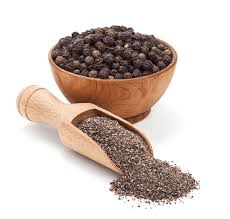
Black pepper, known as the “King of Spices,” is a key ingredient in many cuisines around the world. It’s not just a kitchen staple but also a valuable commodity in the international spice trade. Processing, packaging, and exporting black pepper require specific steps to ensure high quality and compliance with international standards. This guide will walk you through the entire process, from harvesting to exporting, providing you with clear and straightforward information.
The first step in producing high-quality black pepper is harvesting the peppercorns. Black pepper is made from the dried fruit of the Piper nigrum plant. The timing of the harvest is crucial. Peppercorns are typically harvested when they are about to turn red, indicating full maturity but before they fully ripen. This timing ensures the best flavor and essential oil content.
After harvesting, the peppercorns need to be separated from the spikes. This can be done manually or with the help of mechanical threshers. Once separated, the peppercorns are washed thoroughly to remove dirt and impurities. It’s important to use clean water and follow hygienic practices during this stage to maintain quality.
Drying is a critical step in black pepper processing. Proper drying reduces the moisture content of the peppercorns to about 10-12%, which is necessary to prevent mold growth and ensure long shelf life. The traditional method involves sun-drying the peppercorns on clean mats or concrete floors for several days. They are spread out in a thin layer and turned regularly to ensure even drying.
In some regions, mechanical dryers are used to speed up the process and ensure consistent results. These dryers control temperature and humidity, providing an efficient and hygienic drying method. Regardless of the method used, the goal is to achieve uniformly dried peppercorns that are free from mold and have a moisture content within the desired range.
Once dried, the peppercorns are cleaned to remove any remaining dust, dirt, or foreign materials. This can be done using air classifiers, sieves, and gravity separators. Cleaning is essential to ensure that the pepper meets the quality standards required for export.
After cleaning, the peppercorns are graded based on size, color, and density. Grading helps in categorizing the pepper into different quality levels, which can affect pricing and marketability. The best grades are typically larger, more uniform in color, and have higher essential oil content.
Packaging plays a significant role in maintaining the quality of black pepper during storage and transportation. The packaging materials used should be food-grade, moisture-proof, and capable of protecting the pepper from contamination and physical damage. Common packaging materials include polypropylene bags, laminated pouches, and vacuum-sealed bags.
It’s important to pack the pepper in clean and hygienic conditions to prevent any contamination. The packaging should also be labeled correctly, indicating the grade, weight, batch number, and any other relevant information required by the importing country.
Before exporting, it’s essential to conduct quality control tests to ensure the pepper meets international standards. These tests typically include checking for moisture content, microbial contamination, pesticide residues, and physical characteristics such as size and color. Quality control ensures that the pepper is safe for consumption and meets the specifications of the buyer.
Various laboratories and testing facilities can perform these tests, providing certificates that confirm the pepper’s quality. These certificates are often required by importing countries and buyers to verify that the product complies with their standards.
Exporting black pepper involves several steps and requires compliance with international trade regulations. The first step is to identify potential buyers and markets. Researching and understanding the market demand, pricing, and regulatory requirements of the target countries is crucial.
Once potential buyers are identified, the next step is to negotiate terms and finalize contracts. It’s important to agree on the price, quantity, packaging specifications, and delivery terms. Ensuring clear communication and understanding between both parties helps in avoiding misunderstandings and disputes.
Documentation is a key part of the export process. Essential documents include the commercial invoice, packing list, certificate of origin, phytosanitary certificate, and any other documents required by the importing country. These documents provide detailed information about the shipment and ensure compliance with international trade regulations.
After preparing the necessary documentation, the shipment is arranged. This involves choosing the mode of transport, such as sea freight or air freight, and coordinating with logistics providers. Proper handling and storage during transportation are crucial to maintain the quality of the pepper.
Processing, packaging, and exporting black pepper involve a series of well-defined steps that ensure the final product is of high quality and meets international standards. From harvesting and drying to cleaning, grading, packaging, and exporting, each stage plays a crucial role in delivering premium black pepper to markets around the world. By following these steps carefully, producers can ensure that their black pepper is competitive in the global spice trade.
How to Process Black Pepper for Exportation

1. Harvesting: The first step in processing black pepper is harvesting. Black pepper is harvested when the pepper berries are mature but still green. This ensures the highest quality of black pepper.
2. Washing: Once harvested, the berries need to be washed thoroughly to remove dirt and impurities. This step is crucial to ensure that the final product is clean and free from contaminants.
3. Blanching: After washing, the berries are blanched in hot water for a few minutes. Blanching helps to kill any microorganisms and makes the drying process faster and more efficient.
4. Drying: The blanched berries are then dried under the sun or in mechanical dryers. Drying under the sun is traditional and cost-effective but requires more time. Mechanical drying is faster and more consistent. The berries are spread out on clean mats or trays and turned regularly to ensure even drying.
5. Sorting: Once dried, the berries are sorted to remove any remaining impurities and to separate them based on size and quality. This step ensures that only the best quality berries are processed further.
6. Grinding: If you are processing black pepper for ground pepper, the dried berries are ground into a fine powder using a grinder. The grinding process should be done carefully to maintain the flavor and aroma of the pepper.
7. Sieving: The ground pepper is then sieved to achieve the desired consistency. The sieving process removes any large particles and ensures a uniform texture.
8. Quality Control: Quality control checks are essential throughout the processing stages to ensure the final product meets the required standards. This includes checking for contaminants, moisture content, and flavor.
9. Packaging: Once the black pepper is processed and passes quality control checks, it is ready for packaging. Proper packaging ensures the pepper stays fresh and retains its quality during storage and transportation.
10. Labeling: Accurate labeling is crucial for exportation. Labels should include information such as the product name, weight, batch number, date of processing, and country of origin. This information is important for regulatory compliance and traceability.
11. Storage: The packaged black pepper should be stored in a cool, dry place to prevent spoilage. Proper storage conditions help to maintain the quality and shelf life of the product.
12. Documentation: Proper documentation is necessary for exportation. This includes export licenses, phytosanitary certificates, and any other required paperwork. Ensuring all documentation is in order is crucial for a smooth export process.
Read Also: Sheep and Goat Housing Complete Guide
How to Package Black Pepper for Exportation

1. Choosing Packaging Materials: Selecting the right packaging materials is crucial. Use food-grade materials that are moisture-proof, airtight, and durable. Common options include polyethylene bags, glass jars, and vacuum-sealed pouches.
2. Cleaning Packaging Materials: Ensure all packaging materials are clean and sanitized before use. This helps to prevent contamination and maintain the quality of the black pepper.
3. Measuring and Filling: Accurately measure the black pepper before filling it into the packaging. This ensures consistency and helps in maintaining product weight standards. Use a funnel or automated filling machine to fill the pepper into the packaging.
4. Sealing: Proper sealing is essential to keep the black pepper fresh and prevent moisture entry. Heat sealing is commonly used for polyethylene bags and pouches, while lids are used for jars. Ensure the seals are tight and secure.
5. Labeling: Each package should be labeled with essential information such as product name, weight, batch number, date of packaging, and country of origin. Labels should be clear, legible, and adhere to export regulations.
6. Batch Coding: Assign batch codes to each package for traceability. This helps in tracking the product in case of recalls or quality issues. Batch codes usually include the production date and batch number.
7. Inspection: Conduct a final inspection of the packaged black pepper to ensure there are no leaks, damaged packages, or labeling errors. This step is crucial to maintain quality and customer satisfaction.
8. Storing Packaged Pepper: Store the packaged black pepper in a cool, dry place away from direct sunlight. Proper storage conditions help to preserve the quality and extend the shelf life of the product.
9. Secondary Packaging: For exportation, place the primary packages into secondary packaging such as cardboard boxes. This provides additional protection during transportation. Ensure the boxes are sturdy and properly sealed.
10. Palletizing: Arrange the secondary packages on pallets for easy handling and transportation. Use shrink wrap or strapping to secure the boxes on the pallets and prevent movement during transit.
11. Documentation: Prepare the necessary documentation for exportation, including invoices, packing lists, and certificates of origin. Ensure all documents are accurate and comply with export regulations.
12. Shipping: Choose a reliable shipping method and logistics provider. Consider factors such as transit time, cost, and the conditions required to maintain the quality of the black pepper. Monitor the shipment until it reaches its destination.
How to Export Black Pepper for Profits
1. Market Research: Conduct thorough market research to identify potential export markets for black pepper. Look for countries with high demand and favorable trade agreements. Understand the market trends, preferences, and competition.
2. Compliance with Regulations: Ensure your black pepper meets the export regulations of the target market. This includes quality standards, labeling requirements, and phytosanitary measures. Obtain the necessary export licenses and certificates.
3. Establishing Contacts: Build relationships with potential buyers, distributors, and importers. Attend trade fairs, use online platforms, and leverage industry networks to find reliable business partners.
4. Setting Competitive Prices: Determine the cost of production, packaging, and transportation to set competitive prices. Consider factors such as market demand, competition, and profit margins. Offer attractive terms to your buyers.
5. Quality Assurance: Maintain high-quality standards to build a good reputation in the export market. Conduct regular quality control checks and ensure consistency in the quality of your black pepper.
6. Branding and Packaging: Develop a strong brand identity and invest in attractive packaging. A well-presented product stands out in the market and appeals to consumers. Highlight the unique features and benefits of your black pepper.
7. Logistics and Shipping: Choose efficient logistics and shipping options to ensure timely delivery. Work with experienced freight forwarders and logistics providers who understand the requirements of exporting black pepper.
8. Payment Methods: Establish secure and reliable payment methods. Use letters of credit, advance payments, or escrow services to protect your financial interests. Negotiate favorable payment terms with your buyers.
9. Marketing and Promotion: Promote your black pepper in the target market through online platforms, trade shows, and industry publications. Use digital marketing strategies such as social media, SEO, and email marketing to reach potential buyers.
10. Customer Service: Provide excellent customer service to build long-term relationships with your buyers. Respond promptly to inquiries, address any issues, and ensure timely communication. A satisfied customer is more likely to become a repeat buyer.
11. Monitoring and Feedback: Monitor the performance of your black pepper in the export market. Collect feedback from buyers and consumers to understand their preferences and improve your product. Adapt your strategies based on market trends and feedback.
12. Expanding Markets: Once you have established a foothold in one market, explore opportunities to expand to other markets. Diversifying your export destinations reduces risk and increases profitability.
Read Also: Guide On How To Increase Goats Milk
Frequently Asked Questions (FAQ’s) About Black Pepper

1. What is black pepper?
Black pepper is a spice made from the dried fruit of the Piper nigrum plant. It is commonly used for seasoning and flavoring food.
2. How is black pepper harvested?
Black pepper is harvested when the pepper berries are mature but still green. The berries are then processed to produce black pepper.
3. What are the health benefits of black pepper?
Black pepper has various health benefits, including aiding digestion, providing antioxidants, and having anti-inflammatory properties.
4. How should black pepper be stored?
Black pepper should be stored in a cool, dry place away from direct sunlight. Proper storage helps to maintain its quality and flavor.
5. What is the difference between black pepper and white pepper?
Black pepper is made from dried unripe berries, while white pepper is made from ripe berries with the outer layer removed. They have different flavors and uses.
6. How is black pepper processed?
Black pepper is processed by washing, blanching, drying, sorting, grinding (if needed), and packaging. Each step ensures the quality and safety of the final product.
7. Can black pepper be grown organically?
Yes, black pepper can be grown organically by using natural farming methods and avoiding synthetic chemicals. Organic black pepper is often preferred for its purity and environmental benefits.
8. What are the main export markets for black pepper?
The main export markets for black pepper include the United States, Europe, and the Middle East. These regions have high demand for quality black pepper.
9. What packaging is suitable for black pepper export?
Suitable packaging for black pepper export includes moisture-proof, airtight, and food-grade materials. Common options are polyethylene bags, glass jars, and vacuum-sealed pouches.
10. How can I ensure the quality of exported black pepper?
To ensure quality, conduct regular quality control checks, use proper processing and packaging methods, and comply with export regulations. Maintaining high standards builds a good reputation and customer trust.
Read Also: How to Start an Urban Farm