


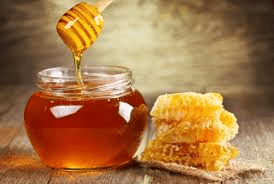
Processing, packaging, and exporting honey involves a series of important steps to ensure that the product is pure, high-quality, and safe for international markets. Honey is a natural sweetener produced by bees from the nectar of flowers. It is valued for its taste, health benefits, and versatility in cooking and baking. The journey of honey from the hive to the global market begins with beekeeping.
Beekeeping is the first step in honey production. Beekeepers maintain beehives where bees collect nectar and convert it into honey. The bees store the honey in honeycombs inside the hive. When the honeycombs are full, it is time for the beekeeper to harvest the honey. This is typically done during the warmer months when the bees are most active.
The first step in processing honey is harvesting the honeycombs from the beehive. Beekeepers use protective gear to safely remove the frames filled with honeycombs. The honeycombs are then taken to a processing facility where the honey is extracted. Extraction can be done using various methods, but the most common method involves using a honey extractor, which spins the frames to release the honey from the combs.
After extraction, the honey is filtered to remove impurities such as wax, bee parts, and other debris. Filtering is essential to ensure that the honey is clean and of high quality. This is typically done using fine mesh filters or cheesecloth. Some producers may use multiple filtration steps to achieve a higher level of purity.
Once filtered, the honey is heated to a moderate temperature to prevent crystallization and to make it easier to handle. Heating should be done carefully to avoid damaging the natural enzymes and nutrients in the honey. The optimal temperature for heating honey is around 40-45°C (104-113°F). Overheating can reduce the quality of the honey and destroy its beneficial properties.
After heating, the honey is ready for packaging. Proper packaging is essential to preserve the quality and safety of the honey during storage and transportation. Honey is usually packaged in glass jars, plastic containers, or metal cans. Each container is sealed tightly to prevent contamination and to keep the honey fresh. The packaging must also be labeled with important information such as the type of honey, net weight, production date, and expiration date.
Labeling is an important part of the packaging process. Labels provide essential information to consumers and help to ensure that the honey complies with regulatory requirements. Accurate labeling ensures that consumers have the necessary information about the product and helps to track the honey in case of any issues. It also helps in meeting the import regulations of different countries.
Once packaged, the honey is stored in a cool, dry place to maintain its quality until it is ready for distribution. Proper storage conditions are crucial to prevent the honey from fermenting or crystallizing. Honey should be stored at a temperature of about 10-20°C (50-68°F) and away from direct sunlight.
Exporting honey involves additional steps to meet international standards and regulations. Exporters must ensure that the honey complies with both domestic and international regulations. This includes obtaining necessary certifications such as health certificates, which confirm that the honey has been processed and handled according to safety standards. The honey must also be accompanied by documentation such as certificates of origin, which verify where the honey was produced.
Transportation is a key component of exporting honey. The honey must be handled carefully to prevent damage and contamination. For long-distance shipping, honey is often transported in bulk containers or pallets of individual jars or cans. Proper temperature control during transit is important to prevent the honey from spoiling or crystallizing. Honey should be transported at a stable temperature, ideally between 10-20°C (50-68°F).
Upon arrival in the destination country, the honey undergoes customs clearance. This involves checking the documentation and inspecting the honey to ensure it meets the importing country’s regulations. If everything is in order, the honey is cleared for entry into the market and then distributed to retailers, wholesalers, or directly to consumers.
Processing, packaging, and exporting honey involves a detailed series of steps to ensure the product is pure, high-quality, and safe for consumers. From beekeeping and honey extraction to filtering, heating, packaging, and export compliance, each step is crucial in delivering a product that meets global standards.
By following best practices throughout the entire process, producers and exporters can provide honey that satisfies international customers and adheres to regulatory requirements. Proper handling, documentation, and compliance with export regulations are essential to ensure successful export operations and maintain the quality of the honey throughout its journey.
How to Process Honey for Exportation

1. Harvesting Honey: Begin by harvesting honey from beehives when the honeycomb cells are sealed with wax, indicating the honey is mature. Use a bee smoker to calm the bees and gently remove the frames from the hive. Ensure that the honey is harvested during a dry period to prevent moisture contamination.
2. Extracting Honey: Extract honey from the comb using an extractor. An extractor spins the frames, forcing the honey out without damaging the comb. Ensure the extractor is clean and made of food-grade materials to maintain honey purity.
3. Straining: Strain the extracted honey to remove any impurities such as wax, bee parts, or debris. Use fine mesh strainers or cheesecloth to ensure the honey is clear and free from contaminants. This step is crucial for producing high-quality honey suitable for export.
4. Settling: Allow the strained honey to settle in large tanks for a few days. During this time, air bubbles and any remaining particles will rise to the surface. Skim off any foam or impurities that accumulate on top.
5. Testing for Quality: Test the honey for quality parameters such as moisture content, flavor, aroma, and purity. Use a refractometer to check the moisture content, ensuring it is below 18% to prevent fermentation. Conduct tests for potential adulterants to confirm the honey’s authenticity.
6. Pasteurization (Optional): Some markets require pasteurization to kill yeast cells and extend shelf life. Heat the honey to around 150°F (65°C) for a few minutes and then cool it quickly. Be cautious not to overheat as it can destroy beneficial enzymes and nutrients.
7. Filtration (Optional): For markets that prefer ultra-clear honey, additional filtration can be performed. Use fine filters or diatomaceous earth to remove even the smallest particles. This step is optional and depends on market preferences.
8. Quality Control: Implement a rigorous quality control process to ensure each batch of honey meets export standards. Regularly sample and test the honey throughout the processing stages to maintain consistent quality.
9. Storage: Store the processed honey in clean, airtight, food-grade containers. Keep the storage area cool, dry, and away from direct sunlight to preserve the honey’s quality. Proper storage prevents moisture absorption and contamination.
10. Documentation: Prepare all necessary documentation, including certificates of analysis, health certificates, and any other regulatory documents required by the importing country. Accurate documentation is crucial for smooth customs clearance and compliance with international standards.
Read Also: Powdery Scab (Potatoes): Description, Damages Caused, Control and Preventive Measures
How to Package Honey for Exportation

1. Select Packaging Materials: Choose high-quality packaging materials suitable for honey, such as glass jars, plastic bottles, or metal tins. Ensure that the materials are food-grade, airtight, and resistant to breakage.
2. Sterilize Packaging: Sterilize all packaging materials to prevent contamination. Use hot water, steam, or chemical sanitizers to ensure that jars, bottles, and lids are clean and safe for use.
3. Filling: Fill the sterilized containers with honey using automated filling machines for consistency and efficiency. Ensure the filling process is precise to avoid overfilling or underfilling, which can lead to wastage or regulatory issues.
4. Sealing: Seal the containers immediately after filling to prevent contamination and preserve freshness. Use tamper-evident seals to assure customers of the product’s integrity.
5. Labeling: Label each container with essential information, including product name, net weight, origin, production date, expiration date, batch number, and any required regulatory information. Ensure labels are clear, accurate, and compliant with the importing country’s regulations.
6. Packaging for Transport: Place the labeled containers in sturdy cardboard boxes or crates. Use dividers, bubble wrap, or foam inserts to prevent movement and breakage during transit. Ensure that the packaging provides adequate protection against shocks and vibrations.
7. Palletizing: Arrange the boxes on pallets for easier handling and transport. Secure the boxes to the pallets using stretch wrap or shrink wrap. Proper palletizing helps in efficient loading, unloading, and storage.
8. Temperature Control: If required, use insulated containers or refrigerated transport to maintain the honey at a consistent temperature during shipping. Temperature control is crucial for preventing crystallization or fermentation.
9. Shipping Documentation: Prepare all necessary shipping documentation, including invoices, packing lists, certificates of origin, and any other required documents. Ensure that all documentation is accurate and compliant with both the exporting and importing countries’ regulations.
10. Final Inspection: Conduct a final inspection of the packaged honey and documentation before shipping. Address any issues to ensure that the shipment meets all quality and regulatory standards.
How to Export Honey for Profits
1. Market Research: Conduct thorough market research to identify demand, competition, and pricing in potential export markets. Understand the preferences, regulatory requirements, and quality standards of consumers in these markets.
2. Regulatory Compliance: Familiarize yourself with the export regulations of your country and the import regulations of the target market. Ensure that your honey complies with all health, safety, and quality standards.
3. Certifications: Obtain necessary certifications such as organic, fair trade, or non-GMO if applicable. These certifications enhance the marketability and perceived value of your honey in international markets.
4. Pricing Strategy: Develop a competitive pricing strategy that covers production, packaging, shipping, and other costs while ensuring profitability. Consider factors such as market demand, competition, and production costs.
5. Finding Buyers: Identify potential buyers through trade shows, online platforms, and industry networks. Establish relationships with importers, wholesalers, and retailers in the target market.
6. Negotiating Contracts: Negotiate clear and detailed contracts with buyers. Include terms of sale, payment methods, delivery schedules, and responsibilities of each party. Clear contracts prevent misunderstandings and disputes.
7. Logistics and Shipping: Plan the logistics of shipping, including selecting reliable shipping companies, managing documentation, and coordinating with freight forwarders. Efficient logistics ensure timely delivery and maintain product quality.
8. Quality Assurance: Implement strict quality control measures throughout processing, packaging, and shipping. Consistently high-quality products enhance your reputation and attract repeat business.
9. Marketing and Promotion: Develop a marketing strategy to promote your honey. Use online marketing, trade fairs, and industry publications to reach potential buyers and showcase the benefits of your products.
10. Monitor and Adapt: Continuously monitor market trends, customer feedback, and sales performance. Be prepared to adapt your strategies based on changing market conditions and customer needs to maximize profitability.
Read Also: Tomato Ringspot Virus: Description, Damages Caused, Control and Preventive Measures
Frequently Asked Questions (FAQs) About Honey

1. What is the best time to harvest honey?
The best time to harvest honey is when the honeycomb cells are sealed with wax, indicating that the honey is mature and has the right moisture content.
2. How do you ensure honey quality during extraction?
Ensure honey quality by using clean, food-grade extraction equipment and straining the honey to remove impurities.
3. Why is moisture content important in honey?
Moisture content is important because high moisture levels can lead to fermentation, while low moisture ensures longer shelf life and better quality.
4. What are the benefits of pasteurizing honey?
Pasteurizing honey kills yeast cells, extends shelf life, and reduces the risk of fermentation, although it may also reduce some beneficial enzymes.
5. How should honey be stored after processing?
Store honey in clean, airtight, food-grade containers in a cool, dry place away from direct sunlight to maintain quality.
6. What packaging materials are best for honey export?
Glass jars, plastic bottles, and metal tins are suitable packaging materials, as long as they are food-grade, airtight, and resistant to breakage.
7. How do you label honey for export?
Label honey with product name, net weight, origin, production date, expiration date, batch number, and any required regulatory information.
8. Why is temperature control important during honey transport?
Temperature control prevents crystallization and fermentation, maintaining honey quality during transit.
9. What certifications can enhance honey export marketability?
Certifications such as organic, fair trade, and non-GMO enhance marketability by meeting specific consumer preferences and regulatory standards.
10. How can I find international buyers for my honey?
Find buyers through trade shows, online platforms, and industry networks by establishing relationships with importers, wholesalers, and retailers in target markets.
Read Also: Everything You Need to Know About Moen Garbage Disposal