


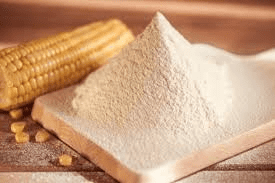
Maize flour, also known as corn flour, is a staple food product used in many cuisines around the world. Processing, packaging, and exporting maize flour involves several important steps to ensure the final product is of high quality and suitable for international markets. This guide will explain these steps in simple language, making the process easy to understand.
The first step in processing maize flour is selecting high-quality maize. The maize grains should be clean, mature, and free from pests and diseases. Good quality maize results in high-quality flour. Once the maize is selected, it needs to be thoroughly cleaned to remove dirt, dust, and any other foreign materials. This can be done using mechanical cleaners that separate impurities from the maize kernels.
After cleaning, the maize grains are conditioned. This involves adding a small amount of water to the grains and allowing them to sit for a certain period. Conditioning helps to soften the outer shell of the maize, making it easier to mill. The conditioned maize is then dried to the appropriate moisture level. This step is crucial because the moisture content of the maize affects the milling process and the quality of the flour.
The next step is milling. The dried maize grains are fed into a milling machine, which grinds them into flour. There are different types of mills that can be used, such as hammer mills, roller mills, or stone mills. The choice of mill depends on the desired texture and quality of the maize flour. The milling process involves breaking down the maize kernels into fine particles. The flour is then sifted to separate the fine flour from the larger particles, which can be milled again to ensure maximum yield.
Once the maize flour is milled, it needs to be packed properly to maintain its quality and extend its shelf life. Proper packaging protects the flour from moisture, light, and air, which can cause spoilage and loss of quality. Common packaging materials include plastic bags, paper bags, and vacuum-sealed bags. For large quantities, maize flour can be packed in bulk using food-grade barrels or sacks. The packaging should be done in a clean and dry environment to prevent contamination.
Accurate labeling of the packages is important for consumer trust and regulatory compliance. The labels should include information such as the type of flour, ingredients, nutritional information, expiration date, and any certifications or quality marks. Clear and detailed labeling helps consumers make informed choices and ensures compliance with international trade regulations.
Exporting maize flour involves meeting the quality standards and food safety regulations of the importing country. Exporters need to obtain the necessary certifications and documentation to prove that the maize flour is safe for consumption. This often includes health certificates, quality certificates, and certificates of origin. Exporters must also comply with packaging and labeling requirements specific to the destination country.
Transportation is a vital aspect of exporting maize flour. The products must be transported in a way that maintains their quality and prevents spoilage. This usually involves using containers that protect the maize flour from moisture and temperature fluctuations. Proper handling during loading and unloading is essential to avoid damaging the packages.
Upon arrival in the destination country, the maize flour goes through customs clearance. This process involves inspecting the documentation and the products to ensure they comply with local regulations. If everything is in order, the maize flour is cleared for entry and can be distributed to wholesalers, retailers, or directly to consumers.
Processing, packaging, and exporting maize flour require careful attention to detail at each stage. From selecting and preparing the maize grains to milling, packaging, and meeting export regulations, every step is crucial to ensure the final product is of high quality and safe for consumption.
By following best practices and adhering to international standards, producers and exporters can deliver high-quality maize flour to markets around the world, meeting consumer expectations and industry requirements. Proper handling, effective packaging, and reliable transportation are essential to ensuring that maize flour reaches its destination fresh and ready to be used in various culinary applications.
How to Process Maize Flour for Exportation

1. Selection of Maize: Choose high-quality maize grains free from contaminants, mold, and pests. High-quality raw materials are essential for producing premium maize flour suitable for export.
2. Cleaning the Maize: Clean the selected maize thoroughly to remove dirt, debris, and any foreign materials. This can be done using a mechanical cleaner or by manual sorting and washing. Clean maize ensures the final product is free from impurities.
3. Conditioning: Condition the maize by adding a small amount of water and allowing it to sit for a few hours. This process helps to soften the grains and makes them easier to mill, ensuring a fine and consistent flour texture.
4. Drying: Dry the conditioned maize to reduce the moisture content to about 13-14%. Proper drying prevents mold growth and extends the shelf life of the maize flour. Use sun drying or mechanical dryers for this step.
5. Milling: Grind the dried maize using a hammer mill or a roller mill. Milling breaks down the maize into fine particles, resulting in maize flour. The milling process should be efficient to ensure a consistent texture and quality.
6. Sieving: Sieve the milled maize flour to remove any larger particles or impurities. Use a fine mesh sieve to ensure the flour is smooth and uniform. Sieving improves the quality and appearance of the final product.
7. Fortification (Optional): If required, fortify the maize flour with essential vitamins and minerals such as iron, folic acid, and vitamin A. Fortification enhances the nutritional value of the flour and can be a requirement for export to certain countries.
8. Quality Control: Test the maize flour for quality parameters such as moisture content, particle size, and nutritional content. Ensure the flour meets the required standards for exportation. Regular quality checks maintain product consistency and safety.
9. Packaging: Pack the processed maize flour in clean, food-grade bags or containers. Use materials that are moisture-proof and durable to protect the flour during transportation. Ensure the packaging is sealed properly to prevent contamination.
10. Labeling: Label the packages with essential information such as product name, net weight, production date, expiration date, and batch number. Ensure the labels comply with the regulations of the importing country and provide clear information to consumers.
11. Storage: Store the packaged maize flour in a cool, dry place. Protect the storage area from pests, moisture, and direct sunlight to maintain the quality and shelf life of the product. Proper storage prevents spoilage and contamination.
12. Documentation: Prepare all necessary documentation, including quality certificates, packing lists, invoices, and any required export permits. Ensure all documents are accurate and comply with the regulations of the importing country.
13. Logistics Planning: Arrange for reliable transportation and logistics services. Choose a logistics provider experienced in handling food products to ensure safe and timely delivery to the destination. Efficient logistics planning minimizes delays and damage during transit.
Read Also: Growing and Care Guide of Sunflower Seeds
How to Package Maize Flour for Exportation

1. Choosing Packaging Materials: Select high-quality, food-grade packaging materials that are moisture-proof and durable. Common options include multi-layer polyethylene bags, laminated pouches, or paper bags with an inner plastic lining.
2. Labeling: Ensure each package is labeled with necessary information, including product name, net weight, production date, expiration date, and batch number. Compliance with the labeling regulations of the importing country is essential.
3. Packaging Design: Design attractive and informative packaging that highlights the quality and uniqueness of your maize flour. Include your brand logo, nutritional information, and usage instructions to appeal to consumers.
4. Filling the Packages: Fill the packaging materials with the processed maize flour using automated filling machines for accuracy and efficiency. Ensure the packages are filled to the correct weight and sealed properly to prevent spillage.
5. Sealing the Packages: Seal the packages securely using heat sealers or other sealing methods. Proper sealing ensures that the maize flour remains fresh and free from contaminants. It also prevents moisture from entering the package.
6. Batch Coding: Implement a batch coding system on the packaging for easy tracking and traceability. Batch codes help identify specific production runs in case of recalls or quality issues. This step is crucial for quality assurance.
7. Palletizing: Arrange the packed bags or containers on pallets for easier handling and shipping. Use stretch wrap or straps to secure the packages to the pallets, preventing shifting and damage during transport. Palletizing also facilitates loading and unloading.
8. Temperature Control: Store and transport the packaged maize flour at appropriate temperatures. Avoid exposure to extreme temperatures and humidity, which can affect the quality and shelf life of the product. Proper temperature control ensures product integrity.
9. Quality Assurance: Conduct a final quality check on the packaged product before shipping. Verify that all packages are intact, labels are correct, and the maize flour meets the required quality standards. This step ensures customer satisfaction and compliance with regulations.
10. Documentation: Prepare all necessary documentation, including packing lists, invoices, certificates of origin, and any required export permits. Ensure all documents are accurate and comply with the regulations of the importing country. Proper documentation is crucial for smooth customs clearance.
11. Shipping Arrangements: Arrange for reliable shipping services. Choose a logistics provider experienced in handling food products to ensure safe and timely delivery to the destination. Efficient shipping arrangements minimize the risk of delays and damage.
How to Export Maize Flour for Profits

1. Market Research: Conduct thorough research on potential export markets. Identify countries with high demand for maize flour, favorable trade conditions, and potential competitors. Understanding market trends and consumer preferences is crucial.
2. Compliance with Regulations: Ensure compliance with both local and international regulations for food exportation. This includes obtaining necessary certifications, adhering to food safety standards, and meeting the labeling requirements of the importing country.
3. Certification: Obtain necessary certifications such as HACCP (Hazard Analysis and Critical Control Points), ISO (International Organization for Standardization) certifications, and any specific certifications required by the importing country. These certifications enhance credibility and facilitate market entry.
4. Pricing Strategy: Develop a competitive pricing strategy that covers production, packaging, shipping, and other costs while ensuring profitability. Analyze the pricing strategies of competitors and adjust your pricing to remain competitive while maintaining a healthy profit margin.
5. Building Relationships with Buyers: Network with potential buyers, including importers, distributors, and retailers in target markets. Establish strong relationships to secure long-term contracts and repeat business. Participate in trade shows, exhibitions, and online marketplaces to connect with potential buyers.
6. Negotiating Contracts: Negotiate clear and detailed contracts with buyers, including terms of sale, payment methods, delivery schedules, and responsibilities. Ensure that all terms are agreed upon to avoid disputes and ensure smooth transactions.
7. Managing Logistics: Plan and manage logistics for shipping maize flour, including selecting reliable shipping companies, coordinating with freight forwarders, and managing documentation. Efficient logistics ensure timely delivery and product quality.
8. Marketing and Promotion: Create a marketing strategy to promote your maize flour in international markets. Utilize online platforms, social media, trade shows, and industry publications to reach potential buyers and showcase your product’s quality and benefits.
9. Quality Assurance: Implement strict quality control measures throughout processing, packaging, and shipping. Consistently high-quality maize flour builds trust and encourages repeat business. Address any quality issues promptly to maintain your reputation.
10. Monitoring Market Trends: Continuously monitor market trends, customer feedback, and sales performance. Be prepared to adapt your strategies based on changes in market conditions, consumer preferences, and emerging opportunities. Regularly review and refine your export plan to maximize profitability.
Read Also: Rose Aphid: Description, Damages Caused, Control and Preventive Measures
Frequently Asked Questions (FAQ’s) About Maize Flour
1. What is maize flour?
Maize flour is a fine powder made from grinding dried maize kernels. It is commonly used in cooking and baking for making various dishes.
2. How is maize flour different from cornmeal?
Maize flour is finer and smoother than cornmeal, which has a coarser texture. Maize flour is ideal for baking, while cornmeal is often used for cornbread and coatings.
3. Is maize flour gluten-free?
Yes, maize flour is naturally gluten-free, making it suitable for people with gluten intolerance or celiac disease.
4. What are the nutritional benefits of maize flour?
Maize flour is rich in carbohydrates, fiber, vitamins (especially B vitamins), and essential minerals like iron and magnesium.
5. How can maize flour be used in cooking and baking?
Maize flour can be used to make tortillas, bread, cakes, porridge, and as a thickening agent for soups and sauces.
6. What is the shelf life of maize flour?
When stored in a cool, dry place, maize flour has a shelf life of up to six months. Proper storage in airtight containers can extend its shelf life.
7. Are there any health concerns associated with maize flour?
Maize flour is generally safe for consumption. However, it should be stored properly to prevent contamination and spoilage.
8. Can maize flour be used in a low-carb diet?
Maize flour is high in carbohydrates and may not be suitable for a low-carb diet. It is best used as part of a balanced diet.
9. What are the best storage conditions for maize flour?
Store maize flour in a cool, dry place in airtight containers to prevent moisture absorption and contamination. Avoid exposure to direct sunlight and humidity.
10. Where can I buy maize flour?
Maize flour can be purchased at grocery stores, health food stores, and online retailers. Look for reputable brands that ensure high-quality and safe processing.
Read Also: How to Choose the Right Trash Service for Your Needs
How best can you preserve corn flour for about 2 years
What’s the best preservative
I’m in Ghana