


Processing, packaging, and exporting pigeon peas involves a detailed approach to ensure quality and compliance with international standards. This guide provides a clear and comprehensive overview for beginners, outlining each step required to prepare pigeon peas for export. By following these procedures, you can ensure that your product meets the expectations of international markets, maintains its quality, and maximizes profitability.
Processing pigeon peas starts with harvesting them at the right maturity level. After harvesting, the peas must be cleaned to remove debris and dirt. The next step is drying to reduce moisture content, preventing spoilage and mold. Sorting is essential to remove damaged peas, followed by milling if needed. Proper packaging in airtight containers protects against moisture and pests. A final quality control check ensures the peas meet export standards. Documentation and proper storage are crucial before arranging shipping.
Effective packaging is vital for preserving the quality of pigeon peas during transport. Begin by choosing durable packaging materials such as plastic bags, woven sacks, or cardboard boxes. Weigh and fill the packages, ensuring they are not overfilled. Seal the packages tightly and label them with essential information. Inspect each package for defects and stack them carefully to avoid crushing. Proper storage in a clean, cool environment is necessary before shipment.
Exporting pigeon peas requires strategic planning to be profitable. Start with market research to identify target markets and understand demand. Ensure compliance with export regulations and certifications. Set competitive prices considering all costs. Build relationships with buyers and establish clear contracts. Arrange efficient logistics and maintain high-quality standards throughout the process. Effective marketing, financial management, and excellent customer service are key to achieving profitability.
How to Process Pigeon Peas for Exportation

1. Harvesting: Pigeon peas should be harvested when they are mature but not too dry. The pods should be brown and brittle. Overripe pods can split open, leading to seed loss.
2. Cleaning: Remove any debris, dirt, or other foreign materials from the harvested pigeon peas. Use a cleaning machine or a sieve to ensure that the peas are thoroughly cleaned.
3. Drying: Dry the pigeon peas to reduce moisture content. Spread them out in a well-ventilated area or use a mechanical dryer. The goal is to bring the moisture content down to about 12-14%. Proper drying prevents mold and spoilage.
4. Sorting: Sort the pigeon peas to remove any damaged or discolored seeds. This can be done manually or using a sorting machine. Consistent size and quality are crucial for export standards.
5. Milling: If required, mill the pigeon peas to remove the outer shell. This step depends on the specific requirements of the export market. Ensure that the milling process is clean to avoid contamination.
6. Packaging: Package the processed pigeon peas in clean, dry, and airtight containers. Use materials that protect against moisture, pests, and contamination. Ensure that the packaging meets the standards of the target market.
7. Quality Control: Conduct a final inspection to ensure that the pigeon peas meet quality standards. This includes checking for any remaining foreign materials, moisture levels, and overall quality.
8. Documentation: Prepare all necessary documentation for export, including certificates of quality, phytosanitary certificates, and any other required paperwork.
9. Storage: Store the packaged pigeon peas in a dry, cool place until they are ready for shipment. Proper storage helps maintain the quality of the product.
10. Shipping: Arrange for transportation to the export destination. Choose a reliable shipping method that ensures the pigeon peas reach their destination in good condition.
How to Package Pigeon Peas for Exportation
1. Choose Packaging Material: Select materials that are durable and suitable for preserving the quality of pigeon peas. Common options include plastic bags, woven sacks, and cardboard boxes. Ensure the material is clean and free from contaminants.
2. Weighing: Weigh the pigeon peas before packaging to ensure consistency in each package. Accurate weighing helps in meeting the export requirements and avoids discrepancies.
3. Filling: Fill the chosen packaging with pigeon peas, making sure not to overfill or underfill. Leave some space to prevent crushing the peas.
4. Sealing: Seal the packaging tightly to protect the pigeon peas from moisture, pests, and contamination. Use appropriate sealing techniques, such as heat sealing for plastic bags or stitching for woven sacks.
5. Labeling: Label each package with essential information, including the product name, net weight, origin, and any other required details. Accurate labeling is crucial for compliance with export regulations.
6. Inspection: Inspect each package to ensure that it is properly sealed and labeled. Check for any defects or damage in the packaging that could affect the quality of the pigeon peas.
7. Stacking: Stack the packages neatly to maximize space and ensure they are stable during transport. Avoid stacking too high to prevent crushing.
8. Storage: Store the packaged pigeon peas in a clean, dry, and cool environment to maintain their quality before shipment.
9. Documentation: Prepare all required documentation related to packaging, including batch numbers and handling instructions.
10. Shipping Preparation: Arrange the packaged pigeon peas for shipment, ensuring they are loaded correctly into transport containers to prevent shifting and damage.
Read Also: Chickens Open Wide for Gelatin Bead Vaccine
How to Export Pigeon Peas for Profits
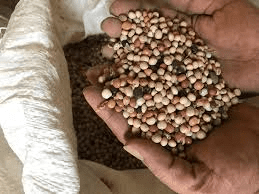
1. Market Research: Conduct thorough research to identify target markets for pigeon peas. Understand market demand, competition, and pricing.
2. Compliance: Ensure compliance with export regulations and standards of the destination country. Obtain necessary certifications such as quality and phytosanitary certificates.
3. Pricing: Set competitive prices based on market research, production costs, and desired profit margins. Consider factors like shipping costs and import duties in the target market.
4. Sales Channels: Establish relationships with buyers, distributors, or agents in the target market. Use trade shows, online platforms, and industry networks to find potential customers.
5. Contracts: Draft clear contracts with buyers outlining terms of sale, payment conditions, delivery schedules, and other relevant details. Ensure both parties agree to the terms before proceeding.
6. Logistics: Arrange for efficient logistics and transportation. Choose reliable shipping methods and partners to ensure timely and safe delivery of the pigeon peas.
7. Quality Assurance: Maintain high-quality standards throughout the processing, packaging, and shipping stages. Regularly inspect the product to meet export quality requirements.
8. Marketing: Promote your pigeon peas through various marketing channels. Highlight their quality, origin, and any unique selling points that may appeal to buyers.
9. Financial Management: Keep track of expenses and revenues related to the export process. Manage finances effectively to ensure profitability.
10. Customer Service: Provide excellent customer service to build long-term relationships with buyers. Address any issues promptly and maintain communication throughout the export process.
Read Also: The Process and Economic Benefits of Chicken Farming
Frequently Asked Questions (FAQs) About Pigeon Peas
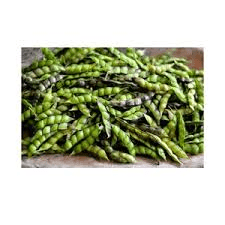
1. What are pigeon peas? Pigeon peas are a type of legume grown in tropical and subtropical regions. They are known for their high protein content and are used in various dishes around the world.
2. How are pigeon peas processed? Pigeon peas are processed by harvesting, cleaning, drying, sorting, milling (if necessary), packaging, and quality control to ensure they meet export standards.
3. What is the ideal moisture content for pigeon peas? The ideal moisture content for pigeon peas is around 12-14%. Proper drying is crucial to prevent spoilage and mold growth.
4. What packaging materials are best for pigeon peas? Durable and moisture-resistant materials such as plastic bags, woven sacks, and cardboard boxes are commonly used for packaging pigeon peas.
5. How can I find buyers for pigeon peas? You can find buyers through market research, trade shows, online platforms, industry networks, and by establishing relationships with distributors or agents.
6. What certifications are needed for exporting pigeon peas? Certifications may include quality certificates, phytosanitary certificates, and any other documentation required by the destination country.
7. What factors affect the price of pigeon peas? Factors include production costs, market demand, competition, shipping costs, and import duties in the target market.
8. How should pigeon peas be stored before shipment? Store pigeon peas in a dry, cool, and clean environment to maintain their quality before shipment.
9. What are the common uses of pigeon peas? Pigeon peas are used in various cuisines for dishes like stews, soups, and curries. They are also used as a protein source in vegetarian diets.
10. What are the benefits of exporting pigeon peas? Exporting pigeon peas can provide access to new markets, diversify income sources, and increase profitability by reaching a larger customer base.
Read Also: Managing Business Transition: From Start up to Growth