


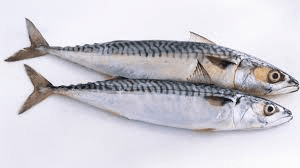
Processing, packaging, and exporting sardines is a detailed process that ensures these popular fish reach their destination fresh and in good condition. Sardines are small, oily fish that are enjoyed worldwide for their flavor and nutritional benefits. To maintain their quality, careful handling is required from the moment they are caught until they are delivered to their final destination.
The process begins with harvesting. Sardines are usually caught using purse seines, which are large nets that encircle schools of fish. The nets are pulled in and the sardines are gathered into the boat. Alternatively, sardines can be caught with midwater trawl nets, which scoop them from the ocean. After being caught, the sardines are placed in containers with ice to keep them cool and minimize stress.
Once the sardines arrive at the processing facility, the first step is to clean them. Cleaning involves washing the sardines thoroughly to remove any debris, sand, or blood. This is typically done with cold water. Proper cleaning is crucial to ensure that the sardines are free from contaminants and ready for further processing.
After cleaning, the sardines are sorted by size and quality. Sorting helps ensure that the sardines meet market standards and are uniformly processed. The next step is to prepare the sardines for cooking or preservation. Sardines can be processed in various ways, including cooking, canning, or freezing.
For cooking, sardines are often steamed or boiled. Steaming helps retain more of the fish’s natural flavor and nutrients compared to boiling. After cooking, the sardines are rapidly cooled to prevent overcooking and to maintain their texture and taste. Cooling is done by placing the sardines in ice or chilled water.
For preservation, sardines are typically canned or frozen. Canning involves packing the sardines into cans with a suitable brine or oil, sealing them, and then cooking them in a pressure cooker to ensure they are safe for long-term storage. This process helps preserve the sardines and extends their shelf life. Frozen sardines are packed in vacuum-sealed bags or containers and stored at temperatures around -18°C (0°F) to maintain freshness and prevent freezer burn.
Packaging is a critical part of the process. For canned sardines, the cans are labeled with important information, including the type of sardine, the date of processing, and any handling instructions. For frozen sardines, the packaging should also include labels with similar information. Proper labeling ensures that the sardines are handled correctly and comply with export regulations.
Once packaged, the sardines are stored in a cold environment until they are ready for export. Canned sardines are kept in a dry, cool place to maintain their quality, while frozen sardines are stored in freezers. Cold storage is crucial to prevent spoilage and ensure the sardines remain in optimal condition.
Exporting sardines involves meeting international regulations and obtaining necessary certifications. Exporters must ensure that the sardines meet the quality standards of the importing country. This often includes obtaining health certificates that confirm the sardines have been processed and handled according to safety standards. Additional documentation may include certificates of origin and export licenses, depending on the regulations of the destination country.
Transportation is an important aspect of exporting sardines. For canned sardines, transportation involves ensuring the cans are protected from damage and kept in a cool, dry environment. For frozen sardines, temperature-controlled containers are used to maintain a consistent, cold temperature during transit. Transportation methods may include air freight for long distances or refrigerated trucks for shorter routes.
Upon arrival in the destination country, the sardines go through customs clearance. This process involves checking the documentation and inspecting the sardines to ensure they comply with local regulations. If everything is in order, the sardines are cleared for entry and can be distributed to wholesalers, retailers, or directly to consumers.
In summary, processing, packaging, and exporting sardines requires careful attention to detail to ensure the product arrives in the best possible condition. From harvesting and cleaning to cooking, canning or freezing, packaging, and compliance with export regulations, each step is crucial for maintaining the quality and safety of the sardines.
By following best practices and adhering to international standards, producers and exporters can deliver high-quality sardines to markets around the world, meeting consumer expectations and industry requirements. Proper handling, efficient packaging, and reliable transportation are essential to ensuring that sardines reach their destination fresh and ready for consumption.
How to Process Sardines for Exportation

1. Harvesting: Sardines should be caught using nets designed to target schools of these fish. Ensure that nets are sized appropriately to minimize bycatch and reduce damage to the sardines. Handle the catch gently to prevent bruising or injury.
2. Immediate Cooling: After catching sardines, they should be placed in a cooling system immediately. Use ice or chilled seawater to bring down their temperature quickly. This helps maintain freshness and prevents spoilage.
3. Cleaning: Rinse the sardines with clean, cold water to remove any debris, blood, or residual sea particles. This step is crucial for ensuring the sardines are clean and ready for further processing.
4. Sorting: Sort sardines by size and quality. Discard any that are damaged or showing signs of spoilage. Sorting helps in maintaining uniformity in the final product, which is important for meeting market standards.
5. Scaling and Gutting: Depending on the market requirements, sardines may need to be scaled and gutted. Use appropriate tools to scale the fish and remove internal organs, ensuring minimal damage to the flesh.
6. Washing: After gutting, wash the sardines thoroughly in cold water to remove any remaining blood and internal residues. This ensures the fish are clean and ready for packaging.
7. Chilling: Place cleaned sardines in a chilled environment, such as a refrigerator or ice-packed container. Maintaining a low temperature helps preserve freshness and prevent bacterial growth.
8. Pre-processing (if needed): Some markets require sardines to be processed further, such as filleting or marinating. Follow specific processing guidelines based on the target market’s requirements.
9. Quality Control: Inspect sardines for any defects or issues. Check for consistency in size, color, and overall quality. Adhere to quality control standards to ensure that the sardines meet export requirements.
10. Packaging Preparation: Prepare packaging materials and containers that are suitable for keeping sardines fresh during transport. Ensure that all packaging materials are clean and meet regulatory standards.
Read Also: European Corn Borer: Description, Damages Caused, Control and Preventive Measures
How to Package Sardines for Exportation

1. Choosing Packaging Materials: Select packaging materials that are durable and capable of maintaining freshness. Common options include vacuum-sealed bags, plastic containers, and insulated boxes.
2. Packaging Sardines: Arrange sardines in packaging containers in a way that prevents crushing and preserves their quality. For vacuum-sealed packaging, ensure that the vacuum is tight to minimize air exposure and prevent spoilage.
3. Adding Ice or Gel Packs: Include ice packs or gel packs in the packaging to keep the sardines cool during transit. This is crucial for maintaining the right temperature and ensuring the fish remain fresh.
4. Sealing Containers: Seal packaging containers securely to prevent leaks and contamination. Use strong adhesive tape or heat-sealing methods to ensure that the packaging is airtight.
5. Labeling: Clearly label each package with important information such as the type of fish, weight, date of processing, and any relevant handling instructions. Accurate labeling helps in smooth customs processing and handling.
6. Packing in Boxes: Place the packed sardines into larger shipping boxes if necessary. Use padding material to protect the packages from damage during transit and to prevent movement inside the box.
7. Palletizing: Arrange the boxes on pallets for easier handling and shipping. Use stretch wrap or straps to secure the boxes to the pallet and prevent shifting during transport.
8. Temperature Monitoring: For long-distance shipping, use temperature-controlled containers or trucks to maintain a consistent cool temperature. This helps in preserving the quality of the sardines throughout the journey.
9. Final Inspection: Perform a final check of the packaged sardines to ensure that all packaging, labeling, and documentation are correct. Address any issues before shipment to avoid delays.
10. Storage: Store the packed sardines in a cold storage facility until they are ready to be shipped. Maintain proper storage conditions to ensure the sardines remain fresh and meet export standards.
How to Export Sardines for Profits
1. Market Research: Conduct detailed research to identify potential export markets for sardines. Understand the demand, pricing, and competition in these markets to make informed decisions.
2. Compliance with Regulations: Ensure that you are familiar with and comply with both local and international regulations for exporting sardines. This includes understanding health and safety standards, as well as any specific requirements of the importing country.
3. Obtaining Certifications: Acquire necessary certifications such as seafood safety or sustainability certifications. These certifications enhance your credibility and appeal to international buyers.
4. Pricing Strategy: Develop a competitive pricing strategy that covers production, packaging, shipping, and other costs while ensuring profitability. Factor in market conditions, competition, and cost of goods when setting prices.
5. Finding Buyers: Identify and connect with potential buyers through trade shows, online platforms, and industry networks. Build relationships with importers, distributors, and retailers in target markets.
6. Negotiating Contracts: Negotiate clear and detailed contracts with buyers. Include terms of sale, payment methods, delivery schedules, and responsibilities to prevent misunderstandings and disputes.
7. Managing Logistics: Plan logistics for shipping, including selecting reliable shipping companies, managing documentation, and coordinating with freight forwarders. Efficient logistics ensure timely delivery and product quality.
8. Quality Assurance: Implement strict quality control measures throughout processing, packaging, and shipping. Consistently high-quality sardines build trust and encourage repeat business.
9. Marketing and Promotion: Develop a marketing strategy to promote your sardines. Utilize online marketing, trade fairs, and industry publications to reach potential buyers and showcase the quality of your product.
10. Monitoring and Adapting: Continuously monitor market trends, customer feedback, and sales performance. Be prepared to adapt your strategies based on changes in market conditions and customer preferences to maximize profitability.
Read Also: Colorado Potato Beetle Insect: Description, Damages Caused, Control and Preventive Measures
Frequently Asked Questions (FAQ’s) About Sardines

1. How should sardines be harvested for export?
Sardines should be caught using appropriate nets and handled gently to prevent damage. Quick cooling after capture is essential for maintaining freshness.
2. What is the best way to clean sardines before export?
Rinse sardines with cold water to remove debris, then gut and scale them as required. Ensure they are thoroughly cleaned to meet export standards.
3. How should sardines be stored before shipping?
Store sardines in a chilled environment, using ice packs or gel packs to maintain a low temperature. This helps preserve freshness and prevent spoilage.
4. What are common packaging materials for sardines?
Common packaging materials include vacuum-sealed bags, plastic containers, and insulated boxes. These materials help maintain the quality and freshness of the sardines.
5. How are sardines graded for export?
Sardines are typically graded by size, quality, and freshness. Accurate grading ensures that you meet market standards and pricing expectations.
6. What certifications are needed for exporting sardines?
Certifications may include seafood safety, sustainability, or organic certifications. Requirements vary based on the importing country and market standards.
7. How can I find buyers for my sardines?
Find buyers through trade shows, online platforms, and industry networks. Build relationships with importers, distributors, and retailers in target markets.
8. What are the key considerations for shipping sardines?
Key considerations include maintaining a consistent cool temperature, using proper packaging materials, and ensuring accurate documentation for smooth customs processing.
9. How can I ensure the quality of exported sardines?
Implement strict quality control measures during processing, packaging, and shipping. Regular inspections and optimal storage conditions are essential.
10. What are common challenges in exporting sardines?
Common challenges include managing temperature control, ensuring regulatory compliance, handling logistics, and meeting market demands.
Read Also: A Comprehensive Overview of America’s Waste Disposal