


Processing, packaging, and exporting soybeans involves several key steps to ensure the product reaches international markets in excellent condition. The process begins with harvesting soybeans when they are mature and dry, typically in late summer or early fall. After harvesting, soybeans must be cleaned to remove debris, dirt, and damaged beans.
They are then dried if needed to reduce moisture levels to below 13%, which helps prevent spoilage. Sorting the soybeans by size and color follows to ensure uniformity. Once sorted, soybeans are packaged in durable containers suitable for export, and quality tests are conducted to ensure they meet standards.
Packaging involves selecting strong containers like woven polypropylene bags or metal drums, accurately weighing, and filling them with soybeans.
Containers are then sealed securely to protect against moisture and contaminants and labeled with essential information. For bulk shipments, soybeans are palletized for stability during transportation. Before shipping, all necessary export documentation must be prepared and attached.
Exporting soybeans for profit requires thorough market research to identify buyers and understand demand. Setting competitive prices based on market conditions and costs is crucial.
Obtain required export licenses, find international buyers, and negotiate sale terms. Ensuring consistent quality builds trust with buyers, while reliable shipping arrangements and accurate documentation are key to successful export.
Providing excellent customer service helps maintain positive relationships with buyers.
How to Process Soybeans for Exportation
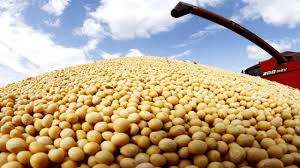
1. Harvesting: Harvest soybeans when they are mature and dry, typically in late summer or early fall. Ensure the moisture content is below 14% to avoid spoilage.
2. Cleaning: Remove any debris, dirt, and damaged beans using a seed cleaner. This step ensures that only high-quality soybeans are processed.
3. Drying: Dry the soybeans if they have high moisture content. Use a grain dryer to bring the moisture level to 13% or less to prevent mold and spoilage.
4. Sorting: Sort the soybeans by size and color to ensure uniformity. This can be done using a seed sorter or by hand.
5. Packaging: Package the cleaned, dried, and sorted soybeans in appropriate containers for export. Use durable bags or containers that can withstand shipping conditions.
6. Testing: Conduct quality tests, including checking for contaminants and verifying the bean’s oil content. This ensures the soybeans meet export standards.
7. Documentation: Prepare all necessary export documentation, such as certificates of origin, quality certificates, and compliance with import regulations of the destination country.
8. Storage: Store soybeans in a dry, cool place before export. Proper storage prevents spoilage and maintains quality.
9. Transportation: Arrange for transportation to the port. Ensure that the soybeans are handled carefully to avoid damage during transit.
10. Compliance: Verify that all processing and packaging meet international standards and regulations required for the destination country.
Read Also: 9 Healing Powers of Bay Leaf Plant (Laurus nobilis)
How to Package Soybeans for Exportation
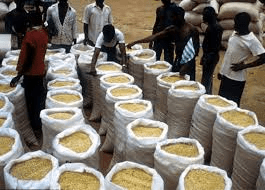
1. Select Containers: Choose containers that are strong and can protect the soybeans during transit, such as woven polypropylene bags or metal drums.
2. Weighing: Weigh the soybeans accurately to ensure that each package meets the required export weight.
3. Filling: Fill the containers with soybeans, ensuring they are packed evenly to prevent shifting during transport.
4. Sealing: Seal the containers securely to protect the soybeans from moisture and contaminants. Use proper sealing methods such as stitching or heat sealing.
5. Labeling: Label each package with necessary information, including the product name, weight, and destination. Labels should also include handling instructions.
6. Palletizing: If shipping in bulk, palletize the containers to make handling easier and to provide stability during transportation.
7. Inspecting: Inspect each package to ensure it is properly sealed and labeled before shipment.
8. Documentation: Attach any required export documentation to the packages, including certificates of quality and origin.
9. Storing: Store the packed soybeans in a cool, dry area until they are ready for shipment to prevent spoilage.
10. Handling: Handle packages with care to avoid damage. Use forklifts or other equipment designed for heavy loads to move the packages.
How to Export Soybeans for Profits
1. Market Research: Research international markets to identify potential buyers and understand demand for soybeans.
2. Pricing Strategy: Set competitive prices based on market rates and your costs. Consider factors such as shipping, tariffs, and local market conditions.
3. Export Licensing: Obtain the necessary export licenses and permits required for shipping soybeans to different countries.
4. Find Buyers: Connect with international buyers through trade shows, online platforms, or export agencies. Build relationships to secure contracts.
5. Negotiation: Negotiate terms of sale, including payment methods, delivery schedules, and pricing with buyers.
6. Quality Control: Ensure the soybeans meet international quality standards. Consistent quality builds trust with buyers and can lead to repeat business.
7. Shipping Arrangements: Arrange for shipping using reliable freight forwarders. Ensure the transportation method chosen is cost-effective and meets delivery deadlines.
8. Documentation: Prepare and manage all export documentation, including contracts, invoices, and customs paperwork. Accurate documentation avoids delays.
9. Payment Collection: Use secure payment methods and follow up on payments promptly. Ensure you have clear terms regarding payment to avoid disputes.
10. Customer Service: Provide excellent customer service to build a good reputation. Address any issues or concerns promptly to maintain positive relationships with buyers.
Read Also: 18 Medicinal Health Benefits Of Pfaffia glomerata (Suma)
Frequently Asked Questions (FAQ’s) About Soybeans
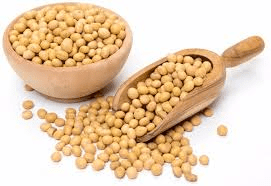
1. What are soybeans used for? Soybeans are used in various products, including tofu, soy milk, and soy sauce. They are also used as animal feed and in industrial applications.
2. How can I tell if soybeans are of good quality? Good quality soybeans should be clean, dry, and free from mold, pests, and damage. They should also have a uniform color and size.
3. What is the best time to harvest soybeans? Soybeans should be harvested when they are mature and dry, usually in late summer or early fall.
4. How should soybeans be stored before export? Store soybeans in a dry, cool place to prevent spoilage and maintain quality.
5. What moisture level is ideal for soybeans? The moisture level of soybeans should be 13% or less to prevent mold and spoilage.
6. Do I need special packaging for exporting soybeans? Yes, use strong, durable containers that protect soybeans from moisture and contaminants during shipping.
7. What documents are required for exporting soybeans? Common documents include certificates of origin, quality certificates, and compliance with import regulations of the destination country.
8. How do I find international buyers for soybeans? You can find buyers through trade shows, online export platforms, and by connecting with export agencies.
9. What are common payment methods for exporting soybeans? Common payment methods include letters of credit, bank transfers, and payment against documents.
10. How can I ensure timely delivery of soybeans? Arrange reliable shipping methods and work with reputable freight forwarders to ensure timely delivery and avoid delays.
Read Also: Waste Resource Recovery Techniques