


Spice mixes are a blend of various spices used to enhance the flavor of food. Processing, packaging, and exporting spice mixes involves several important steps to ensure the final product is high-quality and suitable for international markets. This guide explains these steps in clear and simple terms.
The first step in processing spice mixes is selecting high-quality spices. The spices should be fresh and free from any contamination or spoilage. Common spices used in mixes include black pepper, cumin, coriander, turmeric, paprika, and others. The spices are often sourced from different regions and suppliers, so it’s essential to ensure they meet quality standards.
Once the spices are selected, they need to be cleaned to remove any impurities. This involves removing dust, dirt, and any other foreign materials. Depending on the type of spice, cleaning methods can include sieving, washing, or air-blowing. For whole spices, such as cinnamon sticks or cardamom pods, cleaning involves brushing and removing debris.
After cleaning, the spices are dried if necessary. Proper drying ensures that the spices do not have excess moisture, which can lead to mold growth and spoilage. Drying methods include air drying, sun drying, or using dehydrators. Once dried, the spices are ground into a fine powder or left in whole pieces, depending on the recipe for the spice mix.
The next step is blending the spices. The ground spices are mixed according to a specific recipe or formula to create the desired flavor profile. Accurate measurements are crucial to ensure consistency in the final product. Blending can be done using industrial mixers or blending machines that ensure even distribution of all the spices.
Once blended, the spice mix is tested for quality and flavor. Quality control involves checking for consistency, flavor strength, and purity. Samples of the spice mix may be sent to a laboratory for analysis to ensure they meet food safety standards and are free from contaminants.
After the spice mix passes quality control, it needs to be packaged properly. Packaging is important to protect the spice mix from moisture, light, and air, which can affect its flavor and shelf life. Common packaging options include plastic pouches, glass jars, and metal tins. For bulk quantities, spice mixes can be packed in food-grade bags or barrels.
The packaging should be done in a clean environment to avoid contamination. The packages should also be sealed tightly to maintain freshness. Additionally, accurate labeling is crucial. Labels should include information such as the name of the spice mix, ingredients, nutritional information, expiration date, and any certifications or quality marks. Clear labeling helps consumers make informed choices and ensures compliance with international trade regulations.
Exporting spice mixes requires meeting the quality and food safety standards of the importing country. Exporters need to obtain the necessary certifications and documentation, such as health certificates and quality certificates, to prove that the spice mix is safe for consumption. The spice mixes must also comply with packaging and labeling requirements specific to the destination country.
Transportation is an important part of exporting spice mixes. The spice mixes should be transported in a way that maintains their quality and prevents spoilage. This usually involves using containers that protect the spice mixes from moisture and temperature fluctuations. Proper handling during loading and unloading is essential to avoid damaging the packages and ensure the spice mixes arrive in good condition.
When the spice mixes arrive in the destination country, they must go through customs clearance. This process involves inspecting the documentation and the products to ensure they comply with local regulations. If everything is in order, the spice mixes are cleared for entry and can be distributed to wholesalers, retailers, or directly to consumers.
Processing, packaging, and exporting spice mixes involves several key steps. From selecting and cleaning the spices to blending, testing, packaging, and meeting export regulations, each step is crucial to ensure the final product is of high quality and safe for consumption.
By following best practices and adhering to international standards, producers and exporters can deliver high-quality spice mixes to markets around the world, meeting consumer expectations and industry requirements. Proper handling, effective packaging, and reliable transportation are essential to ensuring that spice mixes reach their destination fresh and ready for use in various culinary applications.
How to Process Spice Mixes for Exportation
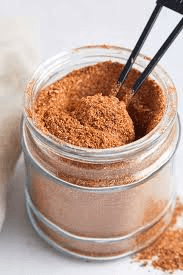
1. Ingredient Selection: Choose high-quality spices based on your recipe. Use fresh, aromatic spices to ensure the flavor and aroma of the spice mix are optimal. Ensure all spices meet food safety standards.
2. Cleaning and Preparation: Clean the spices to remove any impurities or foreign materials. Depending on the spice, this might involve washing, drying, or peeling. Proper cleaning is essential to maintain the quality of the spice mix.
3. Grinding: Grind spices to the desired consistency using a spice grinder or mill. For a consistent mix, ensure that each type of spice is ground to a similar texture. This step affects the final flavor and usability of the mix.
4. Mixing: Combine the ground spices according to your recipe or formula. Use a commercial mixer to ensure an even blend. Proper mixing ensures that the spice mix has a uniform flavor profile.
5. Quality Control: Check the spice mix for consistency, aroma, and flavor. Perform tests to ensure there are no contaminants and that the mix meets the required standards. This step helps maintain product quality.
6. Sample Testing: Conduct sample testing of the spice mix for taste, aroma, and shelf life. This helps to confirm that the final product meets quality standards before large-scale production.
7. Adjustments: Based on quality control and sample testing, make any necessary adjustments to the blend. This might involve changing proportions or substituting ingredients to achieve the desired flavor profile.
8. Packaging Preparation: Prepare for packaging by ensuring all equipment and materials are clean and ready. This includes sterilizing containers and packaging materials to avoid contamination.
9. Documentation: Prepare necessary documentation for export, including product specifications, ingredient lists, and compliance certificates. Accurate documentation is crucial for customs and regulatory purposes.
10. Storage: Store the processed spice mix in a cool, dry place to prevent spoilage and maintain freshness. Proper storage conditions help preserve the quality of the spices until they are packaged.
11. Packing: Pack the spice mix into pre-cleaned containers or pouches. Use automated filling machines if available to ensure precise quantities and reduce manual handling.
12. Labeling: Label each package with essential information such as the product name, ingredients, net weight, production date, and expiration date. Ensure labels comply with international export regulations.
13. Final Quality Check: Perform a final quality check to ensure all packages are sealed, labeled correctly, and meet quality standards. This step helps prevent issues during shipping and customs clearance.
Read Also: How To Grow, Use and Care For Threespike Goosegrass (Eleusine Tristachya)
How to Package Spice Mixes for Exportation

1. Selecting Packaging Materials: Choose food-grade packaging materials that protect the spice mix from moisture, light, and air. Common options include vacuum-sealed pouches, glass jars, or plastic containers.
2. Cleaning Containers: Ensure all packaging containers are thoroughly cleaned and sterilized before use. This prevents contamination and maintains the spice mix’s quality.
3. Filling: Use automated or manual filling machines to accurately fill containers with the spice mix. Ensure that the quantity in each package is consistent to meet labeling and regulatory requirements.
4. Sealing: Seal each container securely to prevent leakage and exposure to air. Common sealing methods include heat sealing for pouches and screw-on lids for jars or bottles.
5. Labeling: Label each package with clear, detailed information, including product name, ingredients, net weight, production date, and expiration date. Labels should be easy to read and comply with export regulations.
6. Batch Coding: Apply batch codes to the packaging for traceability. This helps manage inventory and track any issues related to specific batches of the spice mix.
7. Quality Inspection: Conduct a final inspection to ensure all packages are sealed properly, labeled correctly, and free from defects. This step is crucial to avoid problems during export.
8. Palletizing: Arrange the packaged spice mixes on pallets for easier handling and transportation. Use stretch wrap or strapping to secure the packages to the pallets, preventing movement during shipping.
9. Storage Conditions: Store the packaged spice mixes in a cool, dry environment to maintain quality. Proper storage conditions help prevent spoilage and extend shelf life.
10. Documentation: Prepare and verify all necessary packaging and shipping documentation, including packing lists and shipping instructions. Accurate documentation facilitates smooth customs processing and shipping.
How to Export Spice Mixes for Profits
1. Market Research: Conduct thorough research to identify potential markets for your spice mixes. Understand market demand, consumer preferences, and regulatory requirements in target countries.
2. Regulatory Compliance: Ensure your spice mixes comply with both local and international food safety regulations. Obtain necessary certifications, such as HACCP or ISO, to meet the standards required by importing countries.
3. Competitive Pricing: Develop a competitive pricing strategy that covers production, packaging, shipping, and other costs while ensuring profitability. Analyze competitors’ pricing and adjust your strategy to remain competitive.
4. Building Relationships: Establish relationships with importers, distributors, and retailers in target markets. Network through trade shows, online platforms, and industry events to connect with potential buyers.
5. Negotiating Contracts: Negotiate clear and detailed contracts with buyers, outlining terms of sale, payment methods, delivery schedules, and responsibilities. Ensure that all terms are agreed upon to avoid disputes.
6. Logistics Planning: Plan and manage logistics for shipping spice mixes, including selecting reliable shipping companies and coordinating with freight forwarders. Efficient logistics are essential for timely delivery and reducing the risk of damage.
7. Marketing and Promotion: Develop a marketing strategy to promote your spice mixes in international markets. Use online platforms, social media, and trade publications to highlight the unique qualities of your products.
8. Quality Assurance: Implement strict quality control measures throughout the processing, packaging, and shipping stages. Consistently high-quality products build trust and encourage repeat business.
9. Export Documentation: Prepare all necessary export documentation, including quality certificates, invoices, and shipping documents. Accurate documentation is essential for customs clearance and smooth export processes.
10. Monitoring and Adaptation: Continuously monitor market trends and customer feedback. Adapt your strategies based on changes in market conditions, consumer preferences, and emerging opportunities to maximize profitability.
Read Also: Why Eggs Are Good For You – The Exceptional Super Food for Your Health
Frequently Asked Questions (FAQ’s) About Spice Mixes
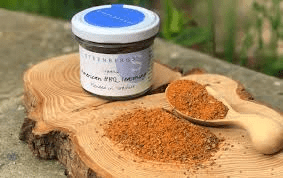
1. What are spice mixes?
Spice mixes are combinations of various spices and herbs blended to create a specific flavor profile. They are used to enhance the taste of dishes and can be customized for different cuisines.
2. How are spice mixes processed?
Spice mixes are processed by selecting high-quality spices, grinding them to the desired consistency, mixing them according to a recipe, and then packaging them for sale.
3. What is the shelf life of spice mixes?
The shelf life of spice mixes varies depending on the ingredients and packaging. Generally, spice mixes have a shelf life of 1 to 3 years when stored properly in a cool, dry place.
4. How should spice mixes be stored?
Store spice mixes in airtight containers in a cool, dry place away from light and moisture. Proper storage helps maintain the freshness and flavor of the spices.
5. Are spice mixes customizable?
Yes, spice mixes can be customized to suit specific flavor preferences or dietary needs. Adjustments can be made to the blend of spices based on individual recipes or customer requests.
6. Can spice mixes be used for both cooking and baking?
Yes, spice mixes can be used in both cooking and baking. They add flavor to a wide range of dishes, from savory meals to sweet baked goods.
7. What are the benefits of using spice mixes?
Spice mixes save time in meal preparation by providing a ready-made blend of flavors. They also ensure consistency in taste and allow for easy experimentation with different cuisines.
8. How do I choose the right spice mix?
Choose spice mixes based on the type of cuisine you are preparing and your personal taste preferences. Look for blends that match the flavor profile you want to achieve.
9. Are there any allergens in spice mixes?
Spice mixes may contain allergens depending on their ingredients. Always check the ingredient list and label for potential allergens if you have dietary restrictions or allergies.
10. Can spice mixes be used in recipes for dietary restrictions?
Yes, spice mixes can be adapted for various dietary restrictions by selecting appropriate ingredients and ensuring that they do not contain allergens or restricted substances. Always check the label for allergen information.
Read Also: The Ultimate Guide to Unlocking the Potential of Garbage Wastes