


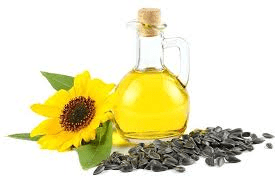
Sunflower oil is a popular cooking oil made from the seeds of the sunflower plant. Processing, packaging, and exporting sunflower oil involves several key steps to ensure that the final product is of high quality and suitable for international markets. This guide will explain these steps in simple, easy-to-understand language.
The first step in processing sunflower oil is harvesting the sunflower seeds. Sunflowers are typically harvested when the seeds are fully mature and dry. Mature seeds are essential for producing high-quality oil. After harvesting, the seeds are cleaned to remove any dirt, dust, or debris. This is done using mechanical cleaners that separate impurities from the seeds.
Once the seeds are clean, they are dried to reduce their moisture content. Proper drying is important because seeds with too much moisture can affect the oil extraction process and reduce the quality of the oil. The dried seeds are then hulled to remove the outer shell. Hulled seeds are easier to process and produce a higher yield of oil.
The next step is extracting the oil from the seeds. There are two main methods for oil extraction: mechanical pressing and solvent extraction. Mechanical pressing involves using a press to squeeze the oil out of the seeds. This method is less efficient but retains more of the natural flavor and nutrients. Solvent extraction, on the other hand, uses a chemical solvent to dissolve the oil from the seeds. This method is more efficient and can extract more oil, but it requires additional steps to remove the solvent from the final product.
After extraction, the crude sunflower oil is refined to remove impurities and improve its quality. Refining involves several steps, including degumming, neutralization, bleaching, and deodorization. Degumming removes phospholipids and other impurities from the oil. Neutralization involves removing free fatty acids that can affect the taste and stability of the oil. Bleaching removes color pigments, and deodorization eliminates any unpleasant odors. The result is a clear, neutral-tasting oil that is ready for packaging.
Packaging sunflower oil properly is crucial to maintaining its quality and extending its shelf life. The oil must be packaged in containers that protect it from light, air, and moisture, which can cause spoilage. Common packaging options include glass bottles, plastic bottles, and metal cans. For larger quantities, sunflower oil can be packed in bulk using food-grade barrels or drums. The packaging should be done in a clean, dry environment to prevent contamination.
Accurate labeling of the packages is important for consumer trust and regulatory compliance. The labels should include information such as the type of oil, ingredients, nutritional information, expiration date, and any certifications or quality marks. Clear and detailed labeling helps consumers make informed choices and ensures compliance with international trade regulations.
Exporting sunflower oil involves meeting the quality standards and food safety regulations of the importing country. Exporters need to obtain the necessary certifications and documentation to prove that the sunflower oil is safe for consumption. This often includes health certificates, quality certificates, and certificates of origin. Exporters must also comply with packaging and labeling requirements specific to the destination country.
Transportation is a vital aspect of exporting sunflower oil. The oil must be transported in a way that maintains its quality and prevents spoilage. This usually involves using containers that protect the sunflower oil from moisture and temperature fluctuations. Proper handling during loading and unloading is essential to avoid damaging the packages and ensuring that the oil arrives in good condition.
Upon arrival in the destination country, the sunflower oil goes through customs clearance. This process involves inspecting the documentation and the products to ensure they comply with local regulations. If everything is in order, the sunflower oil is cleared for entry and can be distributed to wholesalers, retailers, or directly to consumers.
Processing, packaging, and exporting sunflower oil require careful attention to detail at each stage. From harvesting and cleaning the seeds to extracting, refining, packaging, and meeting export regulations, every step is crucial to ensure the final product is of high quality and safe for consumption. By following best practices and adhering to international standards, producers and exporters can deliver high-quality sunflower oil to markets around the world, meeting consumer expectations and industry requirements. Proper handling, effective packaging, and reliable transportation are essential to ensuring that sunflower oil reaches its destination fresh and ready for use in various culinary and industrial applications.
How to Process Sunflower Oil for Exportation

1. Selecting Sunflower Seeds: Choose high-quality sunflower seeds that are clean and free from mold, pests, and foreign materials. Quality seeds ensure the oil produced is pure and meets export standards.
2. Cleaning: Clean the sunflower seeds thoroughly to remove dirt, stones, and any other contaminants. This can be done using mechanical cleaners and air separators. Proper cleaning is crucial to prevent impurities in the final oil.
3. Dehulling: Remove the outer shells of the sunflower seeds through dehulling. This can be achieved using dehulling machines that separate the seeds from their hulls. Dehulling increases the efficiency of oil extraction.
4. Grinding: Grind the cleaned and dehulled sunflower seeds into a coarse meal. This process, known as milling, breaks down the seeds to increase the surface area and facilitate better oil extraction.
5. Conditioning: Heat the ground sunflower seed meal to a specific temperature to prepare it for oil extraction. Conditioning helps to improve the efficiency of the extraction process and enhances oil yield.
6. Oil Extraction: Use either mechanical pressing or solvent extraction methods to extract oil from the conditioned seed meal. Mechanical pressing involves using expellers to squeeze out the oil, while solvent extraction uses chemicals to dissolve the oil from the meal.
7. Refining: Refine the extracted oil to remove impurities, free fatty acids, and undesirable flavors. Refining includes degumming, neutralizing, bleaching, and deodorizing processes. This step ensures the oil meets quality standards for export.
8. Filtering: Filter the refined oil to remove any remaining particulates and residues. This can be done using filter presses or centrifuges. Proper filtering is essential for achieving a clear and pure final product.
9. Quality Control: Conduct thorough quality control checks to ensure the sunflower oil meets the required standards. Test for parameters such as acidity, peroxide value, and color. Consistent quality is crucial for maintaining export standards.
10. Packaging: Package the processed sunflower oil in clean, food-grade containers that protect it from light, air, and moisture. Common packaging options include plastic bottles, glass jars, or metal cans.
11. Labeling: Clearly label the packages with important information such as product name, net weight, production date, expiration date, and batch number. Ensure labels comply with export regulations.
12. Documentation: Prepare all necessary documentation for export, including quality certificates, packing lists, invoices, and any required export permits. Accurate and complete documentation is essential for smooth customs clearance.
13. Storage: Store the packaged sunflower oil in a cool, dry place to prevent oxidation and spoilage. Proper storage conditions help maintain the oil’s quality and extend its shelf life.
14. Logistics: Arrange for transportation and logistics, ensuring that the sunflower oil is shipped under conditions that prevent contamination and damage. Choose a reliable logistics provider for efficient delivery.
Read Also: Balloon Flowers (Platycodon grandiflorus): All You Need to Know About
How to Package Sunflower Oil for Exportation

1. Selecting Packaging Materials: Choose high-quality, food-grade packaging materials that are resistant to light and moisture. Common options include plastic bottles with tight seals, glass jars, or metal cans.
2. Cleaning Containers: Ensure all containers are thoroughly cleaned and sterilized before use. This prevents contamination and ensures the oil remains pure and safe for consumption.
3. Filling: Use automated filling machines to accurately fill containers with sunflower oil. Ensure that the filling process is clean and precise to prevent overfilling or spillage.
4. Sealing: Seal the filled containers with appropriate caps or lids to prevent leakage and exposure to air. Proper sealing helps maintain the freshness and quality of the oil.
5. Labeling: Label each container with relevant information, including product name, net weight, production date, expiration date, and batch number. Ensure that labels are clear, accurate, and comply with export regulations.
6. Batch Coding: Implement a batch coding system on the packaging for traceability. This helps in tracking the product and managing recalls if necessary.
7. Quality Check: Conduct a final quality check to ensure that all packages are intact, properly sealed, and correctly labeled. This step is crucial for maintaining product quality and compliance.
8. Palletizing: Arrange the packaged containers on pallets for easy handling and shipping. Use stretch wrap or strapping to secure the packages to the pallets and prevent movement during transport.
9. Temperature Control: Ensure that storage and transportation conditions maintain the oil at a stable temperature to prevent degradation. Avoid exposure to high temperatures and direct sunlight.
10. Documentation: Prepare all necessary documentation for the packaging, including packing lists and shipping instructions. Accurate documentation facilitates smooth customs processing and shipping.
Read Also: Azalea Flowers (Rhododendron spp): All You Need to Know About
How to Export Sunflower Oil for Profits

1. Market Research: Research potential export markets to identify countries with high demand for sunflower oil. Understand market trends, consumer preferences, and regulatory requirements to target the most promising markets.
2. Compliance with Regulations: Ensure compliance with both local and international export regulations. Obtain necessary certifications and adhere to food safety standards required by the importing country.
3. Certification: Acquire relevant certifications such as HACCP (Hazard Analysis and Critical Control Points) and ISO (International Organization for Standardization). These certifications enhance credibility and facilitate entry into international markets.
4. Pricing Strategy: Develop a competitive pricing strategy that covers production, packaging, shipping, and other costs while ensuring profitability. Analyze competitors’ pricing and adjust your strategy to remain competitive.
5. Building Relationships: Establish strong relationships with potential buyers, including importers and distributors. Network through trade shows, exhibitions, and online platforms to connect with key stakeholders.
6. Negotiating Contracts: Negotiate clear and detailed contracts with buyers, specifying terms of sale, payment methods, delivery schedules, and responsibilities. Ensure that all terms are agreed upon to avoid disputes and ensure smooth transactions.
7. Managing Logistics: Plan and manage logistics for shipping sunflower oil, including selecting reliable shipping companies and coordinating with freight forwarders. Efficient logistics ensure timely delivery and reduce risks of damage.
8. Marketing and Promotion: Create a marketing strategy to promote sunflower oil in international markets. Use online platforms, social media, and trade publications to highlight your product’s quality and benefits.
9. Quality Assurance: Implement strict quality control measures throughout processing, packaging, and shipping. Consistently high-quality sunflower oil builds trust and encourages repeat business.
10. Monitoring Market Trends: Continuously monitor market trends and customer feedback. Adapt your strategies based on changes in market conditions, consumer preferences, and emerging opportunities to maximize profitability.
Frequently Asked Questions (FAQ’s) About Sunflower Oil
1. What is sunflower oil?
Sunflower oil is a vegetable oil extracted from the seeds of the sunflower plant. It is commonly used in cooking and as an ingredient in various food products due to its light flavor and high smoke point.
2. What are the benefits of sunflower oil?
Sunflower oil is high in unsaturated fats, which are beneficial for heart health. It also contains vitamin E, an antioxidant that helps protect cells from damage.
3. How is sunflower oil processed?
Sunflower oil is processed by cleaning, dehulling, grinding, conditioning, extracting, refining, filtering, and packaging sunflower seeds. These steps ensure the oil is pure and meets quality standards.
4. Is sunflower oil suitable for high-temperature cooking?
Yes, sunflower oil has a high smoke point, making it suitable for high-temperature cooking methods such as frying and sautéing.
5. Can sunflower oil be used for baking?
Yes, sunflower oil can be used in baking as a substitute for other oils or fats. It adds moisture to baked goods and has a neutral flavor that doesn’t overpower other ingredients.
6. How should sunflower oil be stored?
Store sunflower oil in a cool, dry place away from direct sunlight and heat. Proper storage helps maintain the oil’s freshness and extend its shelf life.
7. How long does sunflower oil last?
Unopened sunflower oil can last up to two years when stored properly. Once opened, it should be used within six to twelve months for optimal freshness.
8. Is sunflower oil gluten-free?
Yes, sunflower oil is naturally gluten-free and can be safely used by individuals with gluten intolerance or celiac disease.
9. Can sunflower oil be used for skin care?
Yes, sunflower oil is used in skin care products for its moisturizing properties and high vitamin E content. It can help soothe and hydrate the skin.
10. Where can I buy sunflower oil?
Sunflower oil can be purchased from grocery stores, health food stores, and online retailers. Look for reputable suppliers to ensure you receive a high-quality product.
Read Also: How To Raise Chickens – The Simple Secrets To A Great Backyard Flock