


Blueberries are tiny, round fruits that come from a special bush. These little berries are not just tasty; they are also packed with good things for your body.
Firstly, blueberries are full of vitamins and minerals. They have vitamin C, which helps keep you healthy. Eating blueberries can give your body the strength it needs to fight off sickness.
Additionally, these berries are rich in antioxidants. Antioxidants are like superheroes for your body. They protect your cells from damage and help keep you feeling good. Blueberries have a lot of these superheroes, making them a powerful snack.
Moreover, blueberries are great for your brain. They contain something called flavonoids, which are like brain boosters. These little boosters help improve your memory and keep your brain sharp. So, eating blueberries might make you smarter!
Furthermore, these berries are good for your heart. They can help lower the risk of heart diseases. Blueberries have special compounds that keep your heart strong and healthy. Keeping your heart happy is important, and blueberries can be a tasty way to do that.
On top of that, blueberries are low in calories. If you’re looking for a delicious snack that won’t make you feel guilty, blueberries are a fantastic choice. You can enjoy their sweetness without worrying too much about your waistline.
In addition, blueberries are more than just tasty treats. They are like little health bombs, filled with vitamins, antioxidants, and brain-boosting magic. So, next time you reach for a snack, consider grabbing a handful of these small but mighty berries. Your taste buds and your body will thank you!
Read Also: Facts About Honey Bees
How to Tell if Blueberries are Ripe

To determine if blueberries are ripe, look at their color. Ripe blueberries are deep blue or purple, with a dusty appearance. Avoid green or red berries, as they are likely not fully ripe.
Feel the berries gently. Ripe blueberries should be plump and firm but not hard. If they are too soft or mushy, they may be overripe.
Check the berries’ size. Ripe blueberries are generally uniform in size. If you see berries that are much smaller or larger than the rest, they might not be fully ripe.
Inspect the cluster. Ripe blueberries in a cluster should mostly have the same color. If you notice a mix of colors, some berries may not be ripe yet. Smell the berries. Ripe blueberries often have a sweet aroma. If they lack a distinct smell or have a sour odor, they might not be fully ripe.
Taste a few berries. If possible, sample a couple of berries. Ripe blueberries should be sweet and flavorful. If they taste sour or bland, they may need more time to ripen.
Remember, the ripeness of blueberries can vary, so it’s a good idea to use a combination of these indicators to ensure you pick or buy the best, sweetest berries.
Read Also: Are Honey Bees Endangered?
The Best Blueberries to use for Recipes

When choosing blueberries for recipes, look for fresh, plump berries that are firm to the touch and have a rich, deep color. Here are some popular varieties often considered excellent for various recipes:
1. Highbush Blueberries: These are the most common and widely available blueberries. They are versatile and work well in a variety of recipes, including baked goods, jams, and sauces.
2. Cultivated Varieties: Varieties like Bluecrop, Duke, and Elliott are known for their sweet flavor and are great choices for desserts like pies, muffins, and cobblers.
3. Wild Blueberries: While smaller than cultivated varieties, wild blueberries pack a concentrated flavor. They are perfect for recipes where a burst of intense blueberry flavor is desired, such as in pancakes, scones, or smoothies.
4. Southern Highbush Blueberries: Varieties like ‘Star’ and ‘Emerald’ are known for their sweet taste and are suitable for recipes that highlight the natural sweetness of blueberries.
5. Organic Blueberries: If available, consider choosing organic blueberries. They are grown without synthetic pesticides or fertilizers, offering a more natural flavor.
Remember to adjust the sweetness in your recipes based on the natural sweetness of the blueberries and personal taste preferences. Whether fresh or frozen, quality blueberries will enhance the flavor and texture of your culinary creations.
How to use Blueberries for Recipes
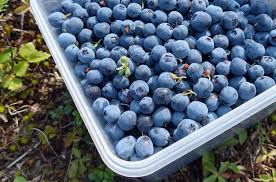
Blueberries can be a delightful addition to a variety of recipes, adding a burst of sweetness and vibrant color. Here are some simple ways to use blueberries in recipes:
1. Baking:
Blueberry Muffins: Fold fresh or frozen blueberries into muffin batter before baking for a fruity twist.
Blueberry Pancakes or Waffles: Mix blueberries into pancake or waffle batter for a delicious breakfast treat.
Blueberry Pie or Crisp: Create a classic blueberry pie or crisp by combining blueberries with sugar and baking them in a pie crust or topped with a crumbly mixture.
2. Desserts:
Blueberry Cheesecake: Top your favorite cheesecake with a layer of blueberry compote or fresh blueberries.
Blueberry Parfait: Layer yogurt, granola, and fresh blueberries for a tasty and visually appealing parfait.
3. Drinks:
Blueberry Smoothie: Blend blueberries with yogurt, milk, or juice for a refreshing smoothie.
Blueberry Lemonade: Make a homemade blueberry syrup and mix it with freshly squeezed lemonade for a flavorful twist.
4. Sauces and Compotes:
Blueberry Sauce: Cook blueberries with sugar and a bit of lemon juice to create a versatile sauce for topping desserts, ice cream, or pancakes.
Blueberry Compote: Simmer blueberries with a sweetener to make a compote that can be used as a topping for various dishes.
5. Salads:
Blueberry Salad: Toss fresh blueberries into green salads for a burst of sweetness. They pair well with feta or goat cheese and nuts.
6. Snacks:
Frozen Blueberries: Freeze blueberries and enjoy them as a refreshing snack. They’re like nature’s popsicles!
7. Savory Dishes:
Blueberry Glaze: Create a glaze by cooking blueberries with a bit of sugar and use it as a sauce for grilled chicken or pork.
Blueberry Salsa: Mix blueberries with chopped red onion, cilantro, and lime juice for a unique salsa to accompany fish or grilled meats.
Experiment with these ideas to discover new ways to incorporate blueberries into your favorite recipes. Their sweet and tart flavor profile makes them a versatile ingredient in both sweet and savory dishes.
Nutritional Values of Using Blueberries for Recipes
Blueberries are not only delicious but also packed with nutritional goodness. Here’s a breakdown of their key nutritional values per 100 grams:
1. Calories: Approximately 57 calories, making them a low-calorie snack.
2. Carbohydrates: Around 14.5 grams, with dietary fiber contributing to digestive health.
3. Protein: About 0.7 grams.
4. Fat: Very low in fat, typically less than 0.3 grams.
5. Vitamin C: A significant source of vitamin C, providing about 9.7 milligrams, which is around 16% of the recommended daily intake. Vitamin C is crucial for immune health.
6. Vitamin K: Blueberries also contain vitamin K, essential for blood clotting and bone health.
7. Antioxidants: Packed with antioxidants, including anthocyanins, which give them their deep blue color. Antioxidants help combat oxidative stress in the body.
8. Manganese: A trace mineral found in blueberries, important for bone development and metabolism.
9. Potassium: Contains a moderate amount of potassium, essential for maintaining proper heart and muscle function.
10. Phytochemicals: Blueberries are rich in various phytochemicals, which have been linked to numerous health benefits, including anti-inflammatory properties.
11. Low Glycemic Index: Blueberries have a low glycemic index, meaning they have a minimal impact on blood sugar levels.
Incorporating blueberries into your diet can contribute to overall well-being, providing essential vitamins, minerals, and antioxidants. Whether enjoyed fresh, frozen, or incorporated into various recipes, blueberries are a tasty and nutritious addition to a balanced diet.
Read Also: How Can Advertising Help Your Business?