


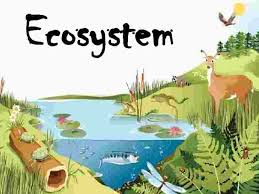
This article focuses on the ecosystem and aims to highlight its unique features and elements. The term ecosystem is a contraction of “ecological system,” referring to the relationships or interactions that exist among different biotic components as well as with abiotic components. Within the ecosystem, the biotic community cannot function independently, as abiotic components are influenced directly or indirectly by the activities of biotic components.
Definition of the Ecosystem
An ecosystem can be defined as either a naturally created or artificial unit, consisting of both biotic and abiotic factors. In practical situations, natural ecosystems are usually studied and observed. These natural units can be large or small, depending on prevailing conditions, natural occurrences, and the availability of living and non-living factors. These factors significantly influence natural units and contribute to the differences observed in ecosystems.
Ecosystems differ in structure and status, and these variations influence the variety of biotic components they can support. As the biotic community depends on the abiotic resources available, the sustainability of the ecosystem is determined by the population and level of interactions among these components.
Read Also: How to Grow Paw-Paw (papayas): Beginners Business Guide
Characteristics of an Ecosystem

Ecosystems exhibit three primary attributes: composition, structure, and function. These attributes interact within each ecosystem to maintain its balance.
1. Ecosystem Composition: This refers to the variety and richness of species inhabiting an ecosystem. Both flora and fauna occupy specific habitats that suit their needs and provide the genetic diversity needed for interaction.
2. Ecosystem Structure: This relates to the physical arrangement of life forms in an area, which is influenced by the ecological conditions of that region. For example, coastal areas will have different vegetation and animal life compared to forests or arid regions.
3. Ecosystem Functions: These functions may not always be visible, but their impact is felt. Key functions include:
i. Biogeochemical Cycles: These cycles are essential for recycling environmental materials.
ii. Natural Disturbances: Events such as wildfires release nutrients into the soil, remove weak trees, and reset ecological succession. Other natural disturbances include water energy, which shapes landscapes and creates conditions suitable for various life forms, such as fish spawning beds.
These processes interact to create diverse environmental conditions, which support biological diversity.
Elements of the Ecosystem
The functioning of an ecosystem is determined by several key elements, which contribute to its uniqueness. Biodiversity, though complex, has genetic variation as one of its most basic elements.
1. Genetic Variation: Genetic variation occurs within and between populations of species, leading to differences in physical characteristics, viability, productivity, resilience to stress, and adaptability to change.
2. Distinct Species: Some species are abundant, while others are in decline or even face extinction. For example, American elk and rainbow trout are abundant, whereas species like the Nigerian hippopotamus and manatee have much smaller populations. The conservation of these declining species is critical to maintaining biodiversity.
3. Associations of Species: These associations, often referred to as biological communities, are recognized as distinct habitats, such as old-growth forests or wetlands. These communities make up the biotic portion of ecosystems.
The variety of species in an ecosystem is influenced by its structural and functional characteristics, ecological processes, and physical environment. These components collectively form the elements of an ecosystem.
Read Also: How To Grow Apple Trees
Ecosystem Influence on Biodiversity

An ecosystem’s structure, size, and function directly impact biodiversity. The richness and variety of species within an ecosystem depend on these factors. Any changes to the structure, size, or function of an ecosystem can significantly affect its biodiversity, often leading to adverse effects on the species living within.
In this article, the concept of the ecosystem has been explored, highlighting its definition, characteristics, and elements. Ecosystems are essential for maintaining biodiversity, and changes in their structure or function can greatly impact the biotic community.
Do you have any questions, suggestions, or contributions? If so, please feel free to use the comment box below to share your thoughts. We also encourage you to kindly share this information with others who might benefit from it. Since we can’t reach everyone at once, we truly appreciate your help in spreading the word. Thank you so much for your support and for sharing!
Read Also: Advantages of Waste Recycling
Frequently Asked Questions
We will update this section soon.