


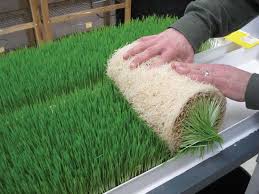
Hydroponic green fodder production is revolutionizing livestock farming. This soil-free method provides a sustainable, nutritious feed solution for animals. By addressing land and resource constraints, it ensures high-quality fodder for dairy and livestock businesses, enhancing animal health and productivity.
This article explores the benefits, techniques, and advantages of hydroponic green fodder systems. It highlights why this technology is critical for modern farming, offering practical insights for farmers facing challenges like limited land, high labor costs, or water scarcity.
Why Hydroponic Green Fodder Matters

Hydroponic green fodder is gaining traction as a sustainable feed solution. It eliminates the need for soil, offering a nutrient-rich diet for livestock. This method is particularly valuable in regions with limited arable land or high feed costs.
The system supports dairy and livestock farming by reducing costs and improving animal health. It addresses key challenges like land scarcity and labor expenses, making it a game-changer for modern agriculture.
A. Addressing Land Scarcity
1. Limited Land Availability: Hydroponic systems require minimal land, making them ideal for areas with scarce grazing or fertile land.
2. Coastal and Mining Areas: These regions often lack space for traditional fodder production, but hydroponics thrives in such environments.
3. High Land Costs: With rising land prices, hydroponics offers an efficient solution, needing only 50 square meters to produce 600-650 kg of fodder.
B. Reducing Feed Costs
1. High Feed Expenses: Feed accounts for 70-75% of dairy production costs, with green fodder contributing 30-35% of that total.
2. Cost-Effective Production: Hydroponics lowers costs by requiring less water and labor compared to traditional methods.
3. Nutrient-Rich Output: The fodder is highly nutritious, reducing the need for supplementary feeds and boosting milk yield.
C. Overcoming Resource Constraints
1. Limited Irrigation: Hydroponics works in areas with poor irrigation facilities, using only 2-3 liters of water per kg of fodder.
2. High Labor Costs: The system requires just 2-3 hours of labor daily, unlike the intensive labor of conventional fodder production.
3. Environmental Sustainability: Hydroponics recycles water and avoids chemical fertilizers, making it eco-friendly.
Read Also: Water Snakes (Nerodia): Species, Habitat, Diet, & More
How Hydroponic Systems Work
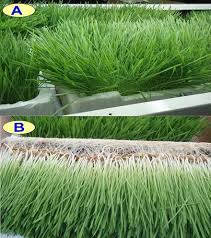
Hydroponic green fodder production is a scientific method of growing plants in nutrient-enriched water under controlled conditions. It eliminates soil dependency, making it ideal for producing fodder crops like oats, maize, barley, sorghum, and wheat efficiently.
This technology reduces pressure on land resources and supports year-round fodder production. It ensures livestock receive high-quality, contamination-free feed, improving health and productivity in dairy and livestock operations.
A. The Hydroponic Process
1. Soil-Free Growth: Plants are grown in water enriched with essential nutrients, ensuring optimal growth without soil.
2. Controlled Environment: Fodder is produced at 15°C to 33°C with 70-80% humidity, preventing fungal growth.
3. Fast Growth Cycle: Crops like wheatgrass and paddy saplings grow in just 7-10 days, compared to 45 days in traditional systems.
B. Types of Fodder Produced
1. Complete Fodder Composition: Hydroponic fodder includes grains, roots, stems, and leaves, unlike conventional fodder with only stems and leaves.
2. Versatile Crop Options: Suitable crops include oats, maize, barley, sorghum, and wheat, adaptable to various livestock needs.
3. High Nutritional Value: The fodder is tastier and more nutritious, enhancing animal health and reproductive efficiency.
C. Benefits for Livestock
1. Improved Health: Hydroponic fodder supports better animal health and higher milk yields in dairy animals.
2. Contamination-Free: The system produces clean fodder, free from pesticides and environmental pollutants.
3. Enhanced Productivity: Feeding hydroponic fodder results in faster growth and improved reproductive efficiency in livestock.
Advantages of Hydroponic Fodder Production
Hydroponic systems offer numerous benefits, making them a sustainable choice for fodder production. They address challenges like water scarcity, labor demands, and land limitations while delivering high-quality feed for livestock.
This technology ensures year-round production and minimal resource use. Below are the key advantages that make hydroponic fodder production a preferred method for modern farmers.
A. Resource Efficiency
1. Water Conservation: The system uses 2-3 liters of water per kg of fodder, compared to 55-75 liters in traditional methods.
2. Minimal Land Use: Only 50 square meters are needed to produce 600-650 kg of fodder, versus 1 hectare for traditional systems.
3. Reduced Labor Needs: Daily labor is limited to 2-3 hours, significantly less than conventional fodder production.
B. Faster and Reliable Production
1. Quick Growth Cycle: Fodder grows in 7-8 days, reaching 8-12 inches, compared to over 45 days traditionally.
2. Year-Round Availability: Hydroponics enables consistent fodder production regardless of season or weather conditions.
3. Minimal Fodder Loss: Unlike chopped traditional fodder, hydroponic fodder is fully utilized with no waste.
C. Nutritional and Environmental Benefits
1. High Nutritional Content: The fodder is more nutritious than conventional fodder, supporting better animal health.
2. Eco-Friendly System: Water recycling and no chemical use make hydroponics environmentally sustainable.
3. Natural Production: Fodder is grown without pesticides or chemical fertilizers, ensuring a natural feed source.
Read Also: Importance, Domestication and Origin of Monogastric Animals
Tips for Successful Hydroponic Fodder Production

To maximize the benefits of hydroponic fodder production, farmers must follow specific guidelines. These tips ensure high-quality fodder while avoiding common pitfalls like fungal growth or poor germination.
Implementing these practices helps maintain system efficiency and fodder quality. Below are key tips for successful hydroponic fodder production.
A. Preventing Fungal Growth
1. Use Fungicidal Solutions: Apply solutions like Effective Microorganism to prevent fungal growth in the system.
2. Maintain Optimal Conditions: Keep temperature between 15°C and 33°C and humidity at 70-80% to avoid fungal issues.
3. Regular Water Changes: Replace water every 3 days to maintain cleanliness and prevent contamination.
B. Optimizing Seed Selection
1. Choose Quality Seeds: Use white maize or corn seeds for better germination rates compared to yellow maize.
2. Avoid Impurities: Select seeds free from debris to prevent clogging of foggers and ensure quality feed.
3. Monitor Seed Health: Ensure seeds are healthy to support consistent growth and high fodder quality.
C. Environmental Considerations
1. Control Sunlight Exposure: Excessive sunlight can cause leaves to yellow, so use a greenhouse for protection.
2. Adapt to Limited Land: Hydroponics is ideal for areas with scarce irrigated or fertile land, maximizing space efficiency.
3. Address Rising Land Costs: This system reduces dependency on expensive land, making fodder production cost-effective.
Frequently Asked Questions
1. What is hydroponic green fodder?
Hydroponic green fodder is a nutrient-rich feed grown without soil in a water-based, controlled environment. It includes grains, roots, stems, and leaves, offering superior nutrition for livestock like cattle, goats, and sheep.
2. Why use hydroponics for fodder production?
Hydroponics addresses land scarcity, high labor costs, and water limitations. It produces high-quality fodder year-round, reduces feed costs, and improves animal health and milk yield in dairy farming.
3. How much water does hydroponic fodder production use?
The system uses 2-3 liters of water per kg of fodder, significantly less than the 55-75 liters required in traditional fodder production, with water recycling preventing waste.
4. What crops can be grown hydroponically for fodder?
Crops like oats, maize, barley, sorghum, and wheat are suitable. Wheatgrass and paddy saplings can also be grown in 7-10 days for livestock feed.
5. How much land is needed for hydroponic fodder production?
Only 50 square meters are required to produce 600-650 kg of fodder, compared to 1 hectare needed for the same amount in traditional systems.
6. Can hydroponic fodder improve animal health?
Yes, hydroponic fodder is highly nutritious, contamination-free, and improves animal health, reproductive efficiency, and milk yield in dairy animals.
7. How long does it take to grow hydroponic fodder?
Fodder grows in 7-8 days, reaching 8-12 inches, compared to over 45 days in traditional systems, ensuring faster production cycles.
8. Is hydroponic fodder production environmentally friendly?
Yes, it recycles water, uses no pesticides or chemical fertilizers, and requires minimal land, making it a sustainable and eco-friendly solution.
Do you have any questions, suggestions, or contributions? If so, please feel free to use the comment box below to share your thoughts. We also encourage you to kindly share this information with others who might benefit from it. Since we can’t reach everyone at once, we truly appreciate your help in spreading the word. Thank you so much for your support and for sharing!