


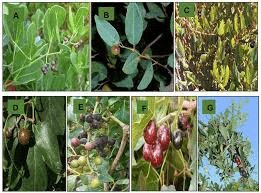
Rhoicissus digitata, nke a na-akpọkarị Baboon Grape, bụ osisi na-arị elu nke sitere na ezinụlọ Vitaceae. Osisi a sitere na mpaghara dị iche iche nke Afrịka, ọ na-egosipụta ihe pụrụ iche nke na-eme ka ọ dị mfe ịmata ma baa uru maka àgwà ịchọ mma na nke ọgwụ.
Mkpụrụ vaịn Baboon bụ osisi na-eto eto nke na-abụkarị osisi na-eto eto dị ka osisi vaịn. Ọ na-arịgo n’elu osisi, ogige, na ihe ndị ọzọ na-akwado ya site na iji ogwe osisi pụrụ iche ya. Mkpụrụ osisi ndị a na-enyere aka ịkwado osisi ahụ ka ọ na-arịgo elu, na-enye ya ohere iru elu dị elu.
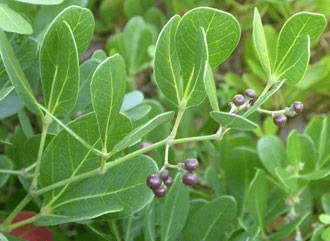
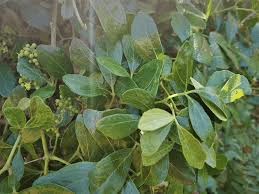
Akwụkwọ Rhoicissus digitata bụ otu n’ime ihe ndị kacha pụta ìhè na ya. Ha dị ka obi, ọtụtụ mgbe ha nwere obere akụkụ gbara ọkpụrụkpụ. A na-ahazi akwụkwọ ha n’otu aka ahụ n’akụkụ ogwe osisi ha ma nwee agba akwụkwọ ndụ akwụkwọ ndụ na-egbuke egbuke nke na-eme ka osisi ahụ maa mma nke ukwuu.
Osisi ahụ na-emepụta obere okooko osisi ndị na-apụtaghị ìhè nke na-abụkarị otu ìgwè. Otu ụyọkọ okooko osisi ndị a na-esi n’osisi akwụkwọ pụta, ebe akwụkwọ ha na-ezute ogwe osisi ahụ. Ọ bụ ezie na okooko osisi ndị a nwere ike ọ gaghị apụta ìhè, ha na-arụ ọrụ dị mkpa n’ịmepụta mkpụrụ osisi ndị ahụ n’ikpeazụ.
Otu n’ime ihe pụrụ iche nke Rhoicissus digitata bụ mkpụrụ ya, nke yiri obere mkpụrụ vaịn. Mkpụrụ osisi ndị a dị gburugburu ruo obere oval dị ihe dị ka mabụl ma na-abịa n’ụdị dị iche iche site na odo odo miri emi ruo na oji. Mkpụrụ osisi ndị a na-eto n’ìgwè ma mara ha maka ụtọ ha dị ntakịrị ma na-atọ ụtọ.
Mkpụrụ osisi Baboon Grape na-abụkarị isi awọ-agba aja aja ma na-adịkwu nkọ ka osisi ahụ na-etolite. Ọ bụghị isi ihe dị mkpa n’ihe gbasara ịchọ mma osisi, kama ọ na-eme ka ọdịdị ha dị mma.
A na-ahụkarị Rhoicissus digitata n’ọtụtụ ebe obibi, gụnyere oke ọhịa, savannas, na ebe nkume. Ọ bụ osisi siri ike nke nwere ike itolite ma n’ebe kpọrọ nkụ ma n’ebe okpomọkụ dị. Osisi ndị a na-akọpụta gụnyere mba dị iche iche n’Africa, dịka South Africa, Namibia, Botswana, na Zimbabwe.
Rhoicissus digitata nwere mkpa omenala na ọgwụgwọ n’ọtụtụ obodo dị n’Africa. A na-eji akwụkwọ osisi, mkpụrụ osisi, na akụkụ ndị ọzọ agwọ ọrịa dị iche iche, ebe ọ nwere ọtụtụ ihe bara uru nwere ike ịgwọ ọrịa.
Gụọ kwa: Uru iri na abụọ nke Nerium (Nerium Oleander) maka ahụike ọgwụ
Uru Ahụike Ọgwụ nke Rhoicissus digitata (Baboon Grape)
1. Mmelite Ahụ Ike: Mkpụrụ vaịn Baboon juputara na vitamin C, ihe dị mkpa nke na-eme ka usoro ahụ ji alụso ọrịa ọgụ ka mma. Iri ya mgbe niile nwere ike inyere aka igbochi ọrịa na ọrịa.
2. Enyemaka Iri nri: A na-eji akwụkwọ Rhoicissus digitata eme ihe n’oge ochie iji belata nsogbu nri. Ha nwere ike ime ka afọ ju, afọ ọsịsa, na afọ ntachi belata.
3. Ọgwụ mgbochi mkpali: Osisi a nwere ihe ndị na-egbochi mbufụt. Enwere ike iji ya belata mbufụt n’ọnọdụ dịka ọrịa ogbu na nkwonkwo na akwara na-afụ ụfụ.
4. Ụlọ ọrụ ike na-egbochi oxidation: Mkpụrụ vaịn Baboon bara ụba na antioxidants dịka flavonoids na phenols. Antioxidants ndị a na-enyere aka iwepụ ihe ndị na-emerụ ahụ n’ahụ, na-echebe mkpụrụ ndụ pụọ na mmebi.
5. Ahụike Obi: Ihe ndị dị na Rhoicissus digitata nwere ike inye aka na ahụike obi site n’ịkwalite mgbasa ọbara dị mma ma nyere aka belata ọbara mgbali elu.
6. Nlekọta Akpụkpọ Ahụ: A pụrụ iji ihe ndị e si n’osisi ndị a wepụta mee ka akpụkpọ ahụ dị jụụ, ihe ọkụ, na obere ọnyá. Ọ na-agwọ ma na-egbochi itching.
7. Ahụike Ọkpụkpụ: N’ihi na ọ nwere mineral dị na ya, ọkachasị calcium, Baboon Grape nwere ike ịkwado ahụike ọkpụkpụ ma nyere aka igbochi ọrịa dịka osteoporosis.
8. Ọgwụ Mgbochi Iku Ume: N’ụfọdụ usoro ọdịnala, ejirila osisi a belata ihe mgbaàmà nke nsogbu iku ume, gụnyere ụkwara na mkpọchi.
9. Ndozi Shuga Ọbara: Nnyocha mbụ gosiri na Baboon Grape nwere ike inye aka n’ịchịkwa shuga dị n’ọbara, nke na-eme ka ọ baa uru nye ndị nwere ọrịa shuga.
10. Mgbochi Nchekasị: A kwenyere na ụfọdụ ihe ndị dị na Rhoicissus digitata nwere mmetụta dị jụụ na sistemu akwara, nke nwere ike inye aka belata nchekasị ma kwalite izu ike.
Gụọ kwa: Uru iri na atọ nke Basil (Ocimum Basillicum) maka ahụike ọgwụ
Ụzọ esi eji ya enweta uru ahụike enyere site na Rhoicissus digitata (Baboon Grape)
1. Tii ahịhịa: Kwadebe ihe ọṅụṅụ dị n’ime ahịhịa site n’itinye akwụkwọ mkpụrụ osisi Baboon kpọrọ nkụ n’ime mmiri ọkụ. Gwakọta ma ṅụọ tii ahụ ka o wee nwee ike ime ka ahụ gbasie ike ma na-eme ka nri gbarie.
2. Ihe e ji eme ihe n’elu akpụkpọ ahụ: Ghee akwụkwọ mkpụrụ osisi Baboon ọhụrụ iji mepụta ihe e ji esi nri. Tee ya n’ahụ akpụkpọ ahụ gbawara agbawa ka o wee nwee ike ime ka ahụ dị jụụ ma gwọọ ya.
3. Ojiji nri: Rie mkpụrụ osisi Rhoicissus digitata chara acha ozugbo. Enwere ike iri mkpụrụ osisi ndị nwere ihe mgbochi antioxidant dị ka nri nta ma ọ bụ tinye ha na nri.
4. Ihe mgbakwunye nri: Chọọ ihe mgbakwunye nri nke nwere ihe mgbakwunye mkpụrụ osisi Baboon. Ihe mgbakwunye ndị a nwere ike inye ụzọ dị mma iji nweta ihe ndị bara uru na osisi.
5. Usoro Omenala: Chọpụta ọgwụgwọ ọdịnala ndị gụnyere mkpụrụ vaịn Baboon dị ka ihe mejupụtara ya. Usoro ndị a nwere ike ịgụnye ngwakọta maka nkwado iku ume ma ọ bụ ịchịkwa shuga ọbara.
6. Tinctures: Ngwakọta mkpụrụ osisi e ji akwụkwọ osisi Baboon mee bụ ihe ọzọ a ga-ahọrọ. Enwere ike itinye ihe ndị a na mmiri ma ọ bụ ihe ọṅụṅụ ndị ọzọ maka oriri.
7. Mmanụ ndị a gbanyere n’ime: Jiri akwụkwọ mkpụrụ osisi Baboon mepụta mmanụ a gwakọtara agwakọta. Enwere ike iji mmanụ ndị a mee ihe n’elu akpụkpọ ahụ ma ọ bụ ịhịa aka n’ahụ, nke nwere ike iji osisi ndị ahụ mee ihe iji gbochie mbufụt.
8. Mgbakwunye nri: Nwalee itinye akwụkwọ mkpụrụ vaịn Baboon n’ime nri nri. Enwere ike iji ha mee ka nri dị iche iche nwee ụtọ na uru ahụike.
9. Iku ume ọkụ: Kuo uzuoku e tinyere akwụkwọ mkpụrụ osisi Baboon ka o wee belata nsogbu iku ume na mkpọchi.
10. Ịsa Ahụ́ Osisi: Add Baboon Grape leaves or extracts to your bath for a soothing experience that might benefit the skin and provide relaxation.
The Side Effects of Using Rhoicissus digitata Medicinal Plant
1. Digestive Discomfort: Excessive consumption of Baboon Grape leaves or fruits could lead to digestive discomfort such as bloating, gas, or diarrhea.
2. Allergic Reactions: Individuals with known allergies to grapes or related plants may be at risk of allergic reactions when using Baboon Grape.
3. Interactions with Medications: Baboon Grape may interact with certain medications. If youre taking prescription drugs, consult your healthcare provider before using this plant.
4. Pregnancy and Breastfeeding: Pregnant or breastfeeding individuals should exercise caution when using Baboon Grape, as its safety during these periods hasnt been extensively studied.
5. Drug Interactions: Baboon Grape might interact with anticoagulant medications and drugs that affect blood sugar levels. Consult a healthcare professional if youre on such medications.
6. Gastrointestinal Irritation: In some cases, the plants compounds may cause irritation to the gastrointestinal tract, particularly if consumed in large amounts.
7. Photosensitivity: Some individuals might experience photosensitivity when using Baboon Grape topically, leading to skin reactions when exposed to sunlight.
8. Hypotension: Baboon Grapes potential to lower blood pressure might be problematic for individuals already on blood pressure-lowering medications.
9. Children and Infants: The safety of Baboon Grape for children and infants hasnt been well established. Its advisable to avoid using it in this population.
10. Hormonal Effects: Baboon Grape contains compounds that might have hormonal effects. Individuals with hormonal imbalances should approach its use cautiously.
Nutritional Value of Rhoicissus digitata (Baboon Grape)
1. Oleanolic Acid: Oleanolic acid is a triterpenoid compound isolated from the roots and fruits of Rhoicissus digitata, known for its anti-inflammatory and hepatoprotective properties, contributing to the plants use in traditional medicine for managing inflammation.
2. β-Sitosterol: This phytosterol, found in the roots, exhibits cholesterol-lowering effects and supports prostate health, making it a valuable component for cardiovascular and hormonal balance.
3. Quercetin: A flavonoid present in the fruits and roots, quercetin provides potent antioxidant activity, helping to reduce oxidative stress and potentially lowering the risk of chronic diseases.
4. (+)-Catechin: This flavonoid antioxidant in the plant offers anti-inflammatory benefits and supports cardiovascular health by improving vascular function and reducing free radical damage.
5. 12,13-Dehydrolupeol: A rare triterpene isolated from the roots, it contributes to the plants antimicrobial properties and has been newly identified in the Vitaceae family, aiding in infection prevention.
6. Selenium: The fruits are rich in selenium, an essential trace mineral that supports thyroid function, immune response, and antioxidant defense mechanisms in the body.
7. Iron: Present in the edible fruits, iron is crucial for hemoglobin formation and oxygen transport, helping to prevent anemia and support energy levels.
8. Zinc: The fruits provide zinc, which is vital for immune function, wound healing, and DNA synthesis, enhancing overall health and resistance to infections.
9. Manganese: Found in the fruits, manganese acts as a cofactor for enzymes involved in metabolism, bone formation, and antioxidant activity.
10. Carbohydrates: The fleshy purple fruits contain carbohydrates that serve as a natural energy source, contributing to their edibility and use in traditional diets for nutritional support.
Scientific Evidence and Case Studies on Rhoicissus digitata
1. Phytochemical Isolation: Bopape et al. (2021) isolated three triterpenes (12,13-dehydrolupeol, β-sitosterol, oleanolic acid) and two flavonoids ((+)-catechin, quercetin) from roots and fruits of Rhoicissus digitata, elucidating their structures via NMR and MS, highlighting chemotaxonomic links to Cissus genus and potential anti-inflammatory benefits (Bopape, F. B., et al., 2021, South African Journal of Botany, 137, 1-7).
2. Elemental Nutritional Analysis: Roshila Moodley. (2016) analyzed fruits of Rhoicissus digitata for essential elements, finding high selenium content and good sources of iron, zinc, and manganese compared to RDAs, with low toxic metals, supporting its role in addressing nutritional deficiencies (Mlambo, L., Koorbanally, N., & Moodley, R., 2016, Journal of Food and Nutrition Research, 4(1), 6-11).
3. Antimicrobial Activity: Motsei et al. (2003) tested methanolic leaf extracts of Rhoicissus digitata against Candida albicans and Saccharomyces cerevisiae, showing strong antifungal activity with inhibition zones >10 mm, validating traditional uses for infectious diseases (Motsei, M. L., et al., 2003, Journal of Ethnopharmacology, 86(2-3), 235-241).
4. Anti-inflammatory Potential: A review by Adebayo et al. (2021) summarized methanolic leaf extracts of Rhoicissus digitata exhibiting anti-inflammatory effects in preclinical models, attributed to flavonoids and triterpenes, supporting ethnomedicinal applications for pain and swelling (Adebayo, J. O., et al., 2021, Molecules, 26(8), 2306).
Frequently Asked Questions About Rhoicissus digitata
1. What is Rhoicissus digitata used for in traditional medicine?
It is used to treat gynaecological issues, epilepsy, gonorrhoea, and infections, with roots as a nerve stimulant and plant juice for wound dressing in southern African practices.
2. Are the fruits of Rhoicissus digitata edible?
Yes, the purple fruits are edible and consumed by locals, providing nutritional benefits like selenium and iron, and can be used to make jam.
3. Does Rhoicissus digitata have antimicrobial properties?
Nnyocha na-egosi na ihe ndị e si na ya wepụta nwere ike ime ihe megide ero dịka Candida albicans na nje bacteria dịka Neisseria gonorrhoeae, nke na-akwado ojiji ọdịnala maka ọrịa.
4. Rhoicissus digitalata ò nwere ike inye aka na mbufụt?
Flavonoids na triterpenes ya na-egosipụta mmetụta mgbochi mkpali na nyocha tupu ọgwụgwọ, na-adabere na ojiji ya maka mgbu na ọzịza na ọgwụgwọ ọdịnala.
5. Rhoicissus digitata ọ dị mma iri?
Mkpụrụ osisi ndị a dị mma ma ha enweghị obere ihe na-egbu egbu, mana mgbọrọgwụ ha nwere ike ịdị oke nsí dịka a hụrụ n’ụdị anụmanụ ndị yiri ya; gakwuru ọkachamara maka ojiji ọgwụ.
6. Ebee ka Rhoicissus digitalata si bịa?
Ọ bụ obodo ndịda Afrịka, site na South Africas Cape Province ruo Mozambique, na-eto nke ọma n’akụkụ osimiri na ahịhịa ndị dị n’ụsọ oké osimiri.
7. Kedu ka esi eji Rhoicissus digitalata eme ihe ịchọ mma?
Dịka onye na-arị ugwu nke na-anaghị agagharị agagharị, ọ na-ewu ewu n’ubi maka ikpuchi ogige ma ọ bụ mgbidi, ya na akwụkwọ ndị na-egbuke egbuke dị ka aka na-eme ka ọ maa mma.
8. Kedu uru nri dị na mkpụrụ osisi Rhoicissus digitalata?
Ha bara ọgaranya na selenium, iron, zinc, na manganese, na-enye ohere ịlụso ụkọ nri ọgụ ma melite nchekwa nri n’obodo ndị na-adịghị ike.
Ị nwere ajụjụ, aro, ma ọ bụ onyinye ọ bụla? Ọ bụrụ otu a, biko jiri igbe nkọwa dị n’okpuru kesaa echiche gị. Anyị na-agbakwa gị ume ka ị kesaa ozi a nye ndị ọzọ nwere ike irite uru na ya. Ebe ọ bụ na anyị enweghị ike iru onye ọ bụla n’otu oge, anyị na-ekele gị nke ukwuu maka enyemaka gị n’ịgbasa ozi ahụ. Daalụ nke ukwuu maka nkwado gị na maka ịkọrọ anyị!
Nkọwapụta: Edemede a bụ maka agụmakwụkwọ na ozi naanị. Uru ahụike akọwara dabere na nchọpụta sayensị na ihe ọmụma ọdịnala. Ha abụghị ihe nnọchi anya ndụmọdụ ahụike ọkachamara, nchọpụta, ma ọ bụ ọgwụgwọ. Gakwuru ọkachamara ahụike mgbe niile tupu i jiri ahịhịa ma ọ bụ ọgwụgwọ eke ọ bụla maka ebumnuche ahụike.
Gụọkwa: Na-ewebata “Ntọala Ugbo Agric4Profit Paw-Paw”