


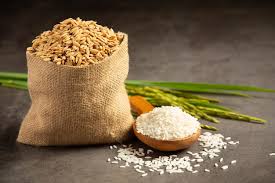
Rice (Oryza sativa) is called shinkafa in hausa, osikapa in Igbo, sisun iresi in Yoruba, Riz in French and arroz rojo in spanish Language. Rice is one of the major staple foods in Nigeria as well as some other parts of the world, consumed across all geopolitical zones and socioeconomic classes.
Rice consumption is increasing rapidly in Nigeria because of the shift in consumer preference towards rice, increasing population growth, increased income levels, and rapid urbanization. It is commonly boiled and eaten with stew or vegetable soup. It is also used in the preparation of several local dishes that are eaten in every home, especially during festivals and ceremonies.
However, rice production falls short of demand; the country depends heavily on rice importation of over 3 million tonnes annually, equivalent to over US$480 million in scarce foreign exchange.
The Nigeria agricultural landscape is changing, with increased government policies aimed at stimulating private sector involvement and boosting local production. The efforts are starting to show results, as Nigeria’s rice production rose from 3.7 million metric tonnes in 2017 to 4.0 million metric tonnes in 2018.
For the record, the major rice producing states in Northern Nigeria are Kebbi, Borno, Kano, and Kaduna. Currently, most of the farmers producing rice rely on traditional technology with low use of improved input technologies. Average rice yields per unit area in the country are low and range between 2.0 and 3.0 t/ha compared to yields of 6‒8 t/ha reported on research plots.
It is important for farmers to adopt improved varieties and have a good knowledge of rice agronomy to increase rice production and productivity in the various states in Nigeria. Emphasis on the promotion of improved rice production technologies gained a fresh momentum following the recent policy of rice import restriction. Also, it warranted a need to equip extension agents with up-to-date information on crop production practices.
Oryza sativa was domesticated from the wild grass Oryza rufipogon roughly 10,000–14,000 years ago. The two main subspecies of rice – indica (prevalent in tropical regions) and japonica (prevalent in the subtropical and temperate regions of East Asia) – are not believed to have been derived from independent domestication events. Another cultivated species, O. glaberrima, was domesticated much later in West Africa.
Recent genetic evidence show that all forms of Asian rice, both indica and japonica, come from a single domestication event that occurred 8,200–13,500 years ago in the Pearl River valley region of China.
In China, extensive archeological evidence points to the middle Yangtze and upper Huai rivers as the two earliest places of O. sativa cultivation in the country. Rice and farming implements dating back at least 8,000 years have been found. Cultivation spread down these rivers over the following 2,000 years.
Read Also: A Step by Step Guide on How to Grow Strawberries
Nutritional Value of Rice
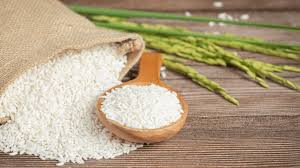
1. Carbohydrates: Rice is a rich source of complex carbohydrates, providing 75-80% starch per grain. These carbs, primarily amylose and amylopectin, offer sustained energy for bodily functions. A single cup of cooked brown rice yields about 45 grams of carbohydrates, ideal for active individuals.
2. Dietary Fiber: Brown rice contains 3.5 grams of fiber per cup, aiding digestion and promoting gut health. Fiber helps regulate bowel movements and prevents constipation. It also supports a healthy microbiome, crucial for nutrient absorption and immune function.
3. Protein: Rice provides about 7% protein, with brown rice offering 5 grams per cup. It contains essential amino acids like lysine, which supports tissue repair and growth. Though not a complete protein, rice complements other protein sources in diets.
4. Vitamin B Complex: Rice, especially brown rice, is a source of B vitamins like thiamine, riboflavin, and niacin. These vitamins, about 10-15% of daily needs per cup, support energy metabolism, nerve function, and red blood cell production.
5. Magnesium: Brown rice provides 86 mg of magnesium per cup, roughly 20% of the daily requirement. Magnesium supports muscle function, bone health, and energy production. It also helps regulate blood pressure and supports cardiovascular health.
6. Phosphorus: A cup of brown rice offers 150 mg of phosphorus, aiding bone development and energy storage. Phosphorus works with calcium to strengthen bones and teeth, making rice a valuable dietary component for skeletal health.
7. Vitamin E: Brown rice contains vitamin E isoforms like tocopherols and tocotrienols, acting as antioxidants. These protect cells from oxidative stress, with one cup providing small but beneficial amounts to support skin and immune health.
8. Gamma-Oryzanol: Found in rice bran, gamma-oryzanol is a potent antioxidant. A tablespoon of rice bran oil contains about 20 mg, helping reduce cholesterol levels and protect against UV damage, enhancing overall cellular health.
9. Phenolic Compounds: Rice, particularly pigmented varieties like black rice, contains phenolic acids like ferulic and caffeic acid. These antioxidants, present in trace amounts, combat free radicals, reducing inflammation and supporting long-term health.
10. Phytic Acid: Brown rice contains phytic acid, about 1-2% of its weight, which binds minerals to aid detoxification. While it may reduce mineral absorption, it also offers antioxidant benefits, supporting cellular protection.
Health Benefits of Rice
1. Supports Heart Health: Brown rice’s fiber, magnesium, and gamma-oryzanol reduce cholesterol levels and improve lipid profiles. Regular consumption lowers the risk of cardiovascular diseases. For example, a study participant reduced LDL cholesterol by 7% after eating brown rice daily for three months.
Usage: Consume 1 cup of cooked brown rice daily as a side dish or in salads to support heart health. Pair with vegetables for added benefits.
2. Aids Digestion: The dietary fiber in brown rice promotes regular bowel movements and prevents constipation. It supports a healthy gut microbiome, reducing digestive disorders. A patient with IBS reported fewer symptoms after incorporating brown rice into their diet for two weeks.
Usage: Eat ½ to 1 cup of brown rice with meals 3-4 times weekly to improve digestion. Ensure adequate water intake to enhance fiber’s effects.
3. Regulates Blood Sugar: Brown rice’s low glycemic index and fiber content help stabilize blood sugar levels, beneficial for diabetes management. A diabetic individual maintained better glucose control after switching to brown rice from white rice over a month.
Usage: Replace white rice with ¾ cup of cooked brown rice per meal, 3-5 times weekly, to manage blood sugar. Avoid adding sugary sauces.
4. Supports Weight Management: The fiber in brown rice promotes satiety, reducing overeating. Its low calorie density aids weight control. A study participant lost 5 pounds over two months by including brown rice in a balanced diet, feeling fuller longer.
Usage: Incorporate ½ cup of cooked brown rice into lunch or dinner daily. Combine with lean proteins and vegetables for a filling meal.
5. Reduces Inflammation: Phenolic compounds and gamma-oryzanol in rice bran have anti-inflammatory properties, reducing chronic inflammation linked to diseases like arthritis. Regular consumption may alleviate joint pain and swelling.
Usage: Use 1 tablespoon of rice bran oil in cooking daily or consume 1 cup of black rice 2-3 times weekly to reduce inflammation.
6. Enhances Skin Health: Rice bran’s antioxidants, like ferulic acid, protect against UV damage and promote even skin tone. Rice extract is used in cosmetics for hydration. A user reported brighter skin after using rice bran oil topically for a month.
Usage: Apply rice bran oil (1-2 teaspoons) to skin nightly or eat ½ cup of black rice 3 times weekly for skin benefits.
7. Boosts Immune Function: Vitamins and antioxidants in brown rice, like vitamin E, strengthen the immune system by fighting oxidative stress. This helps prevent infections and supports overall health.
Usage: Include 1 cup of brown rice in meals 4-5 times weekly. Pair with vitamin C-rich foods like bell peppers to enhance immunity.
8. Promotes Bone Health: Magnesium and phosphorus in rice support bone density and strength. Regular consumption can reduce the risk of osteoporosis, especially in older adults.
Usage: Consume ¾ cup of cooked brown rice 3-4 times weekly, paired with calcium-rich foods like leafy greens for bone health.
9. Supports Mental Health: Germinated brown rice contains GABA, which may reduce stress and improve mood. It’s beneficial for mental well-being, particularly for lactating mothers.
Usage: Eat ½ cup of germinated brown rice 3 times weekly as a side dish or in stir-fries to support mental health.
10. Prevents Oxidative Stress: Pigmented rice varieties, like black rice, are rich in anthocyanins, which combat free radicals, reducing the risk of chronic diseases like cancer.
Usage: Include ½ cup of cooked black rice in meals 2-3 times weekly. Use in salads or as a base for grain bowls.
Read Also: Internal Poultry Diseases and Post Mortem Examination
Scientific Evidence and Case Studies on Rice
1. Brown Rice and Cardiovascular Health: Kazemzadeh et al. (2014) found that brown rice consumption reduced inflammatory markers and cardiovascular risk factors in overweight women. After eight weeks of consuming 150 grams of brown rice daily, participants showed lower LDL cholesterol and improved lipid profiles.
2. Rice Bran and Cholesterol Regulation: Burlando and Cornara (2014) demonstrated that rice bran, rich in gamma-oryzanol, significantly lowers hypercholesterolemia. In clinical trials, 20 mg of gamma-oryzanol daily reduced cholesterol levels by 5-10% over three months, supporting heart health.
3. Pigmented Rice and Antioxidant Activity: Shin et al. (2024) showed that fermentation of black rice bran with Aspergillus species increased phenolic acid content and antioxidant activity. After three days, protocatechuic acid levels rose significantly, enhancing protection against oxidative stress.
4. Red Rice and Hair Growth: A 2022 study found that red rice extract (Sang-Yod) promoted hair growth by inhibiting 5α-reductase. At 1 mg/mL, it increased hair matrix cell proliferation by 216%, outperforming FDA-approved treatments like minoxidil.
Frequently Asked Questions About Rice
1. Is brown rice healthier than white rice?
Brown rice retains its bran layer, offering more fiber, vitamins, and minerals than white rice, which is polished. It supports heart health, digestion, and blood sugar control.
2. Can rice help with weight loss?
Yes, brown rice’s high fiber content promotes satiety, reducing overeating. Consuming ½ cup daily in a balanced diet can aid weight management.
3. Is rice safe for people with celiac disease?
Rice is naturally gluten-free, making it an excellent choice for those with celiac disease or gluten sensitivity.
4. How does black rice benefit health?
Black rice is rich in anthocyanins, antioxidants that reduce inflammation and oxidative stress. It supports heart and skin health when eaten regularly.
5. Can rice cause allergies?
Rice allergies are rare but possible. Some individuals may experience bloating or cramps. Consult a doctor if symptoms occur after consumption.
6. How much rice should I eat daily?
A serving of ½ to 1 cup of cooked rice daily, preferably brown or pigmented varieties, provides nutritional benefits without excessive calories.
7. Does rice bran oil have health benefits?
Yes, rice bran oil contains gamma-oryzanol, which lowers cholesterol and protects against UV damage. Use 1-2 tablespoons in cooking daily.
8. Can rice improve skin health?
Rice bran and extracts, rich in ferulic acid, hydrate and brighten skin. Apply rice bran oil topically or consume black rice regularly.
Do you have any questions, suggestions, or contributions? If so, please feel free to use the comment box below to share your thoughts. We also encourage you to kindly share this information with others who might benefit from it. Since we can’t reach everyone at once, we truly appreciate your help in spreading the word. Thank you very much for your support and for sharing!
Disclaimer: This article is for educational and informational purposes only. The health benefits described are based on scientific research and traditional knowledge. They are not a substitute for professional medical advice, diagnosis, or treatment. Always consult a healthcare professional before using any herb or natural remedy for medical purposes.
Read Also: How to Prepare Plantain Suckers for Planting