


Agriculture is more than just growing crops and raising animals. It is a critical part of our lives, providing the essentials that we need to survive and thrive.
Without agriculture, there would be no food on our tables, no raw materials for industries, and no foundation for economic stability in many regions. It is also deeply embedded in our cultures and traditions, shaping how we live and interact with the world around us.
As we move into the future, understanding the importance of agriculture and how it affects every aspect of society becomes increasingly vital.
Foundation of Food Supply
The most obvious and fundamental role of agriculture is to provide food. Agriculture ensures that societies have the necessary resources to feed their populations. This role is vital not only for survival but also for overall health and well-being.
1. Production of Food: Agriculture is responsible for growing the crops and raising the animals that feed billions of people around the world. It produces the fruits, vegetables, grains, and meat that are staples in our diets. Without a reliable agricultural system, food shortages could lead to malnutrition and starvation.
2. Food Security: Food security refers to having consistent access to sufficient, safe, and nutritious food. Modern agricultural practices, such as precision farming and sustainable agriculture, help ensure that food production keeps pace with the growing global population. These practices aim to maximize yields while minimizing waste, ensuring that food is available to everyone, even in times of crisis.
3. Global Trade: Agriculture also plays a key role in global trade. Countries that produce surplus food export it to regions that are less agriculturally productive. This trade is essential for balancing global food supplies and ensuring that people in all parts of the world have access to the food they need.
Economic Growth and Development

Agriculture is a major driver of economic growth, particularly in developing countries. It provides income, stimulates industries, and supports national economies.
1. Contribution to GDP: In many countries, agriculture is a significant contributor to the Gross Domestic Product (GDP). The sale of crops, livestock, and related products generates revenue that boosts the economy. As agricultural productivity increases, it can lead to greater economic development and improved standards of living.
2. Industrial Growth: Agriculture provides raw materials for various industries, including food processing, textiles, and pharmaceuticals. For example, cotton from agriculture is essential for the textile industry, and grains are crucial for producing food products. The growth of these industries is often tied to the success of the agricultural sector.
3. Export Earnings: Many countries rely on agricultural exports as a major source of income. Crops like coffee, tea, cocoa, and spices are exported worldwide, bringing in valuable foreign exchange. This income is vital for funding national development projects and improving infrastructure.
4. Investment and Innovation: Agriculture also drives investment and innovation. As the agricultural sector grows, it attracts investment in new technologies, research, and infrastructure. Innovations in farming practices, machinery, and biotechnology can lead to increased productivity and sustainability, further boosting economic growth.
Employment Opportunities
Agriculture is one of the largest employers in the world, providing jobs for billions of people. It offers a wide range of employment opportunities, from farming and processing to research and marketing.
1. Farming Jobs: The most direct form of employment in agriculture is farming itself. This includes planting, tending, and harvesting crops, as well as raising livestock. Farming is labor-intensive and requires a large workforce, particularly in regions where mechanization is limited.
2. Agricultural Industries: Beyond farming, agriculture supports a variety of related industries. These include food processing, packaging, distribution, and retail. Jobs in these sectors are vital for getting agricultural products from farms to consumers.
3. Research and Development: Agriculture also provides employment in research and development. Scientists and researchers work to improve crop yields, develop pest-resistant plants, and find sustainable farming methods. Their work is essential for advancing agricultural practices and ensuring long-term food security.
4. Education and Extension Services: Agricultural education and extension services play a crucial role in training the next generation of farmers and agricultural professionals. These services provide knowledge and resources to help farmers improve their practices and adopt new technologies.
Read Also: Trichomoniasis: Description, Damages Caused, Control and Preventive Measures
Environmental Sustainability

As the global population grows, the demand for food increases, putting pressure on natural resources. Modern agricultural practices are increasingly focused on sustainability, aiming to produce food in ways that protect and preserve the environment.
1. Sustainable Farming Practices: Sustainable agriculture involves using farming methods that protect the environment, conserve resources, and maintain biodiversity. This includes practices like crop rotation, conservation tillage, and organic farming. These methods help maintain soil health, reduce water usage, and minimize the impact of farming on ecosystems.
2. Reducing Environmental Impact: Agriculture can have a significant impact on the environment, including deforestation, soil erosion, and water pollution. Modern practices aim to reduce this impact by using more efficient irrigation systems, minimizing the use of chemical fertilizers and pesticides, and adopting precision farming techniques.
3. Climate Change Mitigation: Agriculture is both a contributor to and a victim of climate change. On the one hand, farming activities can release greenhouse gases, contributing to global warming. On the other hand, climate change can affect crop yields and food security. Sustainable agricultural practices, such as agroforestry and carbon farming, can help mitigate climate change by sequestering carbon and reducing emissions.
4. Conservation of Biodiversity: Agriculture plays a key role in conserving biodiversity. By preserving natural habitats, practicing crop diversity, and avoiding the overuse of chemical inputs, agriculture can help protect the variety of species that are essential for healthy ecosystems.
Cultural Significance
Agriculture is deeply intertwined with cultural traditions and practices around the world. It influences the way people live, eat, and celebrate.
1. Traditional Practices: In many cultures, agricultural practices are passed down through generations. These traditional methods are often adapted to local environments and are an important part of cultural identity. For example, rice cultivation in Asia is not only an agricultural practice but also a significant cultural and religious activity.
2. Food and Cuisine: Agriculture is the foundation of regional cuisines. The types of crops grown and the methods used to prepare them shape the food traditions of different cultures. For instance, the Mediterranean diet is based on the crops grown in that region, such as olives, wheat, and grapes.
3. Festivals and Celebrations: Many cultures have festivals and celebrations that are tied to agricultural cycles, such as harvest festivals. These events are not only a way to celebrate the bounty of the land but also to bring communities together and reinforce cultural values.
4. Agricultural Heritage: Agriculture also contributes to cultural heritage through the preservation of traditional farming techniques, heirloom seeds, and heritage breeds of livestock. These elements are part of the cultural landscape and are important for maintaining a connection to the past.
Read Also: Aspergillosis: Description, Damages Caused, Control and Preventive Measures
Rural Development and Stability
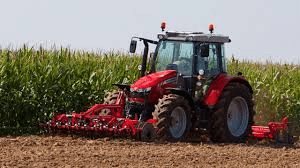
Rural development plays a crucial role in the overall progress of a nation. It involves improving the quality of life and economic well-being of people living in rural areas, where agriculture is often the primary occupation. A strong agricultural sector contributes significantly to rural development, fostering stability and reducing poverty.
1. Infrastructure Development: Agriculture drives the need for better infrastructure in rural areas, including roads, irrigation systems, and storage facilities. Improved infrastructure enhances productivity by providing farmers with better access to markets, resources, and services. For instance, well-maintained roads allow farmers to transport their produce to markets more efficiently, reducing post-harvest losses and increasing their income.
2. Education and Health: Rural development also involves improving education and healthcare facilities. With a thriving agricultural sector, rural areas can generate more income, which can be invested in building schools, clinics, and hospitals. Educated farmers are more likely to adopt modern farming techniques, leading to higher productivity. Similarly, better healthcare ensures a healthy workforce, which is essential for sustained agricultural activity.
3. Social Stability: A stable agricultural economy helps reduce migration from rural to urban areas. When people have access to decent livelihoods in their villages, they are less likely to move to cities in search of work. This stability is vital for maintaining the social fabric of rural communities and preventing overcrowding in urban areas.
4. Poverty Alleviation: Agriculture is a significant source of employment in rural areas. By providing jobs and generating income, it helps lift people out of poverty. When farmers earn a stable income, they can afford better living conditions, education, and healthcare, which contributes to the overall development of rural areas.
Raw Materials for Industries
Agriculture provides essential raw materials for various industries, making it a critical part of the industrial sector. These materials are the foundation of many products we use daily and contribute to the growth and development of industries.
1. Food Processing Industry: The food processing industry relies heavily on agricultural products like grains, fruits, vegetables, and livestock. These raw materials are transformed into processed foods, beverages, and other consumable goods. For example, wheat is processed into flour, which is then used to make bread, pasta, and other staple foods. A steady supply of agricultural products is crucial for the continuous operation of these industries.
2. Textile Industry: The textile industry depends on agricultural raw materials like cotton, wool, and silk. Cotton, one of the most widely used fibers, is grown in large quantities worldwide. It is processed into fabric, which is then used to make clothing, household items, and industrial products. Similarly, wool from sheep is used to produce warm clothing and textiles, while silk is valued for its luxurious feel.
3. Biofuels and Energy: Agriculture also provides raw materials for biofuels, which are renewable sources of energy. Crops like corn, sugarcane, and soybeans are used to produce ethanol and biodiesel. These biofuels are an alternative to fossil fuels, helping reduce greenhouse gas emissions and dependence on non-renewable energy sources.
4. Pharmaceuticals and Cosmetics: Many agricultural products are used in the pharmaceutical and cosmetics industries. Plants like aloe vera, chamomile, and lavender are used to make skincare products, while others like opium poppy and cinchona are used to produce medicines. These industries rely on a consistent supply of high-quality raw materials from agriculture to create their products.
Contribution to National Income

Agriculture is a major contributor to the national income of many countries, particularly in developing nations where it forms the backbone of the economy. The revenue generated from agricultural activities supports national development and provides the government with the funds needed for public services and infrastructure.
1. Gross Domestic Product (GDP): In many countries, especially those with large rural populations, agriculture contributes a significant portion of the Gross Domestic Product (GDP). The GDP is a measure of the economic performance of a country, and a strong agricultural sector can positively impact the overall economy. For instance, countries like India and Brazil have large agricultural sectors that play a key role in their economies.
2. Export Earnings: Agriculture is a major source of export earnings for many countries. Crops like coffee, tea, cocoa, and spices are in high demand globally, and exporting these products brings in valuable foreign exchange. This income helps balance trade deficits and supports national development projects. Countries like Kenya, Ethiopia, and Vietnam rely heavily on agricultural exports to boost their economies.
3. Tax Revenue: Governments collect taxes from the agricultural sector in the form of income tax, land tax, and export duties. This revenue is essential for funding public services such as education, healthcare, and infrastructure development. A prosperous agricultural sector leads to higher tax revenues, which can be reinvested in the economy.
4. Investment and Growth: A thriving agricultural sector attracts both domestic and foreign investment. Investors are drawn to the potential for high returns in agriculture, particularly in areas like agribusiness, food processing, and export-oriented farming. This investment leads to economic growth, job creation, and technological advancement in the sector.
Food Security and Nutrition
Food security and nutrition are critical issues that agriculture directly addresses. Ensuring that people have access to sufficient, safe, and nutritious food is essential for maintaining a healthy population and achieving sustainable development.
1. Availability of Food: Agriculture is the primary source of food production. It ensures that there is enough food to meet the needs of the population. Without a robust agricultural sector, food shortages could lead to hunger, malnutrition, and social unrest. Modern agricultural practices, such as precision farming and sustainable agriculture, help maximize food production and ensure a stable food supply.
2. Access to Nutritious Food: Agriculture plays a crucial role in providing a diverse range of foods that are rich in essential nutrients. Fruits, vegetables, grains, and animal products supply the vitamins, minerals, and proteins needed for a balanced diet. Ensuring access to nutritious food is vital for preventing malnutrition and promoting overall health.
3. Food Security: Food security involves not only the availability of food but also the ability of people to access it. Agriculture supports food security by creating jobs and generating income, which allows people to buy the food they need. Additionally, agricultural policies and programs, such as food subsidies and school feeding programs, help improve access to food for vulnerable populations.
4. Sustainable Agriculture: Sustainable agricultural practices are essential for ensuring long-term food security. These practices include crop rotation, conservation tillage, and organic farming, which help maintain soil fertility and reduce the environmental impact of farming. By adopting sustainable methods, agriculture can continue to produce food for future generations without depleting natural resources.
Impact on Global Trade
Agriculture has a significant impact on global trade, influencing economies, trade policies, and international relations. The exchange of agricultural products between countries is essential for balancing food supplies, supporting economies, and fostering international cooperation.
1. Agricultural Exports: Many countries rely on agricultural exports as a major source of income. Products like rice, wheat, soybeans, and coffee are traded globally, with some countries being major exporters while others are major importers. For example, the United States, Brazil, and Argentina are among the world’s largest exporters of soybeans. Exporting agricultural products helps countries earn foreign exchange, which is vital for economic development.
2. Trade Balance: The trade balance of a country is the difference between its exports and imports. Agriculture plays a crucial role in maintaining a positive trade balance. Countries that export more agricultural products than they import have a trade surplus, which strengthens their economy. Conversely, countries that rely heavily on agricultural imports may experience trade deficits.
3. Global Food Supply: Agricultural trade is essential for ensuring a stable global food supply. Different regions of the world specialize in producing different types of food based on their climate and resources. Through trade, countries can access a variety of foods that they cannot produce locally. For instance, tropical fruits grown in South America are exported to temperate regions, while wheat produced in North America is exported to countries with less arable land.
4. Trade Policies and Agreements: International trade in agricultural products is governed by trade policies and agreements, such as tariffs, quotas, and trade partnerships. These policies can influence the flow of agricultural goods between countries. For example, trade agreements like the North American Free Trade Agreement (NAFTA) and the European Union’s Common Agricultural Policy (CAP) have a significant impact on agricultural trade in those regions.
Conclusion
Agriculture is a vital part of human society, with far-reaching impacts on rural development, industry, national income, food security, and global trade. It provides the raw materials for various industries, supports economic growth, and ensures that people have access to nutritious food. The stability and prosperity of rural areas depend heavily on a strong agricultural sector, which also plays a crucial role in alleviating poverty and reducing inequality. Additionally, agriculture’s contribution to national income and its impact on global trade highlight its importance in the global economy.
As we move forward, it is essential to continue supporting and improving agricultural practices to ensure that they meet the needs of a growing population while protecting the environment. Sustainable agriculture, investment in rural development, and fair trade policies are crucial for achieving long-term food security and economic stability. By understanding and appreciating the importance of agriculture, we can work towards a future where everyone has access to the food and resources they need to thrive.
Read Also: Complete Composting Guide for Beginners
Frequently Asked Questions
We will update this section soon.