


Antibiotics are an important tool in poultry health management, but they are also one of the most misused. Understanding what antibiotics are for, when to use them, and how to use them correctly is essential for any farmer who wants to protect their flock and run a sustainable operation.
The first thing to understand is that antibiotics are not general health supplements. They are targeted treatments for specific bacterial diseases. They should only be used when a bacterial infection is present or when a qualified vet advises their use for prevention in specific circumstances. Using antibiotics routinely without cause is one of the main drivers of antibiotic resistance, which eventually renders those drugs ineffective when you actually need them.
Another critical point is that the same antibiotic should not be repeated in subsequent treatment cycles. If you treat your birds with a particular antibiotic and the birds recover, do not use the same drug the next time treatment is needed. Repeated exposure to the same antibiotic accelerates resistance. Always work with a vet or qualified expert who can guide you on which drug to use, at what dose, and for how long.
Read Also: Best Source of Water for Poultry Birds
1. Why Antibiotics Matter in Poultry Farming
Chickens, especially those raised in close quarters, are susceptible to bacterial infections that spread rapidly through a flock. Without treatment, these infections cause suffering, reduce productivity, increase mortality, and drive up costs. Antibiotics used correctly address all of these risks. Here is why they matter:
i. Disease prevention: In high-risk situations, antibiotics help prevent bacterial outbreaks before they take hold. This is not routine use. It is targeted prevention based on known risk, always guided by a vet.
ii. Treatment of bacterial infections: Conditions like respiratory infections, enteritis, and other bacterial illnesses require prompt antibiotic treatment. Getting this right quickly reduces suffering and limits the spread of infection through the flock.
iii. Supporting growth and productivity: Sick birds do not grow well and do not lay well. Treating bacterial infections frees the bird’s energy for growth and production rather than fighting disease.
iv. Economic sustainability: Healthy birds mean lower mortality, lower treatment costs, and better feed conversion. Responsible antibiotic use is an investment in the long-term profitability of the farm.
v. Food safety: Treating and preventing bacterial infections in birds reduces the risk of harmful bacteria reaching consumers through poultry products. This is a farm-to-table responsibility.
Read Also: Poultry internal Diseases and Post Mortem Examination
2. Three Main Reasons Antibiotics Are Given to Chickens
Antibiotic resistance is a real and serious concern in both human and animal medicine. Understanding exactly why antibiotics are used in poultry helps farmers make informed, responsible decisions.
A. Antibiotics Keep Chickens Healthy and Food Safe
Antibiotics help reduce the bacterial load in sick birds and prevent bacteria from entering the food supply. Before any antibiotic is approved for use in poultry, regulators require extensive studies to confirm it is both effective and safe. This includes determining how long the drug takes to clear the animal’s system.
This is where the withdrawal period matters. By law, birds treated with antibiotics cannot be processed for food until the withdrawal period has ended and the antibiotic has fully left the body. This is verified through routine testing of poultry meat before it leaves the processing facility. The common concern that consumers are eating antibiotics when they eat poultry meat is addressed directly by these safeguards. When withdrawal periods are respected, no unsafe residues remain in the meat.
B. Antibiotics Prevent Animal Suffering
Bacterial infections are painful. Birds suffering from untreated respiratory infections, gut infections, or other bacterial conditions experience real distress. When a veterinarian can diagnose and treat the illness with antibiotics, doing so is the ethical response. Allowing birds to suffer when effective treatment exists is not responsible farming.
Veterinarians play a central role here. Just as medical doctors work to prescribe antibiotics carefully in human medicine to reduce resistance, veterinary doctors apply the same principle to animal health. Their oversight ensures the right drug is used at the right dose for the right condition.
Read Also: The Diseases Poultry Birds can get from Feeds
C. Antibiotics Support Sustainable Production
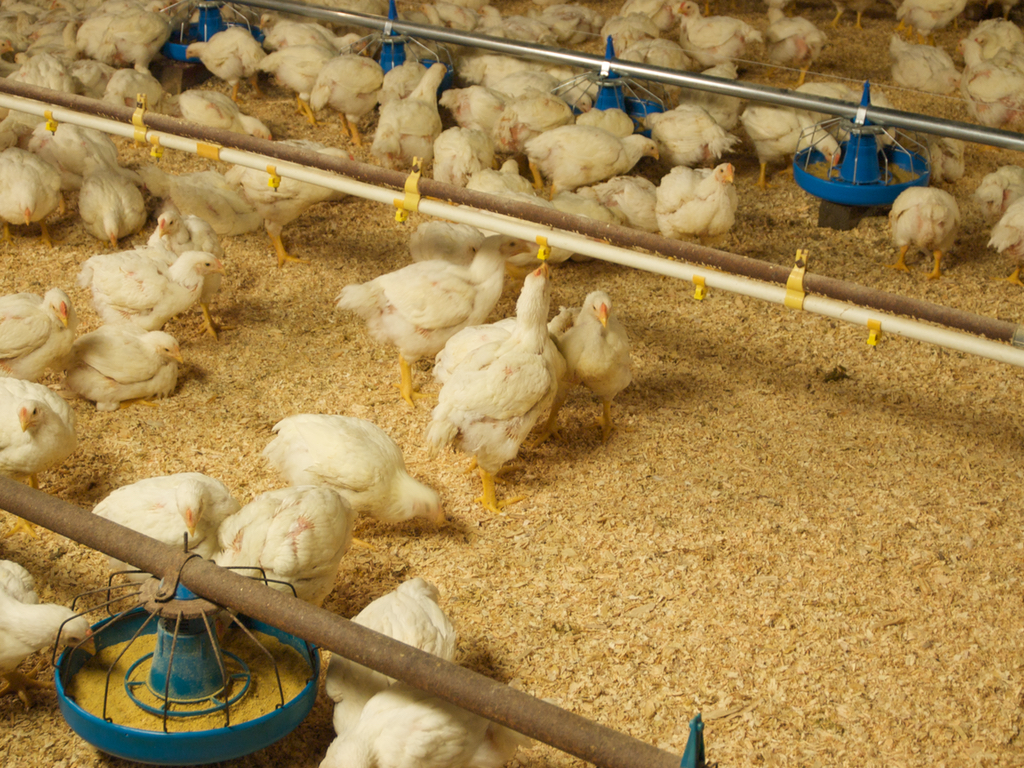
Sick birds are inefficient birds. When chickens are ill, they grow more slowly and consume more feed and water to produce the same output. This means more grain must be grown, requiring more fertilizer, water, and land. The environmental footprint of sick birds is higher than that of healthy ones. Treating illness with antibiotics when appropriate keeps birds healthy, reduces resource consumption, and supports more sustainable production overall.
A practical example is coccidiosis, one of the most damaging intestinal diseases in poultry. It disrupts the gut environment and prevents birds from absorbing nutrients properly. Left untreated, it leads to secondary bacterial infections, significant suffering, and death. A class of antibiotics called ionophores, along with non-antibiotic coccidiostats, are used to prevent this disease. These drugs are not used in human medicine, which means their use in poultry does not contribute to resistance in drugs that are critical for treating people.
3. Responsible Antibiotic Use: What Every Farmer Must Know

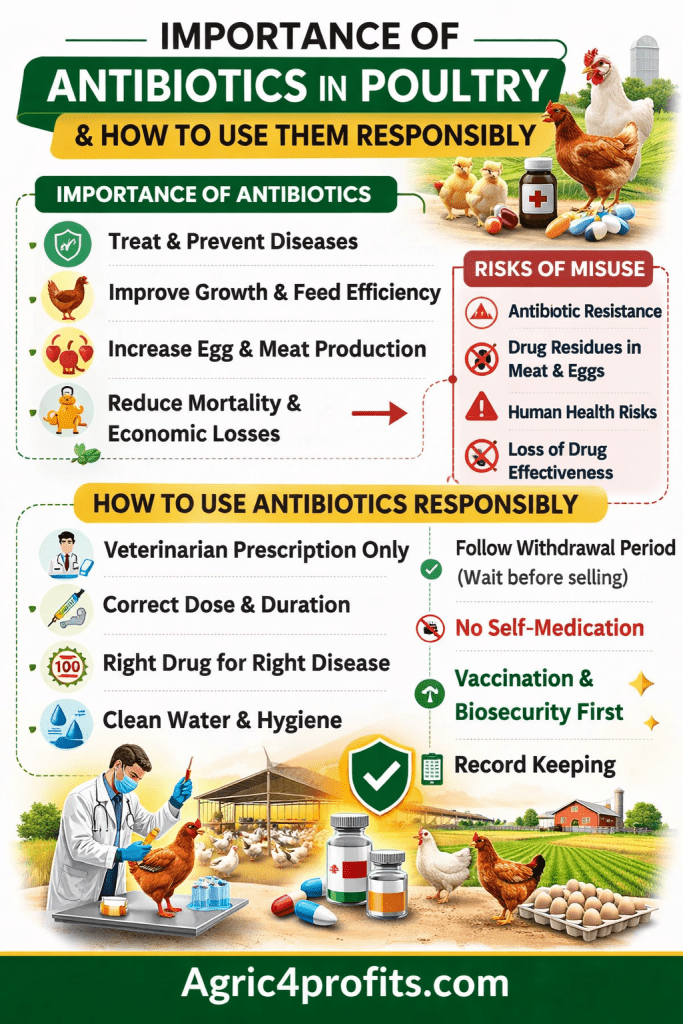
Using antibiotics responsibly is not optional. It is what separates a farmer who is building a sustainable operation from one who is borrowing time at the expense of future effectiveness. Here are the key rules to follow:
i. Only use antibiotics when necessary: Do not administer antibiotics as a routine practice. Use them when a bacterial infection is confirmed or when a vet advises preventive use in specific high-risk situations.
ii. Never repeat the same antibiotic: If you used a specific drug to treat your birds and need to treat again in future, use a different antibiotic. Rotating drugs slows the development of resistance.
iii. Always work with a vet: A qualified veterinarian knows which bacterial strains are prevalent in your area, which drugs are most effective against them, the correct dosage, and the required withdrawal period. Do not guess at any of these.
iv. Respect withdrawal periods: Never send birds for slaughter before the withdrawal period for any antibiotic used has fully passed. This protects consumers and is a legal requirement.
v. Keep records: Document every antibiotic treatment, including the drug used, the dose, the dates, and the withdrawal period. Good records protect you and make it easier to rotate drugs correctly over time.
Summary on Importance of Antibiotics in Poultry and How to Use Them Responsibly
| Topic | Key Points |
|---|---|
| What Antibiotics Are For | Targeted treatment or prevention of bacterial infections. Not general supplements or routine additives. |
| When to Use | Only when a bacterial disease is present or when a vet advises preventive use. |
| Rotating Antibiotics | Never repeat the same antibiotic in subsequent treatment cycles. Rotation reduces resistance. |
| Vet Guidance | Always administer under veterinary supervision. Vets know the right drug, dose, and timing. |
| Withdrawal Period | Birds cannot be processed for food until the antibiotic has fully cleared their system. Verify before slaughter. |
| Food Safety | Regulatory safeguards including withdrawal periods and residue testing protect consumers from antibiotic residues in meat. |
| Animal Welfare | Treating sick birds with antibiotics prevents unnecessary suffering and is an ethical responsibility. |
| Sustainability | Healthy birds use fewer resources. Treating illness reduces environmental impact and improves feed efficiency. |
| Coccidiosis and Ionophores | Ionophores prevent coccidiosis without impacting drugs used in human medicine. A good example of targeted, responsible use. |
Frequently Asked Questions About Importance of Antibiotics in Poultry
1. Should I give my birds antibiotics routinely to keep them healthy?
No. Antibiotics should only be given when a bacterial infection is present or when a vet specifically recommends preventive use in a high-risk situation. Routine use without cause accelerates resistance, which makes antibiotics less effective when you genuinely need them.
2. Can I use the same antibiotic every time my birds get sick?
No. Using the same antibiotic repeatedly allows bacteria to develop resistance to it, eventually making it useless. When treatment is needed again after a previous course, use a different antibiotic. Your vet can advise on appropriate rotation.
3. What is an antibiotic withdrawal period?
A withdrawal period is the minimum time that must pass after an antibiotic is administered before the bird can be safely processed for food. During this time, the drug clears the animal’s body. Sending birds to slaughter before the withdrawal period ends risks antibiotic residues in the meat, which is both illegal and a food safety risk.
4. Is it safe to eat chicken that has been treated with antibiotics?
Yes, when withdrawal periods are respected. Before a bird is processed, the antibiotic must have fully cleared its system. Regulatory testing at processing facilities verifies this. The common concern about eating antibiotic residues in meat is addressed by these mandatory safeguards.
5. What is the role of a vet in antibiotic use on poultry farms?
A vet diagnoses the specific bacterial condition present, identifies which drug is most effective against it, prescribes the correct dose and duration, advises on the withdrawal period, and helps you build a rotation strategy to avoid resistance. Administering antibiotics without veterinary guidance increases the risk of wrong diagnosis, incorrect dosing, and accelerated resistance.
6. What is coccidiosis and how do antibiotics help prevent it?
Coccidiosis is a serious intestinal disease caused by microscopic protozoa called coccidia. It disrupts the gut and prevents nutrient absorption, leading to secondary bacterial infections, suffering, and death. A class of antibiotics called ionophores, along with non-antibiotic coccidiostats, are used to prevent it. Importantly, ionophores are not used in human medicine, so their use in poultry does not affect drugs critical for treating people.
7. How does treating sick birds support environmental sustainability?
Sick birds grow slowly and require more feed and water to produce the same output as healthy birds. This increases grain demand, which requires more land, water, and fertilizer to produce. Treating illness effectively with antibiotics keeps birds healthy and productive, reducing the resources needed per unit of output and lowering the overall environmental impact of the farm.
8. Can antibiotics be used in poultry for growth promotion?
This practice has been significantly restricted or banned in many countries. Antibiotics that are important to human medicine are now only permitted for disease treatment, prevention, and control in animals, not for promoting growth. This shift came as a result of collaboration between the animal health community, farmers, and veterinarians to protect the long-term effectiveness of medically important drugs.
9. What records should I keep when using antibiotics on my flock?
Keep a written record of every antibiotic treatment that includes the name of the drug used, the dose administered, the dates of treatment, the reason for treatment, and the withdrawal period. These records help you rotate drugs correctly, demonstrate compliance with regulations, and provide useful information to your vet for future treatment decisions.
10. What happens if antibiotics are overused on a poultry farm?
Overuse accelerates antibiotic resistance. Bacteria exposed repeatedly to the same drug develop mechanisms to survive it, eventually making that antibiotic ineffective. Once resistance develops, it can spread to other bacteria including those that cause disease in humans. Overuse also increases production costs, risks food safety through residues if withdrawal periods are not respected, and undermines the long-term health management of the flock.
Do you have any questions, suggestions, or contributions? If so, please feel free to use the comment box below to share your thoughts. We also encourage you to kindly share this information with others who might benefit from it. Since we can’t reach everyone at once, we truly appreciate your help in spreading the word. Thank you very much for your support and for sharing!
Read Also: Chicken Brooder House – Complete Chicks Brooding Care Guide