


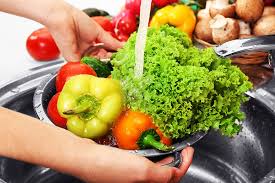
It is of utmost importance that everyone who handles food, or works in a place where food is handled, knows that food must be both clean and safe. Hygiene is the study of health and the prevention of disease. Because of the dangers of food poisoning, hygiene requires particular attention from everyone in the catering industry.
There are germs everywhere, particularly in and on our bodies. Some of these germs, if transmitted or transferred to food, can cause illness and, in some cases, death. These germs are so small that they cannot be seen by the naked eye.
Yet food which looks clean and does not smell or taste bad may be dangerous to eat if harmful germs have contaminated it and multiplied. The duty of every person concerned with food is to prevent contamination of food by germs and to prevent these germs or bacteria from multiplying.
Food handlers must know the Food Hygiene Regulations, but no matter how much is written or read about food hygiene, the practice of hygienic habits by people who handle food is the only way to ensure safe food.
Read Also: Jersey Cow: Grooming and Care Guide
Understanding Food Poisoning
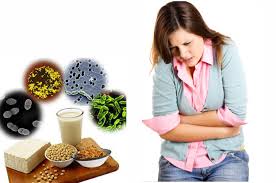
More than forty thousand people each year have been found by doctors to be suffering from food poisoning in this country. This is the average number of notified cases for the last ten years, and there are thousands more who have not notified their doctor but have suffered from food poisoning.
This appalling ill-health from food poisoning can be prevented. Sometimes, failure to prevent food poisoning may be due to ignorance of the rules of hygiene. It may also result from carelessness, thoughtlessness, or utter neglect.
Accidents and poor standards of equipment or facilities to maintain hygienic standards are also contributory factors to our inability to prevent food poisoning.
Generally speaking, food poisoning can be prevented in the following ways:
- Maintaining high standards of personal hygiene
- Paying attention to physical fitness
- Maintaining good working conditions
- Maintaining equipment in good repair and in clean condition
- Adequate provision of cleaning facilities and cleaning equipment
- Correct storage of foodstuffs at the right temperature
- Correct reheating of food
- Quick cooling of food prior to storage
- Prevention of food from vermin and insects
- Hygienic washing-up procedure
- Food handlers knowing how food poisoning is caused
- Food handlers not only knowing but carrying out procedures to prevent food poisoning
Read Also: The Appearance and Features of Goats
Causes of Food Poisoning

Food poisoning results when harmful foods are eaten. They may be harmful because:
- Chemicals have entered food accidentally during the preparation or cooking of the food.
- Germs have entered the food from humans, animals, or other sources, and the bacteria themselves, or the toxins (poisons) produced in the food by certain bacteria, have caused the food to be harmful.
By far, the greatest number of cases of food poisoning is caused by harmful bacteria.
Chemical Food Poisoning
Certain chemicals may accidentally enter food and cause food poisoning. For example, arsenic is used to spray fruit during growth, and occasionally fruit has been affected by this poison. Lead poisoning can occur from using water that has been in contact with lead pipes and then drunk or used for cooking.
Copper pans should be correctly tinned and never used for storing foods, particularly acidic food, as the food could dissolve harmful amounts of copper.
Certain plants are poisonous, for example, poisonous mushrooms or fungi. Rhubarb leaves and the parts of potatoes exposed to the sun above the surface of the soil are also poisonous.
Preventing Chemical Food Poisoning
Chemical food poisoning can be prevented by using correctly maintained and suitable kitchen utensils, obtaining foodstuffs from reliable sources, and exercising care in the use of rat poison.
Bacteria and Food Poisoning
Bacteria are minute, single-celled organisms that can only be seen under a microscope. They are everywhere in our surroundings, and as most bacteria cannot move by themselves, they are transferred to something by coming into direct contact with it.
Some bacteria form spores that can withstand high temperatures for long periods of time and, upon return to favorable conditions, become normal bacteria again, which then multiply.
Some bacteria produce toxins outside their bodies that mix with food; the food itself then becomes poisonous, and symptoms of food poisoning follow within a few hours.
Other bacteria cause food poisoning by virtue of large numbers of bacteria in food entering the digestive system, multiplying further, and setting up an infection.
Certain bacteria produce toxins that are resistant to heat; foods in which this toxin has been produced may still cause illness, even though the food is heated to boiling point and boiled for half an hour.
Do you have any questions, suggestions, or contributions? If so, please feel free to use the comment box below to share your thoughts. We also encourage you to kindly share this information with others who might benefit from it. Since we can’t reach everyone at once, we truly appreciate your help in spreading the word. Thank you so much for your support and for sharing!