


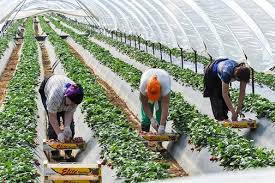
It has become very necessary to stay as hygienic as possible due to the kind of health risks that are posed to the human race today. In fact, most new-world diseases like bird flu and swine flu have been attributed to lack of hygiene, and if this issue of lack of hygiene is tackled seriously today, it will impact positively on the generation after us.
Hygienic practices are essential, and failure to exercise sound hygienic principles could result in ill health. It is very important to have a healthy, positive attitude and to practice high standards of hygiene, which should not be restricted to our bodies alone but should be practiced and maintained in the handling of food and in our surroundings as well.
Maintaining Personal Hygiene
Personal hygiene is about keeping the body clean and healthy. It prevents illness, as staying clean helps fight disease-causing germs. Good personal hygiene keeps co-workers healthy, since bacteria are spread easily from one person to another or from a person to food through personal contact.
Personal hygiene reduces the chances of getting skin problems like dermatitis; it also makes the work site more pleasant for everyone, including co-workers, visitors, or customers.
Self-respect is necessary in every food handler because pride in one’s appearance promotes a high standard of cleanliness and physical fitness.
Persons suffering from ill health or who are not clean about themselves should not handle food. Good personal hygiene entails:
- Regular bathing at least once a day.
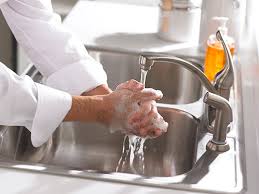
- Frequent washing of hands, particularly after using the toilet, before commencing work, and during the handling of food.
- Keeping fingernails clean and short.
- Keeping the hair clean and covered when and where food is handled.
- Not touching the nose when food is being handled, and if a handkerchief is used, preferably a paper handkerchief, it should be thrown away, and the hands should be washed afterwards.
- Taking good care of the feet by washing them regularly. Food handlers, due to the nature of their job, tend to stand for many hours, and tired feet can cause general tiredness, which results in a lowering of the standards of hygiene.
- Not coughing over food and working areas, as germs are spread long distances if not trapped in a handkerchief.
- Keeping the teeth clean, as they are essential to good health. Regular visits should be made to the dentist to keep the teeth in good repair.
- Keeping all cuts, burns, scratches, and similar openings of the skin covered with a waterproof dressing.
- Using cosmetics in moderation and washing the hands well after application.
- Not smoking where there is food or when handling food because when a cigarette is taken from the mouth, germs from the mouth can be transferred to the fingers and then to food; also, ash on food is most objectionable.
- Wearing clean whites (protective clothing) and clean underclothes at all times. Dirty clothes enable germs to multiply, and if dirty clothing comes in contact with food, the food may be contaminated.
Read Also: Cold Weather Poultry Diseases and How to Manage them
Benefits of Maintaining Personal Hygiene

Maintaining personal hygiene is necessary for many reasons, including personal, social, health, and psychological reasons or as a way of life. Essentially, keeping a good standard of hygiene helps to prevent the development and spread of bad odors, illnesses, and diseases.
1. Personal Reasons for Hygiene
Many people, women in particular, are very conscious of their hygiene needs and practices. This can result from being taught the importance at an early age, from being picked on at school for head lice or similar cases, or as a way of making themselves more attractive to the opposite sex.
Self-esteem, confidence, and motivation can all be altered by body image, often reflected in the ability to care for oneself and keep good hygiene practices.
A bright white smile with clean and healthy teeth can endear people to us, while the opposite can cause embarrassment and alter the sense of well-being. Healthy hair, skin, and nails are signs of a good, well-balanced diet and can give confidence in everyday life.
2. Social Reasons for Hygiene
Most people hate to be talked about, especially in a negative manner. By ensuring that the body is clean and well-presented, one is more assured of projecting a positive image that reflects one’s personality. Children should be taught the importance of hygiene and how to achieve good hygiene very early to keep themselves and others healthy and to reduce the risk of being bullied at school.
3. Health Reasons for Hygiene
If a person is due to go into a hospital, sometimes that person becomes very aware of their hygiene. The thought of being vulnerable and exposed to strangers can cause the person to become very strict about their hygiene needs.
If a person has cut themselves, the wound should be cleaned and dressed suitably; this can help reduce the risk of infection and pain. Conditions such as head lice, athlete’s foot, etc., should be treated immediately.
Hand washing cannot be overemphasized, as this simple action can prevent a plethora of illnesses and disorders from developing. Many people forget to wash their hands after using the toilet or before handling foods; this can cause a great deal of illness and even death.
4. Psychological Benefits of Hygiene
By being well-presented, clean, and tidy, people can feel more confident, especially in social situations. Many job interviews and similar situations are highly dependent on hygiene, as many decisions are made by first impressions within the first few minutes of meeting; these decisions are often made subconsciously.
The chances of succeeding in work, social settings, or even with the opposite sex can be altered by the maintenance of hygiene. Maintaining hygiene practices helps to reduce the risks of ill health, but equally important, affects how one and others perceive oneself and can influence levels of confidence and self-esteem, which can affect many aspects of life.
Ensuring Kitchen Hygiene
Kitchen hygiene is all about keeping the kitchen clean and free of things that carry bacteria and germs. It is a common saying that “cleanliness is next to godliness.” This saying applies to all aspects of our lives and most especially the kitchen, where food is prepared for consumption.
Common breeding grounds for bacteria are kitchen towels, dish rags and brushes, cutting boards, kitchen sinks, doors, drawers, and refrigerator handles. Neglect in the care and cleaning of any part of the premises and equipment could lead to a risk of food infection.
Kitchen hygiene is of very great importance to:
- Those who work in the kitchen, because clean working conditions are more agreeable to work in than dirty conditions.
- The owners of businesses, because patronage would increase when the public knows the kitchen is clean.
- The customer, because no one would want to eat food prepared in a dirty kitchen.
(Refer to Article 3, Kitchen Hygiene, for more notes on the importance of kitchen hygiene.)
Upholding Food Hygiene Standards
The most delicious food, into which has gone all the skill and art of the world’s best chefs, using the finest possible ingredients, may look, taste, and smell superb, and yet be unsafe to eat because of harmful bacteria.
Good hygiene is not just for restaurants to worry about; whether one is a budding chef or more at home with microwave meals, it is important to know how to prepare food safely and hygienically.
Hygiene is the study of health and the prevention of disease, and because of the dangers of food poisoning, it is of utmost importance that everyone who handles food or works in the catering industry should know that food must be both clean and safe.
Germs are everywhere, particularly in and on our bodies, and some of these germs, if transferred to food, can cause illness and, in some cases, can cause death.
Read Also: Layers or Broilers which One is More Profitable in Poultry Farming? Find Out!
Significance of Food Hygiene

Every day, people get ill from the food they eat. Microorganisms, including bacteria, viruses, and molds found in food, can cause food poisoning, leading to a whole host of unpleasant symptoms such as stomach pains, diarrhea, and vomiting.
Food poisoning can sometimes lead to gastroenteritis (inflammation of the stomach and bowel) or more serious health problems such as blood poisoning (septicemia) and kidney failure.
Anyone can get food poisoning, but some people, including babies, children, and older people, are more likely to have serious symptoms. It is important to eat healthily if pregnant, and one needs to be particularly careful not to get food poisoning.
Hygiene is very important for many reasons; for example, personal hygiene is not just necessary for health reasons but also for personal reasons like self-esteem, confidence, and making oneself attractive to the opposite sex. It is also important for social and psychological reasons as well.
Kitchen hygiene, on the other hand, is important to both the owners of businesses, who believe that patronage will increase when the public knows that the kitchen is clean, and the customer, who will not want to eat food prepared and served in a dirty environment.
Kitchen hygiene is also important to employees because, naturally, one tends to work better in a very clean environment, i.e., productivity tends to be higher in a clean surrounding.
Food hygiene is important to everyone because anyone can get food poisoning at any time; therefore, adequate care and attention should be taken in the preparation and service of food.
The duty of everyone concerned with food is to prevent contamination of food by germs and to prevent these germs or bacteria from multiplying.
Do you have any questions, suggestions, or contributions? If so, please feel free to use the comment box below to share your thoughts. We also encourage you to kindly share this information with others who might benefit from it. Since we can’t reach everyone at once, we truly appreciate your help in spreading the word. Thank you so much for your support and for sharing!