


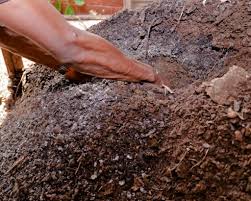
As previously discussed in earlier articles, the fertility of soil refers to its ability to supply essential nutrients required for crop growth and development. For a soil to be considered productive, it must possess fertility, although not all fertile soils guarantee productivity.
Many soils in the agricultural regions are inherently low in fertility and cannot continue to support high crop yields unless their fertility levels are enhanced.
This concern becomes more critical in the current era of intensive and continuous cropping, driven by increasing population pressure on land.
One of the most important strategies for improving soil fertility is by increasing the level of soil organic matter, which acts as a reservoir for nutrients and supports soil health.
What Is the Importance of Soil Fertility in Crop and Animal Production?
Soil fertility holds significant importance because it determines the quality of food produced, which in turn influences animal and human health when consumed. A nutrient-rich soil enhances crop nutrition, leading to better yields and healthier agricultural systems.
Read Also: Popular Breeds of Ruminant Animals
Role of Soil Organic Matter in Soil Fertility Enhancement
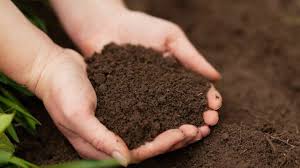
Soil Organic Matter (SOM) includes living organisms, decomposed remains of past soil life, and organic compounds formed through both past and present biological activity. This includes:
- Biomass (living organisms)
- Detritus (identifiable dead tissues)
- Humus (non-living, non-tissue materials)
Soil organic matter is a strong indicator of good soil tilth, referring to soil structure and nutrient condition. The importance of SOM in maintaining and enhancing soil fertility includes:
- Improvement of physical properties such as aeration, permeability, structure, and water holding capacity
- Enhancement of soil microbial activities that support nutrient cycling
- Supply of essential nutrients like nitrogen, phosphorus, and sulphur in available forms
- Contribution to cation exchange capacity (CEC), accounting for 30–70% of the total, which helps the soil hold and exchange nutrients
- Functioning as chelates, organic compounds that bind to micronutrients like iron (Fe), zinc (Zn), copper (Cu), and manganese (Mn), increasing their solubility and availability to plants
These functions collectively help in maintaining good soil productivity and improving overall agricultural performance.
Read Also: Proper Layers Management Practices for Better Performance
Maintenance of Soil Organic Matter for Sustainable Agriculture
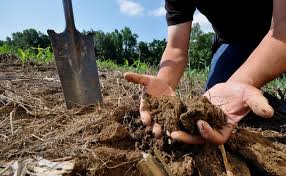
Maintaining soil organic matter is essential for long-term soil fertility and agricultural productivity. The methods to preserve or improve organic matter content in soil include:
- Incorporation of crop or plant residues into the soil
- Use of green manure, mulching, and cover crops to protect and enrich the soil
- Application of farmyard manure or animal wastes to add organic nutrients
- Use of compost, which enhances microbial activity and nutrient availability
- Application of urban and industrial organic wastes that meet environmental standards
- Practicing crop rotation or intercropping with legumes to fix nitrogen naturally
- Application of fertilisers and liming to balance soil pH and nutrient levels
- Adoption of reduced tillage or minimum tillage to prevent excessive breakdown of organic matter
These practices are essential in preserving the natural fertility of agricultural soils and ensuring their capacity to support continuous crop production.
Do you have any questions, suggestions, or contributions? If so, please feel free to use the comment box below to share your thoughts. We also encourage you to kindly share this information with others who might benefit from it. Since we can’t reach everyone at once, we truly appreciate your help in spreading the word. Thank you so much for your support and for sharing!