


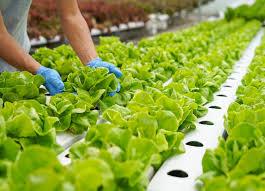
Food, derived from agricultural produce, is a major determinant of health, nutritional status, and productivity of the population. It is, therefore, essential that the food consumed is wholesome and safe. Unsafe food can lead to a large number of food-borne diseases.
Food-borne illnesses do not only result in high mortality rates but can damage trade and tourism, lead to loss of earnings, unemployment, and litigation. Thus, they can impede economic growth, and therefore, food safety and quality have gained worldwide significance in agricultural systems.
Significance of Food Safety and Quality in Agricultural Production
Food safety and quality are important at the home level but are critical in large-scale food production and processing, and also where food is freshly prepared and served. In the past, many foods were processed at home.
Advancements in technology and processing, higher per capita incomes, better purchasing power, and increased consumer demand have led to a variety of processed foods and functional foods being manufactured. Safety of such foods, often sourced from agricultural raw materials, needs to be assessed.
Global Importance of Food Safety and Quality Standards
The quality of foodstuffs, raw as well as processed, is of public health concern and must be addressed. In the past decade, safety challenges have been faced globally, and as indicated by the World Trade Organization (WTO), they have changed significantly, with issues relating to food quality and food safety gaining tremendous importance in agricultural trade.
World Trade Organization (WTO) and Agricultural Trade
Non-tariff agreements have provided greater access to world markets and opportunities for all countries to enter international trade.
In this scenario, it has become essential for every country to protect the safety and quality of foods and ensure that imported foods are of good quality and safe for consumption. It is also imperative that foods exported to other countries are safe and of good quality.
Read Also: Introduction to Ruminant Animals Production
Significance of Food Standards in Agricultural Systems
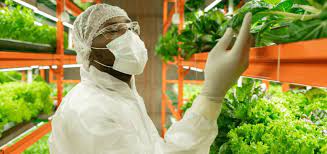
Effective food standards and control systems are required to protect food production within the country and facilitate trade with other nations.
All food manufacturers are required to meet given standards of quality and safety, necessitating regular testing and regulation of their products. Several factors contribute to this:
1. Changing Lifestyle: With fast-changing lifestyles and eating habits, more people are eating outside their homes. In commercial settings, foods are prepared in bulk and handled by many persons, increasing chances of contamination. Furthermore, food items are prepared many hours in advance and may spoil if not stored appropriately.
2. Assorted Processed and Packaged Foods: There are many processed and packaged foods. Safety of these foods is critical.
3. Pre-packaged Food Additives: Spices, condiments, and oilseeds were processed at home in former times, and their purity was not a concern. In today’s world, pre-packaged individual spices, condiments, spice powders, and mixes are in demand, especially in cities and metros. Quality of even raw foodstuffs, besides processed foods, is of public health concern and must be addressed.
4. Bulk Food Transportation: Logistics governing transport of bulk food, often agricultural produce, is complex, with a long gap between processing and consumption. Thus, risk assessment and safety management during mass production and distribution are critical.
5. Food-borne Pathogens: Microbial adaptations, antibiotic resistance, altered human susceptibility, and international travel have all contributed to increasing incidences of food-borne microbial diseases. Nearly half of all known food-borne pathogens have been discovered during the past 25-30 years. Many food-borne illnesses are of unknown etiology, posing a global public health concern, requiring detection, identification, and recognition of emerging pathogens and establishment of active surveillance networks, nationally and internationally.
6. Pollution in Agriculture: Pollution in the atmosphere, soil, and water, including the use of pesticides in agriculture, introduces contaminants. Additionally, the use of additives such as preservatives, colorants, flavoring agents, and stabilizers makes the analysis of food for various components both nutrients and contaminants imperative.
Owing to these factors, there is growing concern for safe, wholesome, and nutritious foods in a highly dynamic food business within the global agricultural environment. Hence, there is a need for food safety management systems.
Basic Concepts in Food Safety for Agricultural Products
Food safety means assurance that food is acceptable for human consumption according to its intended use. An understanding of food safety is improved by defining two other concepts toxicity and hazard.
1. Toxicity and Hazard: Toxicity is the capacity of a substance to produce harm or injury of any kind under any conditions. Hazard is the relative probability that harm or injury will result when a substance is not used in a prescribed manner and quantity. Hazards can be physical, chemical, and biological, causing harmful/adverse effects on consumer health.
2. Physical Hazards: Any physical material not normally found in food, which causes illness or injury, such as wood, stones, parts of pests, or hair.
3. Chemical Hazards: Chemicals or deleterious substances intentionally or unintentionally added to foods, including pesticides, chemical residues, toxic metals, polychlorinated biphenyls (PCBs), preservatives, food colors, and other additives.
4. Biological Hazards: Living organisms, including microbiological organisms. Microorganisms associated with food cause diseases and are called food-borne pathogens, causing infections or poisoning.
5. Food Infection/Food Poisoning: Results from ingestion of live pathogenic organisms that multiply in the body and cause disease, e.g., Salmonella.
6. Food Intoxication: Some bacteria produce harmful toxins present in food even if pathogens have been killed. Organisms produce toxins when food has not been hot or cold enough. Toxins in food cannot be detected by smell, appearance, or taste. Hence, foods that smell and appear good are not necessarily safe.
7. Food Infestation: Food can be infested by pests and insects.
Among the various hazards, biological hazards are a significant cause of food-borne illnesses. Despite efforts in food safety, microbial food-borne pathogens remain a serious concern, with new pathogens continuing to emerge.
Contamination and Adulteration in Agricultural Food Products
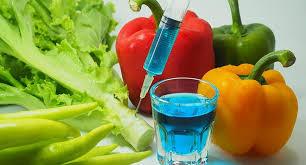
In the context of food safety, understanding contamination and adulteration is critical:
1. Contamination: The presence of harmful or objectionable foreign substances in food, such as chemicals, microorganisms, or dilutants, before, during, or after processing or storage.
2. Adulteration: The process in which the quality of food is lowered either by adding inferior quality material or extracting valuable ingredients. It includes intentional addition or substitution of substances, as well as biological and chemical contamination during growth, storage, processing, transport, and distribution of food products, leading to degradation of quality.
3. Adulterants: Substances used to make food products unsafe for human consumption.
Food Quality in Agricultural Products
The term food quality refers to attributes that influence a product’s value to consumers, including negative attributes such as spoilage, contamination, adulteration, and food safety hazards, as well as positive attributes such as color, flavor, and texture.
It is a holistic concept integrating nutritional traits, sensorial properties (color, texture, shape, appearance, taste, flavor, and odor), social considerations, and safety. Safety is a preliminary attribute and precursor of quality.
To ensure safe and high-quality foods, governments and international bodies worldwide have established food standards that manufacturers and suppliers must adhere to.
Best Practices for Food Safety in Agricultural Processing
All food service providers involved in pre-preparation, processing, packaging, and service should adhere to good manufacturing practices and ensure food safety. Salient points include:
- Quality of raw materials and water
- Cleanliness of premises, personnel, equipment, food preparation, storage, and serving areas
- Storage of food at appropriate temperatures
- Food hygiene
- Good service practices
Read Also: Goats Farming Complete Practical Guide
Food Standards for Agricultural Trade
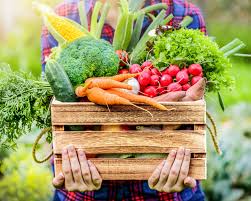
Effective food standards and control systems are required to integrate quality into every aspect of food production and service, ensuring the supply of hygienic, wholesome food and facilitating trade within and between nations.
International Organizations and Agreements in Food and Agricultural Standards
Since ancient times, governing authorities worldwide have attempted to develop and implement food standards to protect consumer health and prevent dishonest practices in food sales.
Several international organizations and agreements enhance food safety, quality, security, research, and trade, including:
1. Codex Alimentarius Commission (CAC): An intergovernmental body formed to establish international standards to protect consumer health and facilitate food and agricultural trade. In 2017, Codex had 187 member countries and one Member Organization (European Community). The Codex Alimentarius, meaning “Food Code,” is a collection of internationally adopted food standards, codes of practice, guidelines, and recommendations to protect consumers and ensure fair practices in food trade. Different countries use Codex Standards to develop national standards.
2. International Organization for Standardization (ISO): A worldwide, non-governmental federation of national standards bodies. ISO promotes standardization to facilitate the international exchange of goods and services and cooperation in intellectual, scientific, technological, and economic activities. ISO 9000 is an international reference for quality management, adoption of which is voluntary.
3. World Trade Organization (WTO): Established in 1995 to administer trade agreements, settle trade disputes, and assist countries on trade policy issues, covering goods, services, and intellectual property.
Food Safety Management Systems in Agricultural Processing
Issues related to food safety and quality extend beyond avoiding food-borne pathogens, chemical toxicants, and other hazards. A food hazard can enter the food chain at any stage, necessitating adequate control throughout. Food safety and quality can be ensured through:
1. Good Manufacturing Practices (GMP): Part of quality assurance to ensure manufacturers/processors take proactive steps to minimize or eliminate contamination and false labeling, protecting consumers and aiding informed purchasing.
2. Good Handling Practices (GHP): A comprehensive approach from farm to store or consumer to identify potential risks and implement procedures to minimize contamination, ensuring good hygiene practices among food handlers.
3. Hazard Analysis Critical Control Point (HACCP): An approach to food manufacture and storage where raw materials and each process step are evaluated for potential hazards. It involves identifying hazards, assessing their likelihood, and defining control measures across the food chain—raw material procurement, manufacturing, distribution, and usage.
Do you have any questions, suggestions, or contributions? If so, please feel free to use the comment box below to share your thoughts. We also encourage you to kindly share this information with others who might benefit from it. Since we can’t reach everyone at once, we truly appreciate your help in spreading the word. Thank you so much for your support and for sharing!