


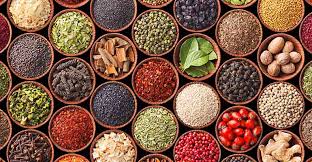
Spices have consistently been recognized as a vital part of the culinary ethos. In the culinary industry, there has been a long history, from its inception, where flavoring and coloring have been used to preserve food and for medicinal purposes.
The use of spices as food flavoring is now a significant practice globally. Spices not only enhance the color, aroma, and flavor of food; they are also used in managing chronic illnesses, contributing to the maintenance of human health and beauty.
In this article, the meaning, examples, and uses of both indigenous and non-indigenous spices will be explored.
Read Also: Vaccination Program for Poultry Chickens
Definition and Characteristics of Indigenous Spices
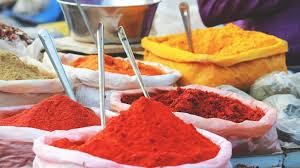
Indigenous spices refer to native spices commonly found in a specific region. They are cultivated and utilized locally within the areas where they are grown. Nigerians and Africans, in general, are known for their rich cultural diversity in every aspect, particularly in food.
Africans take pride in their extensive cooking skills, a tradition passed down since the days of their forefathers. Local spices were more commonly used in the past. Most Nigerian spices grow in the wild.
The majority of spices identified in Nigeria are found in the Southern rainforest zone, while others, such as garlic and ginger, are predominantly grown in the dry Northern zone. Local spices are still used today, although there is now limited knowledge concerning their uses and properties.
1. Examples of Indigenous Spices: African Black Pepper and African Nutmeg
Various examples of indigenous spices exist, including African black pepper, garlic, ginger, onions, and others.
i. African Black Pepper (Piper guineense): African black pepper is known as ‘uziza’ in Igbo (South East Nigeria) and ‘iyeree’ in Yoruba (South West Nigeria). It is also referred to as Ashanti pepper, Benin pepper, Guinea pepper, and false cubeb in other parts of Africa.
This plant is used for culinary, medicinal, cosmetic, and insecticidal purposes. In South East Nigeria, P. guineense is widely used for its nutritional and medicinal properties. The plant serves as a pungent and flavorful spice in soup preparation for post-parturient women.
In the South Eastern parts of Nigeria, the seeds are prescribed for women after childbirth to enhance uterine contraction, aiding in the expulsion of the placenta and other remains from the womb.
ii. African Nutmeg (Monodora myristica): Commonly known as African nutmeg, Monodora myristica is a perennial plant of the Annonaceae family found in the forests of West Africa. The nut, obtained after cracking the seeds, is a popular condiment used as a spicing agent in both African and continental cuisines in Nigeria.
African nutmeg is aromatic and used as a condiment in food, providing a flavor resembling that of nutmeg (Myristica fragrans) when ground into powder. It is tropically distributed and very common in the South East and South-South regions of Nigeria.
Its local names include Jamaica nutmeg, African nutmeg, Calabash nutmeg, Airama, Ehuru, or Ehiri in the Igbo language in Eastern Nigeria.
2. Additional Indigenous Spices: Alligator Pepper and Tetrapleura tetraptera
i. Alligator Pepper (Aframomum melegueta): Aframomum melegueta K. Schum belongs to the ginger family (Zingiberaceae) and is colloquially called grains of paradise or alligator pepper. It is known locally as ose oji in Igbo, ataare in Yoruba, and cittáá in Hausa in Nigeria.
The plant produces trumpet-shaped, purple-colored flowers that develop into 5 to 7 cm long pods, each containing as many as 300 reddish-brown seeds.
In the Igbo culture of Eastern Nigeria, alligator pepper is chewed alongside kola nut, where the hot, spicy taste of the former complements the astringent taste of the latter.
The seeds are also used in preparing yam pottage for new mothers to enhance appetite and reduce the risk of puerperal infections in most parts of Southern Nigeria.
In folk medicine, the seeds are employed as a local remedy for stomach aches, snakebites, diarrhea, cardiovascular diseases, diabetes, and inflammation.
ii. Tetrapleura tetraptera: Tetrapleura tetraptera Schumach and Thonn Taub (Mimosaceae), known as aridan in Yoruba and oshogisha or uhiokirihio in Igbo, is a single-stemmed deciduous plant that grows on the fringe of the West and Central African rainforest zone.
The fruit has four winged pods, appearing green when tender but shiny, glabrous, and dark-purple-brown when mature and ripened. The fruit consists of a fleshy pulp with small, brownish-black seeds and possesses a characteristically pungent aromatic odor, contributing to its insect-repellent properties.
Two of the fruit’s wings are woody, while the other two are filled with soft, oily, and aromatic sugary pulp. The seeds, which rattle in the pods, are small, black, hard, flat, about 8 mm long, and embedded in the body of the pod, which does not split open.
The economic and medicinal significance of T. tetraptera is numerous. The fruits are widely used in Nigeria for manufacturing seasoning spices, pomades, and soaps due to their pleasant aroma, while in Ghana, they serve as a vitamin source.
An infusion of the whole fruit is used by convalescents for bathing to relieve feverish conditions. The infusion is also used to alleviate constipation and as an emetic.
The plant has many traditional medicinal uses, such as in the management of convulsions, leprosy, inflammation, and rheumatic pains.
Read Also: Guide On How To Increase Goats Milk
Uses and Health Benefits of Non-Indigenous Spices
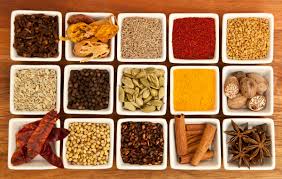
Non-indigenous spices refer to spices not commonly cultivated in Nigeria. Examples include cinnamon, clove, coriander, cumin, fenugreek, fennel, and others.
i. Cinnamon (Cinnamomum verum): Cinnamon, also known as sweet wood, true cinnamon, Dalchini, or Dorchini (Ceylon cinnamon), has been prized for centuries in the Orient and is one of the earliest known tree spices in India. Cinnamon is renowned for its strongly aromatic bark and leaves.
The bark has a sweet and agreeable taste and is extensively used as a spice or condiment. It is aromatic, astringent, stimulant, and carminative, with properties that help check nausea and act as an anti-emetic.
Powdered cinnamon in water is applied to alleviate headaches and neuralgia. Cinnamon is often combined with ginger to stimulate circulation and digestion.
Powdered cinnamon is a constituent in chocolate preparation in Spain and is used for flavoring cakes, sweets, candy, gum, curry powders, incenses, dentifrices, and perfumes.
The leaf oil is used in the manufacture of cheaper perfumes, soaps, toothpastes, hair oils, and face creams. It is also used commercially as an agent for flavoring liquor and in the synthesis of vanillin. In the flavoring industry, it serves as a modifier.
Cinnamon buds are as effective for flavoring and spicing as the bark itself. Cinnamon wood provides soft timber used as low-grade board wood. The root bark yields 3% oil, which is a colorless liquid with a camphoraceous odor, differing from both stem-bark and leaf oil.
ii. Nutmeg (Myristica fragrans): Nutmeg, an evergreen tree belonging to the Myristicaceae family, is indigenous to Asia, Africa, Pacific islands, and America. Nutmeg contains fats (30-40%) and essential oils (10%). Its distinctive aroma is due to the presence of essential oil containing terpenes.
A variety of value-added products can be made from nutmeg, especially in spicy and sweet dishes such as custards, pies, spice cakes, cookies, soups, sauces, cheese, vegetables, and egg dishes.
Completely dried nutmeg kernels can be used directly in cooking, either milled or grated just before being added (in the final minutes).
Nutmeg is also used in many cosmetic products, including shampoos, soaps, shaving creams, and perfumes, as well as in making balms and syrups for medicinal purposes.
iii. Coriander (Coriandrum sativum): Coriander, derived from the dried fruit of Coriandrum sativum L., is an aromatic spice crop with a history dating back to 5000 BC, as mentioned in Egyptian, Hebrew, and Roman literature.
The essential oil content of the seeds ranges from 0.1-0.7%. All parts of the plant are indispensable in cookery. The young plants are used as a spice in preparing chutneys, sausages, curries, and soups for flavoring. The dried fruits are a key ingredient in curry powder, sausages, and pickling spices.
In the food industry, coriander is used in the manufacture of bakery products, imitation flavors, pork, meat, fish, salads, soda, syrup, gelatin, desserts, candy, preserves, chocolates, and liquors.
The essential oil of coriander seeds is a valuable ingredient in the perfumery industry. Coriander is also used as a carminative and flavoring agent and to counteract the griping qualities of other medicines.
iv. Clove (Syzygium aromaticum): Clove (Syzygium aromaticum Merrill and Perry), belonging to the Myrtaceae family, is one of the most ancient and valuable spices of the Orient, known since the 1st century BC. Clove is valued as a spice and for its essential oil, which contains mainly eugenol (80-90%) and caryophyllene (4-8%).
The primary use of cloves is for domestic culinary purposes, flavoring both sweet and savory dishes, as well as in the preparation of pickles and sauces. Cloves, both whole and ground, are used in baked goods, cakes, confectionery, chocolates, puddings, desserts, sweets, syrups, and preserves.
Cloves are also used for flavoring curries, gravies, ketchup, and spice mixtures. Inferior culls are used for producing clove oil, which is utilized in food products, soap preparation, perfumery, and the synthetic preparation of vanillin.
Due to the antiseptic properties of eugenol, clove oil is an ingredient in chewing gums, toothpastes, and mouthwashes. In dentistry, eugenol is combined with zinc oxide for the temporary filling of cavities.
Clove oil is also used for flavoring ‘Kretek’ cigarettes in Indonesia and is reported to aid digestion, acting as an antispasmodic and counter-irritant.
Spices are natural plant products, including fruits, leaves, seeds, roots, bark, berries, buds, flowers, or vegetable substances, used to enhance the flavor, aroma, taste, and color of food products.
They are utilized in pharmaceutical and perfume industries, insect control, food preservation, and safety. Spices also create job opportunities and contribute to the economy of producing countries.
This article has discussed the meaning, examples, and origins of spices.
It has highlighted that spices have been utilized since ancient times in cooking and traditional medicine. Spices are primarily used to add flavor and aroma to food and serve as preservatives in cooking and the food industry.
Do you have any questions, suggestions, or contributions? If so, please feel free to use the comment box below to share your thoughts. We also encourage you to kindly share this information with others who might benefit from it. Since we can’t reach everyone at once, we truly appreciate your help in spreading the word. Thank you so much for your support and for sharing!