


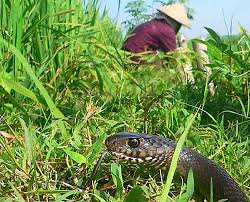
Snakes might not be the first thing that comes to mind when you think of agriculture, but they play a crucial role in managing pests on farms. Many farmers and landowners have discovered that these often-misunderstood creatures are valuable allies in maintaining a healthy and productive agricultural environment.
Snakes are natural predators and have been found to help control the populations of various pests that can damage crops and spread diseases. Their presence can reduce the need for chemical pesticides, which can be harmful to the environment and human health.
Understanding how snakes contribute to agriculture can help farmers make informed decisions about pest management and ecological balance on their farms.
How Snakes Contribute to Pest Control
Snakes are effective predators and can significantly contribute to pest control in agricultural settings. Here’s how they help manage pests and maintain balance in the ecosystem:
1. Natural Predation: Snakes are carnivorous animals that feed on various small animals. By preying on rodents, insects, and other pests, snakes help keep these populations in check. For example, a single snake can consume dozens of rodents in a season, reducing the number of these animals that might otherwise damage crops.
2. Reducing Chemical Pesticide Use: By controlling pest populations naturally, snakes can reduce the need for chemical pesticides. This is beneficial for the environment because it decreases the risk of chemical runoff into soil and water, which can harm plants, animals, and human health. Natural pest control methods, like those provided by snakes, are often more sustainable and environmentally friendly.
3. Balancing Ecosystems: Snakes are part of a larger food chain and play a role in maintaining ecological balance. By controlling the population of pests, they prevent these animals from overpopulating and causing ecological imbalances. For example, if rodent populations were left unchecked, they could lead to the spread of diseases and damage to crops, affecting the overall health of the farm ecosystem.
Types of Pests Managed by Snakes

Different species of snakes target various pests, contributing to effective pest management in agriculture. Here are some common types of pests managed by snakes:
1. Rodents: Rodents, such as mice and rats, are notorious for damaging crops and stored food. Snakes like the Rat Snake (Pantherophis spp.) are excellent at controlling rodent populations. These snakes hunt and eat rodents, helping to protect crops and reduce the need for traps or poisons.
2. Insects: Some snakes also help control insect populations. For instance, the Eastern Coral Snake (Micrurus fulvius) feeds on a range of small animals, including insects. By reducing insect numbers, these snakes can help prevent crop damage caused by insect pests.
3. Small Vertebrates: Apart from rodents and insects, snakes also prey on other small vertebrates such as amphibians and small birds. The presence of snakes like the Garter Snake (Thamnophis spp.) can help control these pests, which might otherwise contribute to the spread of diseases or compete with crops for resources.
4. Agricultural Pests: In certain cases, snakes can also impact agricultural pests that directly harm crops, such as small lizards and even some plant-eating insects. Their predation helps maintain a balance that can benefit crop health.
Benefits of Snakes in Farming
Integrating snakes into agricultural pest management offers several benefits for farmers and the environment:
1. Eco-Friendly Pest Control: Snakes provide a natural method of pest control that does not rely on harmful chemicals. This reduces the risk of environmental pollution and helps maintain soil and water health. By promoting a more balanced ecosystem, snakes contribute to sustainable farming practices.
2. Cost Savings: Using snakes for pest control can save farmers money in the long run. Chemical pesticides and traps can be expensive, and their repeated use increases costs. Snakes, on the other hand, provide ongoing pest control without additional expenses beyond their natural presence on the farm.
3. Increased Crop Yields: By keeping pest populations under control, snakes help protect crops from damage. This can lead to higher yields and better-quality produce. Healthy crops are less likely to suffer from pest-induced stress or diseases, resulting in improved farm productivity.
4. Conservation of Beneficial Species: Snakes help maintain the balance of various species in the ecosystem. By controlling pests that might otherwise overpopulate, snakes protect other beneficial organisms, such as pollinators and soil organisms. This contributes to a healthier agricultural environment.
5. Biodiversity Support: The presence of snakes in agricultural areas supports biodiversity. Snakes are part of the complex web of life on a farm and contribute to a diverse and resilient ecosystem. Biodiversity enhances the overall health of the farm and can improve its ability to withstand environmental changes and pests.
Read Also: Trichomoniasis: Description, Damages Caused, Control and Preventive Measures
Common Snakes Used in Agricultural Pest Control

Several snake species are commonly found in agricultural settings and are known for their pest control abilities. Here are some examples:
1. Rat Snake (Pantherophis spp.): Rat snakes are non-venomous and are known for their ability to control rodent populations. They are found in various regions and are beneficial in both rural and suburban areas. Rat snakes can help keep fields and storage areas free from mice and rats.
2. Garter Snake (Thamnophis spp.): Garter snakes are another common species used in pest control. They feed on a variety of small animals, including insects, amphibians, and rodents. Garter snakes are widely distributed and can be found in many types of habitats, including agricultural fields.
3. King Snake (Lampropeltis spp.): King snakes are known for their ability to prey on other snakes, including venomous species, as well as rodents and lizards. Their presence in agricultural areas helps control a range of pests and maintains ecological balance.
4. Bull Snake (Pituophis catenifer): Bull snakes are large, non-venomous snakes that are effective at controlling rodent populations. They are commonly found in grasslands and agricultural areas, where they help protect crops from damage caused by pests.
5. Corn Snake (Pantherophis guttatus): Corn snakes are another effective pest controller, particularly for rodent pests. They are often found in fields and rural areas and help reduce the number of mice and rats that can harm crops.
Integrating Snakes into Farming Practices
Integrating snakes into farming practices may seem unusual, but these creatures can play a valuable role in sustainable agriculture. Snakes are natural predators that help control pest populations, which can benefit crops and reduce the need for chemical pesticides. Understanding how to incorporate snakes into farming requires careful planning and consideration, as well as a willingness to work with nature.
Read Also: 18 Medicinal Health Benefits Of Ligustrum lucidum (Glossy Privet)
Benefits of Snakes in Agriculture

1. Pest Control: Snakes are effective predators of various pests that can damage crops. They feed on rodents, insects, and other small animals that may pose a threat to agricultural produce. By controlling the populations of these pests, snakes help reduce the need for chemical pesticides, which can be harmful to the environment and human health.
2. Biodiversity: Introducing snakes into a farming environment can enhance biodiversity. Biodiversity is important for a healthy ecosystem, as it helps maintain balance and resilience. Snakes contribute to this balance by keeping pest populations in check and providing food for other wildlife, such as birds and larger predators.
3. Soil Health: By controlling rodents that might otherwise disturb the soil or damage plants, snakes indirectly contribute to soil health. Rodents can dig up roots and create burrows, which can disrupt plant growth and soil structure. By reducing rodent populations, snakes help maintain healthier soil conditions for crops.
Challenges and Considerations
1. Safety Concerns: One of the main challenges of integrating snakes into farming is ensuring safety for farmworkers and visitors. Some snake species are venomous and can pose a risk if not properly managed. It is important to identify the species present and understand their behavior to minimize the risk of bites. Providing training for farmworkers and implementing safety measures can help address these concerns.
2. Habitat Management: Creating a suitable habitat for snakes involves providing the right environment to encourage them to stay on the farm. This includes ensuring that there are ample hiding spots, such as rocks, logs, or dense vegetation. It also involves managing the surrounding landscape to support a diverse ecosystem that attracts snakes and their prey.
3. Potential Crop Damage: While snakes primarily feed on pests, there is a possibility that they could accidentally damage crops while moving through fields. Careful planning and monitoring are required to minimize any potential crop damage. Using non-venomous and non-aggressive snake species can help reduce this risk.
4. Public Perception: Snakes often have a negative reputation and can be feared by people. Educating the public and farmworkers about the benefits of snakes and their role in pest control can help improve their acceptance. Communication and outreach efforts can help address misconceptions and promote a positive attitude towards these animals.
5. Legal and Ethical Considerations: In some regions, there may be legal restrictions or regulations regarding the introduction of wildlife into agricultural settings. It is important to research and comply with local laws and regulations to ensure that the integration of snakes is done ethically and legally.
Steps to Integrate Snakes into Farming Practices
1. Assess the Need for Snakes: Determine if snakes are a suitable option for your farm by evaluating the types of pests you face and the potential benefits of having snakes. Consider factors such as the size of your farm, the types of crops you grow, and the existing pest control methods you use.
2. Choose the Right Species: Select snake species that are well-suited to your region and farming environment. Non-venomous snakes that are known to prey on common agricultural pests are ideal choices. Consult with local wildlife experts or herpetologists to make informed decisions about which species to introduce.
3. Create a Suitable Habitat: Develop a habitat that meets the needs of the chosen snake species. Provide shelter, such as rocks, logs, or brush piles, where snakes can hide and find food. Maintain a diverse ecosystem with a variety of plants and wildlife to support the snakes and their prey.
4. Implement Safety Measures: Establish safety protocols to protect farmworkers and visitors from potential snake bites. This includes training farmworkers on how to recognize and avoid snakes, using protective clothing, and setting up warning signs in areas where snakes are likely to be present.
5. Monitor and Evaluate: Regularly monitor the presence and activity of snakes on your farm to assess their impact on pest populations and crop health. Evaluate the effectiveness of snakes in controlling pests and adjust your management practices as needed. Keep records of snake sightings, pest levels, and crop performance to track changes over time.
6. Educate and Communicate: Provide education and training for farmworkers and the public about the benefits of snakes in agriculture. Share information on how snakes contribute to pest control and overall ecosystem health. Address any concerns or misconceptions about snakes to foster a positive attitude towards their presence on the farm.
Conclusion
Integrating snakes into farming practices offers a unique approach to pest control and contributes to sustainable agriculture. By harnessing the natural predatory behavior of snakes, farmers can reduce their reliance on chemical pesticides, enhance biodiversity, and support soil health. However, successful integration requires careful planning, consideration of safety and habitat management, and addressing public perceptions.
The role of snakes in agriculture highlights the importance of working with nature to achieve sustainable farming practices. By embracing the benefits of snakes and other natural predators, farmers can create healthier ecosystems, reduce environmental impacts, and contribute to the long-term sustainability of agriculture.
Incorporating snakes into farming practices is not without its challenges, but with proper management and education, their presence can be a valuable asset. As we strive to create more sustainable and eco-friendly agricultural systems, recognizing the role of wildlife, including snakes, is essential for achieving our goals.
Read Also: 1Hydroponics Guide 101: All You Need to Know About it
Frequently Asked Questions
We will update this section soon.