


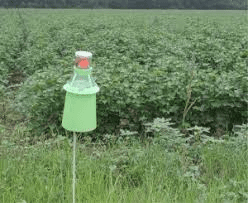
Integrated Pest Management (IPM) is a holistic approach to managing pests in an environmentally and economically sustainable way. Unlike traditional pest control methods that rely heavily on chemical pesticides, IPM uses a combination of strategies to keep pest populations under control. This approach not only targets pests effectively but also minimizes harm to beneficial organisms and reduces the impact on the environment.
IPM involves understanding the life cycles of pests, monitoring their populations, and employing various control methods in a coordinated manner. The goal of IPM is to manage pests at acceptable levels while minimizing risks to people, plants, and the environment. This approach can be applied to agricultural settings, gardens, and even homes.
Core Principles of IPM
IPM is based on several core principles that guide its implementation. These principles help ensure that pest management is effective, sustainable, and environmentally friendly.
1. Prevention: The first step in IPM is to prevent pests from becoming a problem. This can be achieved through practices that make the environment less hospitable to pests. For example, using pest-resistant plant varieties, maintaining healthy soil, and ensuring proper sanitation can help prevent pest infestations.
2. Monitoring: Regular monitoring is crucial in IPM. This involves regularly checking for signs of pest activity and assessing pest populations. Monitoring helps in making informed decisions about when and how to implement control measures.
3. Identification: Properly identifying pests is essential for effective management. Accurate identification ensures that the control methods used are appropriate for the specific pest and helps avoid unnecessary treatments.
4. Control Measures: IPM employs a combination of control measures to manage pests. These include cultural, biological, and mechanical methods, as well as chemical controls when necessary. The use of multiple control methods reduces reliance on any single method and enhances overall effectiveness.
5. Evaluation: Evaluating the results of pest management efforts is important to determine their effectiveness and make necessary adjustments. This involves assessing whether the pest populations are under control and if any new issues have arisen.
Understanding Pest Biology and Ecology

To effectively manage pests, it is important to understand their biology and ecology. This knowledge helps in predicting pest behavior and determining the most effective control methods.
1. Life Cycle: Understanding the life cycle of pests helps in timing control measures. For example, knowing when pests are in their vulnerable stages (like eggs or larvae) allows for more targeted treatments.
2. Habitat: Knowing where pests live and what conditions they prefer helps in implementing control strategies. For instance, some pests thrive in damp environments, so reducing moisture can help control them.
3. Food Sources: Identifying what pests feed on helps in choosing appropriate control methods. For example, if pests are feeding on specific plants, protecting or treating those plants can reduce pest damage.
4. Natural Enemies: Understanding the natural enemies of pests (like predators and parasites) helps in leveraging biological control methods. Encouraging or introducing these natural enemies can help keep pest populations in check.
5. Behavior: Observing pest behavior, such as their movement patterns and feeding habits, can aid in developing effective management strategies. For instance, some pests are more active at certain times of day or during specific weather conditions.
Monitoring and Identifying Pests
Effective pest management begins with accurate monitoring and identification. Here’s how you can monitor and identify pests:
1. Regular Inspections: Conduct regular inspections of plants, soil, and surroundings to check for signs of pests. Look for visible damage, such as holes in leaves, discolored spots, or webbing.
2. Use Traps: Various traps, like sticky traps or pheromone traps, can help monitor pest populations. Traps can catch pests and provide information on their numbers and activity.
3. Check for Symptoms: Identify common symptoms of pest damage, such as wilting, leaf drop, or abnormal growth. Matching these symptoms with known pest issues can aid in identification.
4. Consult Resources: Use pest identification guides, apps, or online databases to help identify pests. These resources often provide images and descriptions to aid in accurate identification.
5. Seek Expert Help: If you are unsure about pest identification, consult with local agricultural extension offices, pest control professionals, or entomologists. They can provide expert advice and assistance.
Accurate monitoring and identification are crucial for determining the most effective control measures and preventing further pest problems.
Read Also: Worm Infestation on Ruminant Animals: Symptoms and Treatment
Cultural Control Methods

Cultural control methods involve modifying farming or gardening practices to make the environment less conducive to pest problems. These methods are often preventative and can be highly effective when used correctly.
1. Crop Rotation: Rotating crops each season helps prevent the buildup of soil-borne pests and diseases. Different plants have different pest and disease profiles, so rotating crops can disrupt pest life cycles.
2. Sanitation: Keeping the growing area clean by removing plant debris, weeds, and fallen fruit reduces pest habitats and breeding sites. Proper sanitation helps minimize pest problems.
3. Proper Planting: Planting pest-resistant varieties and choosing plants suited to your local climate can help reduce pest issues. Additionally, proper spacing and planting techniques can improve air circulation and reduce pest infestations.
4. Soil Management: Healthy soil supports strong plants that are more resistant to pests. Use compost and organic matter to improve soil health and structure. Well-drained soil also helps reduce conditions that favor certain pests.
5. Water Management: Avoid overwatering plants, as excess moisture can create ideal conditions for pests like fungi and insects. Water plants in the morning to allow foliage to dry out during the day.
Biological Control Methods
Biological control involves using natural predators, parasites, or pathogens to manage pest populations. This method leverages the natural enemies of pests to keep them in check.
1. Predators: Introduce or encourage natural predators that feed on pests. For example, ladybugs and lacewings feed on aphids, while spiders can help control a range of pests.
2. Parasites: Use parasitic organisms that lay their eggs on or inside pests. The developing larvae feed on the pests, eventually killing them. For example, parasitic wasps target specific pest insects.
3. Pathogens: Apply microbial pathogens, such as bacteria, fungi, or viruses, that specifically target pests. For example, Bacillus thuringiensis (Bt) is a bacterium that controls caterpillar pests.
4. Beneficial Nematodes: These microscopic worms can be applied to the soil to target soil-dwelling pests like root weevils and grubs. They enter the pests and kill them.
5. Habitat Enhancement: Create or maintain habitats that support beneficial organisms. Planting flowers that attract pollinators or providing shelter for predatory insects can help increase their populations.
Biological control methods can be very effective when combined with other pest management strategies and help maintain ecological balance.
Mechanical and Physical Control Methods
Mechanical and physical control methods are hands-on techniques used to manage pests without relying on chemicals. These methods can be highly effective and environmentally friendly when used correctly.
1. Handpicking: Manually removing pests from plants is a simple yet effective method for small infestations. This method is especially useful for larger pests like caterpillars or slugs.
2. Traps: Various types of traps can help capture and monitor pests. Sticky traps are useful for catching flying insects, while bait traps can attract and capture pests like snails or rodents.
3. Barriers: Physical barriers, such as row covers, mesh netting, or fences, can protect plants from pests. These barriers prevent pests from reaching the plants and can be particularly useful for keeping out insects and larger animals.
4. Hand Tools: Tools like hoes, rakes, and tweezers can help remove pests or pest-infested plant parts. Regular use of these tools helps in managing pest populations and maintaining plant health.
5. Soil Management: Techniques like tilling or mulching can disrupt pest habitats and reduce the likelihood of pest problems. For example, turning the soil can expose and kill pests that overwinter in the soil.
Mechanical and physical methods can be very effective for managing pests, especially when used in combination with other IPM strategies.
Read Also: 18 Medicinal Health Benefits Of Phellodendron amurense (Amur Cork Tree)
Chemical Control Methods

Chemical control methods involve using pesticides to manage pest populations. While they can be effective, they should be used cautiously to minimize negative impacts on the environment and non-target organisms.
1. Insecticides: These chemicals target and kill insect pests. Insecticides come in various forms, including sprays, granules, and systemic treatments. Choose insecticides that are specific to the pest you are targeting to minimize harm to beneficial insects.
2. Fungicides: Used to control fungal diseases, fungicides can be applied as sprays or drenches. They work by either preventing fungal growth or killing existing fungi. Be sure to use fungicides according to the manufacturer’s instructions to avoid resistance development.
3. Herbicides: Herbicides control unwanted plants or weeds that can harbor pests. Selective herbicides target specific types of weeds, while non-selective herbicides kill all plants they contact.
4. Bactericides: These chemicals target bacterial pathogens that cause plant diseases. Bactericides can help control bacterial infections but should be used as part of a broader disease management strategy.
5. Pesticide Resistance Management: To prevent pests from developing resistance to chemicals, rotate different classes of pesticides and avoid overuse. Use chemical controls as a last resort, and integrate them with other IPM methods for better results.
Chemical controls should be used judiciously and in combination with other IPM strategies to ensure sustainable pest management.
Evaluating and Selecting Control Strategies
Choosing the right control strategies is crucial for effective pest management. Here’s how to evaluate and select the best options:
1. Assess the Pest Problem: Identify the type and extent of the pest issue. Consider factors such as the pest’s life cycle, population density, and the potential damage it can cause.
2. Evaluate Control Options: Review the available control methods, including cultural, biological, mechanical, physical, and chemical options. Consider their effectiveness, potential side effects, and environmental impact.
3. Consider Costs: Factor in the costs associated with each control method, including application and maintenance costs. Weigh these costs against the potential benefits and the severity of the pest problem.
4. Evaluate Environmental Impact: Consider how each control method will affect the environment and non-target organisms. Choose methods that minimize harm to beneficial insects, wildlife, and soil health.
5. Develop a Management Plan: Create a plan that combines multiple control strategies to address the pest problem effectively. Incorporate monitoring and evaluation to adjust the plan as needed.
6. Monitor and Adjust: After implementing control strategies, monitor their effectiveness and make necessary adjustments. Regular evaluation helps ensure that the pest management plan remains effective and sustainable.
Selecting the right control strategies involves a careful balance of effectiveness, cost, and environmental impact.
Implementing an IPM Plan
Implementing an IPM plan involves several key steps to ensure its success:
1. Set Objectives: Define clear objectives for pest management, such as reducing pest populations to acceptable levels or minimizing damage. Objectives should be specific, measurable, and achievable.
2. Develop a Plan: Create a detailed IPM plan that outlines the strategies and methods to be used. Include monitoring procedures, control measures, and timelines for implementation.
3. Train and Educate: Educate yourself and others involved in pest management about the IPM plan and the methods being used. Training ensures that everyone is knowledgeable and capable of implementing the plan effectively.
4. Implement the Plan: Put the IPM plan into action according to the outlined procedures. Ensure that all steps are followed and that control measures are applied as needed.
5. Monitor and Evaluate: Regularly monitor the effectiveness of the IPM plan and assess whether pest populations are under control. Evaluate the results and make adjustments to the plan as necessary.
6. Document and Report: Keep detailed records of pest observations, control measures, and outcomes. Documentation helps track progress and provides valuable information for future pest management efforts.
7. Review and Improve: Periodically review the IPM plan and make improvements based on lessons learned and new information. Continuous improvement helps enhance the effectiveness of pest management.
Implementing an IPM plan requires careful planning, execution, and ongoing evaluation to achieve successful pest management.
Case Studies and Examples of IPM Success
Examining real-life examples of IPM success can provide valuable insights into effective pest management. Here are a few case studies:
1. Tomato Production: In a tomato farm, IPM strategies were used to manage aphid and whitefly infestations. The plan included introducing natural predators, using sticky traps for monitoring, and applying insecticidal soaps. The result was a significant reduction in pest populations and improved tomato yields.
2. Apple Orchards: In apple orchards, IPM techniques were employed to control codling moths. The IPM plan included pheromone traps to monitor moth activity, introducing parasitoid wasps, and applying targeted insecticides when necessary. This approach reduced codling moth damage and minimized chemical use.
3. Greenhouse Plants: A greenhouse used IPM to manage spider mites and fungal diseases. The IPM plan included using predatory mites for biological control, adjusting watering practices to reduce humidity, and applying fungicides only when needed. The results included healthier plants and lower pesticide use.
These case studies demonstrate the effectiveness of IPM in various settings and highlight the benefits of using integrated approaches for pest management.
Challenges and Limitations of IPM
While IPM offers many benefits, it also faces challenges and limitations:
1. Complexity: Implementing IPM requires knowledge of pest biology, ecology, and various control methods. This complexity can be challenging for beginners and may require ongoing education.
2. Cost: Some IPM strategies, such as introducing natural predators or using specialized equipment, can be costly. The initial investment may be a barrier for some individuals or organizations.
3. Time-Consuming: Monitoring and evaluating pest populations can be time-consuming. Regular inspections and adjustments to the IPM plan require ongoing effort and attention.
4. Resistance Development: Pests can develop resistance to control methods, including biological and chemical treatments. To manage resistance, IPM strategies must include diverse control methods and regular monitoring.
5. Environmental Conditions: Certain environmental conditions, such as extreme weather or changes in climate, can impact the effectiveness of IPM strategies. Adapting the plan to changing conditions can be challenging.
Despite these challenges, the benefits of IPM, including reduced environmental impact and sustainable pest management, make it a valuable approach.
Conclusion
Integrated Pest Management (IPM) provides a comprehensive approach to managing pests that balances effectiveness with environmental sustainability. By understanding the core principles of IPM, pest biology, and a range of control methods, you can develop and implement an effective pest management plan. IPM involves careful monitoring, accurate identification, and the use of diverse control strategies, including cultural, biological, mechanical, and chemical methods.
While there are challenges to implementing IPM, its benefits in reducing pest damage and minimizing environmental impact make it a valuable approach for managing pests in agriculture, gardening, and other settings. With ongoing evaluation and adaptation, IPM can lead to successful and sustainable pest management.
Read Also: How to Choose the Right Trash Service for Your Needs
Frequently Asked Questions
We will update this section soon.