


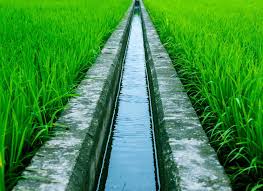
Integrated watershed management is an approach that considers the management of all natural resources and human activities within a watershed boundary in a unified manner. All the resources and activities are interrelated and affect each other. To ensure effective management, adopting an integrated approach is essential.
For example, when the primary goal is erosion and sediment control, the needs, capacity, and limitations of farmers cultivating on the slopes must be addressed.
This approach focuses on identifying various problems collectively and utilizing available resources to provide the best solutions.
Integration of Technologies for Sustainable Agricultural Development
Integrated watershed management involves the combination of technologies within the natural boundaries of a drainage basin for the optimal use of land, water, and plant resources.
The goal is to satisfy the basic needs of both people and animals in a sustainable way. This approach recognizes the close connection between resource use and agricultural productivity within watershed areas.
Protection and Production Balance in Watershed Areas
Watershed management must focus on both protection and production. While safeguarding downstream regions from floods, erosion, and pollution is important, the productivity of upstream areas is equally crucial for the livelihoods of local communities, particularly those with limited resources. Any initiative that increases output and income is likely to gain community support and participation.
Need for Long-Term Watershed Management Planning
Establishing a long-term watershed management program should be the ultimate objective. Effective watershed work requires significant time to yield benefits.
Rather than adopting short-term emergency responses, governments should implement sustained programs. Early phases can involve pilot projects with international support, but these must be aligned with long-term strategies.
Watershed Protection Versus Rehabilitation in Agriculture
Investing in watershed protection is generally more cost-effective than rehabilitation. Watersheds that have suffered degradation over many decades pose threats to both local livelihoods and downstream agriculture.
While rehabilitation is often expensive, it may become necessary when the level of degradation is severe.
Read Also: The Health Benefits of Using Accent Seasoning on your Cooking
Setting Priorities in Watershed Management for Agricultural Sustainability
Governments should establish priority programs based on reconnaissance surveys and watershed classification.
Policies that affect people’s lives, endanger public investments, or impact economically disadvantaged populations should be given first consideration in the allocation of resources.
Encouraging Local Participation in Watershed Programs
Local participation is central to the success of many watershed programs. The involvement of people and local communities should begin at the planning stage.
Beyond providing technical support, proper incentives must be offered to those who contribute labor or land, especially since the benefits often occur off-site or take time to materialize.
Training of Watershed Management Personnel
The success of watershed management is constrained by the availability of trained personnel. Field workers should be engaged not only in conducting meetings or distributing information but also in supervising fieldwork and offering hands-on guidance.
Follow-up support, such as providing farm inputs, storage facilities, processing units, and marketing systems, is necessary to enhance farmers’ incomes while preserving land quality.
Cost Sharing and Incentives in Agricultural Watershed Projects
Cost sharing and incentives are vital for fair and sustainable watershed management. It is unreasonable to expect resource-poor farmers in upstream areas to bear all the costs while the benefits are enjoyed downstream.
Including cost-sharing systems or incentive programs in watershed plans ensures equity and strengthens community support.
Focusing on On-site Returns to Boost Farmer Participation
Immediate on-site returns should be emphasized. Demonstrating clear short-term benefits at the site of conservation helps convince farmers to participate. When the benefits are distant or off-site, it becomes more difficult to secure their cooperation.
Maintenance as a Core Component of Watershed Management
Maintenance must be an integral part of watershed programs. Structures such as terraces or forest plantations require regular upkeep. Neglecting maintenance can lead to failure, loss of public trust, and further harm to the environment. Ongoing care of both old and new installations is necessary to sustain their effectiveness.
Balancing Cost and Effectiveness of Watershed Practices
The cost and effectiveness of management options must be carefully evaluated. Steep slopes with high rainfall need more robust structures to manage erosion and runoff.
While inexpensive methods may be attractive, if they are ineffective, they waste both time and money. A balance should be found that ensures both affordability and function.
Combining Vegetative and Structural Measures for Maximum Impact
A suitable mix of vegetative and structural measures offers the most cost-effective results. No preference should be given to one over the other. If structures are essential for runoff control, they should be included.
When vegetative methods are effective, they should be prioritized due to their lower cost and ease of implementation. The best strategy involves maximizing vegetation use and minimizing structural dependence.
Read Also: How to Extract and Package Snail Slime (Snail filtrate) for Commercial Use
Runoff Control Measures for Soil Erosion Prevention

Controlling runoff is critical for preventing erosion. This involves reducing runoff quantity, slowing its speed, and safely directing it to protected areas.
In humid tropical regions where rainfall is intense and frequent, unregulated runoff on steep or cultivated slopes often results in severe soil loss. Effective runoff control measures should be given the highest priority.
Protecting and Maintaining Soil Surfaces in Agriculture
Soil surface protection is vital against splash erosion caused by raindrops. Low vegetation, litter, humus, or organic materials offer better protection than tall vegetation.
Reforested lands without ground cover fail to protect the soil. In open or cultivated lands, avoiding soil compaction and maintaining porosity are essential to promote water infiltration and reduce runoff.
Avoiding Excessive Hill Slope Excavation to Prevent Land Degradation
Activities like road building, trail cutting, and construction on hill slopes should be minimized. Excavations in these areas increase slope instability and the risk of landslides.
If necessary, such works must be combined with slope stabilization measures and safe runoff diversion systems to reduce negative impacts.
Rehabilitation of Natural Resources for Agricultural Productivity
Rebuilding natural resources and improving soil productivity are important goals in watershed management.
The objective is not just erosion control or water quality improvement, but also to maintain and enhance the productive base of the land for sustainable agriculture.
Applying Research Findings to Improve Watershed Programs
Continual applied research is needed to improve efficiency and reduce the costs of watershed work. New and imported techniques must undergo local trials before being implemented widely. Locally designed solutions tailored to specific problems are usually safer and more effective in the long term.
Do you have any questions, suggestions, or contributions? If so, please feel free to use the comment box below to share your thoughts. We also encourage you to kindly share this information with others who might benefit from it. Since we can’t reach everyone at once, we truly appreciate your help in spreading the word. Thank you so much for your support and for sharing!