


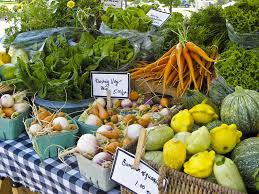
Organic food is produced using methods that respect natural processes and cycles, avoiding synthetic chemicals and genetically modified organisms (GMOs). These methods focus on maintaining ecological balance, preserving biodiversity, and promoting soil and water health.
The organic food industry encompasses various aspects, from crop cultivation to livestock rearing, ensuring that every step of the process aligns with organic principles. The foundation of organic food production lies in organic farming techniques. Farmers employ practices such as crop rotation, cover cropping, and composting to maintain soil fertility and structure.
Crop rotation involves growing different crops in succession on the same land, helping prevent soil depletion and reducing the risk of pest and disease outbreaks. Cover crops, like clover and rye, are grown to protect and enrich the soil during off-seasons. When these crops decompose, they add valuable organic matter to the soil.
Composting is another essential practice in organic farming. Organic matter, such as plant residues and animal manure, is decomposed to create nutrient-rich compost. This compost is then applied to fields to improve soil health and fertility, reducing the need for synthetic fertilizers. The use of green manure, where specific crops are grown and then plowed back into the soil, also enhances soil fertility and organic content.
Natural pest and disease management are critical in organic food production. Instead of relying on synthetic pesticides, organic farmers use various strategies to control pests. Beneficial insects, such as ladybugs and predatory wasps, are introduced to keep pest populations in check. Physical barriers, like row covers, protect crops from insect damage. Crop diversity and rotation disrupt pest cycles, making it harder for pests to thrive.
Organic livestock management emphasizes animal welfare and natural behaviors. Livestock are raised in conditions that allow them to roam freely and express natural behaviors. They are fed organic feed and are not given antibiotics or synthetic hormones. This approach ensures healthier animals and produces meat, dairy, and eggs free from harmful residues.
Water management is also integral to organic farming. Techniques such as drip irrigation and rainwater harvesting promote efficient water use and reduce dependence on external water sources. Mulching, the practice of covering soil with organic materials like straw or wood chips, conserves moisture, suppresses weeds, and improves soil health as the mulch decomposes.
Biodiversity is a hallmark of organic food production. Organic farms often include a variety of crops and maintain natural habitats to support a range of beneficial organisms. This biodiversity enhances ecosystem resilience, making farms less vulnerable to pests and diseases and reducing the need for external inputs.
Organic certification is a rigorous process that ensures products meet strict standards. In many countries, organic food must be certified by an accredited organization. This certification process involves regular inspections and adherence to established guidelines regarding soil management, pest control, and animal welfare. The organic label assures consumers that the food they are purchasing is produced according to these high standards.
The benefits of organic food extend beyond the farm. Organic foods are often perceived as healthier because they are free from synthetic chemicals and GMOs. They are also believed to contain higher levels of certain nutrients and antioxidants. Additionally, organic farming practices are more sustainable and environmentally friendly, contributing to the preservation of natural resources and the reduction of pollution.
Organic food represents a commitment to sustainable and healthy agricultural practices. Through careful soil management, natural pest control, humane livestock rearing, efficient water use, and biodiversity, organic food production aims to provide nutritious and safe food while protecting the environment. The rigorous certification process ensures that organic foods meet high standards, offering consumers a reliable choice for healthier and more environmentally responsible eating.
Principles of Organic Food Production
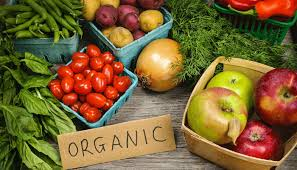
1. Avoidance of Synthetic Chemicals: Organic food is grown without the use of synthetic pesticides, fertilizers, and genetically modified organisms (GMOs).
2. Soil Health: Organic farming practices enhance soil fertility and structure through composting, crop rotation, and green manuring.
3. Biodiversity: Organic methods encourage biodiversity, both in terms of plant varieties and beneficial organisms that help control pests and diseases.
4. Animal Welfare: Organic livestock are raised in humane conditions, with access to outdoor spaces and organic feed.
5. Sustainability: Organic farming aims to be environmentally sustainable, reducing pollution and conserving water and other natural resources.
Steps to Produce Organic Food
1. Soil Preparation: Enrich the soil with organic matter like compost or aged manure. Test soil to ensure it has the right pH and nutrient levels.
2. Selecting Seeds and Plants: Choose organic seeds and plant varieties that are well-suited to your growing conditions and resistant to local pests and diseases.
3. Planting: Follow organic planting guidelines, including appropriate spacing, companion planting, and crop rotation to optimize plant health and yield.
4. Pest and Disease Management: Use organic pest control methods such as beneficial insects, natural pesticides like neem oil, and physical barriers.
5. Fertilizing: Apply organic fertilizers such as compost, bone meal, or fish emulsion according to plant needs and soil test results.
6. Harvesting: Harvest crops at their peak for the best flavor and nutritional value. Handle them carefully to maintain quality.
Benefits of Organic Food
1. Healthier for Consumers: Organic food is grown without synthetic pesticides, herbicides, or fertilizers. This reduces exposure to potentially harmful chemicals and residues in the food. Studies suggest that organic produce may have higher levels of certain nutrients and antioxidants.
2. Environmentally Friendly: Organic farming practices prioritize environmental health. They reduce soil erosion, enhance soil fertility, and promote biodiversity. Organic farms often use crop rotation, green manure, and composting to maintain soil health and reduce the need for chemical inputs.
3. Better Animal Welfare: Organic farming standards require that animals are raised in humane conditions with access to outdoor spaces. They are fed organic feed and are not administered antibiotics or growth hormones, promoting better overall animal welfare.
4. Reduced Environmental Impact: Organic farming practices help in reducing the overall environmental impact. They focus on minimizing pollution, conserving water, and promoting sustainable land use. This results in lower carbon footprints and better protection of natural ecosystems.
5. Support for Local Farmers: Purchasing organic food often supports local farmers who practice sustainable agriculture. This can strengthen local economies and promote community-based food systems.
How Organic Food is Grown
1. No Synthetic Chemicals: Organic farming prohibits the use of synthetic pesticides, herbicides, and fertilizers. Instead, it relies on natural methods to manage pests and enrich the soil, such as biological pest control, companion planting, and the use of organic compost.
2. Soil Health Management: Organic farmers focus on maintaining and improving soil health through practices like crop rotation, cover cropping, and the application of organic matter (compost, manure). These practices enhance soil fertility and structure, promoting healthy plant growth.
3. Non-GMO Seeds: Organic farming uses non-genetically modified (non-GMO) seeds. This aligns with the principles of organic agriculture, which emphasize natural breeding methods and genetic diversity.
4. Water Conservation: Organic farms often implement water conservation practices, such as drip irrigation and rainwater harvesting, to efficiently manage water resources and reduce waste.
5. Biodiversity Promotion: Organic farms typically maintain higher levels of biodiversity. They may incorporate a variety of crops and beneficial plants that attract pollinators and other beneficial organisms, helping to create balanced ecosystems.
Comparison Between organic and Conventional Food
AspectOrganic FoodConventional FoodUse of ChemicalsAvoids synthetic pesticides, herbicides, and fertilizers. Uses natural alternatives and integrated pest management.Utilizes synthetic pesticides, herbicides, and fertilizers. May result in chemical residues.Farming PracticesEmphasizes sustainable methods like crop rotation, composting, and soil health management. Promotes biodiversity and humane animal treatment.Often relies on monocultures, chemical inputs, and intensive farming methods. Can lead to soil degradation and reduced biodiversity.Nutritional ContentSome studies suggest higher levels of certain nutrients and antioxidants.Nutritional content varies; some research shows no significant difference compared to organic foods.Environmental ImpactGenerally has a lower environmental impact. Practices designed to conserve resources, reduce pollution, and support ecosystem health.Can have a higher environmental impact due to synthetic chemicals, monoculture practices, and higher energy consumption.Cost and AccessibilityTypically more expensive due to higher production costs and certification fees. Availability may be limited.Generally less expensive and more widely available due to economies of scale.Taste and QualityMany consumers believe it tastes better due to natural growing methods. Flavor can vary based on crop and conditions.Taste can vary widely. Some people may find differences in flavor compared to organic options.
Read Also: List of Diseases Ruminant Animals (Livestock) Get from Feeds and Water
Challenges in the Organic Food Industry
1. Higher Production Costs: Organic farming often involves higher costs due to the need for organic inputs, certification fees, and labor-intensive practices. These costs can be passed on to consumers, making organic food more expensive than conventional options.
2. Certification and Regulation: Obtaining and maintaining organic certification can be complex and costly. The certification process involves rigorous standards and regular inspections, which can be challenging for small-scale farmers.
3. Limited Availability of Organic Inputs: Organic farmers may face challenges in sourcing organic seeds, fertilizers, and pest control products. The limited availability of these inputs can constrain production and impact crop yields.
4. Pest and Disease Management: Without synthetic pesticides and herbicides, organic farmers must rely on natural methods for pest and disease management. This can be less predictable and may require more time and effort.
5. Market Demand and Supply: The organic food market can be volatile, with fluctuating demand and supply. Farmers must navigate changing consumer preferences and market conditions, which can affect profitability.
6. Competition and Market Access: Organic food products face competition from conventional products and other organic brands. Gaining market access and differentiating products can be challenging, especially for new entrants.
7. Knowledge and Training: Farmers transitioning to organic methods may require additional training and knowledge to adapt to new practices. This can involve a steep learning curve and additional resources.
Organic Food and Health
1. Reduced Chemical Exposure: Organic food is grown without synthetic pesticides, herbicides, or fertilizers. This reduces consumers’ exposure to potentially harmful chemical residues, contributing to better overall health.
2. Nutritional Benefits: Some studies suggest that organic food may have higher levels of certain nutrients and antioxidants due to the natural farming methods and healthier soil. However, research on nutritional differences between organic and conventional foods is ongoing.
3. No Antibiotics or Hormones: Organic meat and dairy products come from animals that are not treated with antibiotics or growth hormones. This can reduce the risk of antibiotic resistance and promote better animal welfare.
4. Improved Digestion: Organic foods often contain fewer additives and preservatives, which can be beneficial for digestive health and reduce the risk of allergic reactions or sensitivities.
5. Long-Term Health Impact: Consuming organic foods may contribute to long-term health benefits, including a reduced risk of chronic diseases and improved overall well-being. However, more research is needed to fully understand these benefits.
The Environmental Impact of Organic Farming
1. Soil Health Improvement: Organic farming practices enhance soil health by increasing organic matter, promoting soil biodiversity, and reducing soil erosion. Healthier soil supports better crop growth and reduces the need for synthetic inputs.
2. Water Conservation: Organic farming often employs water-saving techniques, such as drip irrigation and rainwater harvesting, to manage water resources efficiently. This helps reduce water consumption and minimize environmental impact.
3. Biodiversity Promotion: Organic farms support higher levels of biodiversity by using crop rotation, maintaining natural habitats, and avoiding monocultures. This promotes ecosystem health and resilience.
4. Reduced Pollution: By avoiding synthetic chemicals and fertilizers, organic farming reduces the risk of water and soil pollution. This helps protect nearby ecosystems and reduces the environmental footprint.
5. Carbon Footprint: Organic farming practices, such as reduced tillage and carbon sequestration through soil management, can lower the carbon footprint of agricultural production. Organic farms often have lower greenhouse gas emissions compared to conventional farms.
Organic Food Trends and Innovations
1. Increased Organic Offerings: The variety of organic products is expanding, including new organic fruits, vegetables, grains, and packaged foods. Consumers have more options to choose from, reflecting growing demand.
2. Advanced Farming Techniques: Innovations such as vertical farming, hydroponics, and aquaponics are being integrated into organic farming practices, increasing efficiency and production capacity.
3. Sustainable Packaging: There is a trend towards eco-friendly packaging solutions for organic products. Companies are adopting biodegradable, recyclable, and compostable packaging to reduce environmental impact.
4. Plant-Based Alternatives: The rise in plant-based diets is driving innovation in organic plant-based foods. New products, such as organic plant-based meat and dairy alternatives, are gaining popularity.
5. Direct-to-Consumer Models: Online sales and subscription services for organic food are growing. Direct-to-consumer models allow consumers to access fresh, organic products directly from farms and producers.
6. Transparency and Traceability: Consumers are increasingly demanding transparency in food production. Organic food brands are investing in technologies and practices that enhance traceability and provide information about product origins and production methods.
Tips for Buying Organic Food
1. Look for Certification Labels: Ensure that the product has an organic certification label from a reputable organization. This guarantees that the food meets organic standards and has been produced without synthetic chemicals.
2. Buy Seasonal and Local: Purchase organic fruits and vegetables that are in season and locally grown. Seasonal and local produce is often fresher and more affordable.
3. Check the Produce Quality: Inspect organic produce for freshness, ripeness, and any signs of damage. Organic fruits and vegetables should be as fresh and high-quality as their conventional counterparts.
4. Compare Prices: Organic food can be more expensive than conventional options. Compare prices and look for sales or discounts at local markets and grocery stores.
5. Prioritize Organic for Certain Foods: Some foods are more important to buy organic due to higher pesticide residues in conventional varieties. These include fruits and vegetables with thin skins, such as strawberries and apples.
6. Support Local Farmers: Buy from local farmers’ markets or community-supported agriculture (CSA) programs to support local organic farmers and ensure a direct supply of fresh, organic produce.
7. Educate Yourself: Stay informed about organic farming practices and the benefits of organic food. Understanding the principles of organic agriculture can help you make more informed purchasing decisions.
The organic food industry faces challenges, but it offers significant health and environmental benefits. Understanding how organic food is grown, comparing it with conventional options, and staying informed about trends and innovations can help consumers make better choices.
Read Also: 17 Medicinal Health Benefits Of Bitter Leaf (Vernonia amygdalina)
Frequently Asked Questions (FAQs) About Organic Food
1. What is organic food?
Organic food is produced using farming methods that avoid synthetic chemicals, GMOs, and emphasize sustainability, soil health, and animal welfare.
2. How does organic food differ from conventional food?
Organic food is grown without synthetic pesticides, fertilizers, and GMOs, and often involves more sustainable and humane farming practices compared to conventional food.
3. What are the main benefits of eating organic food?
Benefits include reduced chemical exposure, potentially higher nutrient levels, no GMOs, and better taste. Organic farming also supports environmental sustainability.
4. Is organic food more nutritious than conventional food?
Some studies suggest that organic food may contain higher levels of certain nutrients and antioxidants, though research is ongoing and results can vary.
5. Why is organic food more expensive?
Organic food is often more expensive due to higher production costs, including labor-intensive farming practices, organic certification, and lower yields.
6. Can I grow my own organic food at home?
Yes, you can grow your own organic food by following organic gardening practices such as using compost, natural pest control, and organic fertilizers.
7. What are organic certification standards?
Organic certification standards vary by country but generally require farms to avoid synthetic chemicals, use organic seeds and feed, and practice sustainable farming methods.
8. How do I know if food is organic?
Look for certification labels such as USDA Organic, EU Organic, or other recognized organic standards on packaging and produce.
9. Is organic food better for the environment?
Yes, organic farming practices typically promote soil health, reduce pollution, conserve water, and enhance biodiversity, making it better for the environment.
10. What types of food can be organic?
Almost any type of food can be produced organically, including fruits, vegetables, grains, dairy products, meats, poultry, and processed foods like bread and snacks.