


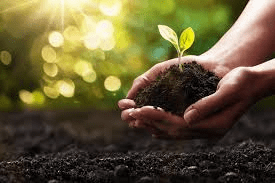
Organic soil is a type of soil that is rich in organic matter, which includes decomposed plant and animal residues, microorganisms, and humus. This soil is the foundation of organic gardening and farming, promoting healthy plant growth and sustainable agriculture. The key characteristics and benefits of organic soil make it essential for creating a thriving, eco-friendly garden or farm.
Organic soil is rich in nutrients. The decomposition of organic matter releases essential nutrients like nitrogen, phosphorus, potassium, and trace minerals, which are vital for plant growth. Unlike synthetic fertilizers, which provide nutrients in a readily available form, organic matter releases nutrients slowly and steadily, ensuring a consistent supply over time. This slow release helps prevent nutrient leaching and reduces the risk of nutrient imbalances.
The structure of organic soil is well-balanced, allowing for proper aeration, water retention, and drainage. Organic matter improves soil texture, making it loose and crumbly, which enhances root growth and facilitates the movement of air and water. Good soil structure also helps prevent soil erosion and compaction, ensuring that plant roots can easily penetrate the soil and access nutrients.
Organic soil supports a diverse and active microbial community. Beneficial microorganisms, such as bacteria, fungi, and earthworms, play a crucial role in breaking down organic matter, releasing nutrients, and improving soil fertility. These microorganisms also help suppress soil-borne diseases and pests by competing with harmful pathogens and promoting a healthy soil ecosystem.
One of the key benefits of organic soil is its ability to retain moisture. Organic matter acts like a sponge, holding water and making it available to plants during dry periods. This water-holding capacity reduces the need for frequent watering and helps plants withstand drought conditions. Additionally, organic soil promotes better infiltration of rainwater, reducing runoff and increasing groundwater recharge.
Organic soil is also important for carbon sequestration. The process of incorporating organic matter into the soil captures atmospheric carbon dioxide and stores it in the soil as stable organic carbon compounds.
This helps mitigate climate change by reducing greenhouse gas levels in the atmosphere. Sustainable soil management practices, such as cover cropping, reduced tillage, and the use of organic amendments, enhance carbon sequestration and contribute to climate resilience.
Creating and maintaining organic soil involves several practices. Adding compost is one of the most effective ways to improve soil organic matter content. Composting kitchen scraps, yard waste, and other organic materials produces a nutrient-rich amendment that can be mixed into the soil. Cover crops, also known as green manures, can be grown and tilled into the soil to add organic matter and nutrients. These crops protect the soil from erosion, improve soil structure, and enhance microbial activity.
Mulching is another essential practice for maintaining organic soil. Applying a layer of organic mulch, such as straw, leaves, or wood chips, on the soil surface helps conserve moisture, suppress weeds, and regulate soil temperature. As the mulch decomposes, it adds organic matter to the soil, further improving its quality.
Avoiding synthetic chemicals is crucial for preserving the health of organic soil. Chemical fertilizers, pesticides, and herbicides can disrupt the balance of soil microorganisms and reduce organic matter content. Instead, organic gardeners and farmers rely on natural pest control methods, crop rotation, and organic fertilizers to maintain soil fertility and health.
Organic soil is the cornerstone of sustainable and productive gardening and farming. Its rich nutrient content, balanced structure, moisture retention, and support for beneficial microorganisms create an ideal environment for plant growth.
Principles of Organic Soil

1. Organic Matter: Organic soil is enriched with decomposed plant and animal material, such as compost, leaf litter, and manure. This organic matter improves soil structure, fertility, and moisture retention.
2. Microbial Activity: Healthy organic soil has a thriving community of microorganisms, including bacteria, fungi, and earthworms, that aid in nutrient breakdown and enhance soil health.
3. Nutrient Cycling: Organic soil supports the natural cycling of nutrients, reducing the need for synthetic fertilizers and enhancing plant nutrient uptake.
4. Soil Structure: Good organic soil has a well-developed structure with adequate aeration and drainage, promoting root growth and plant health.
Steps to Improve and Maintain Organic Soil
1. Add Organic Matter: Regularly add compost, aged manure, or other organic materials to increase soil fertility and structure.
2. Practice Mulching: Use organic mulch, such as straw, wood chips, or leaves, to retain soil moisture, suppress weeds, and add nutrients as it decomposes.
3. Use Cover Crops: Plant cover crops, like clover or legumes, to protect soil from erosion, enhance soil fertility, and increase organic matter.
4. Avoid Synthetic Chemicals: Refrain from using synthetic pesticides and fertilizers, which can harm beneficial soil organisms and degrade soil health.
5. Practice Minimal Tillage: Reduce soil disturbance by practicing no-till or reduced-till methods to protect soil structure and preserve organic matter.
6. Monitor Soil Health: Regularly test soil for pH, nutrient levels, and texture. Adjust practices based on soil test results to maintain optimal soil health.
Read Also: Swine Diseases and their Prevention Measures
Components of Organic Soil

1. Organic Matter: This includes decomposed plant and animal materials such as compost, manure, and leaf litter. Organic matter improves soil structure, water retention, and provides essential nutrients to plants.
2. Minerals: Sand, silt, and clay are the mineral components of soil. The proportion of these minerals affects soil texture, drainage, and nutrient availability.
3. Microorganisms: Bacteria, fungi, and other microorganisms play a vital role in breaking down organic matter, cycling nutrients, and enhancing soil fertility.
4. Humus: This dark, stable form of organic matter results from the decomposition of plant and animal material. Humus improves soil structure, water retention, and nutrient availability.
5. Water and Air: Proper balance of water and air in soil pores is crucial for root growth and microbial activity. Organic soil tends to have better water-holding capacity and aeration compared to inorganic soils.
How Organic Soil is Formed
1. Decomposition: Plant residues, animal wastes, and other organic materials are broken down by microorganisms. This process releases nutrients into the soil.
2. Humification: As decomposition progresses, some organic materials are converted into humus, a stable and nutrient-rich component of soil.
3. Aggregation: Organic matter binds soil particles together into aggregates. These aggregates improve soil structure, enhancing aeration and water infiltration.
4. Nutrient Cycling: Microorganisms decompose organic matter, releasing nutrients that plants can absorb. This continuous cycle maintains soil fertility.
Differences Between Organic and Inorganic Soil
1. Composition: Organic soil is rich in organic matter, including decomposed plant and animal material. In contrast, inorganic soil primarily consists of mineral particles like sand, silt, and clay, with little to no organic matter.
2. Nutrient Availability: Organic soil provides a slow and steady release of nutrients as organic matter decomposes. Inorganic soil may require synthetic fertilizers to supply nutrients, which can leach away quickly.
3. Soil Structure: Organic soil has a crumbly texture and good structure, promoting root growth and water infiltration. Inorganic soil can be compact and may have poor drainage and aeration.
4. Water Retention: Organic soil has higher water-holding capacity due to the presence of organic matter and humus. Inorganic soil often has poor water retention, leading to frequent watering needs.
5. Microbial Activity: Organic soil teems with beneficial microorganisms that aid in nutrient cycling and plant health. Inorganic soil may lack these microorganisms, resulting in lower biological activity.
Nutrient Content in Organic Soil
1. Macronutrients: Organic soil contains essential macronutrients like nitrogen (N), phosphorus (P), and potassium (K). These nutrients are released slowly as organic matter decomposes, providing a consistent supply to plants.
2. Micronutrients: Trace elements such as iron, manganese, zinc, and copper are also present in organic soil. These micronutrients are crucial for various plant functions and overall health.
3. Organic Compounds: Organic soil includes various organic compounds, including amino acids, enzymes, and vitamins, which contribute to soil fertility and plant growth.
4. Beneficial Microbes: The microbial population in organic soil helps in breaking down organic matter and releasing nutrients. These microbes also produce substances that promote plant growth and disease resistance.
5. pH Balance: Organic matter helps buffer soil pH, keeping it within a range that is optimal for nutrient availability and plant health.
Organic soil is the foundation of healthy and sustainable agriculture. Its rich composition, natural formation process, and superior nutrient content make it an invaluable resource for organic farming and gardening.
Read Also: Neonatal Pig Diarrhoea: Clinical Signs, Prevention and Treatment
Frequently Asked Questions (FAQs) About Organic Soil

1. What is organic soil?
Organic soil is soil enriched with organic matter and managed using natural methods, promoting soil health and fertility without synthetic chemicals.
2. How is organic soil different from conventional soil?
Organic soil contains higher levels of organic matter, supports beneficial microorganisms, and avoids synthetic chemicals, unlike conventional soil that may rely on chemical inputs and artificial amendments.
3. What are the benefits of using organic soil?
Benefits include improved soil structure and fertility, enhanced nutrient cycling, reduced chemical exposure, and increased plant health and productivity.
4. How can I improve my soil to make it more organic?
Add organic matter such as compost, use mulch and cover crops, avoid synthetic chemicals, and practice minimal tillage to improve and maintain organic soil.
5. Can I make my own compost for organic soil?
Yes, you can make your own compost using kitchen scraps, yard waste, and other organic materials. Homemade compost enriches soil with nutrients and beneficial microorganisms.
6. How often should I add organic matter to my soil?
Regularly add organic matter, typically once a year or as needed, based on plant needs and soil conditions. Incorporate it into the soil to maintain optimal fertility.
7. What are cover crops, and how do they benefit organic soil?
Cover crops are plants grown specifically to improve soil health by adding organic matter, preventing erosion, and enhancing nutrient availability. They are plowed back into the soil to decompose.
8. How do I test my soil for organic health?
Test soil for pH, nutrient levels, and texture using a soil test kit or professional laboratory. Regular testing helps you adjust practices and maintain soil health.
9. Can organic soil be used for indoor plants?
Yes, organic soil is suitable for indoor plants. Use organic potting mixes or amend indoor soil with compost to provide nutrients and support plant growth.
10. What are some common issues with organic soil?
Common issues include nutrient imbalances, insufficient organic matter, and potential pest problems. Address these by monitoring soil health, adjusting practices, and using appropriate organic solutions.
Read Also: How to Ace an Interview