


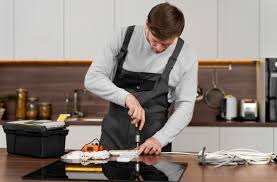
Kitchen equipment refers to the utensils and other materials used in the kitchen for the preparation of food for consumption. It is important to carefully select equipment that guarantees safety and convenience of the users.
It is imperative to design the layout of the kitchen such that it will allow enough space for those using the kitchen and minimize accidents. This article discusses the selection, maintenance, and energy management of kitchen equipment.
Read Also: Jersey Cow: Grooming and Care Guide
Considerations for Kitchen Equipment Selection

1. Basic Considerations for Equipment Selection
In selecting kitchen equipment, several basic considerations are made. Khan (1987) suggests that management should consider capacity, need, cost, functional attributes, and sanitation and safety.
i. Capacity Requirements
It is critical to determine the capacity of each type of equipment to be used in an operation before deciding on how many pieces of which equipment to purchase. Khan (1987) further presents the following determinants of the capacity of kitchen equipment:
- An analysis of each food item on the menu to estimate the number of portions to be prepared for every meal period.
- Determination of the portion size for every menu item.
- Multiplication of the projected number of portions by the portion size will give the total volume of food to be prepared at each meal period.
- Selection of the method of preparation and production for each item on the menu.
- Determination of batch size for those items to be prepared in batches.
- Estimation of the number of portions to be prepared at any one time based on the projected number of customers for items prepared to order.
- Consultation of equipment catalogs to determine the number of pieces of equipment to be ordered.
ii. Need for Equipment
Equipment should only be acquired when needed. Equipment is said to be needed if it improves the quality of food being prepared, produces product and/or labor cost savings, results in increased quality of finished products, and/or contributes to the profitability of the operation (Mill, 2007).
iii. Cost Analysis
Acquiring kitchen equipment involves various cost elements; some of these costs include purchase price, installation cost, cost of insurance, maintenance and repair, and operation cost. Khan (1987) suggests the following formula as a method of calculating the value of a piece of equipment:
H = L(A + B) / C + L(D + E + F) – G
Where:
H = Calculated value
L = Expected life of equipment in years
A = Savings in labor per year
C = Cost of the equipment & installation cost
D = Cost of utilities per year
E = Cost of maintenance and repair per year
F = Annual projected interest on money in C
G = Turn-in value at the end of the life of the equipment
If H is greater than 1.0, the equipment should not be purchased. The higher the value of H, the more attractive the purchase becomes. This equation requires an estimate of the expected life of the equipment. The normal life of kitchen equipment varies from 9 to 15 years.
iv. Functional Attributes of Equipment
Before equipment is purchased, it is important to consider the performance of the equipment relative to the cost and compared to the performance of other equipment. Consideration should also be given to likely changes in menu that render an expensive piece of equipment obsolete.
v. Sanitation and Safety Features
Safety and sanitation are important considerations in purchasing equipment. All materials used should be non-toxic. Parts should also be easily disassembled for easy cleaning, moving, and sharp parts need to be protected, and safety locks are desirable on all equipment.
2. Materials Used in Kitchen Equipment
The cost of a piece of equipment depends to a large extent on the materials used to construct it. Some of the most common materials are:
i. Wood: The disadvantages of using wood for constructing kitchen equipment outweigh its advantages because wood absorbs moisture; it tends to crack, thereby making it unsafe from the viewpoint of sanitation. However, it is high in weight, can be designed into various shapes, cushions noise, is attractive, and relatively inexpensive.
ii. Metal: A variety of metals are used as kitchen equipment, but the most common among them are alloys, which are a combination of one or more metals, for example, stainless steel, brass, etc. Another commonly used metal is aluminum, which is popular for utensil equipment both inside and out and steam-jacketed kettles.
Aluminum is light, a good conductor of heat and electricity, does not corrode easily, and is durable. Stainless steel is easily cleaned, is attractive, resists rust and stain formation, and can, because of its surfaces, show dirt easily, be kept sanitary, but can be expensive depending on its thickness.
iii. Plastics: Various plastics are used in making kitchen equipment in foodservice operations. They are very versatile, durable, and capable of being molded into different shapes (Mill, 2007).
iv. Coatings: Interior surfaces are usually lined with coatings to give them additional properties. For example, silicone makes a non-sticking surface.
Types of Kitchen Equipment

1. Dry-Heat Cooking Equipment
i. Ranges: These could either be gas or electric. They are generally mounted on the floor with cooking done in pots directly on the range top. A heavy frame is preferred because of the heavy use that ranges receive.
ii. Conventional Ovens: Conventional ovens should be durable since they are used a great deal. The ease of cleaning and energy conservation should also be considered.
iii. Convection Ovens: Unlike conventional ovens, convection ovens are designed to allow for consistent distribution of heat inside the oven.
iv. Infrared Ovens: They are relatively new and take less space than conventional ovens while using less energy because they cook at higher temperatures for relatively short periods.
v. Other Heat-Cooking Equipment: Includes mechanical pizza ovens, microwave ovens, deck ovens, broilers, griddles, etc.
2. Steam Equipment
Steam equipment includes the following:
- Steam-jacketed kettles.
- Steamers.
- Fryers: Deep-fat fryers, tilting skillets.
3. Small Equipment
These include food cutters, slicers, mixers, vertical cutter/mixers, vegetable peelers, etc.
4. Refrigeration Equipment
According to Kotschevar and Terrell (1985), refrigeration equipment may be either mobile or fixed reach-in specialized units, or ice-making equipment. This equipment may either be upright or chest type. Refrigerators are generally used to either preserve or display items at cold temperatures.
Interior Surfaces of Kitchens
1. Materials for Interior Surfaces
Materials for interior walls, floors, and ceilings should be selected not only based on attractiveness but also on such things as ease of cleaning, ease of maintenance, and safety.
i. Flooring: The most important factors to consider when selecting floor coverings are resiliency and porosity of material. Resiliency refers to the ability of the material to withstand shock, while porosity identifies the extent to which the material can be penetrated by liquids.
Good kitchen floors need to be non-slip, sanitary, and able to handle spills and constant cleaning. Preferred materials are marble, terrazzo, natural quarry tile, asphalt tile, or sealed wood.
ii. Walls and Ceilings: Cleanability, location, noise reduction, and color are to be considered in selecting wall and ceiling materials. Some of the popular wall coverings include ceramic tiles, stainless steel, and painted plaster or cinder-block walls if selected properly can be used successfully in dry areas.
Read Also: The Possible Market Outlet for Table Fishes
Kitchen Equipment Maintenance

Proper maintenance of kitchen equipment is often neglected by catering organizations. This is why kitchen equipment manufacturers and suppliers recommend an approach called Planned Preventive Maintenance (PPM).
Planning the maintenance function for kitchen equipment will help assure lower costs through reduced maintenance while ensuring continued high sanitation standards throughout the life of the equipment.
Mill (2007) presents the following important concepts involved in cleaning and maintenance of kitchen equipment:
- Minimize soil, dirt, and food build-up.
- Remove build-up immediately.
- Avoid as many soil-collecting surfaces and recesses as possible.
- Select smooth, non-porous surfaces.
- Provide easy access to areas that have to be cleaned frequently.
- Streamline electrical, gas, and plumbing connections.
- Use coved corners on equipment and building surfaces.
- Provide adequate drains and cleanouts.
- Use automated cleaning and sanitizing systems.
The purpose of PPM is to reduce the risk of a breakdown by spotting a looming problem before it happens. This makes double sense in the efficient running of a kitchen. With a PPM scheme in place, a routine visit by a service engineer will fine-tune equipment so it is performing at its best.
This can be as straightforward as cleaning partly blocked gas jets for fuel efficiency or using computer diagnostics to test electronic circuitry on combi-ovens. And just as a dentist keeps case notes from every check-up of things to keep an eye on, so does a PPM engineer during a visit.
The second huge benefit of PPM is that as part of the routine inspection and adjustments, the engineer can spot trouble ahead.
For example, a fridge might appear to be running well to the chef, but the engineer might spot excessive compressor wear, which could lead to a breakdown or a failure to maintain a safe temperature.
1. Preventative Maintenance Checklist
This is a breakdown of some of the jobs that need to be done through a PPM scheme and the engineer qualifications a kitchen manager should check before signing up for a PPM agreement.
2. Electrical Equipment Maintenance
Specialist testing is required for most equipment that is hard-wired into the kitchen. It is important to check that the engineer servicing the electrical components of kitchen equipment has tested the equipment recommended by the manufacturer. Regular maintenance of electrical components is essential, since heat, water, and electricity need to be kept well apart for safety reasons.
3. Gas Equipment Maintenance
Only engineers approved by the manufacturers of the equipment can work on gas appliances in a restaurant kitchen. These are the certification categories an engineer working on kitchen gas equipment must have:
i. Category 1: Boiling tables, open and solid-top ranges, convection ovens, combi-ovens, and bains-marie.
ii. Category 2: Water boilers, boiling pans, steamers, and dishwashers.
iii. Category 3: Deep-fat fryers, bratt pans, griddles, and grills.
iv Category 4: Fish and chip ranges.
v. Category 5: Forced-draught burner appliances, such as impingers and conveyor ovens.
4. Water System Maintenance
Only accredited plumbers can connect equipment to the mains supply to ensure that its connection and use satisfy the Water Regulations Guide. With kitchen equipment connected to the water mains, there is the risk of accidental backflow of dirty water into the clean water supply.
If this happens through lack of maintenance, then the premises responsible is liable for a hefty fine. Scale in equipment caused by poor or no water treatment or filtering will invalidate warranty terms and cause premature breakdown, especially in combi-ovens, beverage equipment, and dishwashers.
As part of a PPM scheme, equipment using water will be checked for build-up of limescale in tanks and pipes.
Microwave Testing
Microwave emission testing is essential to spot potentially harmful leakage. This is a specialist job requiring specific testing equipment and must be done every six months.
5. Broiler Maintenance
Broiler grates and other movable parts should be cleaned daily. With gas broilers, it is important to check the flame. A yellow-tipped flame indicates insufficient air. The burners can be adjusted to give a blue flame. Gas ports should be kept clean. With electric broilers, heating elements can be replaced when they burn out.
6. Coffee Urn Maintenance
Two problems with coffee urns ruin the taste of the coffee. First, the minerals in the water can be deposited. Second, deposits will accumulate on surfaces that are exposed to brewed coffee or coffee vapor. The solution is to clean the urn after making each batch of coffee.
This is done by rinsing out the urn to remove any remaining urn and deposits, adding a gallon or so of hot water, brushing the interior of the urn, then rinsing the urn. Twice a week, the urn can be cleaned with a manufacturer-recommended product to remove stubborn deposits.
7. Dishwasher Maintenance
The power should be turned off before cleaning a dishwasher. Tanks have to be drained and cleaned, wash arms removed, and lime or hard-water deposits eliminated from the rinse jets.
The exterior can be cleaned with a detergent solution, rinsed, and dried. Periodic checks are necessary for leaks, and belts and conveyors are examined for wear and lubricated.
8. Fryer Maintenance
Fryers should be cleaned daily or at least twice weekly, depending on the use. The fat must be removed, and the interior wiped out and filled with water and a fryer cleaner solution.
The interior is then rinsed and dried after removal of the cleaning solution. Since different temperatures are needed for different foods, it may be necessary to maintain two or more fryers to cook various food items one for seafood, another for vegetables (Minor and Cichy, 1984).
9. Refrigerator Maintenance
The inside of reach-in refrigerators should be cleaned once a week. Shelves are removed and cleaned at the pot sink or run through the dishwasher. Condenser coils need to be watched for dirt build-up, which cuts down the transfer of heat and causes the unit to run excessively. Coils are dusted and wiped free of dust and dirt.
10. Food Cutter, Chopper, and Slicer Maintenance
Choppers and cutters should be rinsed after each use. They should be unplugged before cleaning. Special care must be taken with slicer blades, which should be sanitized and allowed to dry after cleaning.
11. Mixer Maintenance
Mixers should be cleaned right after use.
12. Table Maintenance
Table-tops can be scrubbed with a hot detergent solution before being rinsed, sanitized, and allowed to dry. Drawers should be emptied and washed weekly.
Energy Management in Kitchens
One of the major problems in controlling energy cost is that a significant part of the cost is fixed. Refrigerators and fans are in operation regardless of sales volume, and most appliances are designed for high-volume operation.
A reduction in the number of meals prepared will not result in a reduction in energy costs. To get costs under control, it might be possible to plan less energy-intensive meals prepared foods and salad plates during low-business periods.
1. Top Management Commitment to Energy Management
Employees pay attention to what management pays attention to. Getting the support of top management is an essential first step in a successful program.
Top management’s responsibilities are to define the goals and standards for the program. Basic goals might include the following:
- Reduce the consumption and cost of energy and water utilities by 20 percent per year.
- Improve the quality of the operation such that guest satisfaction is increased.
Standard methods to track and minimize energy consumption must also be developed to monitor the program. A base level should be established to serve as a measure of progress made in the period prior to the implementation of the program (Mill, 2007).
Do you have any questions, suggestions, or contributions? If so, please feel free to use the comment box below to share your thoughts. We also encourage you to kindly share this information with others who might benefit from it. Since we can’t reach everyone at once, we truly appreciate your help in spreading the word. Thank you so much for your support and for sharing!