


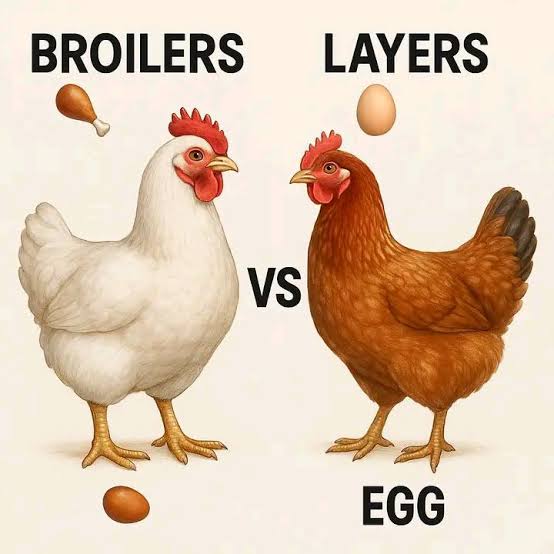
Before we decide which is more profitable between layers or broilers, let us first take a close look at their unique characteristics before deciding which one among layers or broilers is more profitable in poultry farming below:
1. Layers
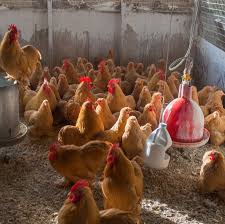
They are poultry birds or poultry chickens that basically focus on the production of eggs, so if you’re going into Layers production in poultry farming just know you are going be focusing more on egg production. It can either be fertilize eggs or non-fertilize eggs.
If you’re going into hatchery and incubation of eggs to chick, then you will have to consider fertilization, and this is where you introduce a cock to the layers which is the name of female chickens.
But in this post we will rather be focusing more on the aspect of producing the non-fertile eggs that are consumable and produced frequently by the birds at maturity usually between 5 to 6 months of age the birds starts laying egg, one thing about layers is that they need proper care and attention, you have to monitor their feeding, medications, and everything about them including periodic changes in the body system especially that occurs during maturity when they are about to start laying, layers are hot-cake in the market as a good layer can lay up to 7 or 8months minimum of 1 egg daily under a standard condition and proper monitoring most big farms make it big in egg production both for consumption and hatching.
If you start with a total of 20,000 birds, currently a crate of egg sells for 800 and if well monitored and supervised 20,000 birds lay one egg per day you can imagine how much you will be making every day from your poultry business.
Most eateries, restaurants, refreshment spots and hotels buy egg at a very large quantity, so you can be so sure of making your sale without stress. There is always a ready market for the sales of egg across the country and you can consider selling them internationally. Industries like paint and emulsion makes use of egg as raw material.
Another advantage of layers is that it can be sold as meat after they might have laid so many eggs and they become too old to lay after you might have realize your investment and profits you can still sell them out as chicken meat and bring in new stock of Layers to continue the egg production system of layers in your poultry farming the higher the number of your bird, the better result you can get out of the business (layers production in poultry).
Read Also: The Alfalfa Petals: Economic Importance, Uses, and By-Products
2. Broilers
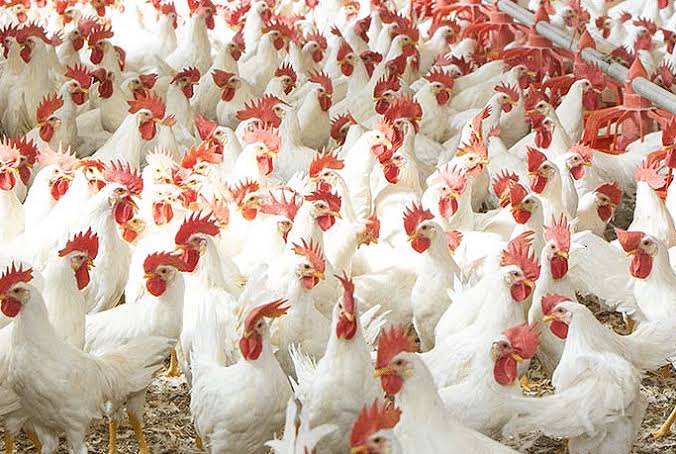
These are the meat producers; their gene and strain has been monitored and cross to be a hybrid and fast growing birds so they grow very fast and convert feeds to meat faster. So this means if you are in hurry and you want to breed for a short time make your money and start all over, broilers is very good at that.
Broilers can be breed for just 1month (4weeks) after which they are ready for sale either to be sold directly or processed into meat and exported.
Broilers are sold based on their size but they make better profit when process through abattoir into meat and exported to other countries, broilers are very fragile and they need much attention and care if you must succeed in this great investment you have to handle them with care, watch their feeds and feeding, neatness is very essential in their house, and most important due to the rate at which they grow fast within a short while, their feeds must be available in the feeding trough always “Al-Libitum” meaning feeds are always in the feeder’ for them to eat, proper medication must be put in place to check the incidences of diseases outbreak and curb death, infected birds should be isolated in order to safeguard the other birds.
Some Broilers sells for 5000 naira upward in live weight market value if you have 50,000 broilers, 50,000 x 5000 = a whooping sum of 50,000,000 that’s an amazing profit for the start. If you make such a huge progress in the 1st year of production you can equally increase the number of birds for the following production year and you will see how much profit.
You can make in the business. So now let’s compare the both of them:
3. Layers or Broilers
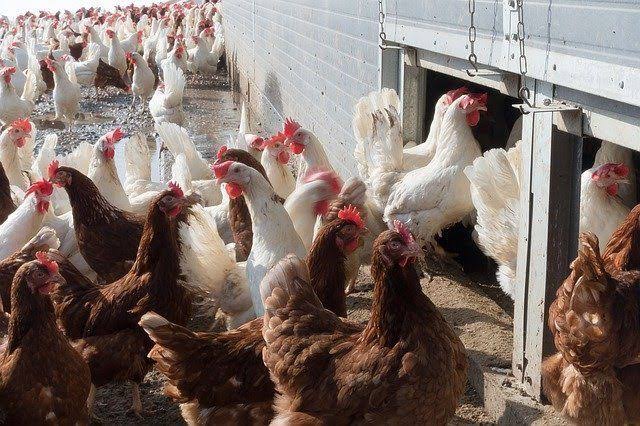
Altogether, it is left for you to choose base on your preference which one will be better for you, layers or broilers? Meanwhile below are some factors you might need to consider in making the right choice whether you prefer raising layers or broilers:
- Time availability and how busy are you?
- And how much are you ready to sacrifice for the business?
- How many years are you going to spend in poultry farming business?
- If you have a good amount of money and time then I suggest Layers production but if you don’t have much time but you have money you can consider Broilers.
- Labor force: are you going to employ people?
- Or you are willing to run the farm system on your own
or family labor? - Base on the system of farming you adopt you can determine this by yourself and as well, you can consider your level of production if it’s a multi-million-naira farm then you can be sure you’ve to employ service of other people and thus Layers is a good choice.
Note: If you have good money for the investment, and time you can as well you run a large scale broilers and layer poultry farm else then you can make a wise choice of which of them to produce either the layers or broilers.
Summary on Layers or Broilers: Which is More Profitable?
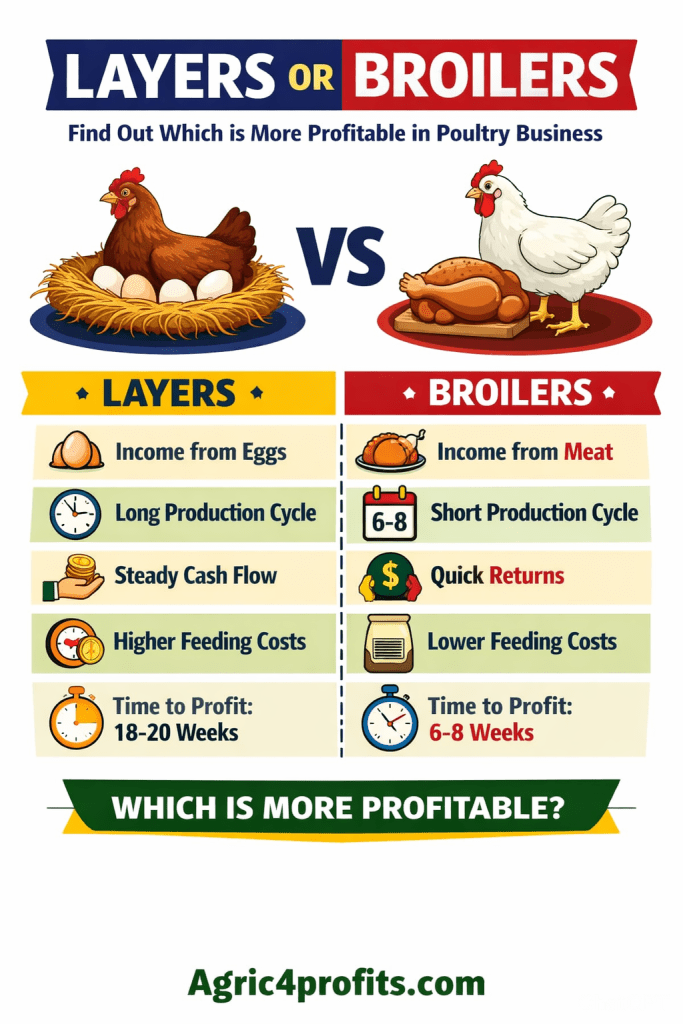
| Aspect | Broilers | Layers |
|---|---|---|
| Primary Purpose | Meat production | Egg production |
| Production Cycle | 6-8 weeks to slaughter | 18-22 weeks to first egg; productive for 52-78 weeks |
| Start-up Capital | Lower; less infrastructure needed | Higher; requires cages/nest boxes, debeaking equipment, extended feeding period before returns |
| Return on Investment | Fast; within 6-8 weeks per batch | Slow; 5-6 months before income begins, then steady daily returns |
| Income Type | Lump-sum per batch (one-time per cycle) | Daily/continuous from egg sales |
| Income Stability | Volatile; meat prices fluctuate significantly | More stable; egg prices less volatile than meat prices |
| Batches Per Year | 5-6 batches per year possible | One flock per 72-78 week cycle |
| Feed Cost Per Bird | High per bird due to rapid growth (ad libitum feeding) | Spread over longer period; restricted/controlled feeding |
| Feeding Type | Ad libitum (free choice, unrestricted) | Controlled/rationed feeding by stage |
| Vaccination Requirement | Fewer vaccines; shorter exposure period | More vaccines; continuous throughout long productive life |
| Disease Management | Simpler; shorter lifespan reduces disease exposure | More complex; longer lifespan requires ongoing vigilance |
| Marketing | More difficult; birds continue eating after market weight, losing money daily if unsold | Easier; eggs can be stored and sold when ready without ongoing cost penalty |
| Cash Flow | Good turnover if sold on time; risky if market is slow | Predictable and consistent once laying begins |
| Minimum Viable Scale | 100-500 birds workable for beginners | 500-1,000 birds minimum for profitable egg sales |
| Management Complexity | Simpler; suitable for beginners | More complex; requires experience, precise nutrition, lighting, and health management |
| Additional Revenue Streams | Manure, litter sales | Manure/litter sales, spent hen sales at end of cycle |
| Long-term Profitability | High per batch but requires continuous reinvestment | Higher cumulative profit at scale due to dual income (eggs + spent hens) |
| Market Price Risk | High; broiler prices are volatile and seasonal | Lower; egg prices are relatively stable year-round |
| Beginner Suitability | Better for beginners due to lower capital and shorter cycle | Requires more experience and financial staying power |
| Best For | Farmers needing quick capital turnover, limited starting capital, or short-term income | Farmers seeking stable long-term income, willing to invest more upfront |
Frequently Asked Questions About Layers or Broilers: Which is More Profitable?
1. Which is more profitable overall – broilers or layers?
Neither is definitively more profitable; it depends on scale, management, and market conditions. Broilers offer faster returns per cycle but require continuous reinvestment and carry higher price volatility risk. Layers generate lower per-cycle returns but provide stable, predictable daily income over a longer period. At large scale with good management, layers tend to generate higher cumulative profit due to dual income from eggs and spent hen sales.
2. Which is better for a beginner with limited capital?
Broilers. Lower start-up costs, fewer vaccines, simpler management, and a short 6-8 week cycle allow beginners to learn quickly, recover capital fast, and scale up gradually with experience and confidence before committing to the longer, more complex layer enterprise.
3. Why is marketing broilers harder than marketing eggs?
Once broilers reach market weight, they continue consuming feed daily. Every day they remain unsold is a direct financial loss. Eggs, by contrast, can be stored and sold at a convenient time without incurring additional costs, giving the farmer far more marketing flexibility and reducing pressure to sell at any price.
4. How does income stability compare between the two?
Layer farming provides daily income from egg sales and is considered more financially stable since egg prices are generally less volatile than live bird prices. Broiler income comes in lump sums per batch and is subject to seasonal price swings, oversupply in the market, and the risk of not finding buyers at market weight.
5. Can I run both broilers and layers on the same farm?
Yes, but they must be kept in completely separate housing with dedicated equipment, feeders, and water systems. The two enterprises have different feed types, vaccination schedules, lighting requirements, and biosecurity protocols. Running both provides income diversification and year-round cash flow but requires higher management capacity and capital.
6. How does disease risk differ between broilers and layers?
Broilers have lower overall disease management complexity because their short lifespan limits exposure time. Layers, kept for 72-78 weeks, face cumulative disease pressure over a much longer period and require more vaccines, regular deworming, and continuous monitoring. Immunosuppressive diseases such as Marek’s Disease and IBD are of greater concern in layers due to their longer productive life.
7. At what scale does layer farming become clearly more profitable than broiler farming?
Layer farming typically becomes more competitive at 1,000 birds and above, where the consistent daily egg volume justifies the infrastructure investment and management complexity. Below 500 birds, the slow initial return and high set-up cost relative to income make layer farming difficult to justify financially for most smallholders.
8. What are the biggest risks unique to each enterprise?
For broilers, the biggest risks are price collapse at market time, inability to find buyers before birds exceed optimal market weight, disease outbreaks during the growth phase, and feed cost spikes eroding margins. For layers, the biggest risks are sustained periods of low egg prices (which still require full feed costs), disease outbreaks mid-cycle after significant investment has been made, and sudden production drops from heat stress, lighting failure, or nutritional error.
9. Does the choice change depending on my location or market?
Significantly. In urban areas with strong demand for fresh eggs and daily market access, layers often perform better. In rural or peri-urban areas with strong demand for live birds and limited cold storage, broilers may be more practical. Local feed prices, the availability of reliable buyers, and seasonal demand patterns (holiday demand for live birds vs. year-round egg demand) should all inform the decision.
10. What is the single most important factor to research before choosing between broilers and layers?
Your market. Knowing exactly who will buy your product, at what price, and how consistently, before you invest a single dollar is the most critical step. Many farmers choose their enterprise based on what neighbors are doing or what equipment is cheapest, rather than on verified market demand. A broiler farm with no reliable buyer at market weight and a layer farm in a market flooded with cheap imported eggs will both fail regardless of how well the birds are managed.
Read Also: Agricultural Waste Generation Sources and Characteristics