


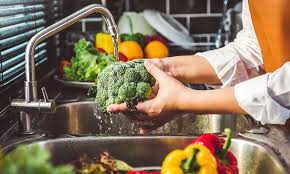
Hygiene, as defined by the World Health Organization, refers to conditions and practices that help maintain health and prevent the spread of diseases. Medical hygiene includes specific practices associated with health preservation, such as environmental cleaning, sterilization of equipment, hand hygiene, water and sanitation, and safe disposal of medical waste.
Kitchen hygiene involves routine cleaning of “contact” sites and surfaces (hand, food, and drinking water contact points, including door and tap handles, work surfaces, and basin surfaces) in the kitchen to reduce the risk of germ spread.
Food hygiene is a broad term describing the preservation and preparation of foods to ensure safety for human consumption. This process includes proper storage of food items prior to use, maintaining a clean environment during preparation, and ensuring that all serving dishes are clean and free of bacteria that could cause contamination.
The food storage aspect of food hygiene focuses on maintaining food quality to ensure freshness for use in recipes. For dry goods, proper food hygiene involves placing items like sugar or flour in clean, dry, airtight containers, stored in a pantry or on a kitchen counter, relatively safe from humidity and extreme temperatures. Similarly, meats must be stored properly as part of food hygiene.
Many choose to use containers designed for freezer use to preserve raw meats, slowing decay and minimizing the risk of food poisoning when used later. Strict hygiene measures must be implemented and adhered to in the kitchen environment to ensure safe and healthy food preparation for restaurant customers.
Definition of Kitchen and Food Hygiene
Hygiene, as defined by the World Health Organization, refers to conditions and practices that help maintain health and prevent the spread of diseases. Medical hygiene includes specific practices like environmental cleaning, equipment sterilization, hand hygiene, water and sanitation, and safe medical waste disposal.
Kitchen hygiene refers to routine cleaning of “contact” sites and surfaces (door and tap handles, work surfaces, and basin surfaces) in the kitchen, reducing the risk of germ spread. Food hygiene describes the preservation and preparation of foods to ensure safety for human consumption.
Read Also: The Possible Market Outlet for Table Fishes
Practices for Maintaining Kitchen Hygiene
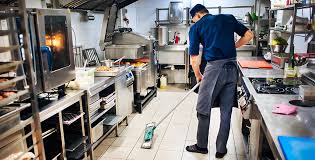
To avoid illness from breeding bugs and accumulated germs in the kitchen, awareness and practice of routine cleaning are essential to ensure a hygienic environment for the restaurant. The following tips help keep the kitchen free of germs and prevent food poisoning:
- Wipe down surfaces thoroughly with warm water and washing-up liquid or antibacterial spray before and after preparing food.
- Keep stove hobs clean by wiping off spills immediately and scraping burnt residues with a plastic scraper. Avoid abrasive materials to prevent scratches; a dishcloth or sponge is sufficient. Basic oven cleaner should remove most stains.
- Empty kitchen bins before they overflow to prevent attracting rodents. Recycle plastic, glass, and cardboard when possible.
- Wash dishes after every meal, ideally soaking and washing pots and pans during meal preparation to minimize cleanup afterward.
- Always wash hands before and after preparing meals, especially after handling raw meat.
- Store cooked leftovers in the fridge and consume within two days, ensuring they are heated thoroughly. Do not reheat previously frozen food.
- Clean the fridge and freezer with soap and water, discarding items that appear spoiled or are past their use-by date.
- Wash tea towels a couple of times a week to prevent bacterial growth.
1. Maintaining Refrigerators
Remove shelves and compartments from the fridge monthly and wash them with soap and warm water. Rinse and dry before replacing. Wipe the fridge interior with a mixture of bicarbonate of soda and water, including the handle. Once or twice a year, pull the fridge out and vacuum the cooling elements at the back to improve efficiency.
2. Maintaining Freezers
When ice builds up, defrost the freezer. Remove all items and store them in cool bags or another freezer. Place a bowl of hot water inside to aid thawing, and use an ice scraper to remove melting ice (or let it melt naturally, though this takes longer).
Place newspaper or towels to absorb water. Wash shelves and compartments in warm soapy water, rinse, and replace. Vacuum the cooling elements at the back once or twice a year for efficiency.
3. Cleaning Ovens
Wipe the oven with a cloth and warm water after every use to avoid heavy dirt buildup. For particularly dirty ovens, apply a thick paste of bicarbonate of soda, leave it overnight, and scrub with a scourer and warm water the next morning.
4. Sanitizing Sinks
Wipe down the sink at least daily. Disinfect weekly by filling it with warm water and a small amount of bleach, scrubbing with a scourer, including the plug chain and inside of the plug.
Ensuring Kitchen Sanitation
Kitchen sanitation extends to keeping preparation areas clean and relatively germ-free. Mixing bowls, spoons, paring knives, and other tools should be washed thoroughly before use. Kitchen countertops and cutting boards should be cleaned and sterilized periodically.
A sanitary workplace reduces the risk of foodborne illness from prepared food. Preventing cross-contamination is critical. For example, using a knife to debone raw chicken and then chop lettuce can lead to contamination and potential food poisoning.
Running a sink of hot soapy water during preparation, dropping used utensils into it, facilitates cleanup and prevents cross-use.
Cleaning serving dishes before use is often overlooked. While dishes from the cupboard are relatively clean, a quick rinse with hot water and dishwashing liquid prevents stray bacteria transfer.
Read Also: The Possible Market Outlet for Table Fishes
Safe Food Handling and Kitchen Hygiene

Careful food selection must be paired with hygienic storage and handling. Kitchen and storage areas should be kept scrupulously clean, though not necessarily sterile, as some bacteria are omnipresent.
A balance is needed; excessive cleanliness is unnecessary, but proper hygiene prevents food poisoning. Modern kitchen materials simplify cleaning, but it must still be performed diligently.
Cleaning Chemicals for Kitchen Hygiene
- Detergent: E.g., washing-up liquid, used with hot water to remove grease and dirt from equipment or surfaces.
- Disinfectant: A chemical that reduces bacteria to a safe level, used only after removing grease or dirt.
- Anti-Bacterial Products: Often combine cleaners and disinfectants; usage instructions should be checked.
Cleaning Checklist for Kitchen Hygiene
- Clean worktops before preparing food.
- Thoroughly clean worktops after preparing food, especially after handling raw meat, poultry, fish, or unwashed vegetables.
- Use dishwashers to disinfect dishes, utensils, and most chopping boards.
- Clean dishcloths frequently, rinse in very hot water, squeeze dry, and air dry to prevent bacterial growth. Avoid leaving them damp.
- Use disposable kitchen towels to dry cleaned surfaces and discard them.
- Minimize use of tea towels; wash them in a hot cycle if used.
- Keep hands clean to prevent bacterial transfer between foods. Adopt a “clean as you go” approach.
Proper Food Storage
1. Refrigerators
A fridge thermometer should show a temperature below 5°C to slow or stop bacterial growth. Avoid overfilling the fridge to ensure proper air circulation. Store raw food on lower shelves and cooked food above to prevent drips from contaminating ready-to-eat food. Never place hot food in the fridge, as it raises the temperature, warming other items.
Cover food to prevent contamination and drying out. Check contents regularly, following label recommendations (e.g., “use within 3 days after opening”). Avoid storing open tins in the fridge; transfer contents to covered containers.
Close the fridge door immediately after use to maintain temperature. Clean the fridge often with odorless cleaners like bicarbonate of soda to avoid tainting stored food (Foskett and Ceserani, 2007).
2. Freezers
Freezers should operate at –18°C; a thermometer is recommended. Never refreeze thawed, unused food, as temperature increases allow bacterial growth. Wrap food well to prevent cross-contamination and freezer burn, which dries and spoils food, reducing quality and nutrition.
Keep freezers relatively full for efficiency, allowing stocks to deplete only before major restocking. Label frozen food with dates and contents, as appearance changes in the frozen state. Thaw raw meat or poultry in a container in the fridge or cook immediately if defrosted in a microwave.
Rules for Kitchen Hygiene
Rule 1: Clean Surfaces During Preparation
Clean kitchen surfaces after every stage of recipe preparation, adopting a “clean as you go” approach. Raw meat, poultry, fish, eggs, and other raw foods are common germ sources and can cross-contaminate. Wash hands, utensils, and surfaces thoroughly after handling these foods before touching anything else.
Rule 2: Use Separate Chopping Boards
Use different chopping boards for raw meat/fish and other foods to prevent cross-infection, significantly enhancing kitchen safety.
Rule 3: Wash Dishes Thoroughly
Wash dishes and utensils with hot water and dishwashing liquid after use, not just rinsing under a faucet. Change water regularly, rinse in clean hot water, and air dry.
Rule 4: Limit Dish Towel Use
Use paper towels when possible to avoid cross-contamination. Wash dish towels in a hot cycle and change regularly.
Rule 5: Use Dishwasher Sani-Rinse
Use the dishwasher’s “sani-rinse” cycle during colds or flu to eliminate germs and bacteria.
Understanding Food Poisoning
Food poisoning, or foodborne illness, is a distressing and sometimes life-threatening issue affecting millions globally. Symptoms range from mild intestinal discomfort to severe dehydration and bloody diarrhea, with potential for permanent disability or death, particularly in vulnerable groups like the elderly, young children, pregnant or nursing mothers, and those with weakened immune systems.
Strict laws regulate food production, distribution, and sales to ensure safety, but responsibility lies with individuals to choose, store, handle, and prepare food hygienically.
Food poisoning is caused by bacteria or their toxins, viruses, metals, chemicals, or poisonous plants. It results from errors in the food chain before consumption, often in homes. Bacterial contamination is the most common cause, with contaminated foods appearing, smelling, and tasting normal.
Common causes include storing high-risk foods at room temperature too long, undercooking, cross-contamination, poor hygiene, careless use of leftovers, and inadequate reheating.
Bacteria and Food Poisoning
Bacteria are microscopic organisms found everywhere, invisible without a microscope. Most are harmless or beneficial (e.g., in yogurt and cheese production or aiding digestion), but some cause spoilage or illness.
Bacteria require warmth, moisture, and time to multiply via binary fission, doubling every 10–20 minutes in ideal conditions (e.g., 37°C). In four hours, one bacterium can become over a million.
High-protein foods like cooked meat, poultry, stocks, gravies, soups, dairy, egg dishes, fish, rice, and pasta are susceptible and should be refrigerated. Moisture in these foods supports bacterial growth.
Common Bacteria Causing Food Poisoning
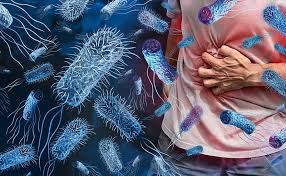
1. Salmonella: Accounts for many food poisoning cases, with symptoms (diarrhea, vomiting, fever, stomach pain) appearing 12–48 hours after consumption. Sources include raw poultry, meat, eggs, and cross-contamination from faeces, rodents, insects, birds, or pets. Prevent by cooking thoroughly, avoiding raw-cooked food contact, thorough cleaning, disinfecting, and high personal hygiene standards (frequent hand washing).
2. Staphylococcus Aureus: Carried by about 40% of people in the nose, throat, mouth, or on wounds. It produces a toxin on food, causing vomiting within hours, lasting up to 24 hours. Prevent with high hygiene standards, minimal food handling, using tongs, and refrigerating or keeping hot food immediately.
3. Clostridium Perfringens: Forms heat-resistant spores, surviving normal cooking. Symptoms (stomach pain, diarrhea) appear 12–48 hours after eating contaminated food, often reheated dishes like casseroles or meat pies. Prevent by separating raw and cooked foods, cooling cooked foods quickly, reheating to high temperatures, and avoiding multiple reheats.
4. Bacillus Cereus: A spore-forming bacterium, not destroyed by cooking, causing vomiting and stomach pain hours after consumption, often in cooked rice, pasta, or corn flour sauces. Prevent by avoiding reheating (especially rice), chilling foods rapidly, and reheating to high temperatures if necessary.
5. E. Coli (Escherichia Coli): Certain strains, like E. Coli 0157, cause severe abdominal pain and diarrhea, especially dangerous for vulnerable groups. Found on raw meat surfaces, particularly minced meat. Prevent by thorough cooking (especially minced meat dishes), separating raw and cooked foods, and thorough hand washing.
6. Campylobacter: Campylobacter Jejuni causes diarrhea and is linked to food or waterborne infections. Found on chickens and in contaminated milk (e.g., from bird-pecked foil tops). Prevent by thorough cooking, hand washing after handling raw poultry, and avoiding contaminated milk.
Guidelines for Preventing Food Poisoning
- Cook animal-source foods (meat, dairy, eggs) thoroughly or pasteurize them, using a thermometer.
- Avoid raw or undercooked meats and eggs; check expiration dates before purchase and preparation.
- Select and prepare fish and shellfish carefully for quality and freshness.
- Return undercooked meat or egg products in restaurants, requesting a new plate.
- Prevent juices or drippings from raw meat, poultry, shellfish, or eggs from contaminating other foods.
- Refrigerate leftovers and pre-prepared food promptly, avoiding extended room-temperature exposure.
- Wash hands, cutting boards, and knives with antibacterial soap and warm-to-hot water after handling raw animal products.
- Avoid wooden cutting boards, as they are harder to clean thoroughly.
- Avoid unpasteurized milk or foods made from it.
- Thaw foods in the refrigerator and use promptly; do not refreeze fully thawed foods.
- Wash raw vegetables and fruits thoroughly, especially if unheated. Avoid alfalfa sprouts until their safety is assured.
- Follow proper home-canning procedures, obtainable from county extension services or the U.S. Department of Agriculture.
Maintaining kitchen hygiene and safe food handling practices is critical to preventing foodborne illnesses. Routine cleaning, proper storage, and careful handling of food, utensils, and surfaces minimize contamination risks.
Understanding and controlling harmful bacteria, such as Salmonella, Staphylococcus Aureus, and E. Coli, through thorough cooking, hygiene, and separation of raw and cooked foods, ensures safe food preparation and consumption in both home and restaurant settings.
Do you have any questions, suggestions, or contributions? If so, please feel free to use the comment box below to share your thoughts. We also encourage you to kindly share this information with others who might benefit from it. Since we can’t reach everyone at once, we truly appreciate your help in spreading the word. Thank you so much for your support and for sharing!